
Blue jays are undeniable beauties of the avian world, sporting brilliant azure plumage and a regal crest that catches the eye. However, their behavior often leaves much to be desired for the peace-loving backyard birder.
These intelligent corvids are notoriously aggressive, often monopolizing feeders, bullying smaller songbirds, and making a tremendous amount of noise with their raucous calls. While they play a role in the ecosystem by spreading seeds, their presence can quickly turn a tranquil garden sanctuary into a battleground where smaller species like chickadees and finches fear to tread.
If you are tired of watching these dominant birds scatter your expensive seed and chase away your favorite visitors, you are not alone. Many homeowners struggle to find a balance between welcoming wildlife and maintaining order. Fortunately, you do not have to resort to harmful measures to solve this problem.
This guide explores humane, effective strategies on how to get rid of blue jays in your yard, ensuring your outdoor space remains a welcoming haven for the diversity of birds you actually want to see.
Why Do You Want to Get Rid of Blue Jays?
Blue jays are undeniably beautiful and intelligent birds, but their behavior can often cause frustration for homeowners and bird enthusiasts alike. These birds are known for their aggressive tendencies, which can drive away smaller, gentler species you may prefer to attract to your yard. Additionally, blue jays tend to dominate feeders, consuming large amounts of seed and leaving little for other birds.
Their loud calls can also disrupt the peaceful atmosphere many people seek in their outdoor spaces. By understanding the reasons behind wanting to manage their presence, you can focus on humane methods that balance the needs of your environment with your desire for a harmonious backyard habitat.
How to Get Rid of Blue Jays in Your Yard: A Step-by-Step Guide
Step 1: Remove Their Favorite High-Calorie Foods
The most direct way to discourage any unwanted guest is to stop serving their favorite meal. Blue jays are opportunistic feeders with a strong preference for high-calorie, easy-to-access treats. Whole peanuts in the shell, sunflower seeds, and cracked corn are like candy to them, and they will aggressively defend a feeder that provides an abundance of these items.
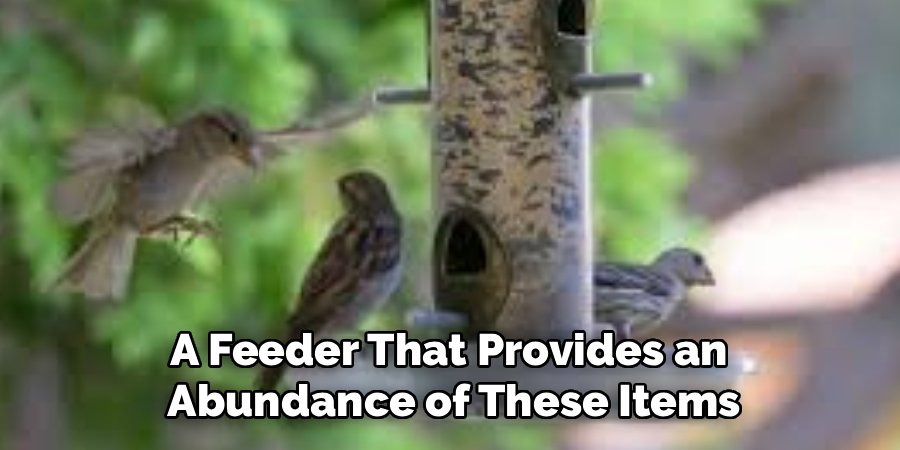
To start reclaiming your space, you must temporarily remove these specific foods from your offering. Switch to seeds that are less appealing to jays but still loved by smaller birds, such as Nyjer (thistle) seed or safflower seeds. By changing the menu, you make your yard significantly less attractive to them, forcing them to look elsewhere for their preferred high-energy snacks.
Step 2: Install Weight-Sensitive Bird Feeders
If you want to continue offering sunflower seeds without feeding the jays, investing in the right hardware is essential. Weight-sensitive feeders are designed with a mechanism that closes the feeding ports when a heavier bird lands on the perch.
Since blue jays are significantly larger and heavier than finches, sparrows, or chickadees, their weight will trigger the gate to shut, denying them access to the food.

This mechanical deterrent is a highly effective method for how to get rid of blue jays in your yard because it physically prevents them from eating without harming them. Over time, the jays learn that your feeders are “broken” or inaccessible and will move on to easier foraging grounds.
Step 3: Use Feeders with Small Perches or Cages
Another physical barrier strategy involves selecting feeders that are simply too awkward for large birds to use. Blue jays require a stable, sizable perch to balance while they eat. By switching to tube feeders with short perches or no perches at all (cling feeders), you cater specifically to smaller, more agile birds that can cling to wire mesh or balance on tiny ledges.
Alternatively, you can install a cage guard around your existing tube feeders. These wire meshes have openings large enough for small songbirds to slip through but are too narrow for the bulky body of a blue jay. This selective feeding creates a safe zone where smaller species can eat in peace, completely protected from the larger bullies outside.
Step 4: Utilize Reflective Objects to Scare Them
Blue jays are highly visual and intelligent creatures, which makes them susceptible to visual deterrents that disrupt their sense of safety. Hanging reflective objects around your garden can create a chaotic visual environment that makes them uncomfortable.
Items like old CDs, strips of shiny Mylar tape, or commercially available scare tape reflect sunlight in unpredictable patterns and create sudden flashes of light as they move in the breeze. You can hang these from tree branches, near your feeders, or along fences.

The constant movement and flashing lights mimic the presence of a predator or a threat, encouraging the skittish jays to keep their distance. Rotate the position of these objects regularly to prevent the birds from realizing they are harmless.
Step 5: Incorporate Decoys of Natural Predators
Since blue jays are preyed upon by raptors, leveraging their natural instincts can be a powerful tool in your deterrent arsenal. Placing realistic decoys of owls, hawks, or snakes in visible areas of your yard can trigger a fear response. For this to be effective as a strategy for how to get rid of blue jays in your yard, realism and movement are key.
A static statue that never moves will quickly be identified as a fake by these clever birds. You must move the decoy to different locations every few days—from a fence post to a tree branch, then to the roof line. Some modern decoys even have moving heads or wind-activated wings, which adds a layer of lifelike behavior that is much more convincing to a wary jay.
Step 6: Create a Separate Feeding Zone
If you enjoy watching blue jays but just want them away from your smaller birds, consider a diversion tactic. You can set up a “sacrifice” feeder on the completely opposite side of your property, far away from your main birdwatching station. Stock this feeder with the high-value treats they love, such as whole peanuts and cracked corn.

Blue jays are intelligent enough to find the easy meal and will likely congregate there, leaving the smaller, more difficult feeders alone. This method of segregation allows you to coexist with the jays without letting them dominate the entire landscape. It essentially creates a VIP section for the bullies, keeping them occupied and satisfied while your chickadees dine in peace elsewhere.
Step 7: Maintain a Clean Yard Environment
Blue jays are scavengers as well as foragers, and they are attracted to messy yards that offer hiding spots and easy food scraps. Fallen seeds beneath feeders can attract not only jays but also squirrels and other pests. Regularly raking up the hulls and debris under your feeding stations removes a secondary food source that encourages jays to linger on the ground.
Additionally, ensure that your garbage cans are tightly sealed and that pet food is not left outside. By practicing good yard hygiene, you minimize the incidental attractions that might draw a flock of jays to your property. A clean, well-maintained yard signals that there are no free handouts available, reinforcing the message that your garden is not an all-you-can-eat buffet for them.
Frequently Asked Questions (FAQ)
Are Blue Jays Aggressive to Humans?
Generally, blue jays are not dangerous to humans, but they can be very protective of their nests.
- Nesting Season: During spring and early summer, if you get too close to a nest with eggs or fledglings, parents may dive-bomb you.
- Behavior: This is a defense mechanism, not unprovoked aggression.
- Prevention: The best way to avoid this is to stay clear of known nesting sites until the babies have flown away.
Will Removing Blue Jays Hurt the Ecosystem?
Removing them from your specific feeder doesn’t harm the local ecosystem, but eliminating them entirely isn’t ideal or legal.
- Seed Dispersal: Blue jays are crucial for burying acorns and regenerating oak forests.
- Warning System: Their loud calls often warn other small birds of approaching predators like cats or hawks.
- Balance: The goal should be managing their behavior in your yard, not eradicating them from the neighborhood.
Do Ultrasonic Devices Work on Blue Jays?
The effectiveness of ultrasonic devices on birds is widely debated and generally considered low.
- Hearing Range: Most birds, including blue jays, hear in a similar range to humans and cannot hear ultrasonic frequencies.
- Sonic Repellers: Devices that make audible predator calls or distress signals are usually more effective than silent ultrasonic ones.
- Habituation: Even with audible devices, intelligent birds like jays often figure out it is a recording after a few weeks.
Can I Legally Trap or Shoot Blue Jays?
No, absolutely not. It is illegal to harm them.
- Migratory Bird Treaty Act: In the United States, blue jays are protected under this federal law.
- Prohibitions: You cannot kill, trap, capture, or keep them as pets. You also cannot destroy their active nests or eggs.
- Solutions: You must rely solely on humane deterrents and exclusion methods like those described in this guide.
What Is the Best Seed to Avoid Blue Jays?
Changing your seed mix is the easiest deterrent.
- Safflower: Many birds like cardinals love it, but blue jays (and squirrels) typically find it bitter and unappealing.
- Nyjer (Thistle): The tiny seeds require special feeders that jays cannot use, making it perfect for finches.
- Millet: while jays will eat it, they prefer peanuts and sunflower. Focusing on white proso millet can attract ground feeders while boring the jays.
Conclusion
Reclaiming the serenity of your backyard bird sanctuary does not require harsh measures or a total cessation of feeding. It requires a strategic approach that outsmarts these intelligent and dominant corvids.
By modifying the food you offer, upgrading your feeder hardware to weight-sensitive models, and employing visual deterrents like decoys, you can effectively discourage blue jays from taking over. Remember that consistency is key; these birds are smart and persistent, so you may need to rotate your tactics to keep them guessing.
The goal is to create an environment where diversity flourishes, and smaller songbirds feel safe enough to visit without fear of being chased away. Now that you have a comprehensive plan on how to get rid of blue jays in your yard, you can look forward to a quieter, more balanced, and harmonious birdwatching experience right from your own window.

About
Jovie Mathews is a backyard and outdoor expert writer with over 12 years of hands-on experience transforming neglected outdoor spaces into thriving gardens and functional retreats. Raised in a family where weekends meant digging in the soil and building raised beds from scratch, Jovie developed a genuine love for the outdoors long before it became a career.
She writes with a practical, no-fluff approach — always testing ideas in her own backyard before sharing them with readers. From composting systems and native plant selection to patio design and pest control, Jovie covers the full spectrum of backyard life with equal parts expertise and enthusiasm.
Education
B.Sc. in Horticulture Science
University of Florida (UF) · Gainesville, FL · 2014
IFAS College of Agricultural and Life Sciences
Minor in Environmental Studies
University of Florida (UF) · Gainesville, FL · 2014
College of Liberal Arts and Sciences
Areas of expertise
- Lawn & Garden Care
- Soil prep, planting, seasonal care
- Outdoor DIY Projects
- Raised beds, fencing, pathways
- Composting & Soil Health
- Organic methods, amendments
- Native Plants & Wildlife
- Pollinators, habitat gardening
When she is not writing, Jovie can be found testing new composting techniques, growing tomatoes in questionable quantities, or convincing her neighbors that clover lawns are actually a great idea. She currently gardens in the Pacific Northwest.