
Every pool owner knows that maintaining crystal-clear water is a delicate balancing act. One of the most crucial players in this chemical harmony is cyanuric acid, commonly known as a stabilizer or conditioner. Think of it as sunscreen for your chlorine; without it, the sun’s harsh ultraviolet rays can burn off your sanitizer in a matter of hours, leaving your water vulnerable to algae and bacteria.
However, most instructions on the bag assume you have a traditional skimmer system to dissolve the granules. What if you have an above-ground pool without a skimmer, or your skimmer is currently out of commission? You might feel stuck, worried about damaging your liner with undissolved chemicals.
Fortunately, you are not out of luck. There is a safe and effective manual method that works perfectly for any setup. This guide is designed to walk you through how to add stabilizer to pool without skimmer equipment, ensuring your chlorine stays protected and your swim season remains uninterrupted.
Why Adding Stabilizer is Important
Stabilizer, often referred to as cyanuric acid (CYA), plays a crucial role in maintaining the effectiveness of your pool’s chlorine. Without stabilizer, the sun’s ultraviolet (UV) rays can quickly degrade chlorine, reducing its ability to sanitize the water. This means you would have to add chlorine more frequently, leading to increased costs and effort.
By using stabilizer, you protect the chlorine molecules from breaking down too rapidly, ensuring consistent sanitation. This not only keeps your pool water safe and clean but also makes pool maintenance more efficient and cost-effective in the long run.
6 Step-by-Step Guide on How to Add Stabilizer to Pool Without Skimmer
Step 1: Test Your Current Cyanuric Acid Levels
Before you add a single granule of chemical to your water, you must know exactly where your levels stand. Adding too much stabilizer is a nightmare because the only way to lower it is to drain a significant portion of your water. Use a reliable liquid test kit or high-quality test strips to check the current cyanuric acid (CYA) reading. The ideal range for most outdoor pools is between 30 and 50 parts per million (ppm).
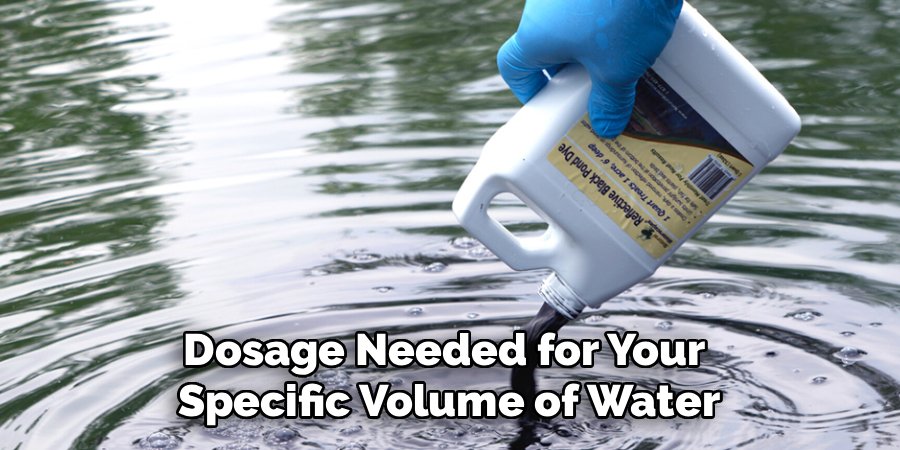
If your test shows zero or very low levels, you are ready to proceed. If you are already near the target range, stop immediately. Adding more will cause “chlorine lock,” rendering your sanitizer ineffective. Precise testing prevents costly mistakes and ensures you calculate the exact dosage needed for your specific volume of water.
Step 2: Calculate the Required Amount of Stabilizer
Once you have your current reading, you need to determine how much product is required to reach the target level of roughly 40 ppm. Consult the dosage chart on the back of the stabilizer package, which typically lists amounts based on 10,000 gallons of water. If you do not know your pool’s volume, you will need to calculate it based on its shape and dimensions.
Be conservative in your calculations. It is always better to add slightly less than you think you need and retest later than to accidentally overdose the pool. Measure out the required amount of granules using a dedicated chemical scoop or a kitchen scale that you never use for food. having the correct amount pre-measured prevents scrambling during the application process.
Step 3: Prepare a Bucket of Warm Water
Since you are learning how to add stabilizer to pool without skimmer assistance, you must create a manual dissolving station. Cyanuric acid is notoriously slow to dissolve and can sit on the bottom of your pool like acidic sand if not handled correctly. To combat this, fill a large five-gallon bucket about halfway with warm water. You can use pool water if it is warm, but tap water works fine.
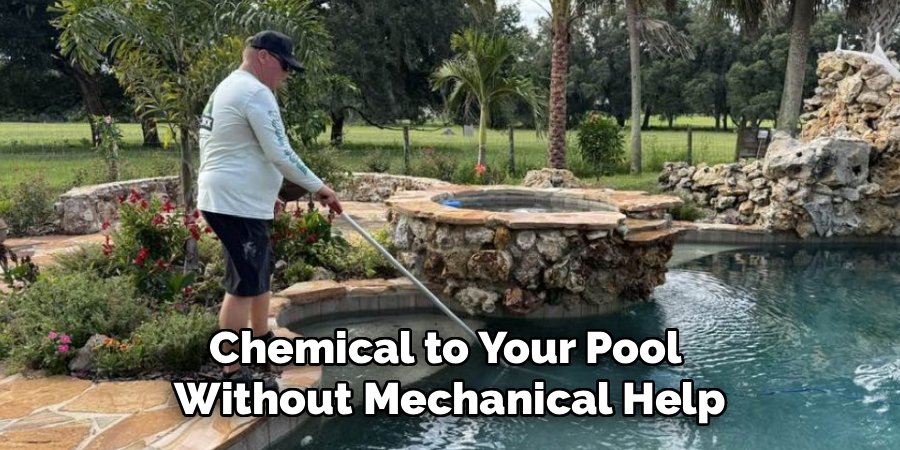
The warmth helps the granules break down faster than cold water would. Do not fill the bucket to the brim, as you need plenty of room to stir without splashing potentially irritating chemicals onto your skin or clothes. This slurry method is the safest way to introduce the chemical to your pool without mechanical help.
Step 4: Create a Slurry by Mixing Vigorously
Pour a manageable amount of your pre-measured stabilizer into the bucket of warm water. Do not dump the entire bag in at once, or it will clump into a hard, cement-like mass at the bottom. Start with maybe a pound or two. Using a wooden paint stirrer or a dedicated plastic pool stick, stir the mixture vigorously. You are aiming to create a milky, dissolved solution, often referred to as a slurry.
It is important to note that stabilizer is very acidic and dissolves slowly, so you might still see some granules swirling around. Keep stirring for several minutes until the majority of the solid material has broken down into the liquid. This manual agitation replaces the flow of water that a skimmer would normally provide.
Step 5: Distribute the Mixture Around the Pool Perimeter
With your bucket of dissolved stabilizer slurry ready, walk around the edge of your pool. Slowly pour the mixture directly into the water, aiming for the return jets if you have them, or simply spreading it evenly around the perimeter. Do not pour it all in one spot, as a high concentration of acid could potentially bleach or damage your pool liner.
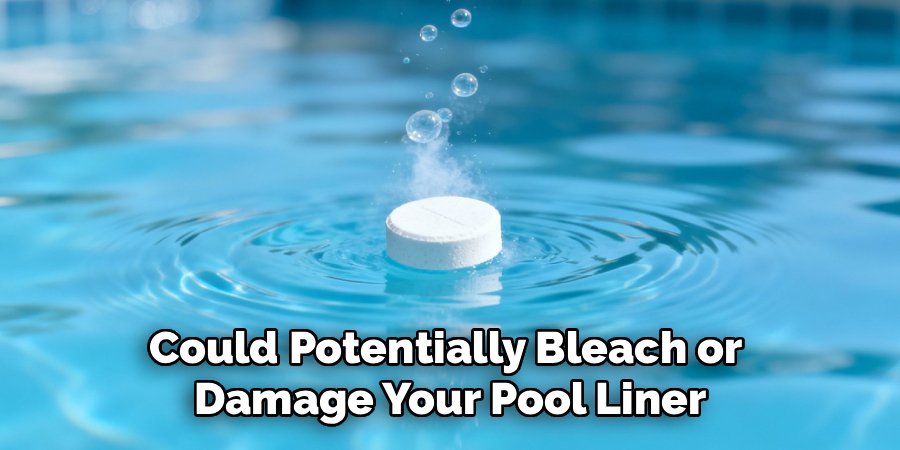
By walking and pouring, you help disperse the chemical more effectively throughout the entire body of water. If you have any undissolved solids left in the bottom of the bucket, dip the bucket into the pool to get more water, stir again to dissolve the remaining bits, and pour that out. Repeat this process until the bucket is completely clean.
Step 6: Use a Brush to Agitate the Pool Water
Even with pre-dissolving, some heavier particles may sink to the pool floor. It is critical that these granules do not sit in direct contact with your vinyl liner or concrete finish for long periods, as they are acidic and can cause spotting or degradation. Take your pool brush attached to the telescoping pole and vigorously sweep the bottom of the pool. Focus on the areas where you poured the mixture.
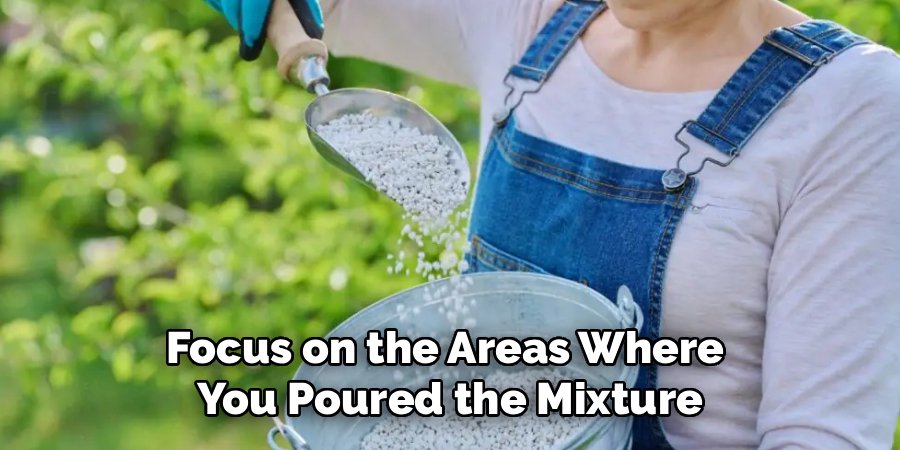
This mechanical brushing helps to kick any settled particles back up into suspension, allowing them to dissolve fully before they settle again. This step essentially mimics the circulation of the water and ensures that the stabilizer integrates fully with the bulk of the pool water rather than concentrating on the floor.
Frequently Asked Questions (FAQ)
What Happens if I Don’t Use Stabilizer?
If you skip adding stabilizer, you will likely struggle to maintain chlorine levels. The sun’s ultraviolet (UV) rays degrade unstabilized chlorine incredibly fast.
- Rapid Loss: In bright sunlight, you can lose up to 90% of your chlorine in just two hours.
- Increased Cost: You will have to add significantly more chlorine constantly to keep the water sanitized, which gets expensive.
- Algae Risk: Without consistent sanitizer levels, algae blooms can take hold quickly.
Can I Use the “Sock Method” Without a Skimmer?
Yes, the sock method is actually one of the best alternatives if you don’t want to make a slurry.
- How it Works: Pour the stabilizer into a skimmer sock or an old pair of pantyhose. Tie it off securely.
- Placement: Hang the sock in front of a return jet (where water shoots back into the pool) or tie it to a pool ladder.
- Action: Squeeze the sock periodically to help the dissolved milky substance release into the water. This prevents granules from touching the liner.
Is Liquid Stabilizer Better Than Granular?
For pools without skimmers, liquid stabilizer (often called “instant conditioner”) is much easier to use, though it is more expensive.
- Pros: It is a thick liquid that mixes instantly with pool water. There are no granules to dissolve, so there is zero risk to your liner.
- Cons: It costs significantly more per dose than the granular variety.
- Verdict: If budget allows, liquid is the superior choice for skimmer-less pools.
How Do I Lower Stabilizer if I Add Too Much?
Cyanuric acid does not evaporate or break down naturally. Once it is in the water, it stays there.
- Drain and Refill: The only effective way to lower the level is to partially drain the pool and refill it with fresh water.
- Splash Out: Over time, normal splashing and backwashing will lower levels slightly, but this is slow.
- Chemical Reducers: There are chemical CYA reducers on the market, but they are often expensive and have mixed results. Prevention is key.
Can I Put Stabilizer Directly into the Pump Basket?
You should generally avoid putting granules directly into the pump basket if you don’t have a skimmer to feed it.
- Risk: The granules are acidic and slow-dissolving. They can get trapped in the filter or sit inside the pump housing, potentially damaging seals, impellers, or filter media.
- Best Practice: Pre-dissolving in a bucket or using the sock method is much safer for your equipment.
Conclusion
Protecting your pool’s chlorine from the sun is non-negotiable for a clean and safe swimming environment, regardless of your equipment setup. While instructions often rely on a skimmer, you now have the knowledge to bypass that requirement safely.
By pre-dissolving the granules into a slurry or utilizing the slow-release sock method, you can introduce cyanuric acid effectively without risking damage to your pool liner or filtration system. It takes a little more physical effort than simply pouring it into a skimmer basket, but the result is exactly the same: perfectly balanced water that holds onto its sanitizer.
Remember to measure carefully, mix thoroughly, and exercise patience before retesting. Now that you understand exactly how to add stabilizer to pool without skimmer setups, you can confidently maintain your backyard oasis and enjoy sparkling water all summer long.

About
Jovie Mathews is a backyard and outdoor expert writer with over 12 years of hands-on experience transforming neglected outdoor spaces into thriving gardens and functional retreats. Raised in a family where weekends meant digging in the soil and building raised beds from scratch, Jovie developed a genuine love for the outdoors long before it became a career.
She writes with a practical, no-fluff approach — always testing ideas in her own backyard before sharing them with readers. From composting systems and native plant selection to patio design and pest control, Jovie covers the full spectrum of backyard life with equal parts expertise and enthusiasm.
Education
B.Sc. in Horticulture Science
University of Florida (UF) · Gainesville, FL · 2014
IFAS College of Agricultural and Life Sciences
Minor in Environmental Studies
University of Florida (UF) · Gainesville, FL · 2014
College of Liberal Arts and Sciences
Areas of expertise
- Lawn & Garden Care
- Soil prep, planting, seasonal care
- Outdoor DIY Projects
- Raised beds, fencing, pathways
- Composting & Soil Health
- Organic methods, amendments
- Native Plants & Wildlife
- Pollinators, habitat gardening
When she is not writing, Jovie can be found testing new composting techniques, growing tomatoes in questionable quantities, or convincing her neighbors that clover lawns are actually a great idea. She currently gardens in the Pacific Northwest.