
Finding a dead deer on your property is a distressing and unpleasant situation for any homeowner. Whether the animal succumbed to illness, injury, or natural causes, its presence creates an immediate problem. A decaying carcass can attract scavengers, create a powerful odor, and pose a health risk due to bacteria and pests.
While your first instinct might be to panic or ignore it, dealing with the situation promptly and correctly is crucial for the safety and sanitation of your home environment.
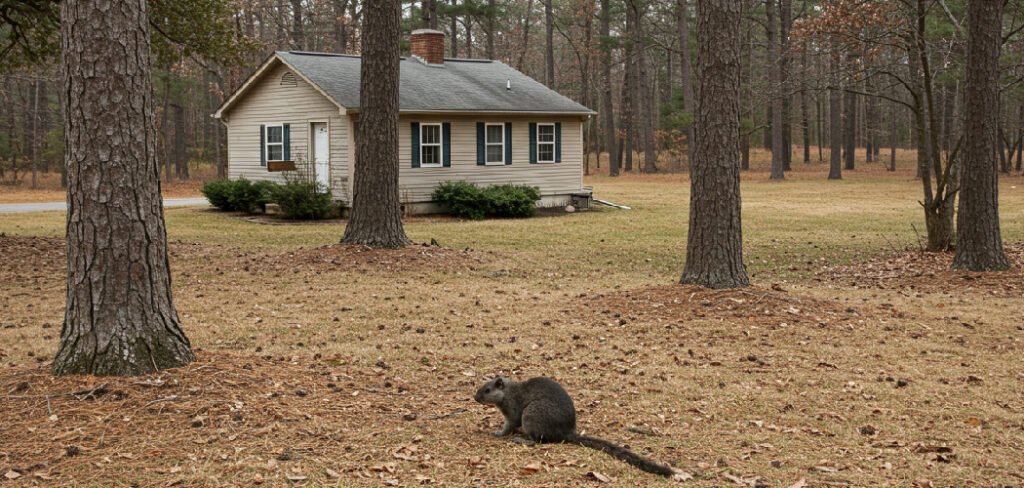
Many people are unsure of who to call or what steps to take. This guide will provide clear, practical, and safe instructions on how to remove a dead deer from your yard, helping you manage this unfortunate event with confidence and care.
Discovering a dead animal on your property can be both shocking and overwhelming. Aside from the emotional discomfort it may cause, there are pressing concerns about hygiene, safety, and the potential spread of disease.
Knowing the proper steps to handle such a situation not only ensures that the removal process is done effectively but also helps protect your family, pets, and the environment from any harmful effects. With the right approach, this unpleasant task can be managed responsibly and with minimal stress.
How to Remove a Dead Deer from Your Yard: A Step-by-Step Guide
Step 1: Assess the Situation from a Distance
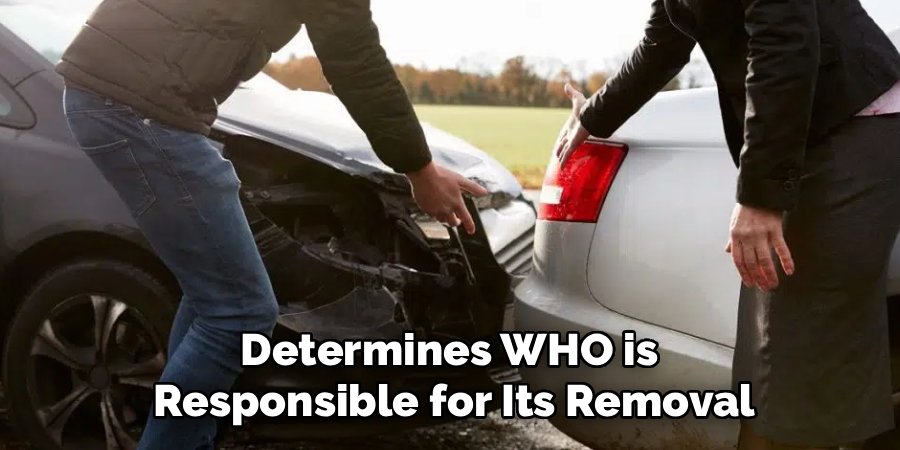
Before you take any action, your first step is to perform a visual assessment from a safe distance. Observe the animal’s location and condition. Is it on your private property, or is it on public land, a sidewalk, or the road? The location determines who is responsible for its removal.
Take note of any obvious signs of disease or injury, but do not get close enough to touch the animal. This initial assessment will help you provide accurate information when you make phone calls to the appropriate authorities. Your safety is the top priority, and approaching a wild animal, even a deceased one, carries potential health risks that should be avoided.
Step 2: Make the Right Phone Calls
Once you have assessed the situation, it is time to contact the proper authorities. The correct agency to call varies by location. Start by calling your local animal control, non-emergency police line, or sanitation department. If the deer is on a public road or right-of-way, the city or county is typically responsible for its disposal.
If it is on your private property, the responsibility may fall on you. However, some municipalities offer removal services for a fee, or they can provide you with a list of licensed wildlife removal companies. In some rural areas, you may be directed to contact the state’s Department of Fish and Wildlife or a similar conservation agency.
Step 3: Gear Up with PPE
If you determine that you must move the animal yourself, either to the curb for pickup or for private disposal, you must use proper personal protective equipment (PPE). Do not handle the animal with your bare hands. Wear thick, waterproof gloves, long sleeves, and pants. It is also highly recommended to wear a face mask, like an N95 respirator, to protect yourself from inhaling bacteria.
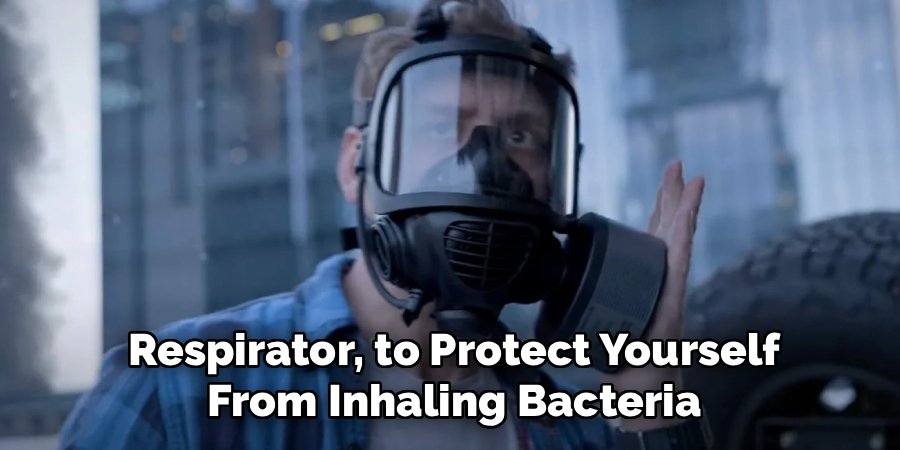
Ticks, fleas, and other parasites can still be present on the carcass, so protecting your skin is vital. This safety preparation is the most important part of the process, as it shields you from potential diseases and biohazards associated with deceased wildlife.
Step 4: Prepare for Movement with a Tarp and Vehicle
Moving an adult deer is not a one-person job, as they can be surprisingly heavy and awkward to handle. You will need a large, heavy-duty tarp or a thick plastic sheet. Place the tarp on the ground alongside the deer. With the help of another person, carefully roll or drag the carcass onto the center of the tarp.
This contains the animal and prevents direct contact with your vehicle or the ground during transport. If you are moving it to a landfill or disposal site yourself, you will need a pickup truck or a trailer. The tarp makes it easier to slide the animal into the truck bed and simplifies the cleanup process afterward.
Step 5: Physical Process from Your Yard
With the carcass securely on the tarp, you and your helper can begin moving it. Each person should grab two corners of the tarp. Lift with your legs, not your back, to avoid injury. Carefully drag the tarp to the designated pickup location, such as the edge of your curb, or lift it into the bed of your truck.
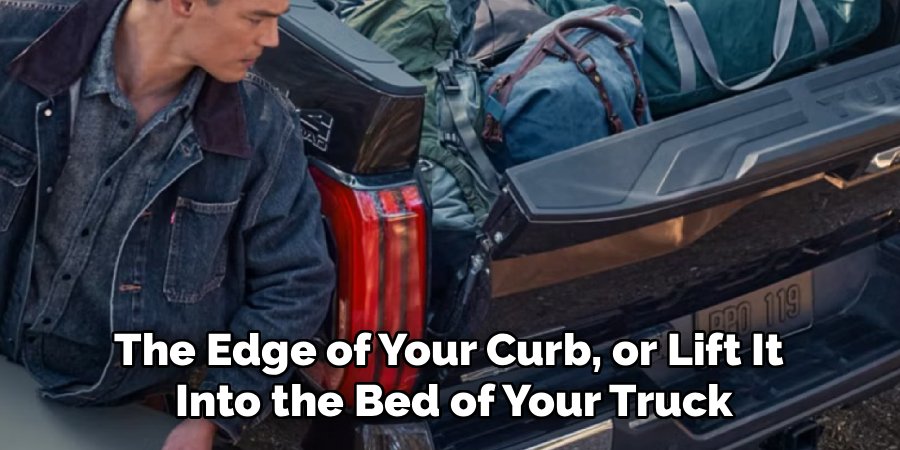
Be slow and deliberate with your movements. If the animal is too heavy to lift, you can use the tarp to drag it across the lawn. This method is physically demanding, so do not attempt it if you have health concerns or are not confident in your ability to perform the task safely.
Step 6: Clean and Disinfect the Area Thoroughly
After the carcass has been removed from your property, your job is not finished. The area where the deer lay is contaminated with bodily fluids and bacteria that can attract pests and create lingering odors. You must thoroughly clean and disinfect this spot. Use a shovel to remove any soiled grass, dirt, or leaves and dispose of them in a sealed garbage bag.
Next, use a garden hose to rinse the area well. To disinfect, you can apply a solution of one part bleach to ten parts water or use a commercial-grade enzymatic cleaner designed to break down organic matter and eliminate odors. This step is crucial for restoring the safety and sanitation of your yard.
Step 7: Dispose of Your PPE and Clean Yourself
Once the area is clean, you must safely dispose of all your contaminated gear. Place the gloves, mask, and any disposable items into a heavy-duty trash bag, seal it tightly, and place it in your outdoor garbage can. If your clothes came into contact with the animal or any fluids, remove them and wash them immediately in hot water, separate from your other laundry.

Finally, wash your hands and arms thoroughly with soap and hot water, even if you were wearing gloves. This final cleanup ensures that you have removed all potential biohazards from your equipment, your clothing, and yourself, completing the removal process safely.
Frequently Asked Questions (FAQ)
Who Is Responsible for Removing a Dead Deer from My Yard?
In most cases, if the animal is on your private property, you as the homeowner are responsible for its removal. However, rules vary by city and county.
- Public vs. Private: If the deer is on a public road, sidewalk, or park, the local municipality’s sanitation or public works department is responsible.
- First Call: Always start by calling your local animal control or non-emergency police line. They will advise you on the specific procedures and resources in your area.
Can I Bury the Deer in My Yard?
Burying a deer is an option in some rural areas, but you must check local ordinances first, as many municipalities prohibit it for health reasons. If it is allowed, the burial site must be far from any wells, streams, or water sources to prevent contamination.
The hole should be deep enough—at least four feet—to prevent scavengers from digging it up. This is often not a practical solution for suburban properties.
Will the City or County Charge Me for Removal?
This depends entirely on your location. Some municipal sanitation departments will collect the carcass from your curb for free if you can get it there, treating it like bulky waste.
Other cities may offer the service for a fee. If the city does not provide the service, they can usually refer you to a private wildlife removal company, which will charge for their services.
What Are the Health Risks of Handling a Dead Deer?
Dead animals can carry various diseases, bacteria, and parasites that can be transmitted to humans. These include E. coli, salmonella, and tularemia. Ticks on the deer can carry Lyme disease.
This is why using proper PPE—including waterproof gloves, long sleeves, and a mask—is not optional; it is a critical safety measure to protect yourself from potential infection and biohazards.
How Do I Get Rid of the Bad Smell?
Even after the deer is removed, a strong odor can linger. After removing any soiled ground material, disinfect the area. You can use a bleach-water solution, but a more effective option is an enzymatic cleaner, available at pet supply or hardware stores.
These products use enzymes to break down the organic molecules causing the odor. For persistent smells, applying agricultural lime to the area can also help neutralize odors.
Conclusion
Discovering a dead animal on your property is an unfortunate reality for those who live near wildlife, but it is a manageable situation. The keys to resolving the issue are to act promptly, prioritize your safety above all else, and follow the correct procedures for your area.
By making the right phone calls and using the proper protective gear, you can ensure the situation is handled responsibly. Whether you call a professional or undertake the task yourself, knowing the proper steps gives you the confidence to protect your family’s health and restore your yard to its clean, safe state.
Now that you understand how to remove a dead deer from your yard, you are prepared to handle this challenging situation correctly should it ever arise.

About
Jovie Mathews is a backyard and outdoor expert writer with over 12 years of hands-on experience transforming neglected outdoor spaces into thriving gardens and functional retreats. Raised in a family where weekends meant digging in the soil and building raised beds from scratch, Jovie developed a genuine love for the outdoors long before it became a career.
She writes with a practical, no-fluff approach — always testing ideas in her own backyard before sharing them with readers. From composting systems and native plant selection to patio design and pest control, Jovie covers the full spectrum of backyard life with equal parts expertise and enthusiasm.
Education
B.Sc. in Horticulture Science
University of Florida (UF) · Gainesville, FL · 2014
IFAS College of Agricultural and Life Sciences
Minor in Environmental Studies
University of Florida (UF) · Gainesville, FL · 2014
College of Liberal Arts and Sciences
Areas of expertise
- Lawn & Garden Care
- Soil prep, planting, seasonal care
- Outdoor DIY Projects
- Raised beds, fencing, pathways
- Composting & Soil Health
- Organic methods, amendments
- Native Plants & Wildlife
- Pollinators, habitat gardening
When she is not writing, Jovie can be found testing new composting techniques, growing tomatoes in questionable quantities, or convincing her neighbors that clover lawns are actually a great idea. She currently gardens in the Pacific Northwest.