
The Great Pyrenees is a magnificent and noble breed, known for its stunning white coat, gentle nature with family, and fierce loyalty. Bred for centuries to guard livestock independently in the Pyrenees Mountains, these dogs possess a deeply ingrained instinct to patrol and protect a vast territory.
This inherent desire to roam can make them notorious escape artists, leaving many loving owners perplexed and worried. Keeping these intelligent giants contained requires more than a simple fence; it demands a comprehensive strategy that respects their nature while ensuring their safety.
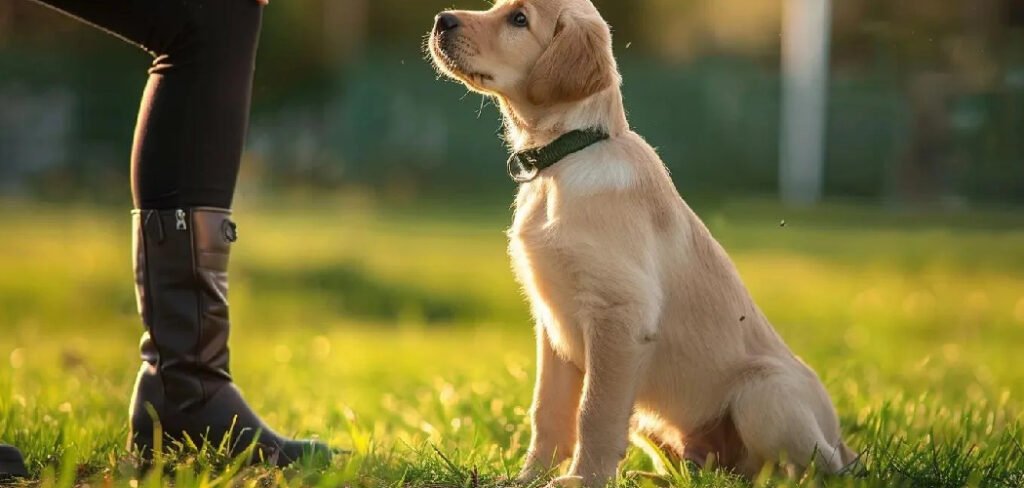
Understanding how to keep Great Pyrenees in yard is not about confining them, but about creating a secure and enriching environment where their need to guard is satisfied within safe boundaries. This guide will provide you with practical, step-by-step solutions to ensure your gentle giant stays happily and safely at home.
Why Keeping Your Great Pyrenees in the Yard is Important
The Great Pyrenees is a breed known for its independence and strong protective instincts. These qualities, while admirable, can lead to wandering behavior as they seek to patrol and guard larger territories. Allowing them to roam freely poses significant risks, such as traffic accidents, encounters with other animals, or getting lost.
Additionally, keeping your Great Pyrenees safely in the yard ensures they remain within your care, where their health, safety, and well-being are prioritized. A secure environment also helps to prevent potential conflicts with neighbors, as their natural barking and guarding tendencies can sometimes cause misunderstandings.
Creating a safe space for these majestic dogs is not just a matter of practicality but of fulfilling your responsibility as a loving and thoughtful owner.
How to Keep Great Pyrenees in Yard: A Step-by-Step Guide
Step 1: Install a Tall and Secure Physical Fence
The first and most non-negotiable line of defense is a strong, physical fence. A Great Pyrenees can easily clear a standard four-foot fence, so you must aim for a height of at least five feet, with six feet being the ideal standard. The fence should be made of a sturdy material like wood, vinyl, or chain link, with no gaps that a determined dog could squeeze through.
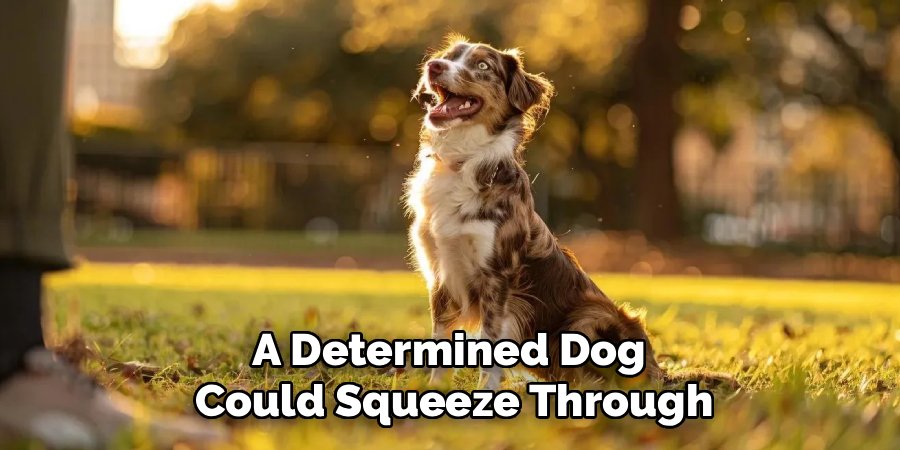
Ensure the fence is solid from the ground up, as these dogs are also skilled diggers. Regularly inspect the entire perimeter for any signs of weakness, loose boards, or developing holes, and make repairs immediately. A tall, solid fence is the cornerstone of any successful containment plan.
Step 2: Prevent Digging and Climbing
Even with a tall fence, a determined Pyr will test it for weaknesses. To prevent them from digging underneath, you can bury chicken wire at the base of the fence, extending at least a foot underground. Alternatively, you can lay concrete pavers or large rocks along the inside perimeter. To deter climbing, avoid installing chain link fences if possible, as they provide easy footholds.
If you have a chain-link fence, you can install lean-ins or coyote rollers along the top. These spinning bars make it impossible for a dog to get the grip needed to pull themselves over. Addressing both digging and climbing is a critical part of learning how to keep Great Pyrenees in yard.
Step 3: Remove Climbing Aids and Secure Gates
Your dog is resourceful and will view anything near the fence line as a potential stepping stool. Walk your yard and remove items that could aid an escape, such as woodpiles, large rocks, benches, playsets, or even sturdy bushes that are too close to the fence. Pay special attention to your gates, as they are often the weakest link in any fencing system.
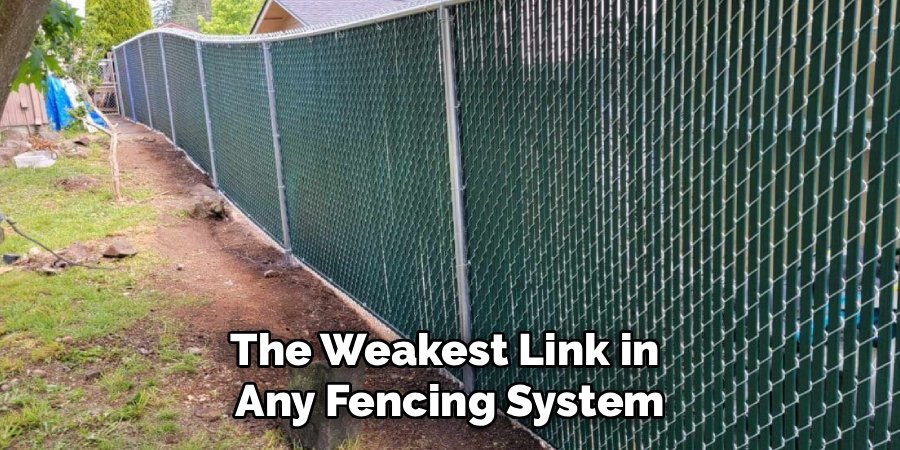
Ensure gates are the same height as the fence and are equipped with self-closing hinges and dog-proof latches. Padlocks are highly recommended, as a clever Pyr can sometimes learn to manipulate simple latches. Securing these potential escape routes is just as important as the fence itself.
Step 4: Make the Yard an Engaging Place to Be
A bored dog is a dog looking for an escape. The Great Pyrenees was bred to have a job, and if you do not provide one, they will find one for themselves, which often involves expanding their territory. Make your yard a fun and stimulating place to be. Provide plenty of durable chew toys, puzzle feeders, and engage in regular play sessions.
Practice training exercises to keep their minds sharp. If your Pyr feels that their yard is an enriching place full of interesting things to do and their beloved human companions, they will have far less motivation to see what is on the other side of the fence. A happy dog is a dog that wants to stay home.
Step 5: Provide Ample Physical and Mental Exercise
Containment is not just about physical barriers; it is also about meeting your dog’s needs. A tired dog is much less likely to plot an escape. Great Pyrenees are not high-energy sprinters, but they do have incredible endurance and require regular, consistent exercise. Daily leashed walks are essential, not just for physical activity but also for allowing them to safely patrol and scent-mark their “extended” territory beyond the yard.

These walks provide crucial mental stimulation and satisfy their instinct to survey their domain. A Pyr with pent-up energy will channel it into destructive behaviors, including digging, climbing, or testing the fence line for weaknesses. This is an essential tactic for how to keep Great Pyrenees in yard.
Step 6: Supervise Outdoor Time
While the goal is to create a yard so secure that your dog can be left unattended, you should never fully trust a Great Pyrenees with unsupervised freedom. Their intelligence and independent nature mean they may find a weakness in your defenses that you overlooked. Make a habit of being outside with your dog as much as possible, especially when they are young.
This allows you to observe their behavior and quickly intervene if you see them starting to dig, pace the fence line, or test a gate. Supervised time also strengthens your bond and provides opportunities for positive reinforcement and training, further encouraging them to stay close to you.
Step 7: Practice Boundary Training and Recall
While a physical fence is paramount, reinforcing those boundaries with training adds another layer of security. Practice boundary training within your yard, teaching your dog to stay away from the fence line using positive reinforcement. Additionally, work tirelessly on a rock-solid recall command. Use a high-value treat that they only get when they come to you.

A reliable “come” command is an invaluable safety net. If your dog ever does breach your defenses, a strong recall could be the difference between a quick recovery and a tragedy. Training works in concert with physical barriers to create a truly secure environment for your beloved pet.
Frequently Asked Questions (FAQ)
Are Electric or Invisible Fences Effective for a Great Pyrenees?
Generally, no. Invisible fences are not recommended for this breed for two main reasons:
- High Pain Tolerance: A Great Pyrenees has a very high pain tolerance and a thick coat. The motivation to patrol their territory often outweighs the discomfort of the shock, so they will run right through it.
- One-Way Security: An invisible fence does nothing to stop other animals or people from entering your yard, leaving your Pyr vulnerable and unable to retreat to safety if they have crossed the boundary.
Why Does My Great Pyrenees Keep Escaping My Yard?
The breed’s instinct is the primary driver. Great Pyrenees were bred to be independent guardians of livestock over vast territories. This translates to a powerful, instinctual desire to roam and patrol a large area.
They are not escaping to run away from you; they are escaping to do the job that is hardwired into their DNA. Boredom, lack of exercise, and the desire to investigate new sights and smells are also major contributing factors.
How Tall Should a Fence Be for a Great Pyrenees?
A minimum height of five feet is required, but a six-foot fence is the gold standard and highly recommended. These are large, powerful dogs capable of clearing shorter fences with surprising ease if they are motivated. The fence should be solid from the ground up to prevent them from squeezing through any gaps.
Can a Great Pyrenees Be an Off-Leash Dog?
It is extremely rare for a Great Pyrenees to be reliable off-leash in an unfenced area. Their independent nature and instinct to roam mean that if they see something interesting or perceive a threat in the distance, they will likely ignore your commands and go investigate.
For their safety, they should always be on a leash or within a securely fenced area.
How Do I Stop My Great Pyrenees from Digging Under the Fence?
To stop digging, you need to create an underground barrier.
- L-Footer: Bury chicken wire or hardware cloth at the base of your fence, bending it into an “L” shape that extends at least one foot into your yard. When the dog tries to dig, their paws will hit the wire.
- Hardscape: Laying a perimeter of concrete pavers, large rocks, or a concrete footer along the fenceline is another effective, permanent solution.
Conclusion
Owning a Great Pyrenees is a deeply rewarding experience, but it comes with the unique responsibility of managing their instinct to roam. Securing your yard is an act of love that protects your dog from the dangers of traffic, getting lost, or encountering other hazards.
A combination of a tall, secure physical fence, preventative measures against digging and climbing, and a commitment to training and enrichment is the only truly effective strategy.
By creating a safe and engaging home base, you honor their guarding nature while ensuring their well-being. Now that you have a clear plan on how to keep Great Pyrenees in yard, you can confidently provide a secure haven for your majestic and loyal companion.

About
Jovie Mathews is a backyard and outdoor expert writer with over 12 years of hands-on experience transforming neglected outdoor spaces into thriving gardens and functional retreats. Raised in a family where weekends meant digging in the soil and building raised beds from scratch, Jovie developed a genuine love for the outdoors long before it became a career.
She writes with a practical, no-fluff approach — always testing ideas in her own backyard before sharing them with readers. From composting systems and native plant selection to patio design and pest control, Jovie covers the full spectrum of backyard life with equal parts expertise and enthusiasm.
Education
B.Sc. in Horticulture Science
University of Florida (UF) · Gainesville, FL · 2014
IFAS College of Agricultural and Life Sciences
Minor in Environmental Studies
University of Florida (UF) · Gainesville, FL · 2014
College of Liberal Arts and Sciences
Areas of expertise
- Lawn & Garden Care
- Soil prep, planting, seasonal care
- Outdoor DIY Projects
- Raised beds, fencing, pathways
- Composting & Soil Health
- Organic methods, amendments
- Native Plants & Wildlife
- Pollinators, habitat gardening
When she is not writing, Jovie can be found testing new composting techniques, growing tomatoes in questionable quantities, or convincing her neighbors that clover lawns are actually a great idea. She currently gardens in the Pacific Northwest.