
A hot shed is more than uncomfortable. When summer temperatures climb, the inside of a shed can turn into an oven, baking your tools, paint, and stored equipment in trapped heat. If you’ve ever opened the door and felt a wall of warm air push past you, you already know the problem.
The good news is that learning how to keep a shed cool doesn’t require expensive upgrades or professional help. A few smart changes to ventilation, shade, and insulation can drop the temperature noticeably. This guide walks you through everything you need, step by step, so you can protect what’s inside and make your shed a comfortable place to work, even on the hottest days.
Why Keeping Your Shed Cool Matters
Heat damages more than your comfort. Many items you store in a shed react badly to high temperatures.
Paint, adhesives, and chemicals can degrade or separate when they sit in heat for weeks. Wooden tools may warp, and electronics or batteries can fail faster. If you use your shed as a workshop, studio, or home gym, working in trapped heat quickly becomes exhausting and even unsafe.
Temperature control also protects the structure itself. Constant heat buildup stresses roofing materials and can shorten their lifespan. A cooler shed simply lasts longer and serves you better. For backyard beginners, this is one of the easiest skills to learn — and the payoff shows up fast, both in comfort and in the condition of your stored belongings.
Tools and Materials You’ll Need
You won’t need much to get started, and most items are affordable and easy to find. Gather the basics first: reflective foil insulation or foam boards for the walls and roof, a couple of roof vents or gable vents to release rising heat, and weather-resistant exterior paint in a light color. You’ll also want a battery-powered or solar-powered fan to move air, plus basic hand tools — a drill, screwdriver, utility knife, and a tape measure. Pick up some caulk or weatherstripping to seal small gaps that let hot air in.
One optional item worth considering: a small indoor-outdoor thermometer. It lets you track the temperature inside your shed so you can see exactly how much your cooling solutions improve things over time.
8 Step-by-Step Guide on How to Keep a Shed Cool
Step 1 – Assess the Heat Sources
Start by understanding where the heat comes from. On a sunny afternoon, step inside and notice which walls feel warmest to the touch. The roof and the side facing the afternoon sun usually radiate the most heat.
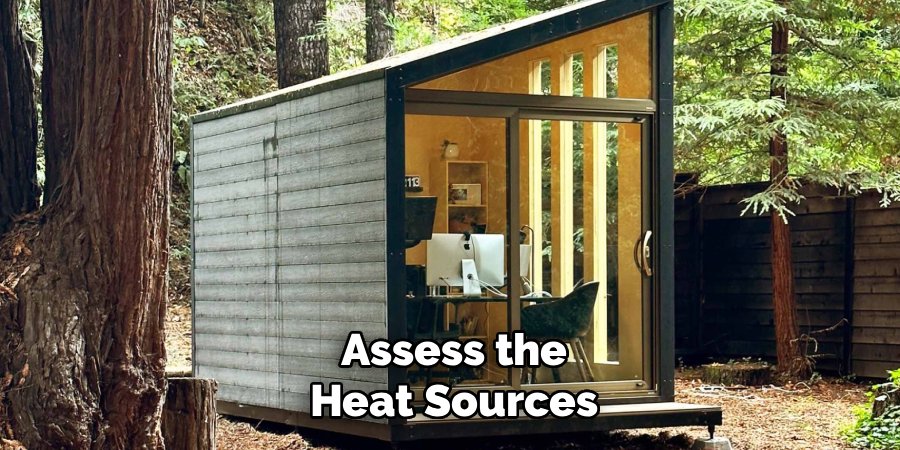
Check for sunlight streaming through windows or gaps around the door. These spots act like magnifying glasses, sending warmth straight inside. Press your hand against the metal or wood surfaces and feel where the heat concentrates.
Knowing your shed’s weak points tells you where to focus your effort. A metal shed in full sun needs different attention than a shaded wooden one. This quick assessment saves you time and helps you spend your money where it actually matters.
Step 2 – Add Roof and Wall Ventilation
Hot air rises, so giving it an escape route is one of the most effective ways to cool a shed. Install roof vents or ridge vents near the peak, where the warmest air collects.
Pair these with lower vents on the walls. This creates a natural flow — cool air enters low, warm air exits high. You’ll feel the difference within minutes once that stale, trapped air starts moving.
Gable vents on either end work well for sheds with peaked roofs. If you can, position vents to catch the prevailing breeze. Proper shed ventilation costs little but does the heavy lifting in keeping your space breathable and comfortable.
Step 3 – Insulate the Walls and Roof
Insulation slows heat from passing through your walls and roof. Reflective foil insulation works especially well because it bounces radiant heat away before it enters the shed.
Measure each surface and cut your insulation to fit snugly between the framing. Foam boards are another solid choice for flat walls. Secure everything firmly so there are no gaps for heat to sneak through.
The roof deserves the most attention since it absorbs the harshest sunlight. When you touch an insulated wall on a hot day, it should feel noticeably cooler than a bare one. This single upgrade often makes the biggest difference in reducing heat buildup over the long term.
Step 4 – Seal Gaps and Air Leaks
Small gaps let hot air pour in and undo your other efforts. Run your hand around the door frame, windows, and where the walls meet the roof to feel for warm drafts.
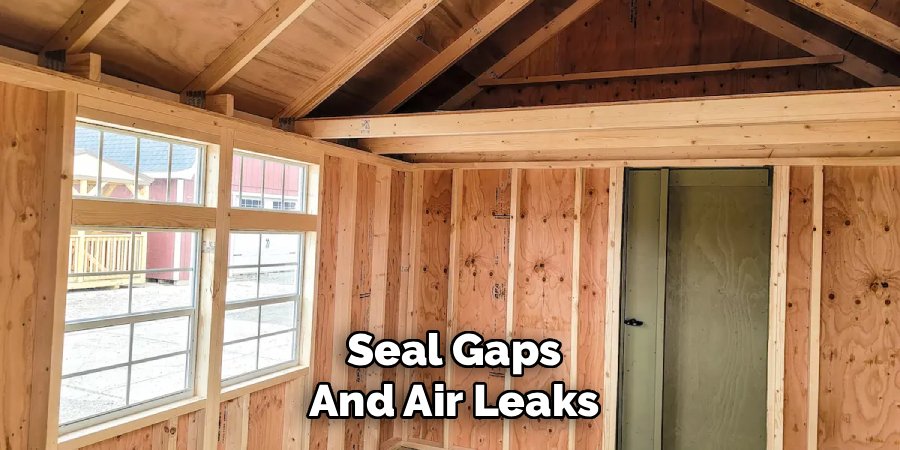
Apply caulk to fixed cracks and weatherstripping around the door. These cheap materials block the steady trickle of heat that slowly warms your shed throughout the day.
Don’t seal everything, though — you still want your vents working. The goal is to close unwanted leaks while keeping your intentional airflow intact. A well-sealed shed holds onto cooler air much longer, so your fans and ventilation work less and last longer.
Step 5 – Paint the Exterior a Light Color
Color affects temperature more than you might expect. Dark surfaces absorb sunlight and trap it as heat, while light colors reflect it away.
Repaint your shed in white, cream, or a pale shade using weather-resistant exterior paint. On a bright day, a white wall stays cool enough to touch comfortably, while a dark one can feel hot enough to sting.
This is one of the simplest cooling solutions available, and it doubles as fresh curb appeal for your backyard. If repainting the whole shed feels like too much, focus on the roof and the sun-facing wall first. Those surfaces soak up the most heat and benefit the most from a lighter coat.
Step 6 – Install Fans for Airflow
Moving air feels cooler and prevents heat from settling. A fan keeps the inside comfortable and helps your vents push warm air out faster.
Mount a small wall fan or place a portable one near the door. Solar-powered fans are a great option because they run free during the sunniest, hottest hours when you need them most.
Position the fan to pull cool air in or push hot air toward a vent. You’ll feel the breeze right away, and the constant circulation stops stuffy pockets from forming. When you’re figuring out how to keep a shed cool during long work sessions, steady airflow makes the space genuinely pleasant rather than just bearable.
Step 7 – Use Shade and Landscaping
Blocking sunlight before it hits the shed is smarter than fighting heat after it arrives. Natural and added shade can lower the surface temperature dramatically.

Plant a tree or tall shrubs on the sun-facing side, or set up a simple shade sail or awning. Even a few hours of afternoon shade keeps your walls and roof much cooler.
Climbing plants on a trellis add shade while looking attractive. If you want a faster fix, lean a piece of lattice or a reed screen against the hottest wall. Learning how to keep a shed cool often comes down to managing sunlight first — shade is free, effective, and easy to add.
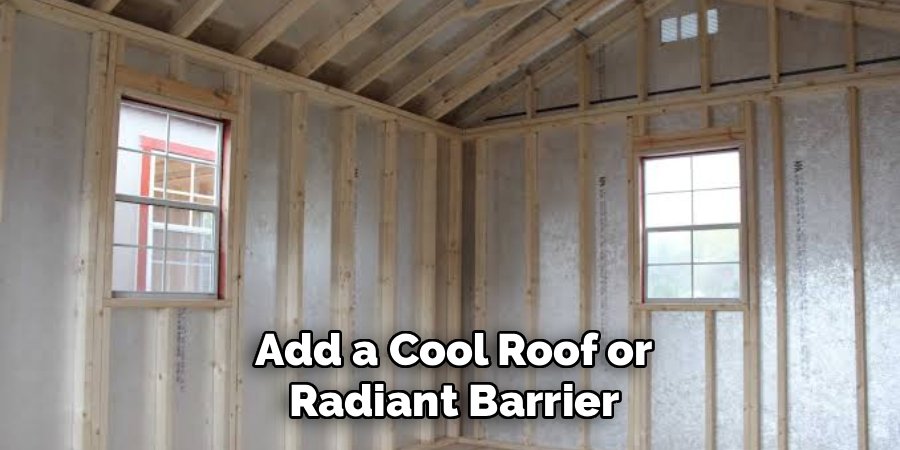
Step 8 – Add a Cool Roof or Radiant Barrier
The roof takes the worst of the sun, so treating it pays off. A radiant barrier or reflective roof coating reflects sunlight instead of absorbing it.
Brush or roll a reflective coating onto the roof surface, or staple a radiant barrier underneath the roofing inside. Both methods stop a large share of heat before it reaches your stored items.
You’ll notice the inside stays cooler well into the afternoon. Combined with good ventilation, a treated roof keeps temperatures steady even during a heat wave. This step works best alongside insulation, since the two together block heat from above and slow whatever does get through.
Common Mistakes When Cooling a Shed
A few avoidable errors keep many people from cooling their sheds effectively. The most common one is relying on a single fix. A fan alone won’t help much if hot air has no way to escape and the roof keeps absorbing sunlight. Cooling works best as a layered approach, where ventilation, insulation, and shade support each other.
Another frequent mistake is sealing the shed too tightly without adding vents. People assume blocking every gap keeps heat out, but a sealed, unventilated shed traps warm air and turns it into a sweatbox. You need both sealing and airflow working together.
Many beginners also overlook the roof entirely. Since it absorbs the most direct sunlight, ignoring it means missing your biggest opportunity to lower temperatures. A light-colored or reflective roof makes a major difference.
Finally, some people place fans incorrectly, blowing air around without directing it toward a vent. Air that just circulates inside without an exit point won’t remove heat — it only stirs it. Aim your fan to push warm air out and pull cooler air in for real temperature control.
Expert Tips
Small adjustments often deliver outsized results. Try ventilating in the early morning and evening when outside air is coolest, then closing things up during peak afternoon heat to keep that cooler air trapped inside.
Light-colored gravel or paving around the shed reflects less heat than dark surfaces or bare soil, which lowers the ground temperature near your walls. Inside, keep items off the floor and away from sun-facing walls so heat doesn’t transfer directly into them.
If your budget allows, combine a solar-powered exhaust fan with a radiant barrier. The fan runs hardest exactly when the sun is strongest, clearing hot air automatically. Track your progress with a thermometer — seeing the numbers drop confirms which changes work best for your shed.
Frequently Asked Questions
How Hot Can a Shed Get in Summer?
A shed in direct sun can reach well over 100°F (38°C) inside, often 20 to 30 degrees hotter than the outside air. Metal sheds heat up fastest because metal absorbs and radiates heat quickly. Poor ventilation and dark exterior colors make it worse. Adding vents, shade, and insulation can bring the temperature down significantly within a single afternoon.
Is Ventilation or Insulation More Important?
Both matter, but they solve different problems. Ventilation removes the hot air already trapped inside, while insulation slows new heat from entering. For most sheds, ventilation gives the quickest, most noticeable relief, so start there if you can only do one. For lasting temperature control, however, combining the two delivers far better results than either method alone.
Do Solar-Powered Fans Really Work In a Shed?
Yes, solar-powered fans work well, especially for cooling. They run hardest during the sunniest hours, which is exactly when your shed gets hottest. Because they need no wiring or electricity bill, they’re easy to install and free to run. For best results, pair a solar exhaust fan with intake vents so cool air can replace the warm air being pushed out.
What’s the Cheapest Way to Cool a Shed?
The cheapest effective option is adding shade and improving airflow. Planting shrubs, hanging a shade sail, or leaning lattice against the sunny side costs little and blocks heat before it arrives. Opening or installing simple vents lets trapped air escape. Painting the shed a light color is also inexpensive and reflects sunlight away, lowering the inside temperature over time.
Can I Cool a Metal Shed the Same Way?
Mostly yes, with extra attention to the roof and walls. Metal conducts heat quickly, so reflective insulation and a light-colored or reflective coating matter even more. Good ventilation is essential, since metal sheds heat up fast in direct sun. Adding shade outside makes a big difference too. The same layered approach works — you’ll just see the strongest gains from insulation and reflective surfaces.
Conclusion
Keeping your shed comfortable doesn’t take a big budget or special skills — just a few smart, layered changes. When you combine ventilation, insulation, shade, and a light-colored exterior, you tackle heat from every direction and keep the inside far more pleasant.
Start with the simplest steps, like adding vents and shade, then build up to insulation and a reflective roof as time and budget allow. Each upgrade supports the others, and together they make a real difference you can feel the moment you open the door.
Remember to seal unwanted gaps, place your fans to direct airflow, and keep an eye on the temperature so you know what’s working. Avoid leaning on a single fix, and don’t ignore the roof, since it absorbs the most sunlight.
Now that you know how to keep a shed cool, you can protect your tools, your stored items, and your own comfort all season long. Pick one step to start today, and enjoy a cooler, more usable shed for years to come.