
As temperatures rise, ensuring our furry family members stay safe and comfortable becomes a top priority, especially for those who spend a lot of time outdoors. Overheating is a serious risk for dogs, potentially leading to heatstroke, which can be fatal. Understanding the practical steps you can take is crucial for their well-being.
This guide will walk you through everything you need to know about how to keep outside dogs cool, from providing the right kind of shelter to offering hydrating treats. By implementing these simple yet effective strategies, you can create a safe and enjoyable summer environment for your canine companion.
Keeping Outside Dogs Cool Is Important
A dog’s primary method for cooling down is panting, which is far less efficient than human sweating. This biological limitation makes them highly susceptible to overheating, especially during hot and humid weather. When a dog’s body temperature rises to dangerous levels, they can suffer from heat exhaustion or, in severe cases, heatstroke.
Heatstroke can cause irreversible organ damage and can be fatal in as little as 15 minutes. Certain breeds, such as brachycephalic (flat-faced) dogs like Pugs and Bulldogs, are at an even higher risk due to their compromised respiratory systems. Additionally, older dogs, puppies, and dogs with underlying health conditions are more vulnerable. Taking proactive measures to keep your outdoor dog cool is not just about comfort; it is a fundamental aspect of responsible pet ownership that directly impacts their health and safety.
8 Step-by-Step Guide on How to Keep Outside Dogs Cool
Step 1: Provide Continuous Access to Shade
The most critical element in keeping an outdoor dog cool is providing constant, reliable shade. A single tree might offer relief for part of the day, but as the sun moves, that spot can become fully exposed. It is essential to ensure your dog has access to a shaded area throughout the entire day.
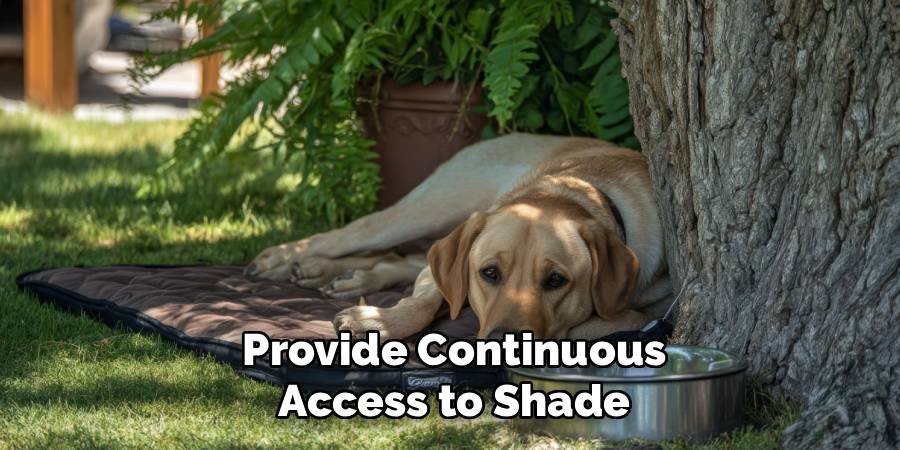
A covered porch, a dense cluster of trees, or a purpose-built doghouse works well. A well-ventilated doghouse made from wood is often better than plastic, as plastic can trap heat and become an oven. Check the shaded areas at different times to confirm they remain cool and protective.
Step 2: Ensure an Unending Supply of Fresh, Cool Water
Dehydration is a significant risk for dogs in hot weather and a primary contributor to heatstroke. Your dog must always have access to more than enough fresh, cool water. A single bowl is often insufficient, as it can be easily tipped over or become too warm in the sun. Consider using multiple large, heavy-bottomed bowls placed in shady areas to prevent spills. You can also add ice cubes to the water throughout the day to keep it refreshingly cool. For extra convenience, an automatic waterer that connects to a hose can ensure the bowl is always full.
Step 3: Set Up a Cooling Station with Water
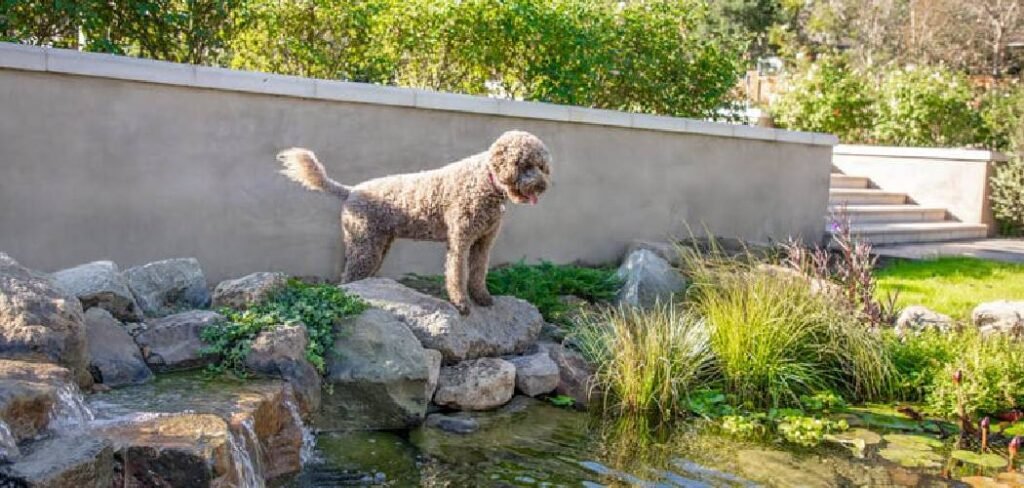
Many dogs love to play in water, which provides an excellent way for them to cool down. A simple and effective solution is to provide a kiddie pool. Choose a durable, hard plastic model that can withstand your dog’s claws. Fill it with a few inches of cool water and place it in a shaded spot. Your dog can lie, stand, or splash in the pool to lower their body temperature. If a pool isn’t an option, a sprinkler or a gentle misting system attached to a hose can also offer significant relief and some fun playtime.
Step 4: Utilize Cooling Mats and Vests
Modern technology offers fantastic products designed specifically to help dogs beat the heat. Cooling mats are a popular option; they are typically filled with a pressure-activated gel that absorbs your dog’s body heat, providing a cool surface to lie on without needing refrigeration.
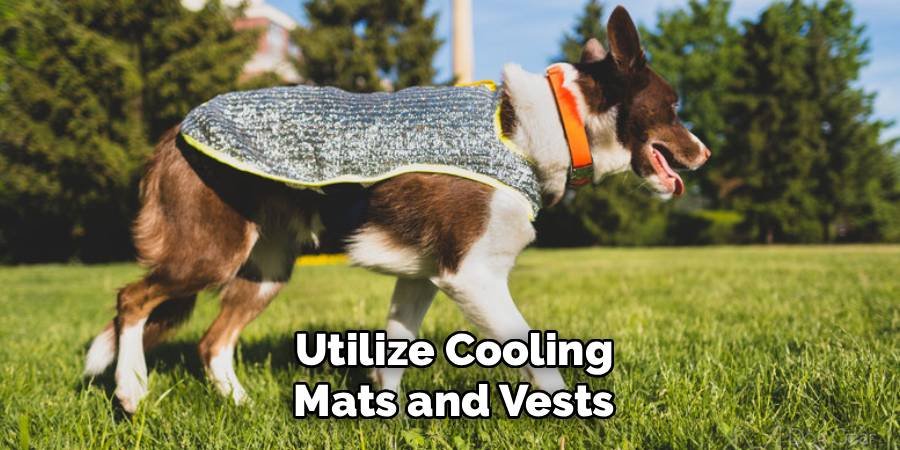
Cooling vests or bandanas work by using evaporation. You soak them in cool water, wring them out, and put them on your dog. As the water evaporates, it draws heat away from their body. These items are particularly useful for dogs who need extra help staying comfortable.
Step 5: Avoid Peak Sun Hours for Exercise
Dogs still need exercise, even when it’s hot, but timing is everything. Avoid walking or playing with your dog during the hottest parts of the day, typically from late morning to late afternoon. The sun is at its most intense during this window, and surfaces like asphalt and concrete can become hot enough to burn your dog’s paw pads. Instead, schedule walks and active playtime for the early morning or later in the evening when temperatures are much cooler and the ground has had a chance to cool down.
Step 6: Offer Frozen Treats for Hydration and Fun
A fun and tasty way to help your dog cool down is by offering frozen treats. You can freeze low-sodium chicken or beef broth in an ice cube tray for a savory snack. Another great option is to stuff a rubber chew toy, like a KONG, with wet dog food, plain yogurt, or mashed bananas and then freeze it.

This not only helps cool them from the inside out but also provides mental stimulation as they work to get the treat. You can even freeze your dog’s favorite toys in a large block of ice for a long-lasting, cooling activity.
Step 7: Groom Your Dog Appropriately for the Season
A dog’s coat provides some insulation from both cold and heat. While it might seem intuitive to shave a long-haired dog, doing so can remove their natural protection against sunburn and heat. For double-coated breeds like Huskies or Golden Retrievers, their undercoat traps air and helps regulate their temperature. Shaving them can interfere with this process. Instead, regular brushing to remove loose fur and prevent matting is key. This improves air circulation to the skin. Consult a professional groomer or your veterinarian about the best approach for your dog’s specific breed.
Step 8: Know the Signs of Overheating
One of the most important aspects of learning how to keep outside dogs cool is recognizing when they are in distress. Familiarize yourself with the signs of overheating and heatstroke. Early signs include excessive panting, drooling, and bright red gums. As the condition worsens, you might see signs of dizziness, weakness, vomiting, or diarrhea.
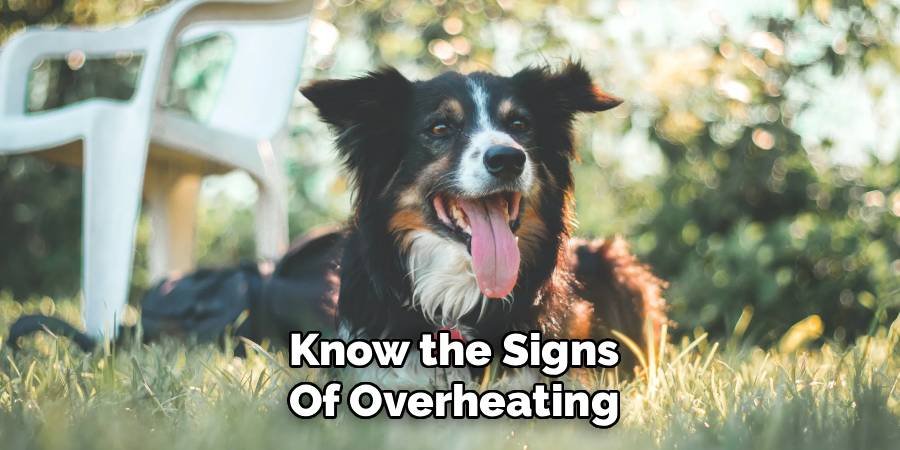
If you notice any of these symptoms, immediately move your dog to a cool, shaded area. Offer them cool (not ice-cold) water, and apply cool, wet towels to their body, especially around the neck, armpits, and groin. Contact your veterinarian right away, as heatstroke is a medical emergency.
Frequently Asked Questions
What Temperature Is Too Hot for a Dog to Be Outside?
There is no single temperature that is too hot for all dogs, as factors like breed, age, and health play a role. However, most veterinarians advise caution once the temperature rises above 80°F (27°C). For brachycephalic (flat-faced) breeds, puppies, and senior dogs, even temperatures in the mid-70s can pose a risk. High humidity can make lower temperatures feel much hotter and increase the danger.
Can I Shave My Double-Coated Dog to Keep Them Cool?
It is generally not recommended to shave double-coated dogs like German Shepherds or Huskies. Their two layers of fur work together as an insulation system that protects them from both cold and heat. The undercoat traps air, while the topcoat shields them from the sun’s rays and prevents sunburn. Shaving can disrupt this natural cooling mechanism. Instead, regular brushing to remove loose undercoat fur is the best approach to improve airflow.
How Can I Tell if My Dog Is Dehydrated?
Common signs of dehydration in dogs include loss of skin elasticity, dry or sticky gums, thick saliva, and sunken eyes. A simple test is to gently lift the skin on the back of your dog’s neck. If it snaps back into place quickly, they are likely hydrated. If it returns slowly, they may be dehydrated. Always ensure your dog has constant access to fresh, cool water to prevent this.
Are Cooling Mats Safe for Dogs?
Yes, most commercially available cooling mats are safe for dogs. They are typically filled with a non-toxic gel that activates under pressure to absorb body heat. These mats do not require electricity or refrigeration. However, it is important to supervise your dog, especially if they are a heavy chewer. If the mat is punctured and the gel leaks out, it could cause mild gastrointestinal upset if ingested, though most are non-toxic.
Should I Put Ice in My Dog’s Water?
Adding a few ice cubes to your dog’s water bowl is a great way to keep it cool and encourage them to drink more on a hot day. There is a persistent myth that ice water is dangerous for dogs, but this is untrue for healthy animals. For a dog suffering from heatstroke, however, you should offer cool—not ice-cold—water, as a drastic temperature change can cause shock.
Conclusion
Keeping your dog safe during hot weather is a vital responsibility. By taking a few proactive steps, you can transform your yard into a comfortable oasis for your furry friend. From ensuring constant shade and fresh water to providing cooling aids like kiddie pools and frozen treats, these strategies are simple to implement and highly effective. Being able to recognize the signs of overheating is just as important as prevention. Now that you have a comprehensive understanding of how to keep outside dogs cool, you can confidently help your companion enjoy the summer season safely and happily.

About
Jovie Mathews is a backyard and outdoor expert writer with over 12 years of hands-on experience transforming neglected outdoor spaces into thriving gardens and functional retreats. Raised in a family where weekends meant digging in the soil and building raised beds from scratch, Jovie developed a genuine love for the outdoors long before it became a career.
She writes with a practical, no-fluff approach — always testing ideas in her own backyard before sharing them with readers. From composting systems and native plant selection to patio design and pest control, Jovie covers the full spectrum of backyard life with equal parts expertise and enthusiasm.
Education
B.Sc. in Horticulture Science
University of Florida (UF) · Gainesville, FL · 2014
IFAS College of Agricultural and Life Sciences
Minor in Environmental Studies
University of Florida (UF) · Gainesville, FL · 2014
College of Liberal Arts and Sciences
Areas of expertise
- Lawn & Garden Care
- Soil prep, planting, seasonal care
- Outdoor DIY Projects
- Raised beds, fencing, pathways
- Composting & Soil Health
- Organic methods, amendments
- Native Plants & Wildlife
- Pollinators, habitat gardening
When she is not writing, Jovie can be found testing new composting techniques, growing tomatoes in questionable quantities, or convincing her neighbors that clover lawns are actually a great idea. She currently gardens in the Pacific Northwest.