

As the temperatures drop and frost begins to settle on the grass, many homeowners retreat indoors, abandoning their favorite outdoor spaces until spring. However, your deck or terrace doesn’t have to go into hibernation just because the seasons have changed.
With a few strategic additions and thoughtful design choices, you can create a cozy outdoor haven that defies the chill. Whether you want to enjoy a morning coffee in the fresh air or host a festive evening gathering, learning how to keep patio warm in winter is the key to extending your outdoor living season.
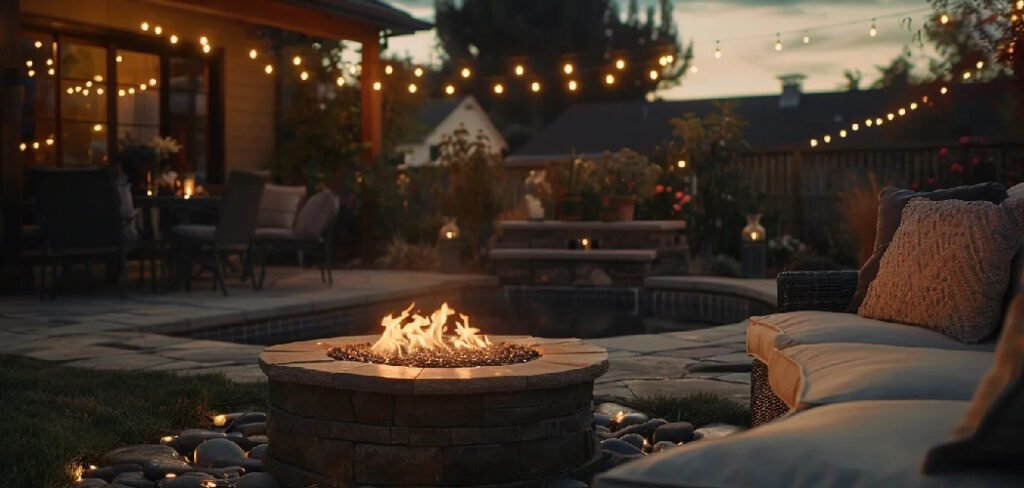
This guide provides a comprehensive approach to heating and insulating your space effectively. We will explore practical steps that range from selecting the right heat sources to blocking cold winds, ensuring you can stay comfortable outdoors all year round.
Why Winterizing Your Patio Is Worth It
Investing time and effort into warming up your patio transforms it from a seasonal luxury into a year-round asset. In many homes, the patio is a significant portion of the available living space, yet it often sits unused for months.
By making it comfortable during the colder seasons, you effectively add square footage to your home for entertaining and relaxing.
Furthermore, spending time outdoors has proven benefits for mental health, helping to combat the “winter blues” caused by lack of sunlight and fresh air. A warm, inviting patio encourages you to step outside, breathe deeply, and reconnect with nature even when the weather is brisk.
It creates a unique atmosphere for social gatherings—there is something undeniably magical about gathering around a fire or under a heater while snow falls softly around you. Properly winterizing your space protects your outdoor furniture and plants, too, creating a microclimate that is gentler on everything within it.
7 Step-by-Step Guide: How to Keep Patio Warm in Winter
Step 1: Install a Dedicated Heat Source
The most immediate and effective way to combat the cold is by introducing an active heat source. Portable propane heaters are a popular choice because they are powerful and easy to move around.
Alternatively, an electric infrared heater mounted on the wall or ceiling directs warmth specifically onto people rather than heating the air, which is more efficient in breezy conditions. Fire pits, whether wood-burning or gas, add both warmth and ambiance, becoming a natural focal point.
When deciding how to keep patio warm in winter, prioritize a heater that suits your space’s size and ventilation requirements for safety.
Step 2: Block the Wind with Curtains or Screens
Even the best heater will struggle if icy winds are constantly sweeping through your seating area. Creating a windbreak is essential for retaining heat. You can install heavy-duty outdoor curtains made from weather-resistant fabric like canvas or olefen. These can be drawn closed on blustery days to trap warm air inside.
Privacy screens, lattice panels with climbing ivy, or even strategically placed tall potted evergreens can also serve as effective wind barriers. By reducing the wind chill factor, you significantly lower the amount of energy needed to keep the space comfortable for you and your guests.
Step 3: Add Plush Textiles and Blankets
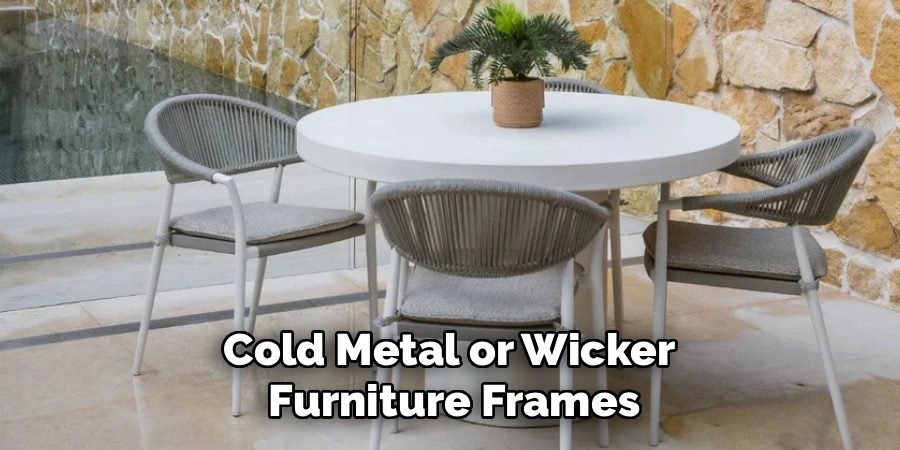
Layering your furniture with warm textiles adds physical insulation and visual warmth to your patio. Swap out lightweight summer cushions for thicker, denser foam options that provide a barrier against cold metal or wicker furniture frames.
Drape heavy wool, fleece, or faux fur blankets over the backs of chairs so they are readily available for guests to wrap up in. Consider adding an outdoor rug to the floor; cold stone or concrete sucks heat away from your feet, making you feel colder overall. A thick rug acts as insulation, keeping toes toasty and adding to the cozy aesthetic.
Step 4: Incorporate Heated Furniture
For a luxurious and highly effective heating solution, consider investing in heated outdoor furniture. Technology has advanced to include chairs and loveseats with built-in heating elements within the seat and back cushions, similar to heated car seats.
These plug directly into a standard outlet and provide direct warmth to the body, which is often more efficient than trying to heat the surrounding open air. If new furniture isn’t in the budget, heated seat pads are a fantastic alternative.
These portable pads can be placed on your existing chairs to provide that critical contact heat that keeps you comfortable for hours.
Step 5: Enclose the Space with Vinyl
If you are serious about maximum heat retention, temporarily enclosing your patio is a game-changer. Clear vinyl enclosures or “winter curtains” can be custom-fitted to your porch or pergola structure. These transparent walls allow sunlight to enter, creating a greenhouse effect during the day while blocking wind and precipitation completely.

Unlike permanent glass sunrooms, these soft enclosures can be rolled up or removed entirely when warmer weather returns. This method effectively turns your open-air patio into a three-season room, making the task of figuring out how to keep patio warm in winter much easier and more energy-efficient.
Step 6: Optimize Lighting for Warmth
While lighting doesn’t produce significant physical heat (unless you use incandescent bulbs), the psychological effect of warm lighting is powerful. Harsh, blue-toned LED lights can make a space feel colder and more sterile. Instead, opt for soft, amber-colored string lights, lanterns, or LED candles to create a “warm” visual atmosphere.
The glow mimics the feeling of firelight and makes the cold feel less biting. Solar-powered path lights or lanterns placed around the perimeter can also help define the cozy zone. This visual warmth complements your physical heat sources, making the mind perceive the environment as more inviting.
Step 7: Use Thermal Mass to Retain Heat
Thermal mass refers to materials that absorb heat during the day and release it slowly at night. You can use this principle to your advantage on a patio. Stone walls, brick pavers, or concrete floors all have high thermal mass. If your patio gets sunlight during the day, ensure these surfaces are exposed to absorb those rays.
You can also add black or dark-colored stones around a fire pit or heater; they will absorb the heat generated and radiate it back out even after the fire has died down. This passive heating technique helps stabilize the temperature in your seating area.
Maintenance Tips for Heaters
To keep your heaters functioning efficiently and safely, regular maintenance is crucial. Begin by cleaning the exterior surfaces to remove dirt, dust, and debris that can accumulate over time.
For gas heaters, inspect the burner assembly and clean it to ensure proper fuel combustion, and always check for gas leaks in the hoses and connections. Electric heaters should have their cords and plugs inspected for wear or damage and be kept away from wet environments to prevent electrical hazards.
If your heater uses a filter, such as in some patio heaters, replace or clean the filter as per the manufacturer’s guidelines. Additionally, ensure the heater is stored in a dry, protected space when not in use, and cover it with a weatherproof cover to prolong its lifespan.
Regularly following these maintenance steps will help extend the life of your heater and guarantee it performs effectively season after season.
Frequently Asked Questions (FAQ)
What Is The Most Cost-Effective Way To Heat A Patio?
Electric infrared heaters are generally the most cost-effective option for running costs. Unlike propane, which requires refilling tanks, electricity is cheaper and more efficient because infrared heat warms objects directly rather than the air.
Additionally, using blankets and windbreaks costs nothing to operate and significantly improves comfort levels.
Can I Use An Indoor Space Heater Outside?
No, you should never use a standard indoor space heater outdoors. Indoor heaters are not built to withstand moisture, dust, or outdoor elements, posing a serious risk of electrical shock or fire. Always look for heaters specifically rated for outdoor use, which have weather-resistant casings and safety features.
Do Outdoor Rugs Really Help With Warmth?
Yes, outdoor rugs provide a crucial layer of insulation between your feet and the cold ground. Concrete, stone, and wood decking can become freezing cold in winter, drawing heat away from your body. A thick, weather-resistant rug creates a thermal barrier that makes the entire space feel significantly warmer.
Is It Safe To Use A Fire Pit On A Covered Patio?
Using a wood-burning fire pit under a covered patio is generally unsafe due to smoke and fire hazards. However, many gas fire pits are safe for covered use if there is adequate ceiling height and ventilation. Always check the manufacturer’s clearance requirements and local fire codes before installation.
How Do I Protect My Outdoor Heater When Not In Use?
To extend the lifespan of your outdoor heater, cover it with a waterproof, heavy-duty cover when it is not in use. If possible, store portable heaters in a garage or shed during extreme weather events. For gas heaters, ensure the propane tank is turned off and disconnected if storing long-term.
Conclusion
Creating a winter-ready outdoor space allows you to enjoy fresh air and nature without sacrificing comfort. By layering heat sources, blocking biting winds, and adding cozy textiles, you can transform a freezing deck into a warm retreat. From installing efficient infrared heaters to simply adding thick rugs and blankets, every layer of insulation helps.
Now that you understand how to keep patio warm in winter, you can confidently host holiday gatherings or enjoy quiet evenings under the stars. Don’t let the cold weather drive you inside; with the right preparation, your patio can be a cozy destination all year long.

About
Jovie Mathews is a backyard and outdoor expert writer with over 12 years of hands-on experience transforming neglected outdoor spaces into thriving gardens and functional retreats. Raised in a family where weekends meant digging in the soil and building raised beds from scratch, Jovie developed a genuine love for the outdoors long before it became a career.
She writes with a practical, no-fluff approach — always testing ideas in her own backyard before sharing them with readers. From composting systems and native plant selection to patio design and pest control, Jovie covers the full spectrum of backyard life with equal parts expertise and enthusiasm.
Education
B.Sc. in Horticulture Science
University of Florida (UF) · Gainesville, FL · 2014
IFAS College of Agricultural and Life Sciences
Minor in Environmental Studies
University of Florida (UF) · Gainesville, FL · 2014
College of Liberal Arts and Sciences
Areas of expertise
- Lawn & Garden Care
- Soil prep, planting, seasonal care
- Outdoor DIY Projects
- Raised beds, fencing, pathways
- Composting & Soil Health
- Organic methods, amendments
- Native Plants & Wildlife
- Pollinators, habitat gardening
When she is not writing, Jovie can be found testing new composting techniques, growing tomatoes in questionable quantities, or convincing her neighbors that clover lawns are actually a great idea. She currently gardens in the Pacific Northwest.