
A lush, green yard should be a welcoming space for bare feet, playing children, and happy pets. This idyllic scene can be quickly ruined by the painful discovery of sharp thorns and prickly weeds hidden in the grass.
These unwelcome invaders, from aggressive thistles to thorny vines, can turn a relaxing afternoon into a series of painful pricks and scratches. Not only are they a nuisance, but they can also choke out desirable grasses and plants, making your lawn look unkempt.

Taking control of the situation requires more than just mowing over the problem; it demands a strategic approach to ensure the thorny pests are gone for good. This guide will provide clear, beginner-friendly instructions on how to get rid of thorns in your yard, helping you reclaim your outdoor space and make it safe and enjoyable for everyone.
Thorns in your yard can quickly turn your outdoor haven into a frustrating and potentially hazardous area. Whether they arise from weeds, overgrown shrubs, or invasive plants, these prickly intrusions require proper attention to resolve.
By tackling the issue with the right methods and tools, you can restore your yard’s beauty and functionality, creating a more inviting and safer space for relaxation, play, or gardening.
How to Get Rid of Thorns in Your Yard: A Step-by-Step Guide
Step 1: Gear Up with Proper Protective Equipment
Before you wage war on the thorny invaders in your yard, your first priority must be personal safety. Thorns, prickles, and spines are nature’s defense mechanisms, and they can cause painful puncture wounds that may lead to infection. Equip yourself with a pair of thick, heavy-duty gardening gloves made from leather or a puncture-resistant synthetic material.

Standard cloth gloves will not provide adequate protection. It is also wise to wear long sleeves, sturdy pants, and closed-toe shoes or boots to protect your arms and legs from stray branches and sharp ground cover. Safety goggles are also recommended, as whipping branches can easily injure an eye. This protective armor allows you to work confidently without fear of injury.
Step 2: Identify the Source of the Thorns
To effectively solve your thorn problem, you must first identify what kind of plant you are dealing with. Are the thorns coming from a specific type of weed, like a thistle or a sandbur? Or are they from an overgrown vine, such as wild blackberry or smilax? Perhaps they are from a woody shrub like a barberry or a wild rose.
Each type of plant has a different root system and growth habit, which will dictate your removal strategy. Taking a moment to observe the plant’s leaves, stems, and overall structure will help you choose the most effective tools and methods for eradication. A quick online search with a picture of the plant can often provide a positive identification.
Step 3: Manual Removal of Plants
For many thorny weeds and smaller shrubs, manual removal is the most effective and environmentally friendly method. The best time to do this is after a rainfall when the soil is soft and moist, making it easier to pull up the entire root system. For deep-rooted plants, use a garden fork or a specialized weeding tool like a dandelion puller to loosen the soil around the base of the plant.

Grasp the plant firmly at its base and pull steadily upwards. The goal is to remove the taproot completely, as leaving any part of it behind can allow the plant to regrow. This hands-on approach is a fundamental part of learning how to get rid of thorns in your yard.
Step 4: Use a Scuffle Hoe for Surface Weeds
If your yard is plagued by young, shallow-rooted thorny weeds, a scuffle hoe (also known as a stirrup hoe or loop hoe) can be an incredibly efficient tool. Unlike a traditional hoe that requires a chopping motion, a scuffle hoe is designed to be pushed and pulled just below the soil surface. This action slices the weeds off from their roots with minimal effort.
It is an excellent way to clear large, infested patches quickly without disturbing the soil too deeply. This method is most effective on young annual weeds before they have a chance to develop deep taproots or go to seed. Regular use of a scuffle hoe can keep new thorny growth under control.
Step 5: Consider a Targeted Herbicide Application
For widespread infestations or stubborn perennial plants that keep coming back, a targeted application of herbicide may be necessary. It is crucial to choose the right product for your specific weed and to apply it carefully to avoid harming your lawn or other desirable plants. A selective herbicide will target broadleaf weeds without killing the surrounding grass.
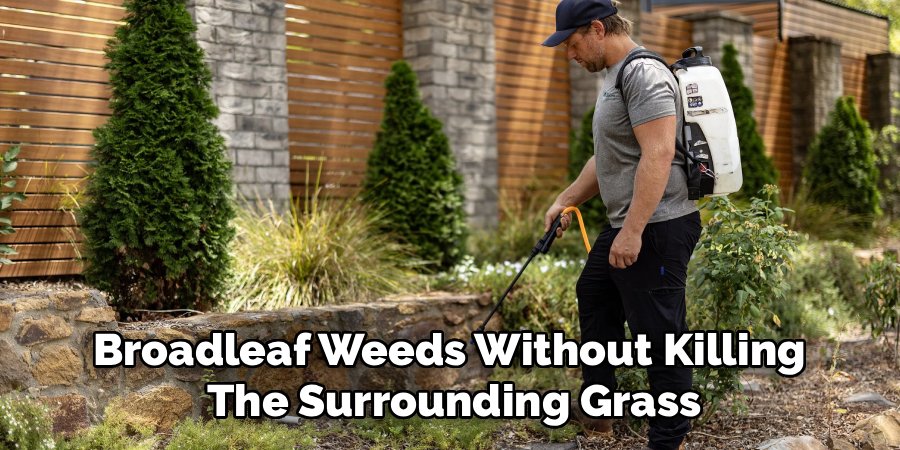
For woody vines and shrubs, you may need a more potent brush killer. Apply the herbicide directly to the leaves of the plant on a calm, dry day. To protect nearby plants, you can use a piece of cardboard as a shield while you spray. Always read and follow the manufacturer’s instructions for application rates and safety precautions.
Step 6: Dispose of Thorny Debris Correctly
Once you have pulled or cut down the thorny plants, you must dispose of the debris carefully. Do not simply leave it in a pile in your yard, as many thorny weeds can re-root from a stem fragment or spread their seeds. Furthermore, a pile of thorny branches is a significant hazard.
The best method of disposal is to place all the debris into heavy-duty yard waste bags or a designated bin for municipal pickup. Do not add thorny plants to your personal compost pile unless you are certain they have not gone to seed and can be hot-composted to kill the roots, as you risk reintroducing the problem back into your garden later.
Step 7: Improve Your Lawn’s Health
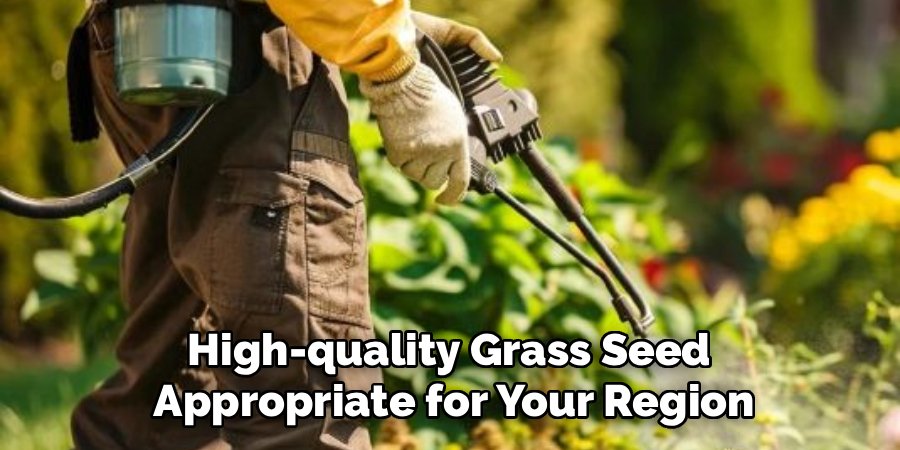
The final step in your battle against thorns is prevention. Thorny weeds are opportunistic and thrive in bare, compacted, or unhealthy lawns. A thick, vibrant turf is the best natural defense against them. After removing the weeds, improve your lawn’s health by aerating the soil to reduce compaction. Overseed bare patches with a high-quality grass seed appropriate for your region.
Water your lawn deeply but infrequently to encourage deep root growth. A regular fertilizing schedule will provide the nutrients your grass needs to grow thick and crowd out any potential weed invaders. A healthy lawn is a resilient lawn that leaves no room for thorns to take hold.
Frequently Asked Questions (FAQ)
What Is the Best Tool for Pulling Thorny Weeds?
The best tool depends on the weed’s root system.
- Shallow Roots: For young weeds, a standard garden hoe or a scuffle hoe works well to clear large areas quickly.
- Deep Taproots: For weeds like thistles, a specialized tool called a dandelion puller or a garden fork is invaluable. These tools allow you to get deep under the plant and leverage the entire root out of the ground without breaking it.
Will Vinegar Kill Thorny Plants?
Household vinegar is a mild acetic acid and can burn the top growth of young, annual weeds. However, it is a non-selective contact killer, meaning it will also damage any grass or plants it touches. It is generally not strong enough to kill the deep roots of established perennial thorns like thistles or blackberry bushes. For a temporary, spot-treatment on a patio, it can work, but it is not a long-term solution for a lawn infestation.
How Do I Get Rid of Tiny Thorns or Stickers in the Grass?
The tiny thorns often found in grass are usually from weeds like sandburs or puncturevine.
- Manual Removal: Rake the area thoroughly with a metal rake to gather as many of the burs as possible.
- Lawn Health: The best long-term solution is to promote a thick, healthy lawn that can choke out these weeds.
- Pre-Emergent Herbicides: Applying a pre-emergent herbicide in the spring can prevent the weed seeds from germinating in the first place.
Should I Burn the Thorny Plants I Remove?
Burning is generally not a recommended method of disposal. Many municipalities have regulations against open burning. Furthermore, some thorny plants, like poison ivy which can grow with blackberries, can release toxic oils into the smoke, creating a severe respiratory hazard. The safest and most reliable method of disposal is to bag the debris securely for your local yard waste collection service.
How Can I Prevent Thorns from Coming Back?
Prevention is the key to long-term success.
- Thick Lawn: The single best defense is a dense, healthy lawn. Overseed bare spots and fertilize regularly.
- Mulch: In garden beds, apply a thick layer of mulch (3-4 inches) to smother weeds and prevent their seeds from sprouting.
- Pre-Emergent: Use a pre-emergent herbicide in early spring to stop weed seeds from germinating.
Conclusion
A yard filled with sharp thorns is more of a hazard than a haven. Fortunately, with a bit of knowledge and the right strategy, you can win the battle and restore safety to your outdoor space. The process hinges on a combination of diligent removal and proactive prevention.
By arming yourself with the proper safety gear, correctly identifying your prickly opponents, and using a combination of manual and chemical controls, you can effectively clear the existing problem. More importantly, by focusing on building a thick, healthy lawn, you create an environment where thorny weeds simply cannot compete. Now that you have a clear plan for how to get rid of thorns in your yard, you are ready to put on your gloves and take the first step toward a lusher, safer, and more enjoyable lawn.

About
Jovie Mathews is a backyard and outdoor expert writer with over 12 years of hands-on experience transforming neglected outdoor spaces into thriving gardens and functional retreats. Raised in a family where weekends meant digging in the soil and building raised beds from scratch, Jovie developed a genuine love for the outdoors long before it became a career.
She writes with a practical, no-fluff approach — always testing ideas in her own backyard before sharing them with readers. From composting systems and native plant selection to patio design and pest control, Jovie covers the full spectrum of backyard life with equal parts expertise and enthusiasm.
Education
B.Sc. in Horticulture Science
University of Florida (UF) · Gainesville, FL · 2014
IFAS College of Agricultural and Life Sciences
Minor in Environmental Studies
University of Florida (UF) · Gainesville, FL · 2014
College of Liberal Arts and Sciences
Areas of expertise
- Lawn & Garden Care
- Soil prep, planting, seasonal care
- Outdoor DIY Projects
- Raised beds, fencing, pathways
- Composting & Soil Health
- Organic methods, amendments
- Native Plants & Wildlife
- Pollinators, habitat gardening
When she is not writing, Jovie can be found testing new composting techniques, growing tomatoes in questionable quantities, or convincing her neighbors that clover lawns are actually a great idea. She currently gardens in the Pacific Northwest.