
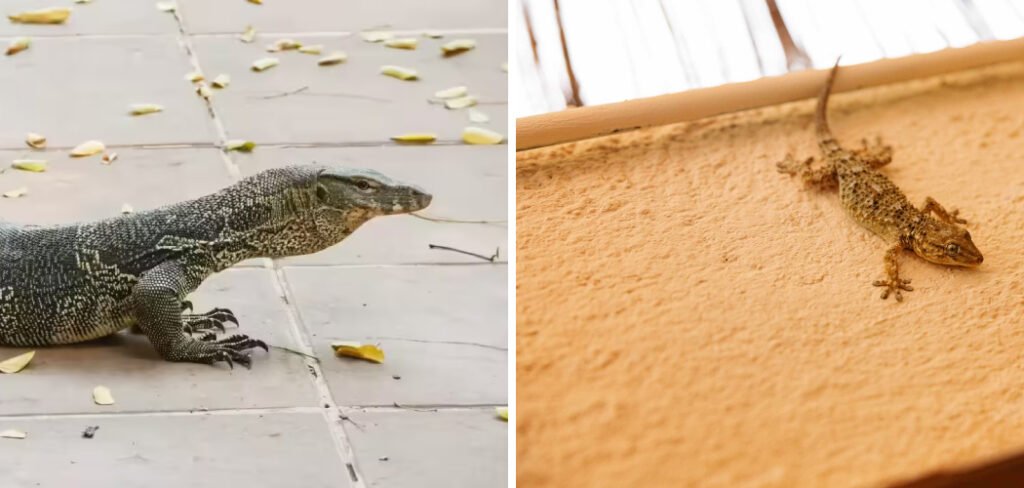
Spotting a lizard sunning itself on a rock might seem charming to some, but for many homeowners, these skittering reptiles are unwelcome guests. While most common garden lizards are harmless and even beneficial because they eat pesky insects, having an overpopulation can feel unsettling. You might worry about them entering your home, startling your pets, or simply creating a nuisance on your patio. If you find yourself avoiding your garden because of these four-legged visitors, it is time to take action.
The good news is that you do not need harsh chemicals or exterminators to encourage them to leave. By altering the environment and using simple, humane deterrents, you can make your property less attractive to them. This guide is designed to provide you with practical, effective strategies on how to get rid of lizards in the backyard, helping you reclaim your outdoor sanctuary and enjoy your garden with peace of mind.
Why Should You Get Rid of Lizards in Your Backyard?
While lizards are generally harmless and play a beneficial role in controlling insect populations, there are several reasons why you might want to deter them from your backyard. For one, their frequent presence can be unsettling for some people, especially if they are squeamish around reptiles. Lizards can also leave droppings on outdoor furniture, walls, or plants, which can be unsightly and require frequent cleaning.
Additionally, their presence might interfere with the aesthetic appeal of your garden if you are aiming for a specific ambiance or design. Lastly, for those with small pets or children, ensuring the backyard is free of unexpected visitors like lizards can provide added peace of mind. By understanding these reasons, you can make an informed decision about creating a more comfortable and lizard-free environment.
7 Steps Guide on How to Get Rid of Lizards in the Backyard
Step 1: Cut Off the Food Supply
The primary reason lizards congregate in any area is the abundance of food. These reptiles are insectivores, meaning they feast on beetles, ants, spiders, mosquitoes, and flies. If your yard is a buffet of bugs, lizards will inevitably set up camp. To discourage them, you must first address the insect population. Start by changing your outdoor lighting; bright white lights attract flying insects, which in turn attract hungry lizards.

Switch to yellow sodium vapor lights or motion-sensor lights that stay off when not needed. Additionally, address any standing water or rotting compost that might be breeding pests. By significantly reducing the number of insects buzzing around your property, you force the lizards to migrate elsewhere to find their next meal.
Step 2: Eliminate Standing Water Sources
Just like any other living creature, lizards require water to survive. In hot climates or during dry spells, your garden might be the only oasis for miles, attracting thirsty reptiles to your property. Take a walk around your yard and inspect it for any sources of accessible water. This could include leaky garden hoses, dripping outdoor faucets, birdbaths, or even pet water bowls left outside.
Repair any leaks immediately and try to keep pet bowls indoors or empty them when not in use. If you have a birdbath, consider emptying it for a few weeks to break the cycle of attraction. By drying up their hydration stations, you make your yard a much less hospitable environment for them to thrive.
Step 3: Clear Away Clutter and Debris
Lizards are prey animals, which means they are constantly on the lookout for safe places to hide from predators like birds and cats. A cluttered yard filled with piles of wood, unused bricks, overturned pots, or dense brush offers endless hiding spots. To drive them away, you need to remove these safe havens. Spend a weekend decluttering your outdoor space.
Stack firewood neatly and keep it off the ground if possible. Remove piles of dry leaves, cleared weeds, and other garden waste immediately rather than letting them sit. Organizing your storage areas and keeping the ground clear makes the lizards feel exposed and vulnerable. Without secure places to dart into, they will not feel safe enough to stay in your territory.
Step 4: Use Eggshells as a Visual Deterrent
One of the oldest and most popular home remedies for deterring lizards involves using empty eggshells. The theory is that lizards associate the smell and sight of eggshells with the presence of larger predators, specifically birds that would prey on them. Save your eggshells from breakfast, wipe them dry, and scatter them around the areas where you spot lizards most frequently.
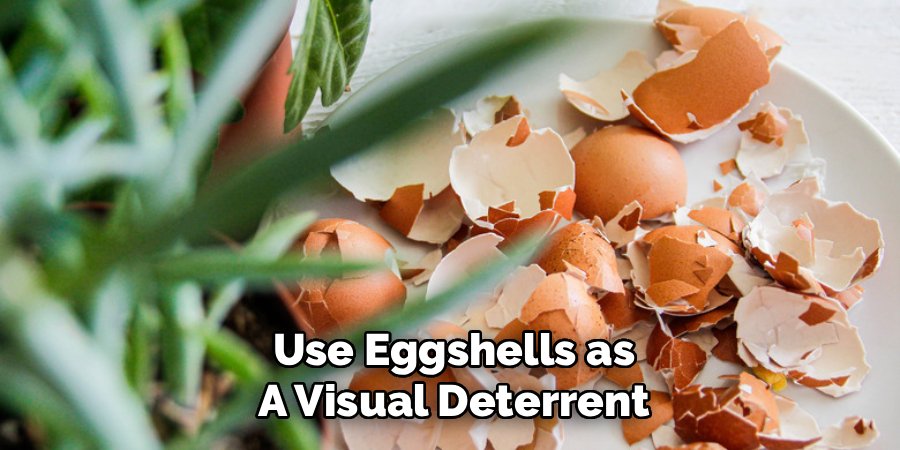
You do not need to crush them into tiny powder; keeping them in larger, recognizable halves is often more effective. Replace the shells every few days to keep the scent fresh. While this method is anecdotal, many gardeners swear by its effectiveness as a simple, cost-free, and humane way to spook reptiles out of their garden beds.
Step 5: Apply DIY Spicy Pepper Sprays
Lizards have sensitive skin and senses, making them averse to strong, spicy substances. You can create a potent, non-toxic repellent right in your kitchen using hot sauce or chili powder. Mix a generous amount of hot sauce, cayenne pepper, or red chili flakes with water and a few drops of dish soap (to help the mixture stick).
Pour this concoction into a spray bottle and mist it around the perimeter of your patio, along fences, and near the foundation of your house. When lizards walk across treated surfaces, the spicy residue irritates their skin and feet, encouraging them to turn back. Reapply this spray after heavy rain or watering to ensure the barrier remains effective for how to get rid of lizards in the backyard.
Step 6: Maintain Your Landscaping Diligently
Overgrown vegetation is a lizard’s best friend. Tall grass, thick shrubs, and dense vines provide excellent cover for both lizards and the insects they eat. Keeping your landscaping manicured is a crucial step in population control. Mow your lawn regularly to keep the grass short, which eliminates hiding spots on the ground level.
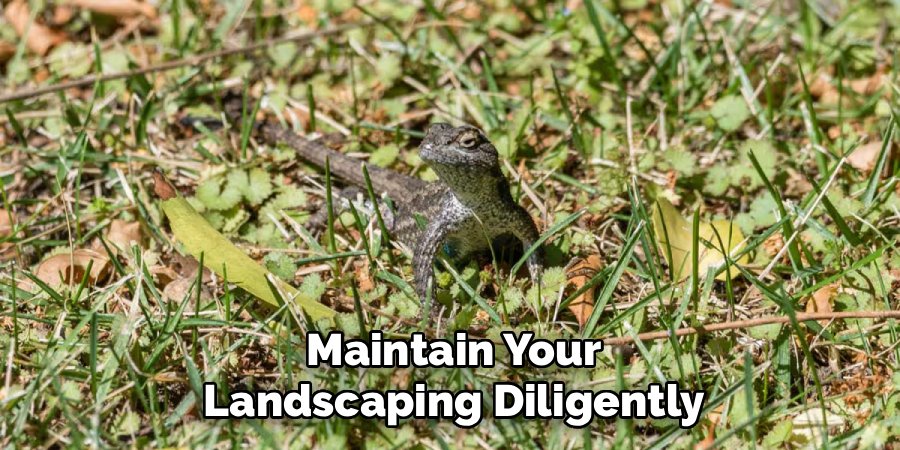
Trim back bushes and shrubs, especially those close to the house, to create a gap between the foliage and the ground. This separation removes the “ladder” lizards use to climb walls and windows. By keeping your garden tidy and open, you reduce the humidity and shade that lizards love, making the environment too dry and exposed for their comfort.
Step 7: Deploy Peacock Feathers
Similar to the eggshell method, using peacock feathers exploits the lizard’s natural fear of predators. The large “eye” pattern on a peacock feather is intimidating to small reptiles, as it resembles the eyes of large birds that hunt them. You can purchase these feathers at craft stores or online.
Place them strategically around your garden, sticking them into the soil or attaching them to fences where lizards are active. The movement of the feathers in the wind adds to the realism, making the threat seem alive. This is a harmless psychological trick that uses their survival instincts against them. It is an excellent option for those who want to avoid spraying any substances in their garden.
Seal Entry Points to Your Home
While your main goal is clearing the yard, you must also ensure they do not retreat into your house as you make the outdoors uncomfortable. Inspect the exterior of your home for cracks in the foundation, gaps around windows and doors, and holes near utility pipes. Lizards can squeeze through impossibly small openings. Use silicone caulk, expanding foam, or weather stripping to seal these potential entryways.

Install mesh screens over vents and ensure your window screens are free of tears. By fortifying your home’s perimeter, you prevent the backyard lizards from becoming indoor houseguests, forcing them to move off your property entirely in search of new shelter.
Benefits of Lizard Presence
While lizards may not be welcome indoors, their presence outdoors can provide numerous benefits to your property and the surrounding environment. Lizards are natural pest controllers, feeding on common insects like mosquitoes, flies, and ants, which helps reduce the need for chemical pesticides.
They play a crucial role in maintaining the balance of the ecosystem by keeping insect populations in check. Additionally, some species of lizards can act as indicators of environmental health, as they are sensitive to pollution and habitat changes. Their presence in your garden is a sign of a thriving, balanced ecosystem and can even contribute to pollination and seed dispersal in certain cases. Rather than viewing lizards solely as pests, it’s valuable to recognize the important roles they play in maintaining a healthy environment.
Frequently Asked Questions (FAQ)
Are Garden Lizards Dangerous to Humans or Pets?
Generally, the common garden lizards you find in backyards, such as geckos or anoles, are completely harmless.
- They do not have venom and rarely bite unless provoked.
- They pose very little threat to cats or dogs, though ingesting them can sometimes cause stomach upset in pets.
- The only venomous lizards (like Gila monsters) are rare and located in specific desert regions.
- For the most part, they are docile creatures that prefer to run away rather than fight.
What Scents Do Lizards Hate the Most?
Lizards have a keen sense of smell and are repelled by strong, pungent odors.
- Garlic and Onion: The sulfurous smell is very off-putting to them.
- Spicy Peppers: Cayenne and chili powder irritate their senses.
- Menthol and Eucalyptus: Strong medicinal smells can deter them.
- Naphthalene (Mothballs): While effective, use these with extreme caution as they are toxic to pets and children.
Will Getting a Cat Help Reduce the Lizard Population?
Yes, owning a cat can be a very effective way to control lizard numbers. Cats are natural hunters and will instinctively chase and catch lizards. Even the presence of a predator can be enough to scare lizards away. However, be aware that cats may bring their “trophies” inside the house, and outdoor cats can also negatively impact local bird populations.
How Do I Catch a Lizard to Move It?
If you need to relocate a stubborn lizard, do not grab it by the tail, as it will likely detach.
- Spray the lizard with cold water to slow it down.
- Gently place a box or container over it.
- Slide a piece of stiff cardboard underneath the opening to trap it.
- Release the lizard in a wooded area far away from your home.
Why Do I Have So Many Lizards in My Yard?
An abundance of lizards is almost always a sign of a healthy ecosystem that is rich in food and shelter.
- Insect Overpopulation: Your yard likely has a lot of bugs for them to eat.
- Dense Vegetation: You have plenty of hiding spots and moisture.
- Water Access: There is a consistent source of water nearby.
- Warmth: Rocks and concrete retain heat, which cold-blooded reptiles love.
Conclusion
Reclaiming your backyard from an army of reptiles does not require expensive exterminators or harmful poisons. It is simply a matter of making your property less inviting to them. By systematically removing their food source (bugs), water, and shelter, you force them to move on to greener pastures. Combining these environmental changes with natural deterrents like spicy sprays, eggshells, or peacock feathers creates a multi-layered defense strategy.
Patience is key; it may take a few weeks for the population to dwindle as they realize your garden is no longer a safe haven. Now that you are equipped with the knowledge of how to get rid of lizards in the backyard, you can confidently take these steps to create a cleaner, more comfortable outdoor space for you and your family to enjoy.

About
Jovie Mathews is a backyard and outdoor expert writer with over 12 years of hands-on experience transforming neglected outdoor spaces into thriving gardens and functional retreats. Raised in a family where weekends meant digging in the soil and building raised beds from scratch, Jovie developed a genuine love for the outdoors long before it became a career.
She writes with a practical, no-fluff approach — always testing ideas in her own backyard before sharing them with readers. From composting systems and native plant selection to patio design and pest control, Jovie covers the full spectrum of backyard life with equal parts expertise and enthusiasm.
Education
B.Sc. in Horticulture Science
University of Florida (UF) · Gainesville, FL · 2014
IFAS College of Agricultural and Life Sciences
Minor in Environmental Studies
University of Florida (UF) · Gainesville, FL · 2014
College of Liberal Arts and Sciences
Areas of expertise
- Lawn & Garden Care
- Soil prep, planting, seasonal care
- Outdoor DIY Projects
- Raised beds, fencing, pathways
- Composting & Soil Health
- Organic methods, amendments
- Native Plants & Wildlife
- Pollinators, habitat gardening
When she is not writing, Jovie can be found testing new composting techniques, growing tomatoes in questionable quantities, or convincing her neighbors that clover lawns are actually a great idea. She currently gardens in the Pacific Northwest.