
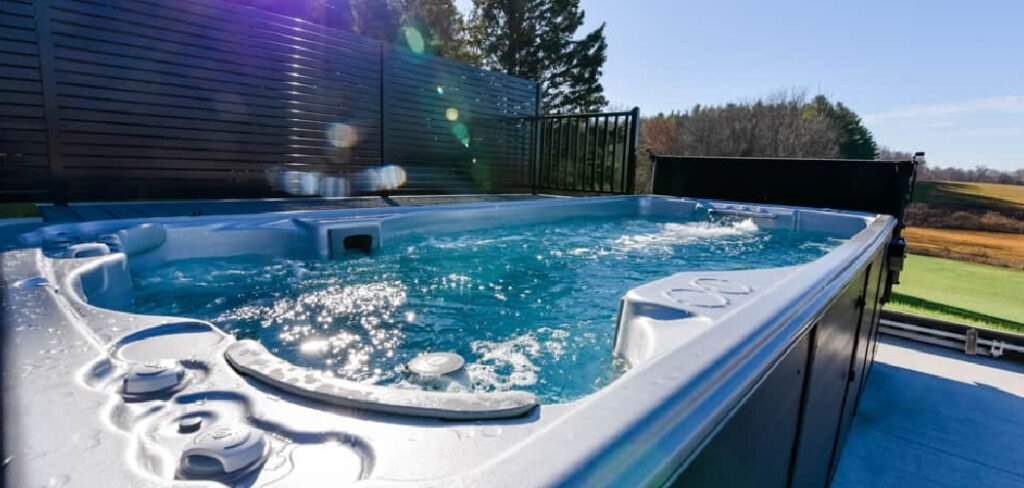
Summer arrives with the promise of warm days and cool splashes in the backyard. For many families, an inflatable pool is the perfect, affordable solution for beating the heat without the commitment of a permanent installation. However, the joy of setting up that blue oasis often comes with a creeping dread for anyone who takes pride in their lawn.
The weight of the water, combined with the lack of sunlight and oxygen, can turn lush green turf into a brown, muddy eyesore in a matter of days. It is a classic homeowner’s dilemma: choose fun or choose foliage.
Fortunately, you do not have to pick one over the other. With a little strategic planning and some proactive maintenance, you can have your swim and keep your yard looking pristine.
This guide is dedicated to teaching you exactly how to keep inflatable pool from killing grass, ensuring that your summer memories aren’t marred by the sight of dead patches come autumn.
Tools and Materials
To protect your lawn while enjoying your inflatable pool, you’ll need a few essential tools and materials. Here’s what you should gather before setting up your pool:
- Pool Pad or Ground Cover – Acts as a barrier between the pool and the grass to prevent damage.
- Heavy-Duty Tarpaulin – An alternative ground cover for added protection.
- Lawn Aerator – Helps improve soil drainage in areas where the pool will sit.
- Sand or Foam Tiles – Used to create a level and soft base for the pool while reducing direct pressure on the grass.
- Grass Seed or Sod – For quick repair of any dead patches, if necessary.
- Garden Hose – Useful for watering the grass around the pool and maintaining moisture levels.
Having these tools and materials on hand will ensure you’re well-prepared to set up your inflatable pool without compromising your lawn’s health.
7 Step-by-Step Guide on How to Keep Inflatable Pool from Killing Grass
Step 1: Rotate the Pool Location Frequently
The most effective strategy for preserving your lawn’s health is simply not letting the pool sit in one spot for too long. Grass needs sunlight for photosynthesis and air circulation to breathe. When you leave a heavy vinyl pool in the same location for weeks on end, you are essentially smothering the turf underneath.
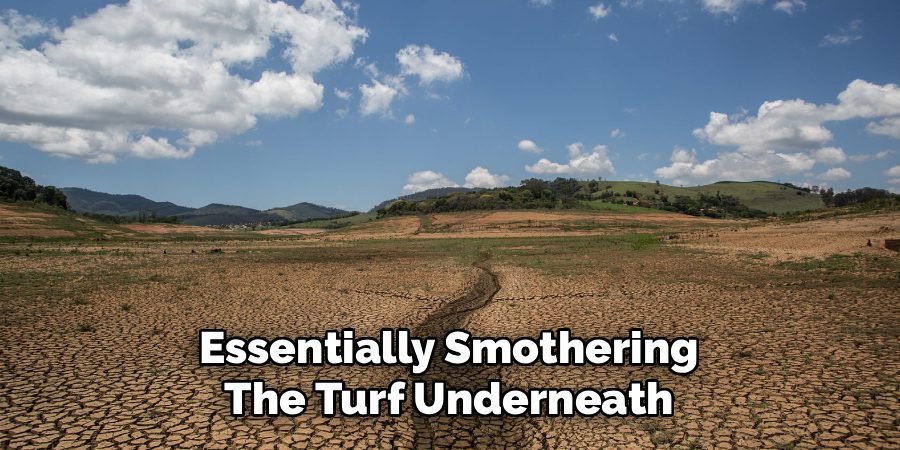
Ideally, you should move your inflatable pool every three to four days. This might seem like extra work, involving draining and refilling, but it allows the compressed grass blades to spring back up and receive the vital nutrients they need to recover.
By constantly shifting the footprint, you prevent any single area from reaching the point of no return where the roots die off completely.
Step 2: Prepare the Ground with Protective Barriers
Before you even inflate the pool, you should consider what goes underneath it. Placing the pool directly on the grass maximizes the damage because the plastic heats up and practically cooks the vegetation below. To mitigate this, lay down a protective barrier.
Interlocking foam tiles are an excellent choice as they provide a cushioned base for swimmers while creating a breathable layer between the hot pool bottom and the delicate grass blades.
Alternatively, a thick tarp or a specialized ground cloth can help distribute the weight more evenly. While these barriers don’t replace the need for moving the pool, they significantly reduce the immediate impact of heat stress and friction on your lawn.
Step 3: Implement a Rigorous Watering Schedule
Grass that has been flattened by a heavy pool is under immense stress and becomes incredibly thirsty. When you move the pool to a new spot, the area that was just covered needs immediate and focused attention. Water these patches deeply to help the soil recover from compaction.
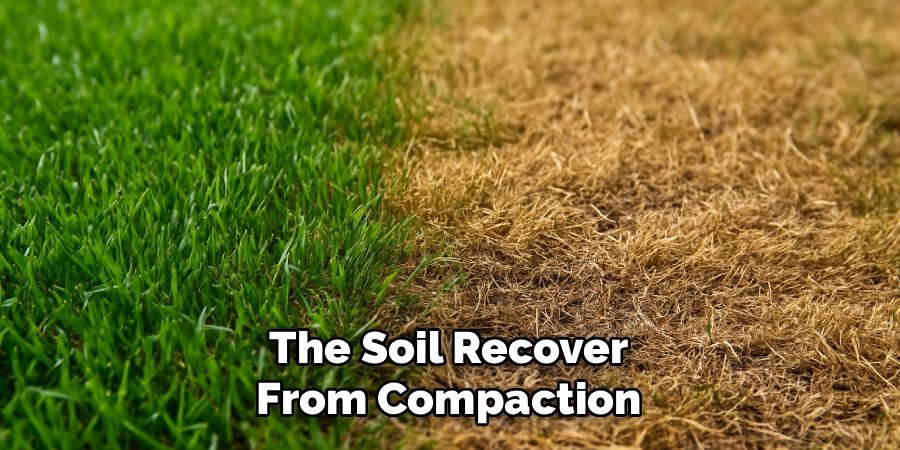
The weight of the water in the pool presses the soil particles together, making it harder for water to penetrate to the roots later. By watering the flattened area immediately after moving the pool, you help the soil rebound and encourage the grass blades to stand tall again.
This recovery watering is a crucial part of the process when learning how to keep inflatable pool from killing grass effectively.
Step 4: Aerate the Soil to Relieve Compaction
Over time, the sheer weight of hundreds of gallons of water will compress the soil beneath your inflatable pool, making it dense and impenetrable. This compaction prevents oxygen, water, and nutrients from reaching the root zone, which is often the real cause of long-term damage.
After you move the pool and before the grass has a chance to fully die, use a hand aerator or a garden fork to punch holes in the soil. This simple mechanical action opens up the ground, allowing air to circulate back into the root system.
Aeration is like giving your lawn a deep breath after being held underwater. It accelerates the recovery process significantly and prevents the soil from becoming a hard, lifeless pan.
Step 5: Mow the Grass Higher Before Placement
Many homeowners make the mistake of scalping their lawn—cutting it very short—right before setting up a pool, thinking it will help the pool sit flatter. In reality, leaving the grass slightly longer offers better protection. Longer grass blades are stronger and have more surface area to store energy.
When you place the pool on taller grass, the blades cushion the crown of the plant, which is the growing point. If the crown is damaged, the grass dies. By keeping your mower deck raised, you ensure the grass has enough resilience to withstand the temporary pressure.
When you eventually move the pool, the longer blades will bounce back faster than short, stubby ones that get crushed into the dirt.
Step 6: Clean Up Debris
It is not just the pool itself that causes damage; it is also the environment around it. Splash-out water often contains chlorine or salt, and wet feet track mud and debris around the perimeter. Furthermore, toys, towels, and floats left on the grass overnight create mini-dead zones.
Make it a strict rule to clear all pool accessories off the lawn at the end of every day. Additionally, rinse off the grass around the pool area with fresh water from the hose after a swim session.
This dilutes any chemically treated water that may have splashed out, preventing chemical burns on the turf. Keeping the surrounding area clean minimizes secondary stress factors that can exacerbate the damage caused by the pool’s footprint.
Step 7: Apply Lawn Repair Treatments Post-Swim
Even with the best precautions, your grass will likely look a bit sad after hosting a pool for a few days. Don’t just ignore it and hope for the best. Treat these spots like little injuries that need first aid.
Apply a high-quality lawn fertilizer or a specific lawn repair product to the affected areas immediately after moving the pool. Look for fertilizers high in nitrogen to promote rapid green growth. If the grass looks particularly thin, sprinkle some grass seed over the area and keep it moist.

Being proactive with repair treatments ensures that any temporary yellowing doesn’t turn into a permanent bare patch. This final step closes the loop on maintenance and guarantees your yard stays green all summer long.
Frequently Asked Questions (FAQ)
Can I Put an Inflatable Pool on Artificial Grass?
Yes, putting an inflatable pool on artificial grass is generally safe and often a better alternative to natural lawns. Artificial turf won’t die from lack of sunlight or oxygen. However, you should be careful about drainage.
Ensure your artificial turf has a proper drainage system so water doesn’t stagnate underneath, which could cause mold or odors. Also, be mindful of the weight; extreme weight could potentially flatten the synthetic fibers permanently if left for too long.
Will a Tarp Kill the Grass Under a Pool?
A tarp alone will not save your grass and can actually accelerate damage if used incorrectly. While it protects the pool liner from sharp rocks, a tarp blocks all sunlight and traps intense heat, creating a “greenhouse effect” that cooks the grass.
If you use a tarp, you must still move the pool frequently. The tarp is primarily for the pool’s protection, not the lawn’s salvation, so don’t rely on it as a magical barrier against dead grass.
How Long Can Grass Survive Under a Pool?
Generally, natural grass can survive under an inflatable pool for about 24 to 48 hours without significant damage. Between 3 to 7 days, the grass will turn yellow and become dormant due to lack of sunlight.
Beyond a week, the grass will likely die completely, and the soil will become severely compacted. The exact timeline depends on the grass type and the outside temperature; hotter weather kills covered grass faster.
Is There a Way to Raise the Pool Off the Grass?
Raising the pool is difficult for standard inflatable models due to their soft structure, but you can build a temporary platform. Using wooden pallets covered with plywood and a soft foam layer can elevate the pool.
However, this is a major DIY project and presents safety risks if not built structurally sound to hold the immense weight of water. For most people, placing the pool on a patio, deck, or designated gravel area is a safer and easier alternative to building a platform.
What Is the Best Grass Type for Heavy Foot Traffic?
If you plan on having a pool and lots of summer activity, planting a durable grass type helps. Bermuda grass and Zoysia grass are warm-season varieties known for their toughness and ability to self-repair quickly from runners.
For cooler climates, Tall Fescue is deeply rooted and withstands wear and tear better than delicate varieties like Kentucky Bluegrass. Having a resilient lawn variety gives you a head start in fighting the damage caused by pools and foot traffic.
Conclusion
Balancing the desire for a refreshing summer dip with the goal of a picture-perfect lawn requires a bit of effort, but it is certainly achievable. By shifting your mindset from “set it and forget it” to active management, you can enjoy the best of both worlds. The key lies in rotation, protection, and recovery.
Moving the pool frequently prevents any single patch of turf from reaching a breaking point, while protective barriers and proper soil care ensure the grass has the resilience to bounce back. Remember that grass is a living thing; it needs to breathe, drink, and eat just like we do.
Treating your lawn with this consideration allows you to host the neighborhood splash zone without sacrificing your curb appeal. Now that you are equipped with the knowledge of how to keep inflatable pool from killing grass, you can inflate that pool with confidence and enjoy a cool, green, and fun-filled summer season.
Read More :
- How to Keep Inflatable Pool Water Clean
- How to Disassemble an Above Ground Pool
- How to Pump Inflatable Pool
- How to Hide Pool Equipment
- How To Turn On Pool Light

About
Jovie Mathews is a backyard and outdoor expert writer with over 12 years of hands-on experience transforming neglected outdoor spaces into thriving gardens and functional retreats. Raised in a family where weekends meant digging in the soil and building raised beds from scratch, Jovie developed a genuine love for the outdoors long before it became a career.
She writes with a practical, no-fluff approach — always testing ideas in her own backyard before sharing them with readers. From composting systems and native plant selection to patio design and pest control, Jovie covers the full spectrum of backyard life with equal parts expertise and enthusiasm.
Education
B.Sc. in Horticulture Science
University of Florida (UF) · Gainesville, FL · 2014
IFAS College of Agricultural and Life Sciences
Minor in Environmental Studies
University of Florida (UF) · Gainesville, FL · 2014
College of Liberal Arts and Sciences
Areas of expertise
- Lawn & Garden Care
- Soil prep, planting, seasonal care
- Outdoor DIY Projects
- Raised beds, fencing, pathways
- Composting & Soil Health
- Organic methods, amendments
- Native Plants & Wildlife
- Pollinators, habitat gardening
When she is not writing, Jovie can be found testing new composting techniques, growing tomatoes in questionable quantities, or convincing her neighbors that clover lawns are actually a great idea. She currently gardens in the Pacific Northwest.