
A swimming pool can transform your backyard into a beautiful oasis, a place for relaxation and fun. However, the bulky and often noisy equipment that keeps it running—pumps, filters, and heaters—can detract from the serene atmosphere.A swimming pool can transform your backyard into a beautiful oasis, a place for relaxation and fun. However, the bulky and often noisy equipment that keeps it running—pumps, filters, and heaters—can detract from the serene atmosphere.
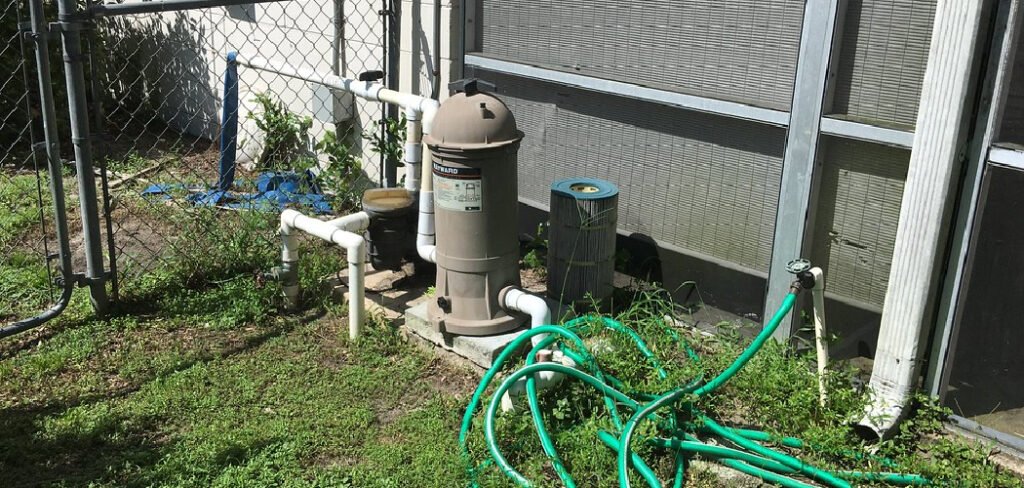
Learning how to hide pool equipment is an essential step in completing your backyard vision. It not only improves the visual appeal of your space but can also protect your investment from the elements and reduce operational noise. This guide will walk you through creative and practical solutions to seamlessly integrate your pool machinery into your landscape, turning an eyesore into a thoughtfully designed feature of your outdoor living area.
You Should Conceal Your Pool Equipment
Hiding your pool equipment is about more than just aesthetics; it’s a practical decision with several key benefits. First and foremost, concealing the pump, filter, and heater significantly enhances the visual harmony of your backyard. Instead of a cluster of mechanical parts, you can have a beautiful landscape feature that complements your home and garden.
Secondly, a well-designed enclosure provides a crucial layer of safety, keeping the machinery away from curious children and pets who could accidentally get injured. It also offers protection from sun, rain, and debris, which can extend the lifespan of your expensive equipment and reduce the need for frequent maintenance or costly replacements. Lastly, an enclosure can dramatically reduce the noise from your pool pump, allowing you to enjoy your outdoor space in peace and quiet.
8 Step Methods Guide on How to Hide Pool Equipment
Step 1: Assess Your Equipment and Location
Before you start building, take a close look at your pool equipment setup. Measure the total footprint of your pump, filter, heater, and any associated plumbing. Note the location of all access panels, gauges, and valves, as you will need to reach them for routine maintenance. Consider the space around the equipment pad.
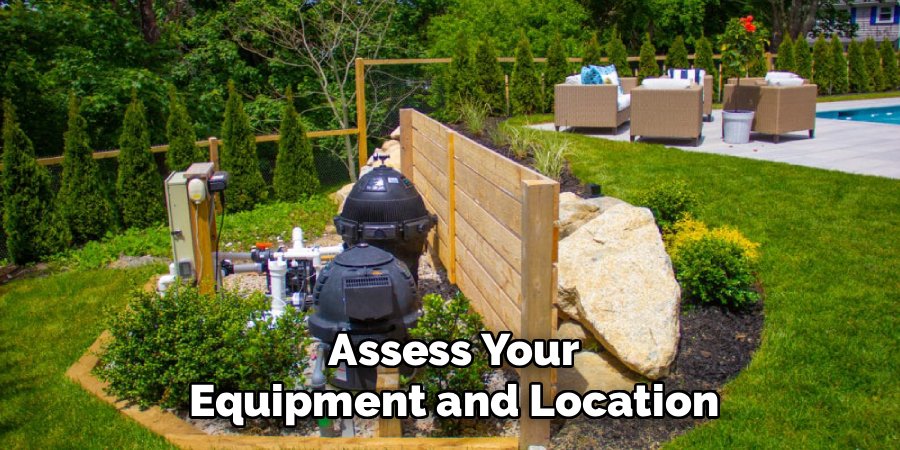
Is it on level ground? Is there adequate ventilation for the heater and pump motor? Understanding these factors is critical for designing an enclosure that is not only attractive but also functional and safe. Proper planning at this stage ensures your solution won’t interfere with the equipment’s performance or make future servicing a headache.
Step 2: Choose the Right Materials
The materials you select for your enclosure will define its look, durability, and maintenance needs. Wood, such as cedar or pressure-treated pine, offers a classic, natural look that blends well with garden landscapes. Vinyl or composite materials are excellent low-maintenance alternatives that resist rot, insects, and fading. For a more modern or rustic feel, you might consider corrugated metal panels or faux stone veneers. When choosing, think about your local climate and how the materials will stand up to sun, rain, and humidity. Your goal is to find a balance between aesthetic appeal, longevity, and your budget.
Step 3: Design a Functional Enclosure
Your design must prioritize function. Ensure there is at least one foot of clearance on all sides of the equipment to allow for proper air circulation, which is vital to prevent motors from overheating. Plan for easy access with large doors or a removable top panel. This is non-negotiable for tasks like cleaning the filter, checking pressure gauges, or servicing the pump. If you have a pool heater, your design must accommodate its specific ventilation requirements to prevent a buildup of dangerous fumes. A well-thought-out design makes routine checks simple and ensures professional technicians can work without obstacles.
Step 4: Build a Simple Pool Pump Cover Box
A simple box enclosure is a popular and effective DIY project. Start by building a frame using pressure-treated lumber for the base and corners. You can then attach siding material, such as wood planks, composite decking, or vinyl panels, to the frame. For the top, create a hinged lid that you can easily lift for full access from above.
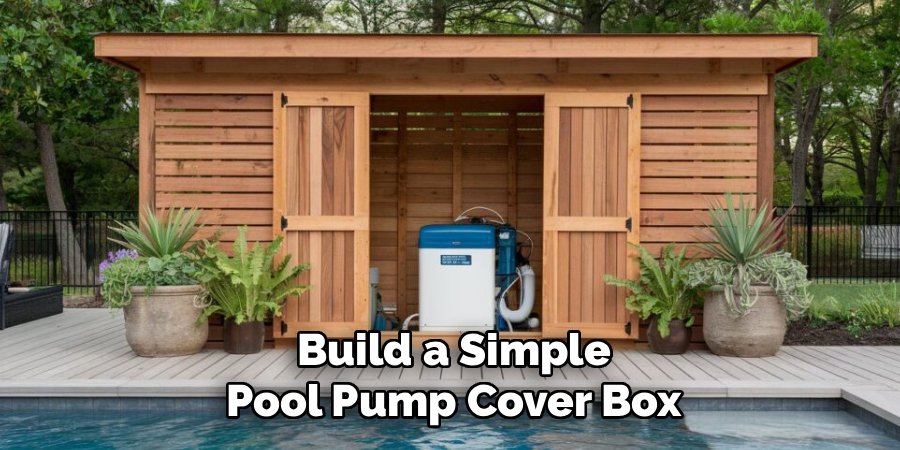
Alternatively, you can design the front with one or two hinged doors that swing open. This approach is highly customizable, allowing you to paint or stain the box to perfectly match your deck, fence, or home exterior for a cohesive look.
Step 5: Construct a Fence Screen
If a full box seems too constricting, a simple fence screen is an excellent alternative. This method involves installing two or more fence panels around the equipment pad to block the view from key sightlines, such as your patio or house windows. You can use prefabricated lattice panels for a traditional look that allows for airflow, or opt for solid vinyl or wood fencing for more complete coverage. This solution is often quicker and more affordable to install than a full enclosure. It effectively hides the machinery while leaving the top open for maximum ventilation and easy access.
Step 6: How to Hide Pool Equipment with Landscaping
For a truly natural solution, use plants to create a living screen around your equipment. Choose hardy, evergreen shrubs that will provide year-round coverage. Varieties like boxwood, arborvitae, or holly are excellent choices as they are dense and can be shaped as they grow. When planting, leave enough space between the shrubs and the equipment for airflow and access. You can also layer smaller perennials and ornamental grasses in front of the shrubs to add color and texture. This method of hiding pool equipment integrates it seamlessly into your garden design, turning a functional necessity into a beautiful landscape feature.
Step 7: Utilize a Small Shed Structure
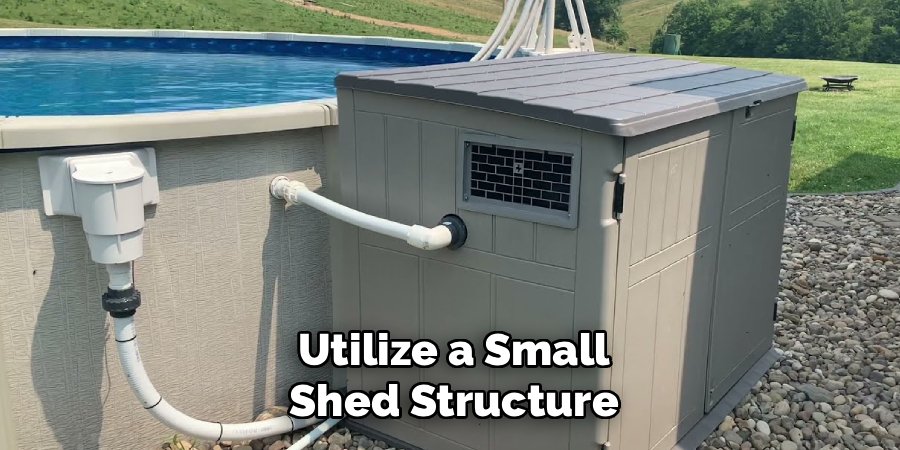
If you have enough space and a larger budget, a small shed offers the ultimate solution. A shed not only conceals the equipment completely but also provides extra storage for pool chemicals, cleaning tools, and toys. You can purchase a pre-built resin or wood shed or build a custom one to match your home’s architecture. Ensure the shed has adequate ventilation, either through built-in vents, windows, or a louvered door. This robust option provides the best protection from the elements, enhances safety, and offers the most significant noise reduction.
Step 8: Install Soundproofing Materials
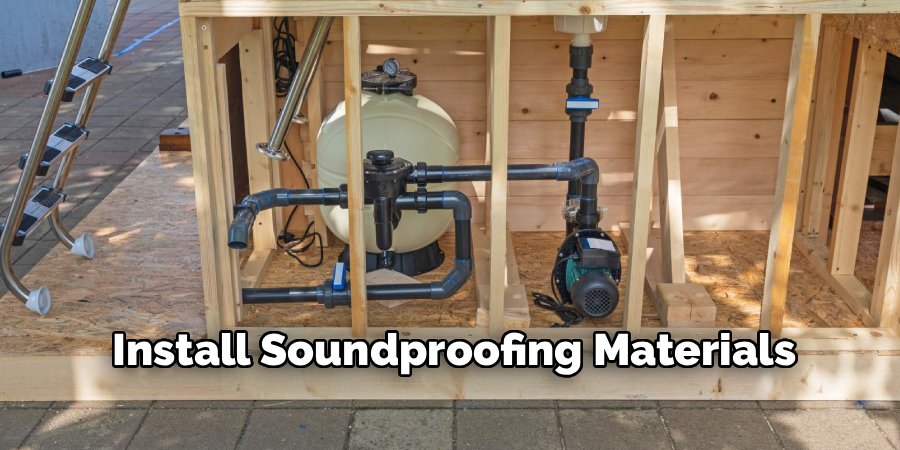
Regardless of the enclosure you choose, adding soundproofing materials can significantly enhance your backyard tranquility. You can line the interior walls of your box, shed, or fence with mass-loaded vinyl or acoustic foam panels. These materials are specifically designed to absorb and block sound waves, muting the persistent hum of the pool pump. When installing, make sure you don’t block any necessary ventilation points. Reducing the noise level makes your pool area a more peaceful and relaxing environment for you, your family, and your neighbors. This final touch is key to mastering how to hide pool equipment effectively.
Frequently Asked Questions
How Much Space Should I Leave Around My Pool Equipment?
You should leave at least one to two feet of clear space around all sides of your pool equipment. This ensures proper airflow to prevent overheating, especially for the pump motor and heater. It also provides enough room for a service technician to access, repair, or replace components without having to dismantle the enclosure. Always check the manufacturer’s specific clearance requirements for your equipment.
Can I Completely Enclose My Pool Heater?
No, you should never completely enclose a pool heater without providing a direct source of ventilation to the outside. Gas and propane heaters require a steady supply of fresh air for combustion and must vent exhaust fumes safely away from the area. An improper installation can lead to equipment failure or a dangerous buildup of carbon monoxide. Always follow the manufacturer’s installation guidelines or consult a professional.
What Are the Best Plants to Hide Pool Equipment?
The best plants are dense, evergreen, and low-maintenance. Consider options that will not shed excessive leaves or debris into the pool or onto the equipment. Some great choices include:
- Arborvitae
- Boxwood
- Holly
- Dwarf Laurels
- Ornamental grasses (like Fountain Grass)
Choose plants suited to your climate and ensure they are planted far enough away to allow for airflow and access.
Is a Permit Required to Build a Pool Equipment Enclosure?
Whether you need a permit depends on your local building codes and the size and type of structure you plan to build. A simple fence screen or a small, pre-fabricated box may not require one. However, a larger, permanent structure like a custom-built shed might. It is always best to check with your local municipal planning or building department before you begin construction to ensure you comply with all regulations.
How Can I Reduce Pool Pump Noise?
The most effective way to reduce noise is by building an enclosure around it, as the walls will block and absorb sound. You can enhance this by lining the interior of the enclosure with sound-dampening materials like mass-loaded vinyl. Other tips include placing the pump on a rubber anti-vibration pad and ensuring all pipes are securely fastened to prevent rattling.
Conclusion
Concealing your pool equipment is a rewarding project that enhances your backyard’s beauty, safety, and tranquility. From simple landscaping screens to functional sheds, there is a solution to fit every style and budget. By carefully assessing your space, choosing the right materials, and prioritizing access and ventilation, you can create a seamless look that integrates your pool machinery into your landscape. We hope this guide has given you the confidence and ideas you need. Now you have a clear plan on how to hide pool equipment and take the final step toward creating your perfect backyard retreat.

About
Jovie Mathews is a backyard and outdoor expert writer with over 12 years of hands-on experience transforming neglected outdoor spaces into thriving gardens and functional retreats. Raised in a family where weekends meant digging in the soil and building raised beds from scratch, Jovie developed a genuine love for the outdoors long before it became a career.
She writes with a practical, no-fluff approach — always testing ideas in her own backyard before sharing them with readers. From composting systems and native plant selection to patio design and pest control, Jovie covers the full spectrum of backyard life with equal parts expertise and enthusiasm.
Education
B.Sc. in Horticulture Science
University of Florida (UF) · Gainesville, FL · 2014
IFAS College of Agricultural and Life Sciences
Minor in Environmental Studies
University of Florida (UF) · Gainesville, FL · 2014
College of Liberal Arts and Sciences
Areas of expertise
- Lawn & Garden Care
- Soil prep, planting, seasonal care
- Outdoor DIY Projects
- Raised beds, fencing, pathways
- Composting & Soil Health
- Organic methods, amendments
- Native Plants & Wildlife
- Pollinators, habitat gardening
When she is not writing, Jovie can be found testing new composting techniques, growing tomatoes in questionable quantities, or convincing her neighbors that clover lawns are actually a great idea. She currently gardens in the Pacific Northwest.