
A crystal-clear swimming pool is the result of a circulation system working in harmony, and the skimmer line is a critical part of that system. This underground pipe pulls water from the surface, sucking in leaves, debris, and sunscreen before they can sink. But what happens when that suction weakens or stops completely? Often, the culprit is a stubborn clog deep within the plumbing, beyond the reach of the skimmer basket.
A blocked line can strain your pump, reduce filtration, and quickly turn your pristine pool into a murky mess. While it might sound like a job for a professional, many homeowners can resolve this common issue themselves. This guide will provide clear, beginner-friendly instructions on how to clear pool skimmer line, helping you restore your pool’s circulation safely and effectively.
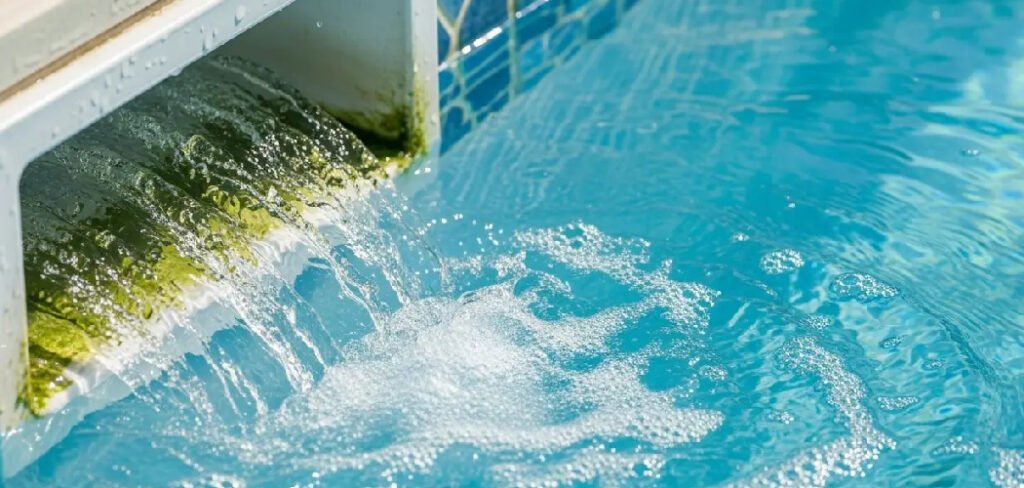
A clogged pool skimmer line can seem daunting to address, but with the right approach, it’s a manageable task for most homeowners. Taking the time to clear the blockage not only ensures the effective circulation of your pool but also helps to maintain clean and healthy water.
It’s important to understand the steps involved and take necessary precautions to avoid causing further issues during the process. By following a systematic approach, you can save time, money, and the hassle of calling in a professional.
Step-by-Step Guide on How to Clear Pool Skimmer Line
Step 1: Turn Off the Pump and Isolate the Skimmer
Before attempting any plumbing work, your first and most important action is to completely shut off all power to the pool pump at the circuit breaker. This is a non-negotiable safety measure to prevent electrical shock and damage to your equipment. Next, go to your pump and filter area and adjust the multiport valve or Jandy valve to isolate the skimmer line you intend to clear.
This usually involves turning the valve handle to close off the main drain and any other suction lines, ensuring that whatever pressure you apply is directed solely at the clogged skimmer pipe. This focus is essential for dislodging the blockage effectively.
Step 2: Empty the Pump and Skimmer Baskets
With the system powered down and the lines isolated, you can now remove any surface-level debris that could interfere with the process. Start by opening the lid to your pool skimmer and pulling out the skimmer basket. Clean it thoroughly of all leaves, twigs, and other gunk.
Next, move to the pump and unscrew the lid to access the pump basket. This basket often catches debris that gets past the skimmer, and it might be full, contributing to the poor flow. Emptying both of these baskets ensures that you are dealing only with the clog in the pipe itself and prevents any loose debris from being sucked back into the line once you restart the system.
Step 3: The Drain Bladder Method
One of the most effective tools for this job is a drain bladder, sometimes called a “blow-out plug.” This is an expandable rubber device that attaches to a standard garden hose. Feed the hose and the attached bladder down into the skimmer pipe, pushing it as far into the plumbing as you can. Once it is securely in place, turn on the water to your garden hose.
The bladder will expand to create a tight seal against the pipe walls. The water pressure then builds up behind the bladder, creating a powerful jet aimed directly at the clog. This concentrated force is often enough to dislodge and push stubborn debris through the pipe and into the pump basket for easy removal.
Step 4: Reverse the Pressure with the Pump
If the bladder method is unsuccessful, you can use your own pool pump to reverse the flow of water and push the clog out from the other direction. To do this, you will reconfigure your multiport valve to the “backwash” or “waste” setting, depending on your goal. By manipulating the valves to draw water from the main drain and force it out through the skimmer line, you reverse the normal suction.
This backpressure can effectively blow the clog backward, out of the pipe, and into the pool where it can be easily skimmed out with a net. This technique for how to clear pool skimmer line uses the system’s own power against the blockage.
Step 5: Use a Plumbing Snake or Auger
For particularly tough or compacted clogs, a more physical approach may be necessary. A plumbing snake, or drain auger, is a long, flexible cable that you can feed into the pipe to manually break up a blockage. Carefully insert the end of the snake into the skimmer line at the skimmer opening. Gently push and rotate the handle to work the cable through the pipe’s twists and turns.
When you feel resistance, you have reached the clog. By cranking the handle, you can either drill through the obstruction or hook onto it, allowing you to pull it back out. This method is highly effective for dense clogs made of things like pine needles or impacted debris.
Step 6: The Wet/Dry Vac Technique
Another excellent technique involves using a powerful wet/dry shop vacuum. Set your vacuum to the “blow” setting. Create a seal by wrapping a damp cloth around the vacuum hose and pressing it firmly into the skimmer’s suction hole. When you turn on the vacuum, it will send a powerful blast of air through the pipe, which can dislodge many types of clogs.
Alternatively, you can set the vacuum to “suction” mode to try and pull the clog backward out of the pipe. This method is particularly useful and is often a go-to before resorting to more invasive plumbing tools, making it a valuable skill to learn for any pool owner.
Step 7: Restore Power and Check for Flow
After you believe the clog is gone, it is time to test your work. Remove any tools from the skimmer line and re-install the pump and skimmer baskets. Return the multiport valve to its normal “Filter” setting, ensuring all suction lines are open as they were originally. Prime the pump if necessary, then go to the circuit breaker and restore power. As the pump starts up, look into the skimmer.
You should see a strong vortex of water being pulled into the system. You can also check the pressure gauge on your filter; it should return to its normal operating range. This strong suction confirms that the blockage is gone and your pool’s circulation is back to normal.
Frequently Asked Questions (FAQ)
What Are the Signs of a Clogged Skimmer Line?
There are several tell-tale signs that your skimmer line is blocked.
- Low Suction: You will notice a weak or nonexistent vortex in the skimmer.
- Pump Behavior: The pump may be louder than usual or lose its prime, with air visible in the pump basket lid.
- Poor Water Quality: Debris will float on the surface for longer instead of being pulled into the filter system.
- High Pressure: Sometimes, a clog can cause the filter pressure gauge to read unusually high.
Can I Use Chemical Drain Cleaners in My Pool Plumbing?
No, you should never use household chemical drain cleaners in your pool lines. These harsh chemicals are not designed for pool systems and can severely damage the PVC pipes, seals, and expensive equipment like your pump and filter.
They also create a dangerous chemical imbalance in your pool water that is unsafe for swimmers. Stick to physical removal methods like drain bladders or plumbing snakes.
How Can I Prevent Skimmer Lines from Clogging?
Prevention is always the best strategy.
- Regular Cleaning: Empty your skimmer and pump baskets frequently, especially after storms or during seasons with heavy leaf fall.
- Skimmer Socks: Use a “skimmer sock,” which is a fine mesh bag that fits inside your skimmer basket to catch smaller debris like pine needles, seeds, and hair before they can enter the pipes.
- Landscaping: Trim back trees and bushes that overhang the pool to reduce the amount of debris that falls in.
What Is a Drain Bladder and Where Can I Get One?
A drain bladder is a simple, inexpensive plumbing tool that attaches to a garden hose. When water is turned on, the rubber bladder expands to seal the pipe and forces water through at high pressure to clear clogs.
You can find them at any major hardware store or home improvement center in the plumbing aisle. They come in various sizes to fit different pipe diameters.
When Should I Call a Professional?
While many clogs are DIY-friendly, some situations require an expert. If you have tried multiple methods without success, or if you suspect the clog is extremely deep in the line, it is time to call a pool service professional.
They have specialized tools like high-powered water jets and sewer cameras that can locate and remove even the most stubborn blockages without damaging your plumbing.
Conclusion
A healthy pool circulation system is the foundation of clean, safe water, and keeping your skimmer lines clear is a vital part of that equation. While a clog can be a frustrating discovery, it is a manageable problem for most homeowners. By using simple tools like a drain bladder or wet/dry vac and following a safe, methodical process, you can often restore flow without the expense of a professional service call.
The key is to always prioritize safety by shutting off the power and to work patiently through the steps. Now that you have a comprehensive understanding of how to clear pool skimmer line, you are better equipped to handle this common maintenance task and keep your backyard oasis sparkling all season long.

About
Jovie Mathews is a backyard and outdoor expert writer with over 12 years of hands-on experience transforming neglected outdoor spaces into thriving gardens and functional retreats. Raised in a family where weekends meant digging in the soil and building raised beds from scratch, Jovie developed a genuine love for the outdoors long before it became a career.
She writes with a practical, no-fluff approach — always testing ideas in her own backyard before sharing them with readers. From composting systems and native plant selection to patio design and pest control, Jovie covers the full spectrum of backyard life with equal parts expertise and enthusiasm.
Education
B.Sc. in Horticulture Science
University of Florida (UF) · Gainesville, FL · 2014
IFAS College of Agricultural and Life Sciences
Minor in Environmental Studies
University of Florida (UF) · Gainesville, FL · 2014
College of Liberal Arts and Sciences
Areas of expertise
- Lawn & Garden Care
- Soil prep, planting, seasonal care
- Outdoor DIY Projects
- Raised beds, fencing, pathways
- Composting & Soil Health
- Organic methods, amendments
- Native Plants & Wildlife
- Pollinators, habitat gardening
When she is not writing, Jovie can be found testing new composting techniques, growing tomatoes in questionable quantities, or convincing her neighbors that clover lawns are actually a great idea. She currently gardens in the Pacific Northwest.