
A sparkling blue swimming pool is the centerpiece of summer fun, offering a refreshing escape from the heat. However, that inviting water is not just attractive to humans; it often lures thirsty or curious wildlife, sometimes with tragic results. Finding a frightened frog, a struggling squirrel, or worse in your skimmer basket is a heartbreaking experience that no pool owner wants to face.
Beyond the emotional toll, animals in the water can introduce bacteria and debris that disrupt your chemical balance and damage filtration systems.
Fortunately, creating a wildlife-safe zone does not require turning your backyard into a fortress. By understanding what attracts these creatures and implementing a few strategic barriers and escape routes, you can protect local wildlife while keeping your swimming area pristine. This guide explores practical, humane, and effective methods for how to keep animals out of pool environments, ensuring that your backyard oasis remains a safe and sanitary place for your family to enjoy all season long.
Why is it Important to Keep Animals Out of the Pool?
Keeping animals out of your pool is essential for several reasons. Firstly, wild animals can carry bacteria, parasites, and diseases that may contaminate your pool water, posing a health risk to swimmers. Secondly, pool environments can be dangerous for animals, as they may struggle to escape once they fall in, resulting in injury or even drowning.
Additionally, regular encounters with animals can lead to increased maintenance and cleaning demands, as debris, fur, or waste from wildlife can quickly compromise your pool’s filtration system. Ultimately, taking steps to prevent animals from accessing your pool protects both their well-being and the safety of your swimming area.
How to Keep Animals Out of Pool: A Step-by-Step Guide
Step 1: Install a Safety Fence Around the Perimeter
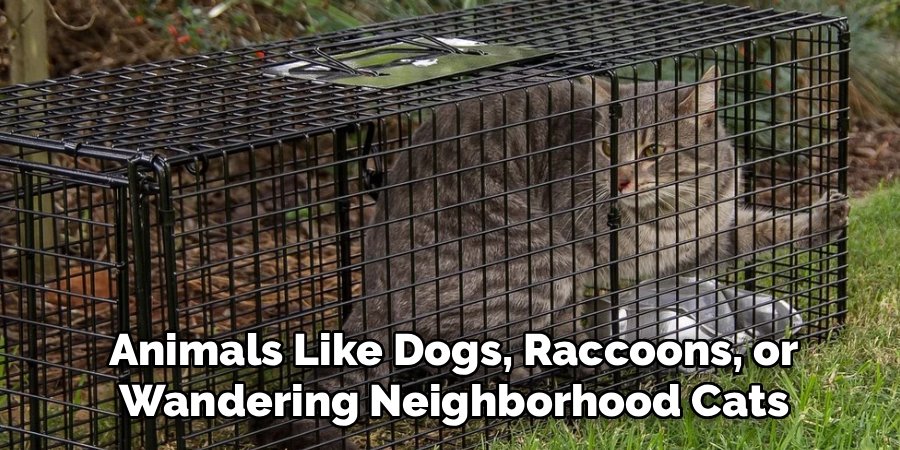
The most effective physical barrier against unwanted guests is a sturdy fence surrounding the entire pool area. While many municipalities require fencing for child safety, these structures also serve as the first line of defense against larger animals like dogs, raccoons, or wandering neighborhood cats.
To be truly effective against wildlife, the fence should have vertical slats with narrow gaps that prevent smaller creatures from squeezing through. It is crucial to inspect the perimeter regularly for any holes or gaps near the ground where determined animals might try to burrow underneath. A solid barrier limits access significantly, making accidental falls much less likely.
Step 2: Use a Pool Cover When Not in Use
Covering your water when you are not swimming is perhaps the single most reliable method for preventing accidental drownings. A safety cover made of mesh or solid vinyl creates an impenetrable surface that supports the weight of small animals that might wander onto it.
While automatic covers offer the ultimate convenience, even a manual safety cover anchored to the deck provides excellent protection. This physical lid removes the visual attraction of the water and acts as a safety net. By consistently using a cover, you eliminate the risk of animals falling in during the quiet nighttime hours when they are most active.
Step 3: Provide an Escape Ramp for Trapped Creatures
Despite your best efforts to block access, smaller animals like frogs, mice, or lizards may still find their way into the water. Once inside, the slick vertical walls of a swimming pool make it nearly impossible for them to climb out, leading to exhaustion. Installing a specialized animal rescue ramp or a “frog log” is a humane necessity.
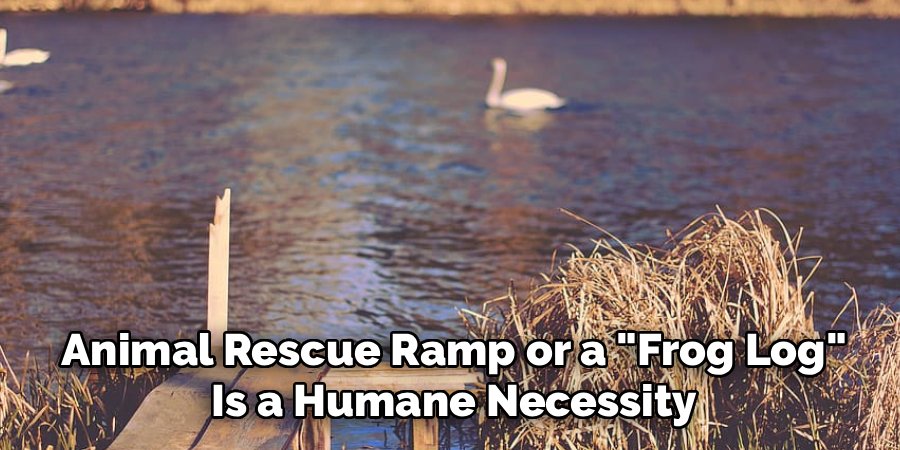
These devices float on the surface and attach to the pool deck, providing a textured bridge that allows trapped critters to climb to safety on their own. Placing one of these lifesaving tools near the skimmer intake can drastically reduce wildlife fatalities.
Step 4: Remove Food Sources Near the Water
Animals are often drawn to pool areas not just for water, but because they smell food nearby. If you enjoy dining al fresco, ensure that all leftover food, crumbs, and sugary drink spills are cleaned up immediately after your meal. Additionally, avoid leaving pet food bowls outside on the patio, as the scent is a powerful attractant for raccoons and opossums.
If you have fruit trees or berry bushes near the water, keep the fallen fruit cleaned up regularly. By eliminating these tasty temptations, you reduce the reason for wildlife to explore the immediate vicinity of your swimming area.
Step 5: Incorporate Natural Repellents in Landscaping
You can use nature to fight nature by planting specific flora that animals find unappealing around your pool deck. Many common garden pests dislike the strong scents of aromatic herbs like mint, rosemary, lavender, and lemongrass. Integrating these plants into your poolside landscaping creates a natural sensory barrier that discourages animals from coming closer.
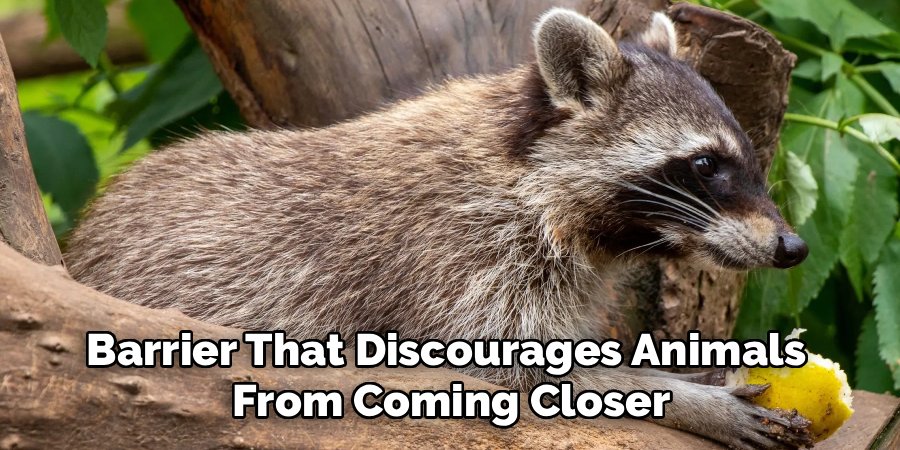
Conversely, you should avoid planting lush, fruit-bearing vegetation right next to the water, as this acts as a magnet. Strategic landscaping design helps guide wildlife away from the danger zone without the need for harsh chemicals or unsightly physical barriers, adding beauty while serving a functional purpose.
Step 6: Install Motion-Activated Sprinklers
For more persistent intruders like deer or raccoons, a sudden surprise can be an excellent deterrent. Motion-activated sprinkler systems detect movement and release a quick burst of water along with a startling noise. This harmless but effective shock teaches animals to associate the area with an unpleasant experience, conditioning them to stay away over time.
Position these devices at the main entry points to your pool deck or along the perimeter fence. This technology works 24/7, providing an automated solution for how to keep animals out of pool areas even when you are asleep or away from home.
Step 7: Use Inflatable Floats to Scare Birds
Birds, specifically ducks and geese, can be a major nuisance, leaving messy droppings that contaminate the water. These waterfowl are often deterred by objects that mimic predators or signal danger. Floating alligator heads, inflatable snakes, or large beach balls moving across the water surface can make the pool appear occupied and unsafe for landing.
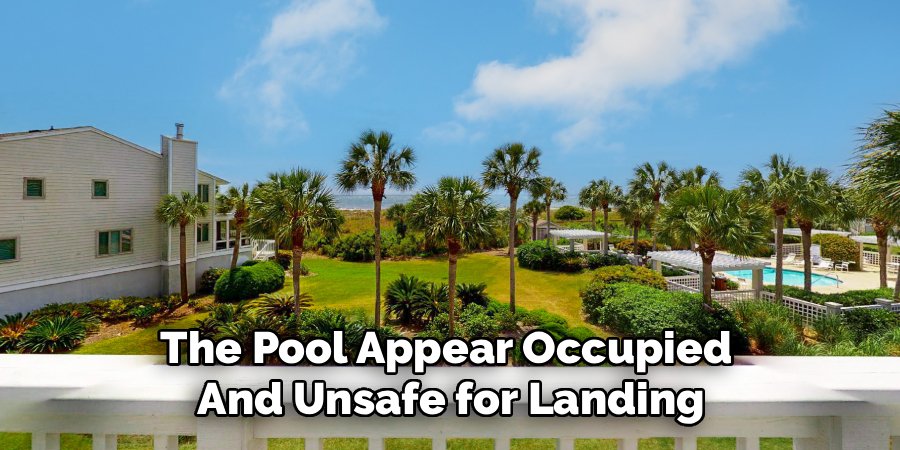
The key to success with this method is to move the decoys around frequently so the birds do not realize they are fake. The constant movement and presence of these colorful, unnatural objects disrupt the serene surface that waterfowl look for when choosing a landing spot.
Frequently Asked Questions (FAQ)
What Is the Best Way to Save Frogs From My Pool?
The most effective tool for saving frogs and other small amphibians is a specialized escape ramp, often called a “Frog Log” or “Critter Skimmer.”
- How it works: It consists of a floating platform and a mesh ramp that extends onto the pool deck.
- Instinct: Animals swim around the edge of the pool when trapped. When they encounter the ramp, their instinct is to climb up and out.
- Placement: Place it upstream from your skimmer so animals find it before getting sucked into the filtration system.
Will Chlorine Harm Animals That Drink Pool Water?
Generally, a few sips of chlorinated pool water will not cause serious harm to most domestic pets or wildlife. However, it is certainly not healthy for them.
- Symptoms: Ingesting large amounts can lead to gastrointestinal upset, vomiting, or esophageal erosion.
- Alternative: Always provide a bowl of fresh, clean water nearby. Animals often drink from pools simply because they are thirsty and it is the only water source available. Giving them a better option keeps them away from the chemicals.
Do Ultrasonic Repellents Work on Pool Pests?
Ultrasonic repellents can be effective, but results vary depending on the species.
- Frequency: These devices emit high-frequency sounds that are inaudible to humans but annoying to animals like raccoons, deer, and rodents.
- Adaptation: Some animals may get used to the sound over time.
- Motion Sensors: Models that combine ultrasonic sound with flashing strobe lights tends to be more effective as they provide a multi-sensory deterrent.
How Do I Keep Ducks Out of My Pool Naturally?
Ducks look for calm, safe water. To keep them away naturally, you need to make the environment less welcoming.
- Disruption: Leave solar blankets or colorful floats in the water to break up the open surface.
- Barriers: Stringing fishing line across the pool in a crisscross pattern makes it difficult for them to land and take off.
- Dogs: If you have a dog, their presence and scent in the yard are excellent natural deterrents for waterfowl.
Why Are Animals Attracted to My Saltwater Pool?
Animals are attracted to saltwater pools for the same reasons they are attracted to chlorine pools: it is a large body of water.
- Scent: They do not necessarily prefer the salt; they are just seeking hydration.
- Misconception: Some owners think the salt taste will deter them, but a thirsty animal will drink regardless.
- Danger: Saltwater can actually be more dehydrating for them, making the need for a fresh water alternative and escape ramps just as critical as with traditional chlorine pools.
Conclusion
Maintaining a pool that is safe for both swimmers and local wildlife requires a blend of vigilance and preventative measures. It is a responsibility that extends beyond clear water and balanced pH levels. By implementing barriers like fences and covers, you stop accidental entry before it happens. Adding escape ramps ensures that any creature that does slip in has a fighting chance to survive, while natural repellents and smart landscaping deter them from approaching in the first place.
These efforts protect the delicate ecosystem of your backyard and save you from the distress of dealing with animal fatalities. Now that you are equipped with the knowledge of how to keep animals out of pool environments, you can relax and enjoy your swim, knowing you have created a harmonious space where summer fun and wildlife safety coexist beautifully.

About
Jovie Mathews is a backyard and outdoor expert writer with over 12 years of hands-on experience transforming neglected outdoor spaces into thriving gardens and functional retreats. Raised in a family where weekends meant digging in the soil and building raised beds from scratch, Jovie developed a genuine love for the outdoors long before it became a career.
She writes with a practical, no-fluff approach — always testing ideas in her own backyard before sharing them with readers. From composting systems and native plant selection to patio design and pest control, Jovie covers the full spectrum of backyard life with equal parts expertise and enthusiasm.
Education
B.Sc. in Horticulture Science
University of Florida (UF) · Gainesville, FL · 2014
IFAS College of Agricultural and Life Sciences
Minor in Environmental Studies
University of Florida (UF) · Gainesville, FL · 2014
College of Liberal Arts and Sciences
Areas of expertise
- Lawn & Garden Care
- Soil prep, planting, seasonal care
- Outdoor DIY Projects
- Raised beds, fencing, pathways
- Composting & Soil Health
- Organic methods, amendments
- Native Plants & Wildlife
- Pollinators, habitat gardening
When she is not writing, Jovie can be found testing new composting techniques, growing tomatoes in questionable quantities, or convincing her neighbors that clover lawns are actually a great idea. She currently gardens in the Pacific Northwest.