
As the crisp autumn air signals the end of patio season, it’s time to start thinking about preparing your outdoor space for the colder months ahead. While you might be focused on storing cushions and covering furniture, your patio umbrella requires special attention to protect it from harsh winter weather.
Leaving it outside can lead to fading, mildew, and damage to the frame. Properly learning how to store patio umbrella for winter will preserve its condition and extend its lifespan, ensuring it’s ready for the first sunny day of spring.
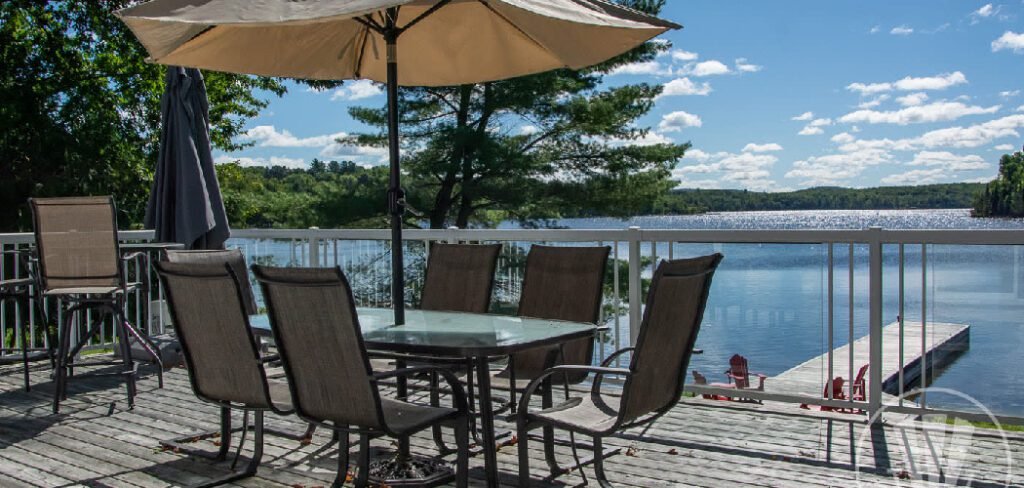
This guide provides a simple, step-by-step process to clean, dry, and safely store your umbrella, saving you money and hassle in the long run.
A patio umbrella is an essential part of outdoor living, providing shade and comfort during sunny days. However, as the seasons change and colder months approach, taking the time to properly care for and store your umbrella is crucial.
With the right preparation, you can protect your investment from the elements and ensure it remains in excellent condition for years to come.
Why Proper Winter Storage is Essential
Failing to properly store your patio umbrella can lead to a host of problems that shorten its life and diminish its appearance. The combination of freezing temperatures, snow, ice, and winter winds can be brutal on the fabric and mechanical parts.
Moisture trapped in a closed umbrella can quickly lead to mold and mildew growth, which not only looks and smells unpleasant but can also weaken the fabric. The frame, especially if it has moving parts like cranks or tilting mechanisms, can rust or seize up when exposed to winter dampness.
Furthermore, strong winds can catch an unsecured umbrella, causing it to topple over and potentially damage the frame, your furniture, or even your home.
Step-by-Step Guide: How to Store Patio Umbrella for Winter
Step 1: Clean the Umbrella Fabric
Before putting your umbrella away, it’s crucial to give the canopy a thorough cleaning. Over the summer, it has collected dust, pollen, bird droppings, and other environmental debris. Start by brushing off any loose dirt. Then, create a gentle cleaning solution by mixing mild soap, like dish soap, with lukewarm water.
Use a soft-bristled brush or sponge to gently scrub the fabric in circular motions, paying extra attention to any stained areas. Avoid using harsh chemicals or bleach unless specifically recommended by the manufacturer, as these can damage the fabric’s color and water-resistant coating.
Step 2: Rinse the Canopy Thoroughly
After scrubbing the entire canopy, you need to rinse it completely to remove all soap residue. Leftover soap can attract more dirt and may even lead to fabric degradation over time. Use a garden hose on a low-pressure setting to spray down the fabric from top to bottom.
Make sure you rinse both the top and underside of the canopy until the water runs clear and you no longer see any soap suds. A thorough rinse is a critical step in preparing the umbrella for its long winter nap, ensuring it comes out fresh and clean next season.
Step 3: Clean the Frame and Pole
The umbrella’s frame and pole also need attention before storage. Use a damp cloth and the same mild soap solution to wipe down the entire structure, including the ribs, crank housing, and base. This removes any dirt and grime that could cause corrosion or staining during the winter months.
For metal frames, this is an excellent opportunity to inspect for any early signs of rust. If you spot any, you can treat it with a rust inhibitor. Cleaning the frame ensures that all parts of your umbrella are free from potentially damaging substances before you store them away.
Step 4: Let the Umbrella Dry Completely
This is arguably the most important step in the entire process. Storing a damp umbrella is a guaranteed way to invite mold and mildew, which can permanently stain and damage the fabric. After cleaning, leave the umbrella open in a sunny, well-ventilated spot until it is bone dry.
This may take several hours or even a full day, depending on the weather. Feel the fabric, especially along the seams and near the top hub, to ensure there is no lingering moisture. Do not rush this step; patience now will prevent a musty, mildewed surprise in the spring.
Step 5: Collapse the Umbrella and Secure It
Once the umbrella is completely dry, carefully collapse it. Use the crank or push mechanism to close the canopy, making sure the fabric folds neatly without getting pinched in the joints of the frame. Most patio umbrellas come with a built-in tie or strap to secure the folded canopy.
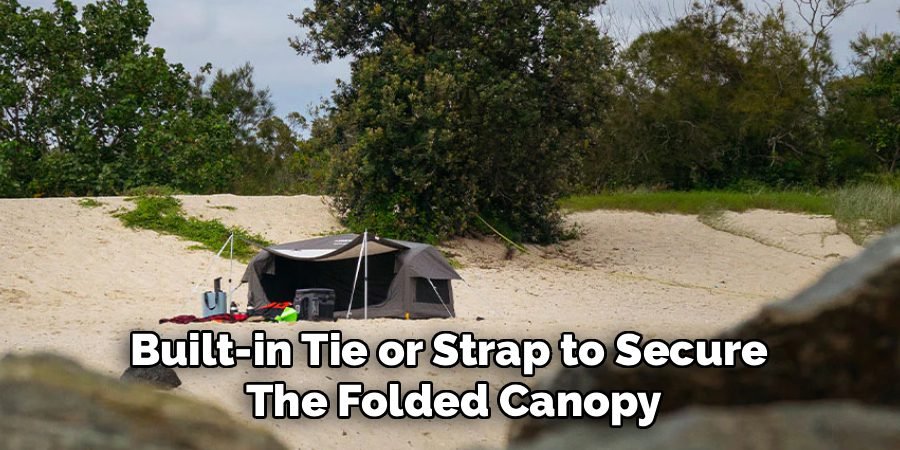
Use this to wrap the fabric snugly around the pole. If your umbrella does not have an attached tie, you can use a separate piece of fabric, a strap, or a bungee cord. Securing the canopy prevents it from accidentally opening and keeps it compact for easier handling and storage.
Step 6: Cover the Umbrella
Using a dedicated umbrella storage cover provides an essential layer of protection against dust, pests, and accidental scuffs or tears. These covers are specifically designed to fit the shape of a closed umbrella and are often made from durable, weather-resistant materials.
Slide the cover over the entire folded umbrella, from top to bottom, and secure it using the zipper or drawstring closure. This is a vital part of the process of how to store patio umbrella for winter, as it keeps the umbrella in pristine condition no matter where you decide to place it.
Step 7: Choose a Dry, Sheltered Storage Location
The final step is to move your clean, dry, and covered umbrella to a suitable storage location. The ideal spot is a dry, protected area where it won’t be exposed to moisture or extreme temperature fluctuations.
A garage, a basement, or a garden shed are all excellent choices. Avoid storing it directly on a concrete floor, as concrete can draw moisture. Instead, lay it horizontally on a shelf or stand it upright in a corner, propped up on a block of wood to keep it off the ground.
Proper storage of your umbrella offers several benefits, including extending its lifespan and maintaining its functionality.
By keeping it in a dry, protected area, you prevent damage from moisture, rust, and extreme temperatures. Additionally, using thoughtful storage methods ensures your umbrella remains in good condition, ready for use whenever needed.
Frequently Asked Questions (FAQ)
Is It Okay to Leave a Patio Umbrella Outside During Winter?
It is strongly advised not to leave your patio umbrella outside. The combination of snow, ice, wind, and moisture can cause significant damage to the fabric, frame, and mechanical parts. Proper storage will drastically increase its lifespan and keep it looking new for many seasons to come.
What Is the Best Way to Remove Mildew from an Umbrella Canopy?
For mildew, you can create a solution of one part white vinegar and one part water. Spray it on the affected areas and let it sit for about an hour before scrubbing with a soft brush and rinsing thoroughly. Always test the solution on an inconspicuous spot first.
How Should I Store the Umbrella Base?
If your base is filled with water or sand, empty it completely before storing to prevent cracking from frozen water. Clean the base with soap and water, let it dry, and store it alongside your umbrella. Heavy stone or concrete bases can typically be left outside if covered.
What if I Don’t Have a Garage or Shed for Storage?
If indoor space is limited, you can store it in a covered outdoor area like a porch or under a deck. Ensure it is in a heavy-duty, waterproof storage bag and positioned horizontally off the ground to protect it from ground moisture and pests as much as possible.
Can I Use a Tarp Instead of a Special Umbrella Cover?
Yes, a tarp can be used as an alternative if you don’t have a dedicated cover. Wrap the umbrella tightly in the tarp and secure it with bungee cords or rope. The goal is to create a barrier that keeps out dust, moisture, and pests during the storage period.
Conclusion
Learning how to store patio umbrella for winter is a simple yet crucial investment in the longevity of your outdoor decor. By taking the time to thoroughly clean, dry, and protect your umbrella before putting it away, you are defending it against the damaging effects of winter weather.
This ensures that when the warm weather returns, your umbrella will be in perfect condition, free from mildew, rust, or other damage. You can relax knowing it is ready to provide shade and style for another season.
This straightforward maintenance routine not only preserves the function and beauty of your umbrella but also saves you the expense of premature replacement. A little effort at the end of the season pays off with a welcoming and well-maintained outdoor space year after year.
Now that your umbrella is safely stored, you can enjoy the winter, confident that your patio will be ready for enjoyment as soon as spring arrives.

About
Jovie Mathews is a backyard and outdoor expert writer with over 12 years of hands-on experience transforming neglected outdoor spaces into thriving gardens and functional retreats. Raised in a family where weekends meant digging in the soil and building raised beds from scratch, Jovie developed a genuine love for the outdoors long before it became a career.
She writes with a practical, no-fluff approach — always testing ideas in her own backyard before sharing them with readers. From composting systems and native plant selection to patio design and pest control, Jovie covers the full spectrum of backyard life with equal parts expertise and enthusiasm.
Education
B.Sc. in Horticulture Science
University of Florida (UF) · Gainesville, FL · 2014
IFAS College of Agricultural and Life Sciences
Minor in Environmental Studies
University of Florida (UF) · Gainesville, FL · 2014
College of Liberal Arts and Sciences
Areas of expertise
- Lawn & Garden Care
- Soil prep, planting, seasonal care
- Outdoor DIY Projects
- Raised beds, fencing, pathways
- Composting & Soil Health
- Organic methods, amendments
- Native Plants & Wildlife
- Pollinators, habitat gardening
When she is not writing, Jovie can be found testing new composting techniques, growing tomatoes in questionable quantities, or convincing her neighbors that clover lawns are actually a great idea. She currently gardens in the Pacific Northwest.