
Trex decking is a popular choice for homeowners seeking a durable, low-maintenance alternative to traditional wood. Made from a composite of wood fibers and recycled plastic, it offers longevity and beauty. However, working with this material requires specific techniques, especially when it comes to making precise cuts.
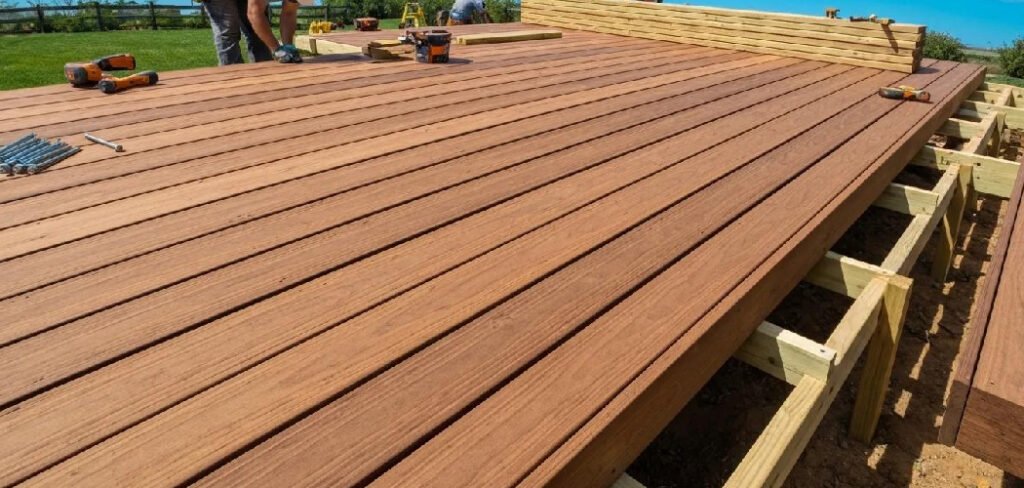
This guide provides a comprehensive overview of how to cut trex decking, ensuring you have the knowledge to achieve clean, professional results for your project. Properly cutting these boards is essential for a seamless installation and a flawless finish that will last for years.
Understanding the correct way to cut composite decking like Trex is crucial for several reasons. Unlike wood, which can be forgiving, composite materials can melt, chip, or create rough edges if cut with the wrong blade or technique. A clean, square cut is essential for tight-fitting joints and a professional appearance.
Improper cutting can lead to wasted material, which is costly, and can compromise the structural integrity and aesthetic of your deck. Furthermore, using the right blade and safety procedures protects you from injury and ensures your tools are not damaged. Mastering this skill is fundamental to a successful decking project.
Step-by-Step Guide use the main keyword
This section provides a detailed, practical guide to achieving perfect cuts on your Trex boards. The right tools and techniques make all the difference between a frustrating experience and a smooth, successful project.
We will cover everything from selecting the right saw blade to making the final cut with precision. This walkthrough simplifies the process of how to cut trex decking, breaking it down into seven manageable steps designed to give even a novice the confidence to produce expert-quality results for their new outdoor living space.
Step 1: Select the Right Saw Blade
The single most important factor for getting a clean cut on Trex is using the correct saw blade. A standard wood-cutting blade with a low tooth count will tear and chip the composite material. You need a blade specifically designed for composite decking or a carbide-tipped blade with a high tooth count (60-80 teeth for a 10- or 12-inch blade).

A fine-finish blade will produce the smoothest results. The carbide tips are harder and more durable, which helps them slice through the dense material without overheating or melting the plastic content. Never use a plywood or demolition blade.
Step 2: Prepare Your Tools and Safety Gear
Before making any cuts, gather all your necessary tools and personal protective equipment (PPE). You will need a miter saw for clean, straight crosscuts or a circular saw for longer rip cuts. You will also need a tape measure, a speed square for accurate marking, and clamps to secure the board.
For safety, always wear safety glasses to protect your eyes from flying debris. A dust mask is also highly recommended, as cutting composite material generates fine dust. Wearing gloves can help protect your hands and improve your grip on the tools and decking boards.
Step 3: Measure and Mark Your Cut Line
Accuracy starts with a perfect mark. Use a high-quality tape measure to determine the exact length you need. Measure twice to confirm your dimension before marking. Use a fine-tipped pencil or a carpenter’s pencil to make a clear, sharp line on the decking board.
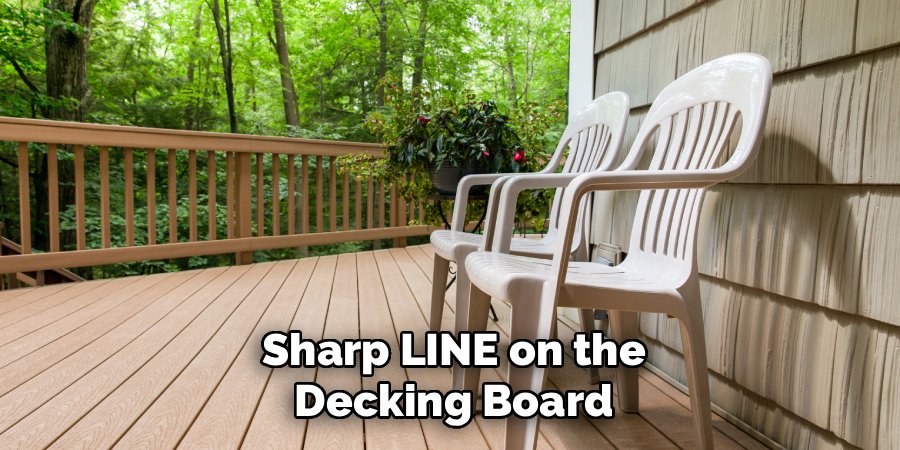
A speed square is an invaluable tool here; press it firmly against the edge of the board to draw a perfectly straight, 90-degree line across the face. For angled cuts, use the pivoting edge of the speed square or the angle adjustment on your miter saw. A precise line is your guide for a precise cut.
Step 4: Secure the Decking Board
Never attempt to cut a decking board that is not properly secured. An unsecured board can shift or vibrate during the cut, leading to an inaccurate line, a rough edge, or dangerous kickback from the saw. Place the Trex board on a stable work surface, like a pair of sawhorses or the bed of your miter saw.
Use clamps to hold the board firmly in place, ensuring it cannot move while the saw blade passes through it. This stability is key to allowing the blade to do its work cleanly and safely, giving you complete control over the cutting process.
Step 5: Make a Slow and Steady Cut
With the board marked and secured, you are ready to cut. Unlike wood, which you can often cut quickly, composite decking requires a slower, more deliberate approach. A fast pass can cause the plastic in the Trex to melt from the friction, leaving a messy, burred edge.
Start your saw and allow it to reach full speed before it makes contact with the board. Guide the saw through the material in a slow, steady, and continuous motion. Do not force the tool; let the blade do the work. This controlled pace ensures a clean, smooth cut without melting or chipping.
Step 6: Perform a Test Cut
If you are new to cutting composite decking or are using a new blade, it is always a good idea to perform a test cut on a scrap piece of Trex first. This allows you to check the quality of the cut and make any necessary adjustments before cutting your finished pieces.
Examine the test cut for any signs of melting, chipping, or a rough surface. If the cut is not clean, double-check that you are using the correct blade and that your cutting speed is slow and consistent. This simple step can save you from ruining expensive decking boards.
Step 7: Clean Up the Cut Edge
Even with the best blade and technique, you may occasionally find a slight burr or a few “fuzzies” of plastic along the cut edge. This is normal and easily fixed. After making your cut, take a moment to inspect the edge. If you see any rough spots, you can lightly sand them away with a fine-grit sandpaper (120-grit or higher) or use a deburring tool.

A quick pass with a utility knife can also be used to carefully shave off any melted plastic residue. This final touch ensures a perfectly smooth edge for tight-fitting joints and a professional finish.
Common Mistakes to Avoid
When cutting Trex, several mistakes can lead to poor results. The most common is using the wrong blade. A standard wood-ripping blade with a low tooth count will cause significant chipping and a rough finish. Always use a fine-finish, carbide-tipped blade. Another frequent error is cutting too fast. Rushing the saw through the material generates excess heat, which melts the plastic and creates a messy, burred edge.
Failing to properly support and clamp the board is also a critical mistake that can lead to inaccurate cuts and dangerous kickback. Finally, neglecting to wear safety gear, especially eye protection and a dust mask, is a serious oversight that puts your health at risk.
Frequently Asked Questions (FAQ)
Can I Use a Jigsaw to Cut Trex Decking?
A jigsaw can be used for cutting curves, notches, or complex shapes in Trex decking. However, for straight cuts, it is not the ideal tool as it is difficult to achieve a perfectly straight line. If you must use a jigsaw, select a fine-tooth blade designed for composites or plastics and use a slow, steady speed to prevent melting.
What Is the Best Saw for Cutting Trex Decking?
For straight crosscuts, a miter saw equipped with a fine-finish composite blade is the best choice. It provides the most accuracy, control, and the cleanest cut. For long rip cuts (cutting a board lengthwise), a table saw or a circular saw with a guide track is recommended. A circular saw is more versatile for on-site adjustments.
Does Cutting Trex Void the Warranty?
No, cutting Trex decking to size for installation does not void the warranty. The Trex warranty covers issues like fading, staining, and material defects. However, the warranty does require that the decking be installed according to the manufacturer’s official installation guide, which includes proper cutting and fastening techniques. Damage caused by improper installation is not covered.
Do I Need to Seal the Cut Ends of Trex?
No, one of the benefits of Trex composite decking is that it does not require sealing. The material is non-porous and consistent all the way through, so the cut ends are just as resistant to moisture, rot, and insect damage as the surface of the board. You can leave the cut ends exposed without any risk to the board’s integrity.
How Do I Minimize Dust When Cutting Trex?
To minimize dust, consider using a saw with an attached dust collection bag or hooking it up to a shop vacuum. Cutting outdoors also helps disperse the dust naturally. If you are working in an enclosed space, proper ventilation is essential. Always wear a high-quality dust mask to avoid inhaling the fine particles generated during cutting. This is an important safety aspect of how to cut trex decking.
Conclusion
Successfully cutting Trex decking is a skill that combines the right tools with the right technique. By investing in a high-quality, carbide-tipped blade and practicing a slow, steady cutting motion, you can achieve the clean, professional edges needed for a beautiful deck.
Remember to prioritize safety by wearing the appropriate gear and securing your boards before every cut. With the knowledge from this guide, you now understand how to cut trex decking with confidence, ensuring your project is a success from the very first board to the last.

About
Jovie Mathews is a backyard and outdoor expert writer with over 12 years of hands-on experience transforming neglected outdoor spaces into thriving gardens and functional retreats. Raised in a family where weekends meant digging in the soil and building raised beds from scratch, Jovie developed a genuine love for the outdoors long before it became a career.
She writes with a practical, no-fluff approach — always testing ideas in her own backyard before sharing them with readers. From composting systems and native plant selection to patio design and pest control, Jovie covers the full spectrum of backyard life with equal parts expertise and enthusiasm.
Education
B.Sc. in Horticulture Science
University of Florida (UF) · Gainesville, FL · 2014
IFAS College of Agricultural and Life Sciences
Minor in Environmental Studies
University of Florida (UF) · Gainesville, FL · 2014
College of Liberal Arts and Sciences
Areas of expertise
- Lawn & Garden Care
- Soil prep, planting, seasonal care
- Outdoor DIY Projects
- Raised beds, fencing, pathways
- Composting & Soil Health
- Organic methods, amendments
- Native Plants & Wildlife
- Pollinators, habitat gardening
When she is not writing, Jovie can be found testing new composting techniques, growing tomatoes in questionable quantities, or convincing her neighbors that clover lawns are actually a great idea. She currently gardens in the Pacific Northwest.