
Your Bestway Power Steel pool has been the source of endless summer fun, providing a cool escape from the heat. But as the seasons change, the time comes for the inevitable end-of-season chore: draining the pool for storage or maintenance.
This task can seem daunting, especially when you consider the thousands of gallons of water involved. Where does all that water go? How do you do it without creating a swamp in your backyard? Thankfully, Bestway has designed their pools with user-friendly features to make this process as painless as possible.
This guide will walk you through the simple, step-by-step process of how to drain Bestway Power Steel pool systems safely and efficiently, ensuring your backyard stays dry and your pool is ready for its next season of fun.
Draining your Bestway Power Steel pool might seem like a daunting task, but with the right tools and guidance, it can be a straightforward and stress-free process. Properly handling this step is crucial in maintaining the longevity of your pool and ensuring it’s ready for future use.
By following a few simple instructions, you’ll be able to safely drain your pool, protect your yard from unwanted water accumulation, and prepare for storage or cleaning with ease.
How to Drain Bestway Power Steel Pool: A Step-by-Step Guide
Step 1: Stop Chemical Treatment and Plan Drainage
Before you begin, you need to consider the environment and your local regulations. Stop adding chlorine or any other pool chemicals to the water at least one to two weeks before you plan to drain it. This allows the chemicals to dissipate to a level that will not harm your lawn or the local ecosystem.

You must also decide where the water will go. Never drain chlorinated water directly into a storm drain, as this can harm aquatic life. The best option is to drain it slowly onto your own lawn, away from your home’s foundation. Check your local municipal guidelines, as some areas have specific rules about pool water disposal.
Step 2: Locate the Drain Valve and Attach the Adapter
Your Bestway Power Steel pool is equipped with a drain valve on the exterior wall, usually near the bottom. It typically has a cap that you will need to unscrew. Included with your pool is a special hose adapter designed to fit this valve. Once you have removed the outer cap, take this adapter and screw it securely onto the valve.
This adapter is the key component that allows you to connect a standard garden hose, giving you control over where the thousands of gallons of water will be directed. Make sure the adapter is threaded on straight and feels snug to prevent leaks once the water starts flowing.
Step 3: Connect the Garden Hose
With the adapter in place, you can now connect your garden hose. Take the female end of a standard garden hose and screw it onto the threaded end of the adapter you just attached to the pool. Ensure this connection is also tight to avoid any unwanted leakage at the pool’s base.
Before proceeding, walk the entire length of the hose to its destination and make sure there are no kinks or twists that could obstruct water flow. The end of the hose should be placed in the designated drainage area you planned earlier, positioned on a downhill slope if possible to let gravity do the work for you.
Step 4: Open the Inner Drain Plug to Start the Flow
Now you are ready to start the main event. Go inside the pool and locate the inner portion of the drain valve. You will see a plug covering the opening. This is the final stopper holding the water back. Push this plug out of the valve from the inside of the pool liner.
As soon as you dislodge this plug, water will begin to flow through the valve, into the adapter, and out through your garden hose. This is a slow and steady process by design. It prevents a sudden, massive rush of water that could cause flooding or erosion in your yard, making it a safe method for how to drain Bestway Power Steel pool systems.
Step 5: Monitor the Draining Process
Draining thousands of gallons of water through a small garden hose takes time—potentially several hours or even overnight, depending on the size of your pool. It is important to monitor the process periodically. Check on the drainage area to ensure it is absorbing the water and not becoming oversaturated or causing runoff into your neighbor’s yard or a public street.

Also, check the connection at the pool valve to make sure there are no significant leaks. This slow, gravity-fed drain is the safest way to empty the bulk of the water from your pool without needing any special equipment.
Step 6: Remove the Last Few Inches
Gravity alone will only drain the water down to the level of the valve, leaving a few inches of water at the bottom of the pool. To remove this last bit, you will need to get a little creative.
One effective method is to have one person lift the side of the pool opposite the drain valve, tilting the liner to push the remaining water towards the opening. For the very last puddles, you can use buckets, a wet/dry shop vacuum, or even sponges to get the pool liner as dry as possible. This is a crucial step before cleaning and storing.
Step 7: Clean and Dry the Pool Liner for Storage
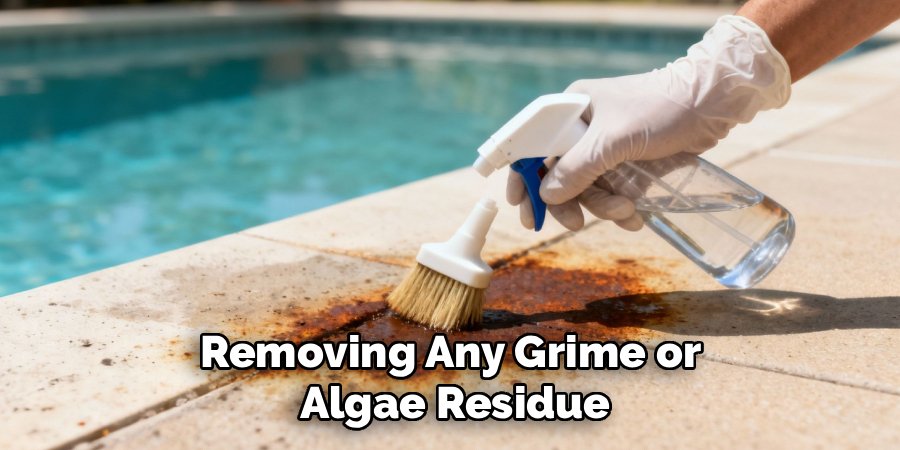
Once the pool is completely empty, it needs to be cleaned and thoroughly dried before you pack it away for the winter. Use a soft cloth or sponge with a mild soap and water solution to wipe down the inside of the liner, removing any grime or algae residue.
After cleaning, let the liner air-dry completely in the sun. Any trapped moisture can lead to mold, mildew, and significant damage during storage. A sprinkle of talcum powder can help absorb any final traces of moisture and prevent the vinyl from sticking to itself when folded.
Frequently Asked Questions (FAQ)
Can I Use a Sump Pump to Drain the Pool Faster?
Yes, a submersible sump pump is a much faster way to drain your pool. You simply place the pump in the center of the pool, attach a wider discharge hose, and plug it in. It can empty the pool in a fraction of the time.
However, you must be careful to monitor the discharge area, as the faster flow can cause erosion or flooding if your yard cannot absorb the water quickly enough.
What Should I Do With the Pool Water?
The most common and eco-friendly option is to use it to water your lawn and trees, provided the chlorine level is below 0.1 PPM.
- Wait: Stop adding chemicals 1-2 weeks before draining.
- Test: Use a pool test kit to confirm the chlorine has dissipated.
- Regulations: Never drain pool water into a storm drain, as it can harm local aquatic life. Always check your local city or county regulations first.
How Long Does It Take to Drain the Pool With the Included Adapter?
The time it takes depends entirely on the size of your pool and the diameter of your garden hose. A smaller 12-foot pool might drain in 6-8 hours, while a large 24-foot Power Steel pool could take 24 hours or more.
It is a slow process designed for safety and to prevent overwhelming your yard with water. Plan to start the process on a day when you can let it run for an extended period.
Why Won’t the Last Few Inches of Water Drain Out?
The drain valve is positioned a few inches above the very bottom of the pool liner. Gravity can only pull the water down to the level of that opening. Once the water level is below the valve, the flow will stop.
This is normal for all above-ground pools. You will need to manually remove the remaining water by tilting the pool, using buckets, or a shop vacuum.
Is It Necessary to Completely Dry the Pool Before Storing?
Absolutely. This is one of the most critical steps for long-term storage. Any moisture left in the liner when it is folded up will create a perfect environment for mold and mildew to grow over the winter.
This can stain the liner, create unpleasant odors, and even cause the vinyl material to degrade and weaken, potentially leading to leaks next season.
Conclusion
Draining your backyard oasis at the end of the season does not have to be a complicated ordeal. By understanding the built-in features of your pool and following a few simple safety precautions, you can manage the process with ease.
The key takeaways are to plan your drainage, allow chemicals to dissipate, and use the provided drain adapter for a slow, controlled release of water. A little patience is all it takes to safely empty the pool and prepare it for a long winter’s nap.
Now that you have a clear guide on how to drain Bestway Power Steel pool systems, you can confidently tackle this end-of-season task, ensuring your investment is protected and ready for another year of summer fun.

About
Jovie Mathews is a backyard and outdoor expert writer with over 12 years of hands-on experience transforming neglected outdoor spaces into thriving gardens and functional retreats. Raised in a family where weekends meant digging in the soil and building raised beds from scratch, Jovie developed a genuine love for the outdoors long before it became a career.
She writes with a practical, no-fluff approach — always testing ideas in her own backyard before sharing them with readers. From composting systems and native plant selection to patio design and pest control, Jovie covers the full spectrum of backyard life with equal parts expertise and enthusiasm.
Education
B.Sc. in Horticulture Science
University of Florida (UF) · Gainesville, FL · 2014
IFAS College of Agricultural and Life Sciences
Minor in Environmental Studies
University of Florida (UF) · Gainesville, FL · 2014
College of Liberal Arts and Sciences
Areas of expertise
- Lawn & Garden Care
- Soil prep, planting, seasonal care
- Outdoor DIY Projects
- Raised beds, fencing, pathways
- Composting & Soil Health
- Organic methods, amendments
- Native Plants & Wildlife
- Pollinators, habitat gardening
When she is not writing, Jovie can be found testing new composting techniques, growing tomatoes in questionable quantities, or convincing her neighbors that clover lawns are actually a great idea. She currently gardens in the Pacific Northwest.