
Enjoying a relaxing soak in your hot tub is one of life’s simple pleasures. However, maintaining the perfect water chemistry is key to a safe and comfortable experience. Sometimes, you might test your water and find that the bromine levels are too high. This can lead to skin irritation, a strong chemical smell, and even damage to your spa components.
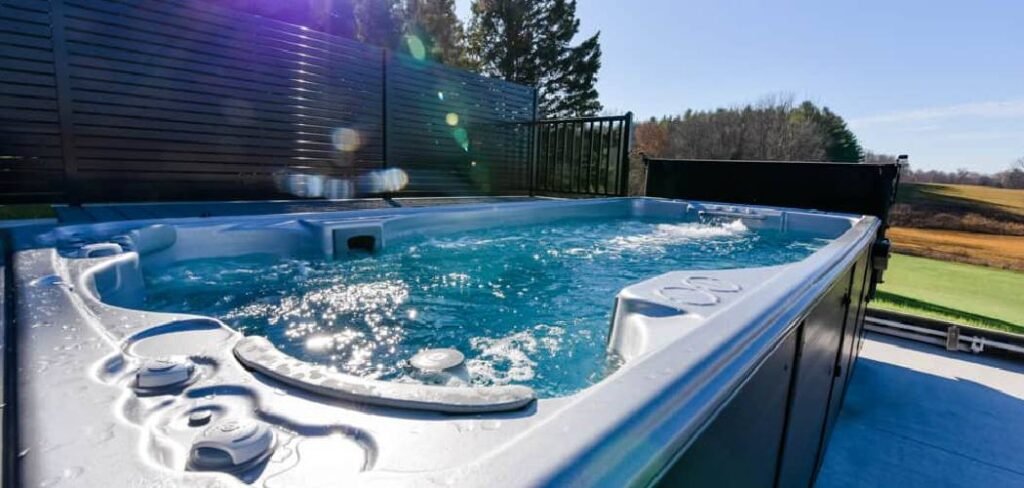
Learning how to lower bromine in a hot tub is a fundamental skill for any owner. This guide will walk you through the process step by step, ensuring your spa water is balanced, clean, and ready for you to enjoy. We’ll cover everything from testing your water to using specific products to get those levels just right.
Why Bromine Levels Matter in Your Hot Tub
Properly balanced bromine is essential for keeping your hot tub water sanitized and free from harmful bacteria and algae. Bromine acts as a disinfectant, but when its concentration becomes too high, it can cause problems. Elevated levels can lead to uncomfortable skin and eye irritation for bathers. You might also notice a harsh chemical odor that detracts from the relaxing spa atmosphere. Over time, persistently high bromine can corrode your hot tub’s heater, jets, and pillows, leading to costly repairs. Regularly monitoring and adjusting your water chemistry ensures a safe, pleasant, and long-lasting hot tub experience for everyone.
7 Step Methods Guide on How to Lower Bromine in a Hot Tub
Step 1: Stop Adding Sanitizer
The first and most logical step is to cease adding any more bromine to your hot tub. If you use an automatic brominator or a floating dispenser, remove it from the water immediately. This action stops the source of the high bromine, preventing the levels from climbing even further.
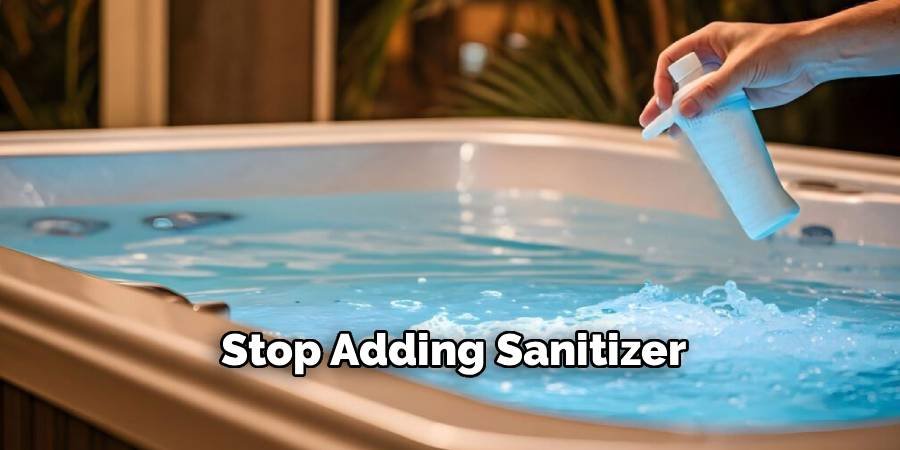
It’s a simple but critical measure that gives you control over the situation. Allowing the current bromine to dissipate without adding more is the foundation of the reduction process. This pause allows you to accurately assess the situation and decide on the most effective next steps without fighting an uphill battle.
Step 2: Test Your Hot Tub Water Accurately
Before taking any corrective action, you need a precise reading of your current water chemistry. Use a reliable test kit—either test strips or a digital reader—to measure your hot tub’s bromine, pH, and total alkalinity levels. High bromine can sometimes interfere with other readings, so getting an accurate measurement is crucial. Follow the testing instructions carefully. Understanding your exact bromine level, measured in parts per million (ppm), will determine which of the following methods is most appropriate for your situation. Ideal bromine levels are typically between 3 and 5 ppm, so anything significantly above that range needs attention.
Step 3: Uncover and Aerate the Hot Tub
One of the simplest, non-chemical methods for reducing bromine is to let it dissipate naturally. Remove the hot tub cover to expose the water to open air and sunlight. Turn on the jets and air blowers to aerate the water. This process, known as off-gassing, helps the bromine sanitizer break down and release from the water as a gas. UV rays from direct sunlight are particularly effective at accelerating this process. While this method is gentle and free, it is also slow. It works best for moderately high bromine levels and may take several hours or even a full day to show significant results.
Step 4: Dilute the Water
A straightforward way to lower any chemical concentration is through dilution. Drain a portion of your hot tub’s water—about one-quarter to one-third of the total volume—and refill it with fresh water from your hose. This process physically reduces the amount of bromine per gallon.
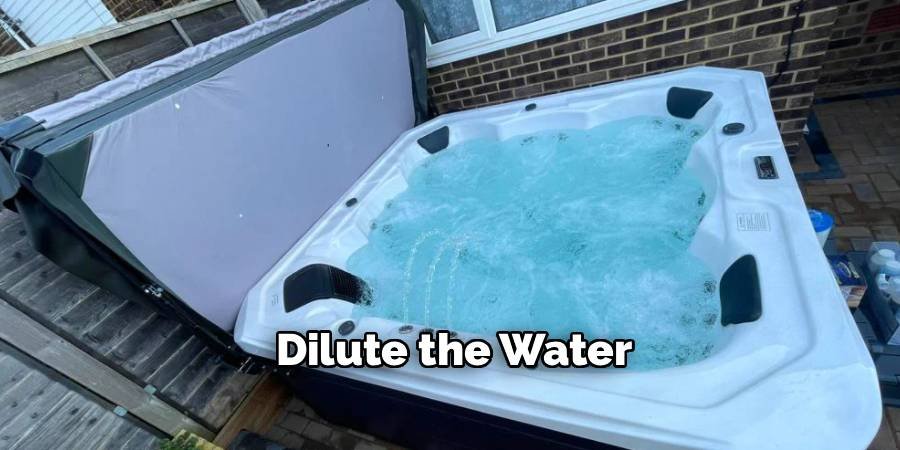
After refilling, allow the water to circulate for at least 30 minutes to ensure it is thoroughly mixed. Then, retest your water to see the new bromine level. This method is effective, but keep in mind that you will also need to rebalance other chemical levels, such as pH, alkalinity, and calcium hardness, after adding fresh water.
Step 5: How to Lower Bromine in a Hot Tub with a Neutralizer
For significantly high bromine levels, using a chemical neutralizer is the fastest and most effective solution. Products containing sodium thiosulfate are specifically designed for this purpose and are available at most pool and spa supply stores. These neutralizers work quickly to counteract the bromine. It is essential to read the product’s instructions carefully, as adding too much can completely eliminate all the bromine, leaving your tub unsanitized. Start by adding a small, measured amount, allow the water to circulate, and then retest after the recommended time before adding more if necessary.
Step 6: Use Hydrogen Peroxide
Another option for reducing sanitizer levels is to use a non-chlorine shock treatment that contains hydrogen peroxide. While typically used to break down organic contaminants and reactivate bromine, a larger dose of certain shock treatments can help reduce high sanitizer readings.
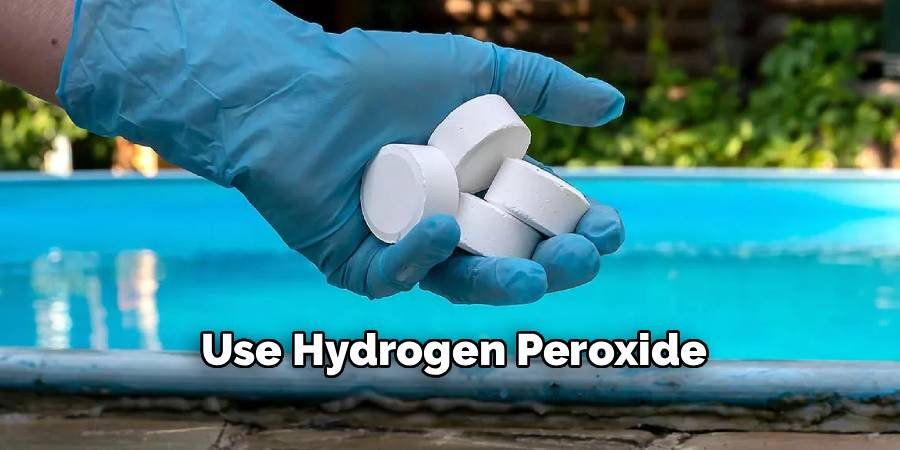
This method is less direct than using a dedicated neutralizer like sodium thiosulfate but can be effective for moderate over-bromination. Ensure the product you choose is compatible with your bromine system. As with any chemical addition, follow the manufacturer’s instructions precisely to avoid unexpected chemical reactions or throwing your water chemistry further out of balance.
Step 7: Wait It Out
If your bromine levels are only slightly elevated and you are not in a hurry to use the hot tub, patience can be a viable strategy. As discussed in the aeration step, bromine will naturally break down over time, especially when the cover is off and the jets are running. Regular use of the hot tub also helps, as organic materials introduced by bathers (like oils and skin cells) consume the sanitizer. This is the slowest method and is only practical if the bromine is just over the recommended range. It requires no chemicals or effort beyond leaving the cover off for a while.
Retest and Readjust All Chemical Levels
After you have successfully lowered the bromine into the ideal 3-5 ppm range, your work isn’t quite finished. The final step is to perform a comprehensive water test again. Check the bromine, pH, total alkalinity, and calcium hardness. The methods used to lower bromine, especially dilution or adding chemicals, can affect these other parameters. Adjust your pH and alkalinity as needed to bring them into their proper ranges. Ensuring all aspects of your water chemistry are balanced is essential for sanitizer effectiveness, bather comfort, and protecting your hot tub equipment from damage.
Frequently Asked Questions
What Happens If Bromine Is Too High in a Hot Tub?
When bromine levels exceed the recommended range of 3-5 ppm, it can cause several issues. Bathers may experience skin rashes, itching, and eye irritation. A strong, unpleasant chemical odor can also develop, making the spa experience less enjoyable. Persistently high bromine levels are corrosive and can damage hot tub components over time, including pillows, jets, and the heater element. It can also interfere with the accuracy of other chemical readings, making it difficult to balance your water properly.
How Long Does It Take for Bromine Levels to Go Down?
The time it takes for bromine levels to decrease depends on the method you use. If you simply wait and let it dissipate naturally with the cover off and jets on, it could take anywhere from a few hours to over a day. Diluting the water by draining and refilling provides a faster result, often within an hour of circulating the new water. Using a chemical neutralizer like sodium thiosulfate is the quickest method, often working in under 30 minutes to significantly reduce bromine levels.
Can I Use the Hot Tub with High Bromine?
It is not recommended to use your hot tub when bromine levels are significantly high. Levels above 10 ppm can be harsh on your skin and eyes, leading to irritation and discomfort. The strong chemical smell alone can make the experience unpleasant. For safety and comfort, it’s best to wait until you have lowered the bromine to the ideal range of 3-5 ppm before getting in for a soak.
Does Shocking a Hot Tub Lower Bromine?
This is a common point of confusion. Typically, shocking a bromine hot tub with a non-chlorine shock (potassium monopersulfate) reactivates used bromine (bromide) back into active bromine, which can temporarily raise your reading. However, some oxidizers or an overdose of certain shock types can break down the sanitizer. If your goal is to lower bromine, a specific neutralizer is a more reliable choice than a standard shock treatment. Always read the product label to understand its effect.
How Do I Prevent Bromine Levels from Getting Too High?
Prevention is always easier than correction. To avoid high bromine levels, be precise with your chemical additions. If you use a floating dispenser or an in-line brominator, set it to the lowest setting that maintains the proper 3-5 ppm range. Test your water 2-3 times per week and adjust your sanitizer input accordingly. Avoid “shocking” your tub with bromine granules unless necessary. Consistent, careful management will help you maintain perfectly balanced water without overshooting the mark.
Conclusion
Maintaining your hot tub’s water chemistry is a skill that ensures every soak is a great one. While discovering high bromine levels can be frustrating, you are now equipped with the knowledge to handle it confidently. From simple aeration and dilution to using a chemical neutralizer, there is a solution for every situation. By following these steps, you can effectively rebalance your water and get back to enjoying your spa. Remember to test your water regularly to prevent the issue from happening again. Mastering how to lower bromine in a hot tub is a key part of responsible ownership that protects both your investment and your well-being.

About
Jovie Mathews is a backyard and outdoor expert writer with over 12 years of hands-on experience transforming neglected outdoor spaces into thriving gardens and functional retreats. Raised in a family where weekends meant digging in the soil and building raised beds from scratch, Jovie developed a genuine love for the outdoors long before it became a career.
She writes with a practical, no-fluff approach — always testing ideas in her own backyard before sharing them with readers. From composting systems and native plant selection to patio design and pest control, Jovie covers the full spectrum of backyard life with equal parts expertise and enthusiasm.
Education
B.Sc. in Horticulture Science
University of Florida (UF) · Gainesville, FL · 2014
IFAS College of Agricultural and Life Sciences
Minor in Environmental Studies
University of Florida (UF) · Gainesville, FL · 2014
College of Liberal Arts and Sciences
Areas of expertise
- Lawn & Garden Care
- Soil prep, planting, seasonal care
- Outdoor DIY Projects
- Raised beds, fencing, pathways
- Composting & Soil Health
- Organic methods, amendments
- Native Plants & Wildlife
- Pollinators, habitat gardening
When she is not writing, Jovie can be found testing new composting techniques, growing tomatoes in questionable quantities, or convincing her neighbors that clover lawns are actually a great idea. She currently gardens in the Pacific Northwest.