
As winter approaches, chicken keepers face a recurring challenge: ensuring their flock has constant access to fresh, unfrozen water. Chickens need water to regulate their body temperature, digest food, and produce eggs. When their water source freezes, they can quickly become dehydrated, leading to serious health issues.
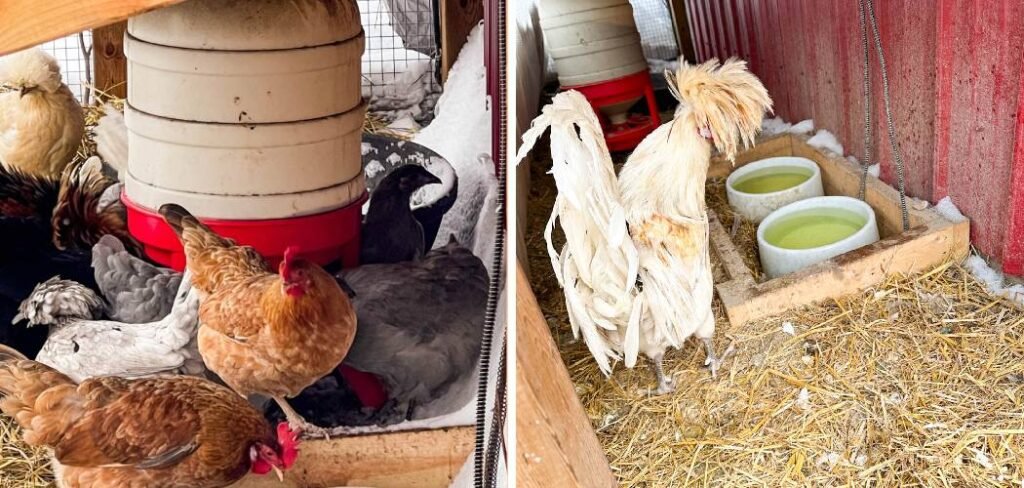
This guide will provide simple, effective methods for how to keep water from freezing for chickens, ensuring your flock stays healthy and hydrated all winter long. We will explore several practical solutions, from simple tricks to specialized equipment, suitable for any backyard coop.
Why Keeping Water Unfrozen is Crucial
A chicken’s body is over 60% water, making hydration essential for survival, especially in cold weather. Water is vital for nearly every bodily function, including metabolism, which helps them generate heat and stay warm. Dehydration can set in rapidly if their only water source turns to ice.
This can lead to decreased egg production, lethargy, frostbite on combs and wattles, and even death in severe cases. By ensuring a constant supply of liquid water, you are protecting your flock’s health, supporting their natural ability to withstand the cold, and maintaining their productivity throughout the winter months.
8 Step Methods Guide on How to Keep Water from Freezing for Chickens
Step 1: Choose the Right Waterer
The first step in preventing frozen water is selecting an appropriate waterer. Plastic waterers are more susceptible to cracking in freezing temperatures than their metal counterparts. Galvanized metal founts are durable and conduct heat more effectively, which can slightly delay freezing.
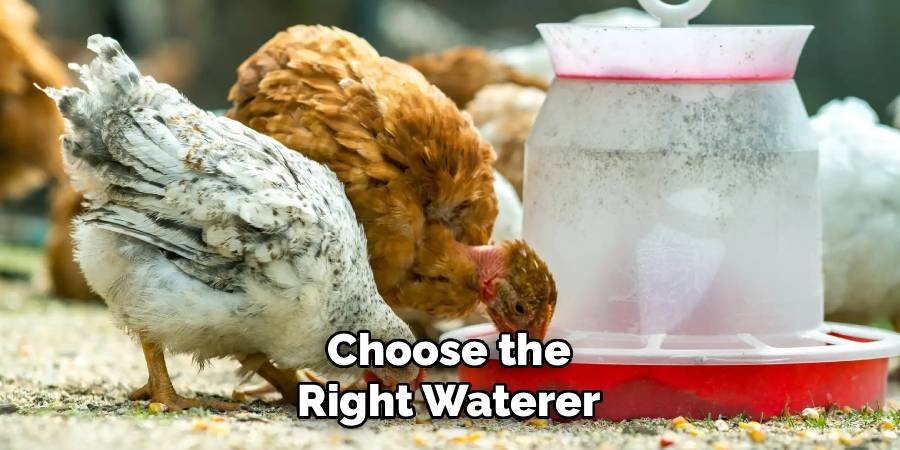
Consider a waterer with a large capacity to reduce the frequency of refills. Black rubber tubs are another excellent choice; their dark color absorbs sunlight, and the flexible material can withstand ice expansion without breaking. You can often dislodge ice simply by flexing the tub.
Step 2: Use the Ping Pong Ball Method
A simple yet surprisingly effective trick is to float a few ping pong balls in your chickens’ waterer. The slightest breeze will cause the balls to move, creating constant ripples on the water’s surface. This continuous motion helps prevent a solid layer of ice from forming, especially during light frosts or in milder winter climates.
While this method may not be sufficient for deep freezes, it is an inexpensive and easy-to-implement strategy that can significantly delay the freezing process and works well in combination with other techniques.
Step 3: Relocate Waterers to a Sunny Spot
Harnessing the sun’s natural energy is a free and effective way to help keep water thawed. Position your chicken waterers in the sunniest part of their coop or run. Even on a cold day, direct sunlight can provide enough warmth to prevent a thin layer of ice from forming or melt it if it does.
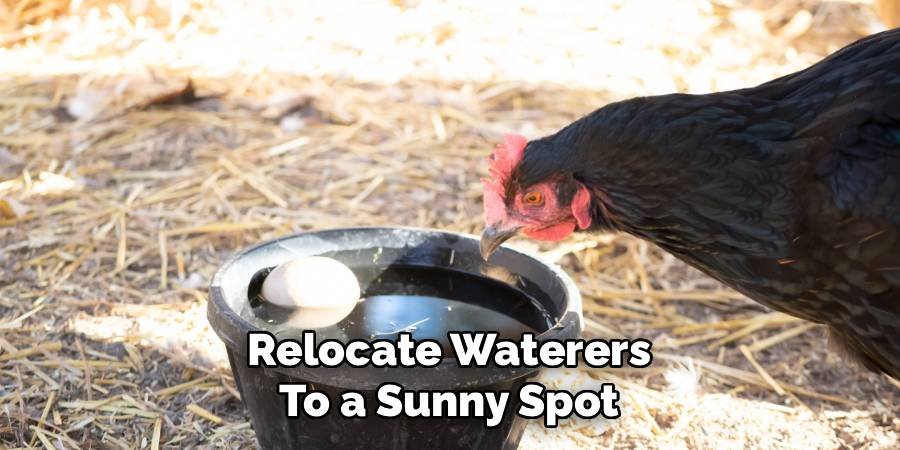
Observe where the sun hits their enclosure throughout the day and place the waterer there. This simple relocation can make a significant difference, extending the time the water remains liquid and accessible to your flock.
Step 4: Implement the “Hot Water Swap” Routine
For those with smaller flocks or the ability to check on their chickens multiple times a day, the hot water swap is a reliable method. It involves bringing a kettle of hot (not boiling) water out to the coop two or three times daily. Use the hot water to melt any ice that has formed and to top off the waterer.
This raises the overall temperature of the water, delaying the next freeze. This approach requires dedication but is a cost-free solution for ensuring your chickens have drinkable water during the coldest parts of the day.
Step 5: How to Keep Water from Freezing for Chickens Using an Insulated Base
Creating an insulated base for your waterer can significantly slow down heat loss and prevent freezing from the bottom up. You can build a simple “nest” for your waterer using a car tire filled with straw or wood shavings.
The black rubber of the tire will absorb solar heat, and the insulation inside will protect the waterer from the cold ground. This method elevates the waterer, keeping it cleaner while creating a thermal barrier that helps maintain the water’s temperature for longer periods.
Step 6: Create a Saltwater Bottle Float (Use with Caution)
This method involves creating a floating warmer using a sealed plastic bottle. Fill a small, securely sealed plastic bottle with a high concentration of saltwater. Saltwater has a much lower freezing point than freshwater. Float this sealed bottle in your chickens’ waterer.
The saltwater inside the bottle will remain liquid long after the surrounding fresh water would have frozen. Its slight movement and temperature difference can help keep a small area of the waterer ice-free. Ensure the bottle is completely sealed so the chickens cannot access the saltwater.
Step 7: Invest in a Heated Waterer Base
For a dependable, set-it-and-forget-it solution, a heated waterer base is an excellent investment. These are flat, electric heating elements designed to sit underneath a metal or plastic waterer. They use a low-wattage thermostat to turn on when temperatures drop near freezing, providing just enough heat to prevent ice from forming.
This is one of the most reliable methods for how to keep water from freezing for chickens, ensuring a constant supply of liquid water even in sub-zero temperatures with minimal daily effort.
Step 8: Purchase an All-in-One Heated Waterer
The most comprehensive solution is an all-in-one heated waterer. These units have a heating element built directly into the water reservoir. They are thermostatically controlled, activating only when needed to save electricity.
While they represent a higher initial cost, they are incredibly efficient and provide peace of mind for chicken keepers in regions with harsh winters. These systems are designed for outdoor use and are built to be safe and durable, eliminating the daily worry of frozen water.
Common Mistakes to Avoid
When managing heated waterers, there are a few common mistakes that chicken keepers should be mindful of to ensure optimal performance and safety. One frequent error is neglecting to regularly clean the waterer, which can lead to the build-up of algae or debris, potentially clogging the system. Another mistake is using extension cords that are not rated for outdoor use, which can create a fire hazard.
It’s also important to double-check that the waterer is placed on a stable and level surface to prevent tipping or spills. Additionally, failing to inspect the heating element periodically for wear and tear can result in unexpected malfunctions. Being aware of these pitfalls helps ensure both the health of your flock and the longevity of your heated waterer.
Frequently Asked Questions
Is It Safe to Use Salt in My Chickens’ Water to Prevent Freezing?
No, you should never add salt directly to your chickens’ drinking water. Chickens are highly sensitive to salt, and consuming it can lead to salt poisoning, which can be fatal. While you can use a sealed bottle of saltwater as a floating warmer, it is critical to ensure the bottle is completely leak-proof. The chickens must not have any direct contact with the saltwater.
How Much Water Do Chickens Need in the Winter?
A chicken typically drinks about a pint of water a day, but this can vary. In winter, they may drink slightly less than in summer, but hydration is still critical for them to regulate body temperature and digest food. A flock of six chickens will need at least half a gallon of fresh water daily. Always provide more than you think they will need to account for spillage and to ensure water is always available.
Can Chickens Eat Snow for Hydration?
While chickens may peck at snow, it is not an adequate substitute for fresh water. Eating snow forces their bodies to expend precious energy and calories to melt it, which can lower their core body temperature and increase their risk of hypothermia. Access to liquid water is essential for them to stay properly hydrated and warm throughout the winter.
At What Temperature Does Chicken Water Start to Freeze?
Water begins to freeze at 32°F (0°C). However, the speed at which it freezes depends on several factors, including the volume of water, the material of the waterer, and its exposure to wind and sun. A small plastic waterer in a shady, windy spot will freeze much faster than a large, black rubber tub placed in direct sunlight.
Are Electric Heated Waterers a Fire Hazard in a Coop?
Modern heated waterers and bases are designed with safety as a top priority. Look for models that are certified by safety organizations like UL or MET. To minimize risk, always:
- Use a heavy-duty, outdoor-rated extension cord.
- Keep the cord out of reach of the chickens.
- Ensure all connections are protected from moisture.
- Regularly inspect the cord and unit for any signs of damage or wear.
Conclusion
Keeping your flock hydrated during the winter doesn’t have to be a stressful chore. By using one or more of the methods discussed, you can ensure your chickens have a constant supply of fresh, unfrozen water. From simple solutions like using ping pong balls and sunlight to more robust options like heated bases, there is a strategy for every budget and climate.
Taking the time to learn how to keep water from freezing for chickens is a fundamental part of responsible flock management. Your efforts will be rewarded with healthy, happy, and productive birds all winter long.

About
Jovie Mathews is a backyard and outdoor expert writer with over 12 years of hands-on experience transforming neglected outdoor spaces into thriving gardens and functional retreats. Raised in a family where weekends meant digging in the soil and building raised beds from scratch, Jovie developed a genuine love for the outdoors long before it became a career.
She writes with a practical, no-fluff approach — always testing ideas in her own backyard before sharing them with readers. From composting systems and native plant selection to patio design and pest control, Jovie covers the full spectrum of backyard life with equal parts expertise and enthusiasm.
Education
B.Sc. in Horticulture Science
University of Florida (UF) · Gainesville, FL · 2014
IFAS College of Agricultural and Life Sciences
Minor in Environmental Studies
University of Florida (UF) · Gainesville, FL · 2014
College of Liberal Arts and Sciences
Areas of expertise
- Lawn & Garden Care
- Soil prep, planting, seasonal care
- Outdoor DIY Projects
- Raised beds, fencing, pathways
- Composting & Soil Health
- Organic methods, amendments
- Native Plants & Wildlife
- Pollinators, habitat gardening
When she is not writing, Jovie can be found testing new composting techniques, growing tomatoes in questionable quantities, or convincing her neighbors that clover lawns are actually a great idea. She currently gardens in the Pacific Northwest.