
Discovering brown, spongy patches in your otherwise green lawn can be disheartening. Often, the culprits are hidden just beneath the surface: lawn grubs. These C-shaped, white larvae are the immature form of various beetles, and they feast on the roots of your grass, causing significant damage.
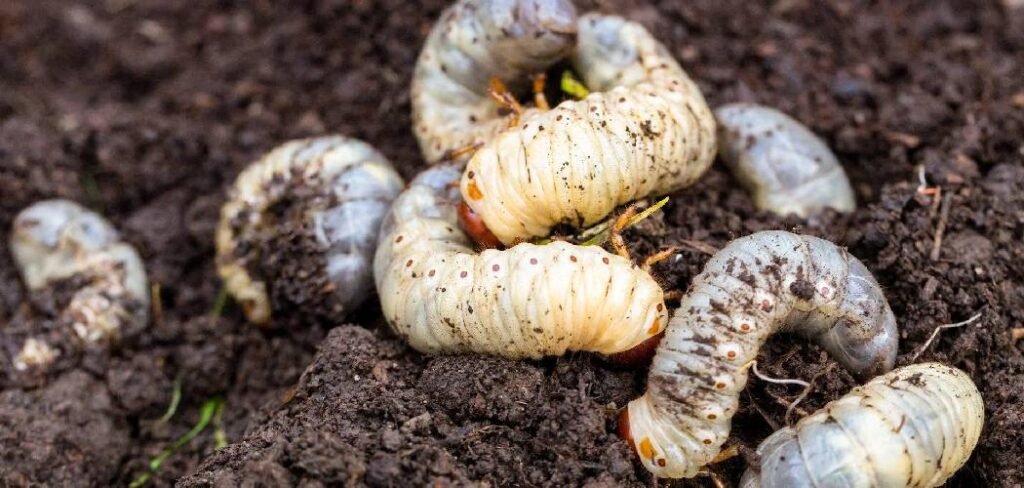
A small infestation might go unnoticed, but a larger population can quickly turn a lush lawn into a patchy, unhealthy mess. Understanding how to get rid of lawn grubs is the first step toward reclaiming your yard and ensuring its long-term health. This guide will walk you through effective, beginner-friendly methods to identify, treat, and prevent these destructive pests, helping you restore your lawn’s natural beauty.
The Life and Times of a Lawn Grub
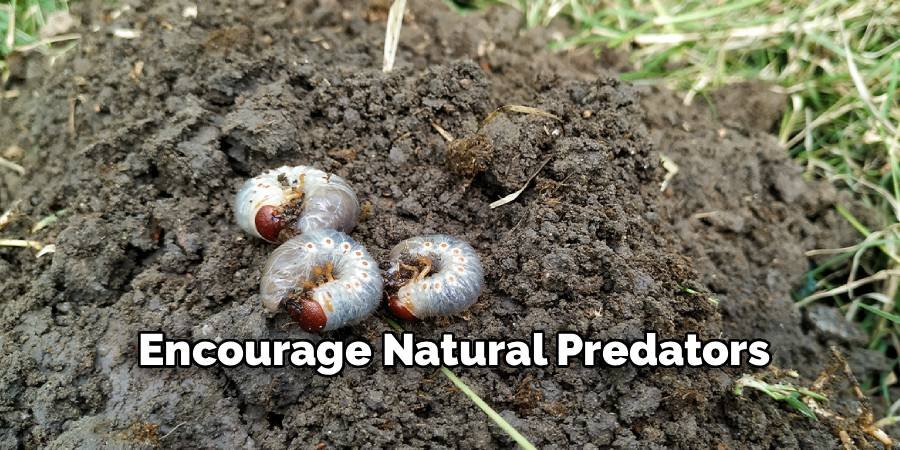
To effectively combat lawn grubs, it helps to understand who your opponent is. Lawn grubs are the larval stage of several types of scarab beetles, including Japanese beetles, June bugs, and European chafers. Adult beetles lay their eggs in the soil during the summer. Once these eggs hatch, the tiny grubs immediately begin feeding on the grass roots.
They continue to eat and grow throughout the late summer and fall, burrowing deeper into the soil to survive the winter. As the soil warms in the spring, the grubs return to the surface for one last feast before transforming into pupae and, eventually, adult beetles. This cycle is why you often see the most significant lawn damage in the late summer and early fall, as the grubs are at their largest and most ravenous. Understanding this lifecycle is key to timing your treatment for maximum impact.
7 Step-by-Step Guide on How to Get Rid of Lawn Grubs
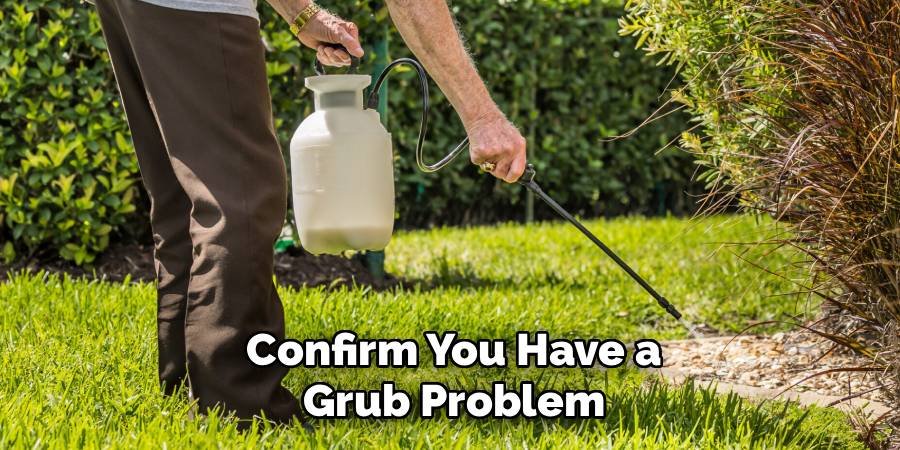
Step 1: Confirm You Have a Grub Problem
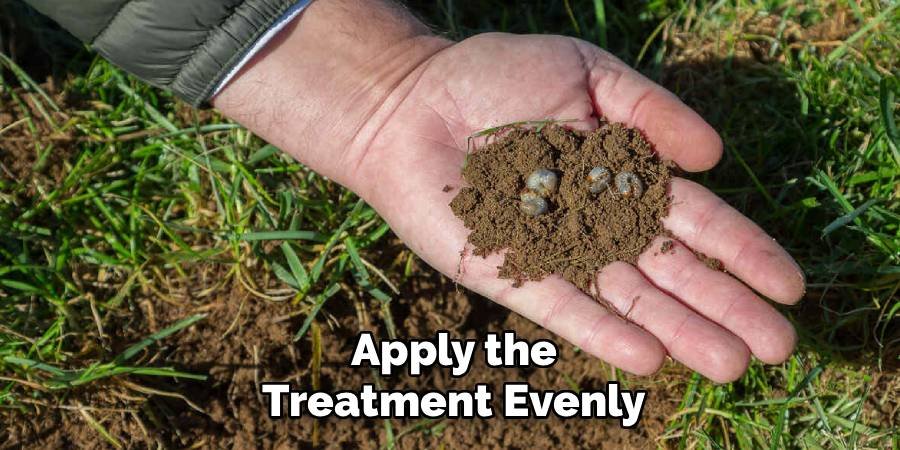
Before you begin any treatment, you need to be certain that grubs are the cause of your lawn’s distress. Other issues like fungal diseases or drought can cause similar brown patches. To check for grubs, cut a one-foot square section of turf in a damaged area and peel it back.
Because grubs eat the roots, the turf should lift easily, like a carpet. Sift through the soil and roots in the top two inches. If you find more than ten grubs in this square-foot sample, you have an infestation that warrants treatment. A healthy lawn can tolerate a few grubs without showing significant damage.
Step 2: Choose the Right Time for Treatment
Timing is everything when it comes to grub control. The most effective time to apply treatments is in the late summer or early fall when the grubs are young, small, and actively feeding near the soil surface. At this stage, they are most vulnerable to grub control products. Applying treatments in the spring is generally less effective because the grubs are larger and about to stop feeding to pupate. While you might see some results, you won’t be addressing the root of the problem before new eggs are laid. Focus your efforts between August and October for the best results.
Step 3: Select a Curative Grub Control Product
When you have an active infestation causing visible damage, you need a curative product designed for fast action. These products, often containing chemicals like trichlorfon or carbaryl, are formulated to eliminate existing grubs quickly. Always read the label carefully to ensure the product is safe for your grass type and that you understand the application instructions. Pay close attention to safety warnings, especially regarding pets and children. These powerful treatments should be used to address current problems rather than as a preventative measure. They are the go-to solution for reclaiming a lawn under heavy attack.
Step 4: Apply the Treatment Evenly
For grub control products to work effectively, they must be applied evenly across the entire lawn, not just the brown spots. Grubs can be present in healthy-looking areas too. Use a rotary or drop spreader to ensure uniform coverage. Follow the product’s instructions for the correct spreader setting to avoid over- or under-applying the granules.
Walk at a steady pace and make overlapping passes to guarantee no patch is missed. Uneven application can lead to ineffective control, allowing grubs to survive in untreated areas and continue damaging your lawn.
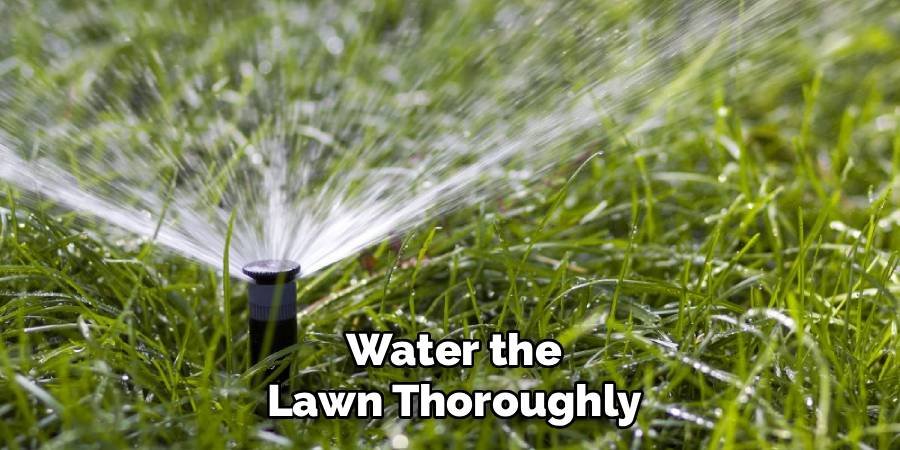
Step 5: Water the Lawn Thoroughly
After applying a granular grub killer, you must water it in. Watering serves two crucial purposes. First, it washes the granules off the grass blades and down into the soil where the grubs are. Second, it activates the insecticide, allowing it to create a protective zone in the root area. Aim to apply about a half-inch of water across the treated area. You can do this with a sprinkler or check the forecast and apply the product just before a steady rainfall. Without proper watering, the treatment will remain on the surface and be ineffective against the grubs below.
Step 6: Explore Natural and Organic Options
For those who prefer a more eco-friendly approach, there are several effective natural options. Beneficial nematodes are microscopic worms that seek out and kill grubs by entering their bodies and releasing a deadly bacteria. They are completely safe for people, pets, and plants. Another option is milky spore, a naturally occurring disease that specifically targets Japanese beetle grubs. While very effective, milky spore can take several years to become fully established in the soil. These natural solutions are an excellent way to manage grubs without synthetic chemicals, contributing to a healthier lawn ecosystem.
Step 7: Encourage Natural Predators
Your yard can be its own best defense. Creating a welcoming environment for birds, such as robins, starlings, and blue jays, can help control grub populations naturally. These birds love to feast on grubs. You can attract them by setting up birdhouses, birdbaths, and feeders. Moles, shrews, and even some insects are also natural predators of grubs. While you may not want a mole problem, encouraging a balanced ecosystem can provide a long-term, low-effort solution to keeping grub numbers in check. A healthy, diverse yard is more resilient to all kinds of pests.
Focus on Long-Term Lawn Health and Prevention
The best way to handle grubs is to prevent them from becoming a problem in the first place. A thick, healthy lawn is the best defense. Overseed your lawn in the fall to fill in bare spots and create a denser turf that is harder for beetles to lay eggs in. Proper mowing—keeping your grass at a height of 2-3 inches—and deep, infrequent watering encourage a strong root system that is more resilient to grub damage. This is a key part of learning how to get rid of lawn grubs for good, as a robust lawn can often outgrow the damage caused by a small number of grubs.
Frequently Asked Questions
What Do Lawn Grubs Turn Into?
Lawn grubs are the larval, or immature, stage of various scarab beetles. The specific type of beetle depends on your region and the grub species. Common culprits include:
- Japanese Beetles
- June Bugs (May Beetles)
- European Chafers
- Masked Chafers
After feeding on grass roots, the grubs pupate in the soil and emerge as adult beetles in the early to mid-summer. These adults then mate and lay eggs back in the lawn, continuing the cycle.
Can a Lawn Recover From Grub Damage?
Yes, a lawn can recover from grub damage, especially if the infestation is caught and treated early. Once the grubs are eliminated, you can begin repairing the lawn. Start by raking away the dead turf to expose the soil. Then, you can overseed the bare patches with a quality grass seed appropriate for your climate. Water the newly seeded areas consistently and apply a starter fertilizer to encourage strong root development. With proper care, the damaged areas should fill in within a few weeks.
When Is It Too Late to Treat for Grubs?
Treating for grubs in the late fall or winter is generally ineffective because the grubs have burrowed deep into the soil to hibernate, and they are no longer feeding. Likewise, spring treatments are often less successful because the grubs are large, resilient, and will soon stop feeding to pupate. The ideal treatment window is late summer to early fall when the grubs are young and actively feeding near the surface. If you miss this window, it’s best to focus on lawn repair and plan for a preventative treatment the following year.
Do Grubs Go Away on Their Own?
A small grub population might be controlled by natural predators or die off due to environmental conditions, but a significant infestation will not go away on its own. In fact, it is likely to get worse each year as the adult beetles lay more eggs. Ignoring a grub problem allows the population to grow, leading to widespread and severe lawn damage that becomes increasingly difficult and expensive to repair. Proactive treatment is the most effective strategy for managing lawn grubs and protecting your turf.
How Can I Prevent Grubs From Coming Back?
Prevention is the best long-term strategy. You can apply a preventative grub control product, typically containing imidacloprid or chlorantraniliprole, in the late spring or early summer. These products create a protective barrier in the soil that kills new grubs as they hatch. Additionally, maintaining a healthy, dense lawn makes it a less attractive place for beetles to lay their eggs. Proper mowing, watering, and fertilizing practices are your best defense against future infestations.
Conclusion
Successfully managing a grub infestation is achievable with the right knowledge and timing. By correctly identifying the problem, treating it during the most vulnerable stage of the grub’s lifecycle, and taking steps to improve your lawn’s overall health, you can restore its beauty and strength. Remember that a thick, well-maintained lawn is naturally more resistant to pests of all kinds. Now that you know how to get rid of lawn grubs, you have the power to protect your investment and enjoy a lush, green yard for years to come.

About
Jovie Mathews is a backyard and outdoor expert writer with over 12 years of hands-on experience transforming neglected outdoor spaces into thriving gardens and functional retreats. Raised in a family where weekends meant digging in the soil and building raised beds from scratch, Jovie developed a genuine love for the outdoors long before it became a career.
She writes with a practical, no-fluff approach — always testing ideas in her own backyard before sharing them with readers. From composting systems and native plant selection to patio design and pest control, Jovie covers the full spectrum of backyard life with equal parts expertise and enthusiasm.
Education
B.Sc. in Horticulture Science
University of Florida (UF) · Gainesville, FL · 2014
IFAS College of Agricultural and Life Sciences
Minor in Environmental Studies
University of Florida (UF) · Gainesville, FL · 2014
College of Liberal Arts and Sciences
Areas of expertise
- Lawn & Garden Care
- Soil prep, planting, seasonal care
- Outdoor DIY Projects
- Raised beds, fencing, pathways
- Composting & Soil Health
- Organic methods, amendments
- Native Plants & Wildlife
- Pollinators, habitat gardening
When she is not writing, Jovie can be found testing new composting techniques, growing tomatoes in questionable quantities, or convincing her neighbors that clover lawns are actually a great idea. She currently gardens in the Pacific Northwest.