
Patio doors offer a beautiful, expansive view of the outdoors and let natural light flood into your home. However, leaving them bare isn’t always practical. You might be looking for more privacy, better light control, or a way to enhance your room’s decor. That’s where knowing how to cover patio doors becomes essential.

Choosing the right window treatment can transform the look and feel of your space, improve energy efficiency, and give you the control you need over light and privacy. This guide will walk you through everything from selecting the perfect covering to installing it, ensuring you find a solution that is both functional and stylish for your home.
Why Covering Patio doors Matters
Covering your patio doors is about more than just aesthetics; it serves several practical purposes that can greatly improve your home’s comfort and functionality. One of the primary benefits is privacy. Large glass doors can leave your living space feeling exposed, especially in the evening. A good covering allows you to shut out the outside world when you want to relax without an audience.
Energy efficiency is another significant factor. In the summer, direct sunlight through large glass panes can heat your home, forcing your air conditioning to work overtime. In the winter, uncovered glass can be a major source of heat loss. The right window treatments act as an extra layer of insulation, helping to maintain a consistent indoor temperature and potentially lowering your energy bills throughout the year.
Finally, the right coverings complete a room’s design. Whether you choose elegant drapes, modern vertical blinds, or sleek shades, your choice can tie the room together, add a pop of color, or introduce a new texture. It’s a finishing touch that combines form and function, enhancing your home’s style while addressing practical needs.
8 Step-by-Step Guide on How to Cover Patio Doors
Step 1: Assess Your Needs and Style
Before you start shopping, take a moment to think about what you want from your patio door coverings. Are you primarily concerned with privacy, light control, or insulation? Or is your main goal to add a decorative element to the room? Consider the overall style of your home.
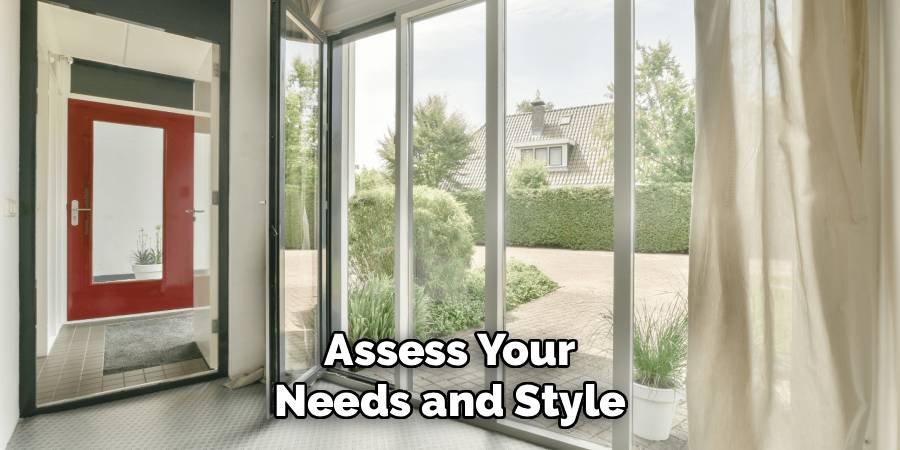
A modern, minimalist space might benefit from sleek roller shades, while a more traditional or cozy room could be enhanced by flowing drapery. Thinking about these factors first will help you narrow down the many options and find a solution that perfectly suits your lifestyle and aesthetic preferences.
Step 2: Measure Your Patio Doors Accurately
Accurate measurements are critical for a successful installation. You will need a steel tape measure for the best results. To measure the width, measure across the top, middle, and bottom of the door frame and use the widest measurement. For the height, measure from the top of the frame to the floor or sill on the left, middle, and right sides, using the longest measurement. If you plan to mount the treatment outside the frame, add at least three to four inches to each side for proper coverage and light-blocking. Double-check your numbers to avoid costly mistakes.
Step 3: Choose the Right Type of Covering
With your needs and measurements in hand, it’s time to explore the different types of coverings. Vertical blinds are a classic, affordable choice that offers excellent light control. Drapery panels add softness, color, and a touch of elegance. Sliding panel track blinds offer a contemporary look and are great for wide doors.
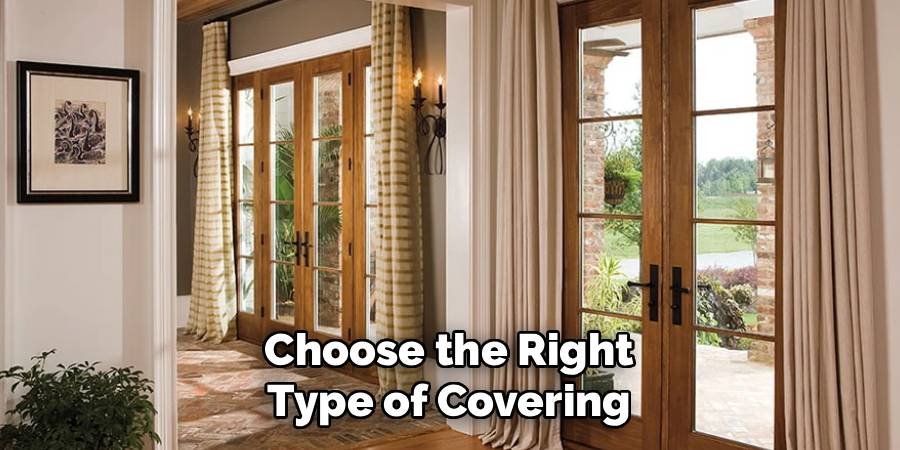
For a clean, modern aesthetic, consider roller or cellular shades. Cellular shades, in particular, are fantastic for insulation. Each option has its own unique benefits, so consider which one best aligns with your goals from Step 1. This is a key part of figuring out how to cover patio doors effectively.
Step 4: Select Your Material and Color
The material and color of your window treatment will have a significant impact on the room. Lighter colors can make a space feel larger and brighter, while darker shades can create a cozier, more intimate atmosphere. Consider the material’s function as well. Blackout fabrics are ideal for bedrooms or media rooms where you need to block all incoming light. Sheer materials offer privacy during the day while still allowing natural light to filter through. Look for durable, easy-to-clean fabrics, especially if you have children or pets.
Step 5: Decide on an Inside or Outside Mount
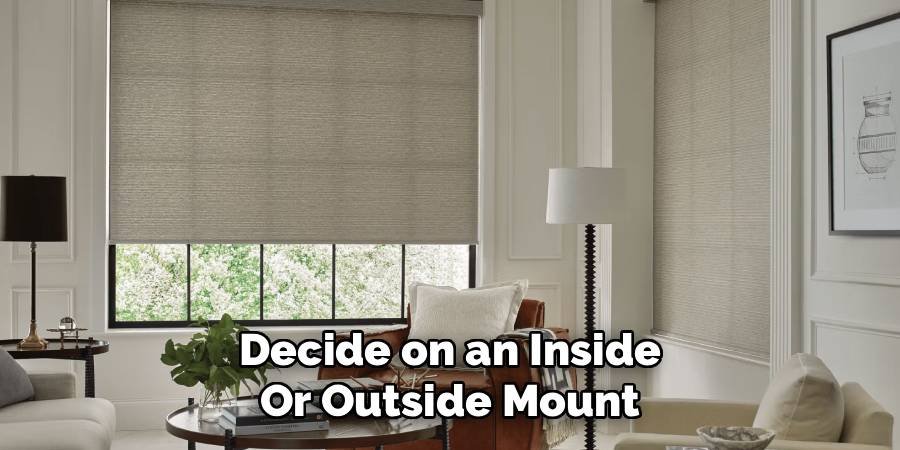
You’ll need to decide whether to mount your window treatment inside the door frame or outside of it. An inside mount fits snugly within the door’s recess, offering a clean, built-in look. This works best if your door frame is deep enough to accommodate the hardware. An outside mount is installed on the wall or molding above the door. This option can make the door appear larger and is better at blocking light since the covering overlaps the frame. It’s also the necessary choice if your frame is too shallow for an inside mount.
Step 6: Gather Your Tools and Hardware
Before you begin the installation, make sure you have all the necessary tools and hardware. Most window treatment kits come with brackets, screws, and installation instructions. You will typically need a pencil, a steel tape measure, a drill with the appropriate bits, a level, and a screwdriver.
Having everything laid out and ready will make the installation process much smoother and more efficient. Reading the manufacturer’s instructions thoroughly before you start is always a good idea, as specific requirements can vary between products.
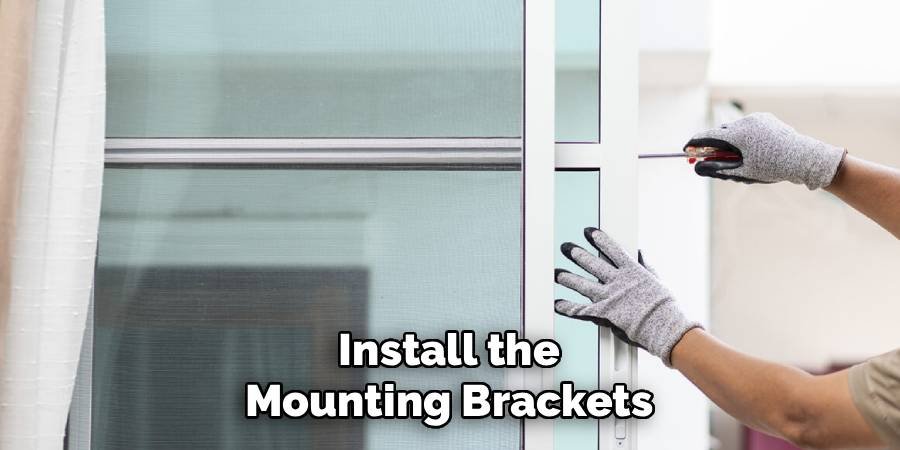
Step 7: Install the Mounting Brackets
This is the most crucial step for a secure installation. Using your measurements, mark where the brackets will go with a pencil. Use a level to ensure your marks are perfectly straight—crooked brackets will result in a crooked window treatment. For an outside mount, the brackets are typically placed a few inches above and outside the door frame. For an inside mount, they are attached to the top of the door frame’s interior. Pre-drill pilot holes for your screws to prevent the wood from splitting. Then, securely screw the brackets into place.
Step 8: Hang Your New Patio Door Covering
With the brackets securely in place, you can now hang your new covering. The method will vary depending on the type you chose. For vertical blinds or sliding panels, you’ll snap the headrail into the brackets. For curtains, you’ll thread them onto the curtain rod before placing the rod into its brackets.
For shades, the headrail will typically click or slide into the installed brackets. Once it’s hung, test the mechanism to ensure it operates smoothly. Step back and admire your work—you’ve successfully transformed your patio doors. This final step completes the process of how to cover patio doors.
Frequently Asked Questions
What Is the Most Popular Way to Cover a Sliding Glass Door?
Vertical blinds have long been a popular and practical choice due to their affordability and excellent light control. However, drapery and sliding panel track blinds are gaining popularity for their modern and stylish appearance. Drapes add a soft, elegant touch, while panel tracks offer a sleek, contemporary alternative. The best choice ultimately depends on your personal style, budget, and functional needs for privacy and light management.
Can You Put Roller Shades on a Patio Door?
Yes, you absolutely can put roller shades on a patio door. For a standard two-panel door, it’s common to use two separate shades mounted side-by-side, allowing you to operate them independently. This provides flexibility in light control and access. Roller shades offer a clean, minimal look and are available in a wide range of fabrics, including sheer, light-filtering, and blackout options to suit any need.
How Can I Cover a Patio Door for Privacy at Night?
For maximum privacy at night, opt for window treatments made from opaque or blackout materials.
- Blackout Curtains: These are an excellent choice as they completely block light and visibility.
- Lined Cellular Shades: The cellular design offers insulation, and a blackout lining will ensure total privacy.
- Vertical Blinds with Opaque Vanes: Vinyl or fabric vanes with no light gaps will prevent anyone from seeing in.
When closed, these options ensure your indoor space remains completely private after dark.
What Is the Most Energy-Efficient Patio Door Covering?
Cellular shades (also known as honeycomb shades) are widely considered the most energy-efficient window coverings. Their unique honeycomb-shaped pockets trap air, creating a layer of insulation that reduces heat transfer through the glass. This helps keep your home warmer in the winter and cooler in the summer, leading to potential savings on your energy bills. For maximum efficiency, choose double-cell or triple-cell shades.
Are Curtains a Good Option for Patio Doors?
Curtains are a fantastic option for patio doors. They add softness, texture, and color to a room in a way that blinds or shades cannot. They are also highly versatile. You can pair sheer curtains with opaque drapes on a double rod for layered light control, or use a single panel of thick, insulated drapery for energy efficiency. A wraparound curtain rod allows the panels to be pushed completely clear of the door, ensuring unobstructed access.
Conclusion
Choosing and installing the right covering for your patio doors can dramatically enhance your living space. From gaining privacy and improving energy efficiency to adding a final decorative touch, the benefits are clear. By following the steps outlined in this guide, you can confidently measure, select, and install a treatment that fits your needs and style. Now that you know how to cover patio doors, you are ready to tackle this rewarding project and enjoy a more comfortable, functional, and beautiful home.

About
Jovie Mathews is a backyard and outdoor expert writer with over 12 years of hands-on experience transforming neglected outdoor spaces into thriving gardens and functional retreats. Raised in a family where weekends meant digging in the soil and building raised beds from scratch, Jovie developed a genuine love for the outdoors long before it became a career.
She writes with a practical, no-fluff approach — always testing ideas in her own backyard before sharing them with readers. From composting systems and native plant selection to patio design and pest control, Jovie covers the full spectrum of backyard life with equal parts expertise and enthusiasm.
Education
B.Sc. in Horticulture Science
University of Florida (UF) · Gainesville, FL · 2014
IFAS College of Agricultural and Life Sciences
Minor in Environmental Studies
University of Florida (UF) · Gainesville, FL · 2014
College of Liberal Arts and Sciences
Areas of expertise
- Lawn & Garden Care
- Soil prep, planting, seasonal care
- Outdoor DIY Projects
- Raised beds, fencing, pathways
- Composting & Soil Health
- Organic methods, amendments
- Native Plants & Wildlife
- Pollinators, habitat gardening
When she is not writing, Jovie can be found testing new composting techniques, growing tomatoes in questionable quantities, or convincing her neighbors that clover lawns are actually a great idea. She currently gardens in the Pacific Northwest.