
A sliding patio door that sticks, squeaks, or refuses to budge can be a major source of frustration. It disrupts the easy flow between your indoor and outdoor living spaces and can even become a safety concern. The good news is that you don’t need to call a professional or spend a fortune on a replacement.

In most cases, a little bit of cleaning and maintenance is all it takes to get your door gliding smoothly again. This guide will walk you through the simple process of how to make patio door slide easier, transforming that stubborn panel into a flawlessly functioning feature of your home. Get ready to restore your door’s smooth operation with just a few basic tools and a little effort.
Why a Smoothly Sliding Patio Door Matters
A patio door is more than just an entryway; it’s a gateway to your garden, a source of natural light, and a key architectural feature of your home. When it operates correctly, it provides seamless access and enhances your daily life. However, a door that is difficult to move can become a constant annoyance.
It can be a struggle for children or older adults to operate, limit spontaneous trips into the backyard, and even pose an escape hazard in an emergency. Over time, forcing a stuck door can also cause permanent damage to the track, rollers, or frame, leading to much more expensive repairs. Learning how to fix this common issue saves you time, money, and hassle, ensuring your home remains both functional and enjoyable.
7 Step-by-Step Guide on How to Make Patio Door Slide Easier
Step 1: Thoroughly Clean the Track
The first and most crucial step is to clean the door track. Over time, the track accumulates an impressive amount of dirt, dust, pet hair, leaves, and other debris. This buildup creates friction and physically obstructs the rollers, causing the door to stick and drag.
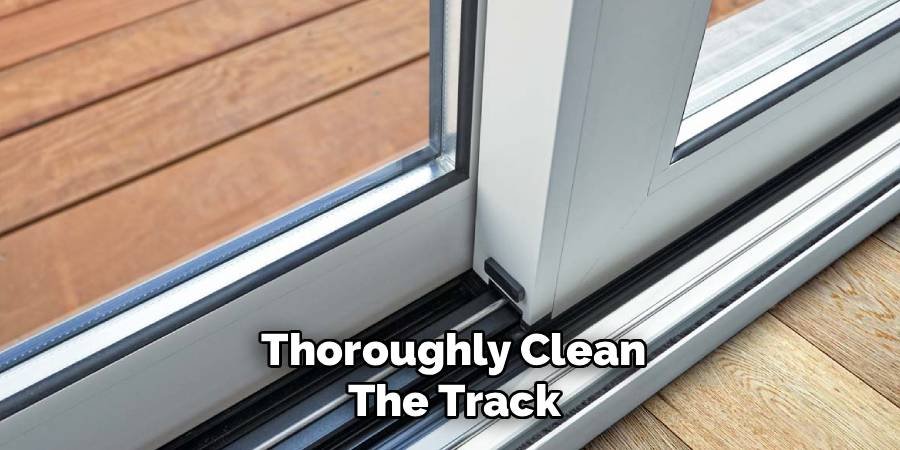
Start by using a stiff brush to loosen all the caked-on grime from the track’s grooves. Then, use a vacuum cleaner with a crevice tool attachment to suck up all the loose debris. A thorough cleaning of the track is often the most effective single step in making your door slide effortlessly.
Step 2: Deep Clean with a Solvent
After vacuuming, you’ll want to perform a deeper clean to remove any remaining residue, grease, or sticky substances. Dampen a clean cloth with a mild solvent like denatured alcohol or a household cleaner.
Carefully wipe down the entire length of the top and bottom tracks. For stubborn grime, you may need to use an old toothbrush or a putty knife wrapped in a cloth to scrape it out of the corners. Make sure to wipe away any excess cleaning solution with a dry cloth afterward, leaving the track completely clean and dry before you proceed.
Step 3: Inspect the Rollers for Damage
With the track clean, it’s time to examine the rollers, which are the small wheels at the bottom of the door that it glides on. You may need to have a helper to lift the door off the track for a proper inspection. Look closely at each roller.
Are they cracked, chipped, or flattened? Do they spin freely, or are they seized up with rust and dirt? Worn-out or damaged rollers are a common culprit behind a stiff door. If they appear worn, replacing them is the best course of action. This is a key part of learning how to make patio door slide easier for the long term.
Step 4: Clean the Rollers
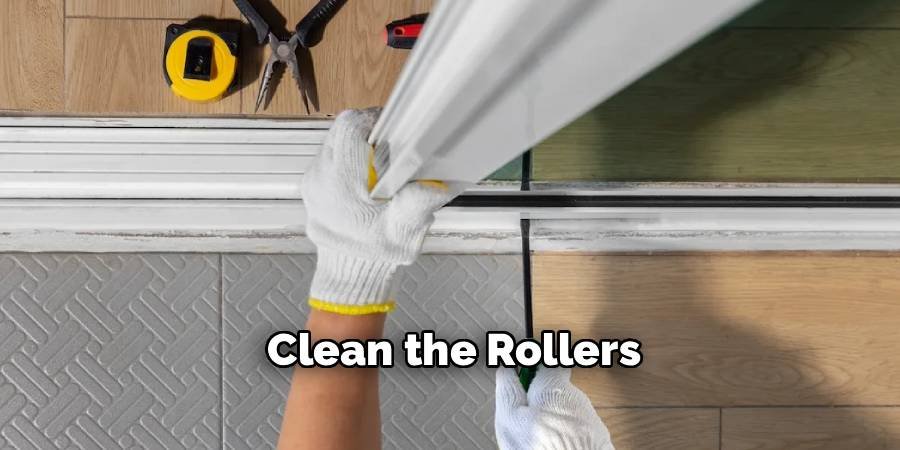
If the rollers are in good condition but just dirty, give them a thorough cleaning. Use a wire brush to scrub away any hair, dirt, and corrosion that might be wrapped around the axles or caked onto the wheels themselves.
After brushing them clean, spray them with a silicone-based lubricant and spin them by hand to work the lubricant into the bearings. Wipe off any excess lubricant to prevent it from attracting new dirt. This simple maintenance can dramatically improve the door’s movement and extend the life of the rollers.
Step 5: Lubricate the Track Correctly
Once the track and rollers are clean, the next step is lubrication. It’s critical to use the right type of lubricant. Avoid oil-based products like WD-40, as they attract dust and dirt, which will quickly create a sticky mess and make the problem worse.
Instead, opt for a high-quality, silicone-based spray lubricant. Apply a light, even coat along the entire length of the top and bottom tracks. Silicone provides a slick, dry film that repels dirt and moisture, ensuring a smooth, low-friction glide for your door. This is a vital technique for anyone wanting to know how to make patio door slide easier.
Step 6: Adjust the Roller Height
Many sliding patio doors have adjustment screws that allow you to raise or lower the rollers. These screws are typically located on the bottom edge of the door, sometimes hidden behind plastic plugs. Using a screwdriver, you can turn these screws to adjust the door’s height and alignment within the frame. If the door is scraping the track, try raising the rollers slightly. If it’s too loose, you might need to lower it. Make small, quarter-turn adjustments on each side, sliding the door back and forth after each adjustment to test its movement.
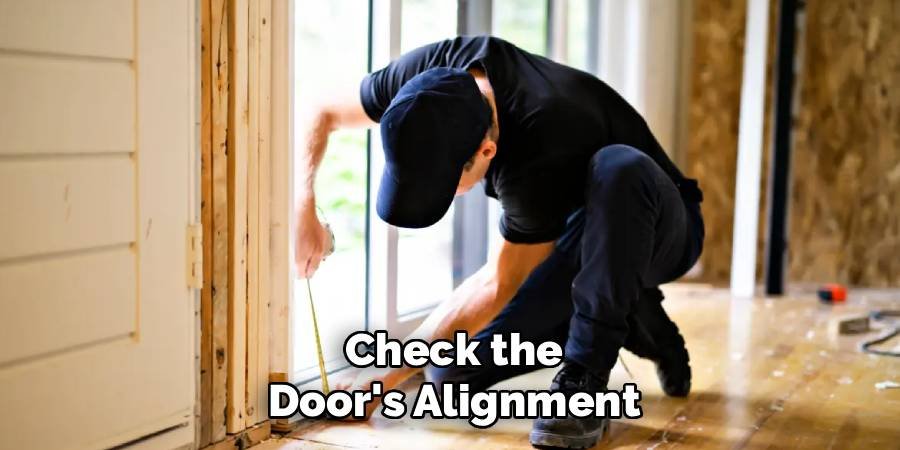
Step 7: Check the Door’s Alignment
A misaligned door can bind against the frame, making it difficult to open and close. After adjusting the rollers, check that the door is plumb and square within its frame. Close the door until it is almost shut and look at the gap between the door edge and the jamb. The gap should be even from top to bottom. If it’s wider at the top or bottom, one of your rollers is likely set higher than the other. Continue making small adjustments to the roller screws until the door sits perfectly straight in the frame, ensuring it doesn’t rub or catch.
Test the Lock and Latch
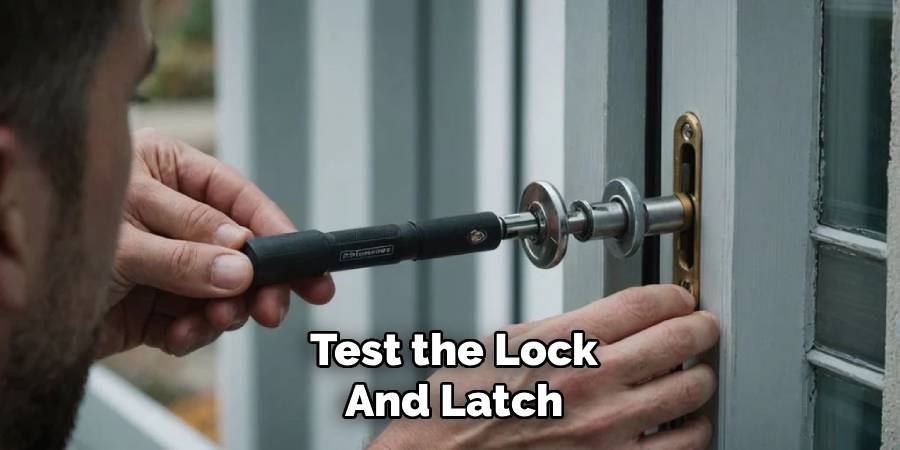
Finally, with the door sliding smoothly, test its locking mechanism. A door that has been realigned may no longer latch properly. Open and close the door several times and engage the lock to ensure it catches securely in the strike plate on the door jamb.
If the latch is misaligned, you may need to adjust the position of the strike plate. Usually, this involves loosening the screws that hold it in place, shifting it up or down as needed, and then retightening the screws. A properly functioning lock is just as important as a smooth slide.
Frequently Asked Questions
What Is the Best Lubricant for a Sliding Patio Door?
The best choice is a silicone-based spray lubricant. Unlike oil-based lubricants (like WD-40), silicone spray dries completely and doesn’t leave a sticky residue. This is crucial because a wet, oily film will attract dust, dirt, and debris, which will clog the track and rollers over time, making the door even harder to slide. Silicone provides a clean, slick surface for the rollers to glide on.
How Often Should I Clean My Patio Door Track?
For optimal performance, you should clean your patio door track at least twice a year—once in the spring and again in the fall. However, if you live in a dusty area, have pets that shed, or notice the door starting to stick, you may need to clean it more frequently. Regular maintenance is the key to preventing major buildup and ensuring the door continues to operate smoothly.
Can I Replace the Rollers Myself?
Yes, replacing patio door rollers is a manageable DIY project for many homeowners, but it requires at least two people. The process involves:
- Lifting the heavy door off its track.
- Unscrewing and removing the old roller assemblies from the bottom of the door.
- Installing the new rollers.
- Placing the door back on the track and adjusting its height.
Be sure to purchase the correct replacement rollers for your specific door model.
Why Does My Sliding Door Feel Bumpy When It Moves?
A bumpy or jumpy movement is usually caused by either damaged rollers or a dented track. Inspect the rollers first to see if they are cracked, chipped, or have flat spots. If the rollers are fine, carefully examine the track for dents, dings, or warps. Small dents in an aluminum track can sometimes be gently bent back into shape using a block of wood and a rubber mallet.
Is It Better to Lubricate the Track or the Rollers?
For best results, you should address both. Start by cleaning both the track and the rollers thoroughly. Then, apply a silicone-based lubricant directly to the roller mechanisms to ensure the wheels and bearings spin freely. Afterward, apply a light coating of the same silicone spray along the length of the clean track. This two-pronged approach ensures all moving parts operate with minimal friction.
Conclusion
A stubborn sliding patio door doesn’t have to be a permanent problem in your home. By following the steps outlined above—cleaning the track, inspecting and lubricating the rollers, and making careful adjustments—you can restore its smooth, effortless glide. This weekend project requires only a few basic tools and a bit of patience, but the payoff is significant.
Taking the time to learn how to make patio door slide easier not only enhances the usability of your space but also prevents more costly repairs down the road. Enjoy the satisfaction of a perfectly functioning door and the seamless connection to your outdoor oasis.

About
Jovie Mathews is a backyard and outdoor expert writer with over 12 years of hands-on experience transforming neglected outdoor spaces into thriving gardens and functional retreats. Raised in a family where weekends meant digging in the soil and building raised beds from scratch, Jovie developed a genuine love for the outdoors long before it became a career.
She writes with a practical, no-fluff approach — always testing ideas in her own backyard before sharing them with readers. From composting systems and native plant selection to patio design and pest control, Jovie covers the full spectrum of backyard life with equal parts expertise and enthusiasm.
Education
B.Sc. in Horticulture Science
University of Florida (UF) · Gainesville, FL · 2014
IFAS College of Agricultural and Life Sciences
Minor in Environmental Studies
University of Florida (UF) · Gainesville, FL · 2014
College of Liberal Arts and Sciences
Areas of expertise
- Lawn & Garden Care
- Soil prep, planting, seasonal care
- Outdoor DIY Projects
- Raised beds, fencing, pathways
- Composting & Soil Health
- Organic methods, amendments
- Native Plants & Wildlife
- Pollinators, habitat gardening
When she is not writing, Jovie can be found testing new composting techniques, growing tomatoes in questionable quantities, or convincing her neighbors that clover lawns are actually a great idea. She currently gardens in the Pacific Northwest.