
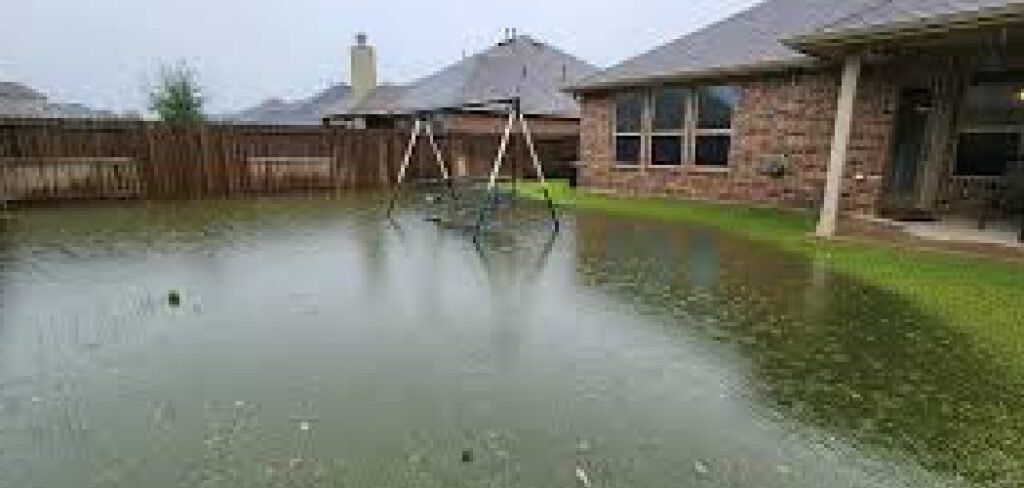
A backyard should be a sanctuary for relaxation and recreation, but when every downpour turns it into a muddy, unusable swamp, it becomes a source of frustration. Standing water can drown your lawn, create a breeding ground for mosquitoes, and even threaten your home’s foundation if it pools too close to the house.
Many homeowners feel helpless, assuming that fixing a drainage issue requires expensive, large-scale landscaping projects. The good news is that there are many effective, DIY-friendly solutions that can make a significant difference. From simple gutter maintenance to strategic planting, you have the power to redirect water and protect your property.
This guide will provide a comprehensive overview of how to stop my backyard from flooding when it rains, empowering you to diagnose the problem and implement practical solutions that will restore your yard to its former glory.
Step-by-Step Guide on How to Stop My Backyard From Flooding When It Rains
Step 1: Identify the Source and Flow of Water
Before you can solve the problem, you must become a water detective. The next time it rains, put on your boots and go outside to observe exactly what is happening. Note where the water is coming from—is it sheeting off your roof, flowing in from a neighbor’s yard, or bubbling up from low spots?
Identify the path it takes as it moves across your property and where it eventually pools. You can take photos or draw a simple map to document these flow patterns. This initial assessment is the most critical step because it allows you to pinpoint the root cause of the flooding.
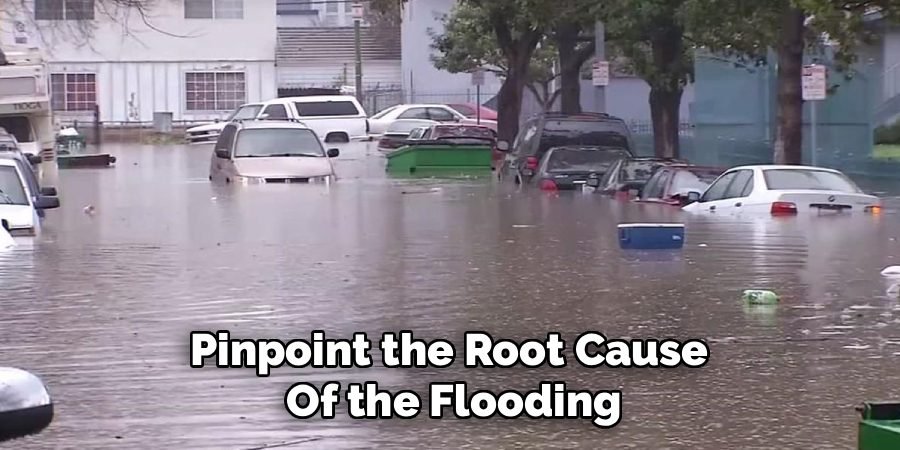
Without this information, you might implement a solution that doesn’t address the core issue, wasting time and money on ineffective fixes.
Step 2: Clean and Extend Your Gutter Downspouts
One of the most common culprits of backyard flooding is the very system designed to prevent it: your gutters. When gutters are clogged with leaves and debris, rainwater overflows and cascades directly down next to your foundation.
Similarly, if your downspouts are too short, they dump a concentrated volume of water right into your flower beds or lawn, overwhelming the soil’s ability to absorb it. Ensure your gutters are clean and clear.
Then, attach downspout extensions to channel the roof runoff at least six to ten feet away from your house. This simple, inexpensive fix prevents water from saturating the ground near your home and gives it a chance to disperse over a larger, more manageable area.
Step 3: Improve the Soil Grade
Water flows downhill, and if your yard slopes toward your house, you will always have a flooding problem. The ground around your foundation should have a “positive grade,” meaning it slopes away from the house. Experts recommend a drop of at least six inches over the first ten feet.

To correct a negative grade, you will need to add soil. Purchase a quality topsoil mixed with compost and build it up against your foundation, creating a gentle, consistent slope that directs water away.
Rake it smooth and compact it slightly before covering it with grass seed or mulch. This regrading process is a fundamental landscaping principle and a powerful solution for redirecting surface water before it can pool.
Step 4: Install a French Drain System
For more persistent drainage issues where water pools in a specific area, a French drain is an excellent and relatively easy DIY project. This is essentially a hidden, underground trench filled with gravel and a perforated pipe that collects and redirects groundwater.
To install one, you dig a shallow trench—about a foot wide and two feet deep—starting from the soggiest part of your yard and sloping it downhill toward a suitable exit point, like the street or a wooded area.
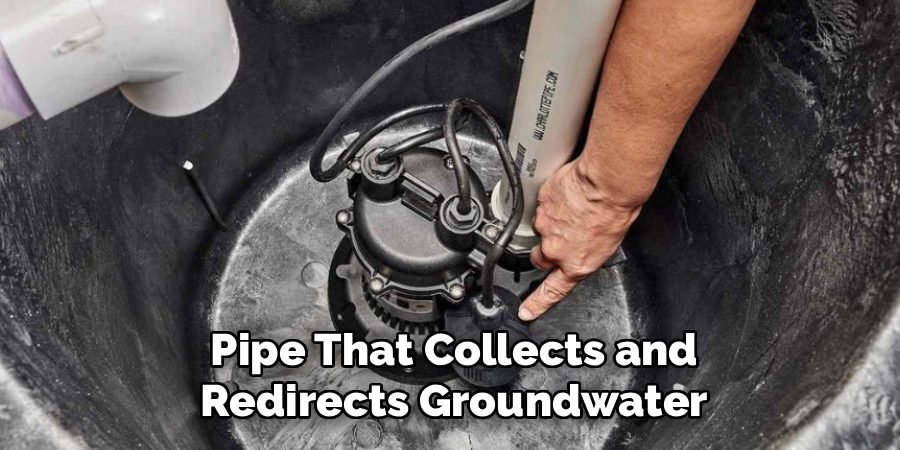
You then line the trench with landscape fabric, add a layer of gravel, lay the perforated pipe, and cover it with more gravel before folding the fabric over and replacing the topsoil and sod.
Step 5: Create a Decorative Rain Garden
Instead of fighting the water, you can choose to work with it by building a rain garden. A rain garden is a shallow depression in your landscape that is planted with deep-rooted, water-loving native plants. It is designed to be a beautiful garden feature that also functions as a natural drainage basin.
It collects rainwater runoff from your roof or lawn, allowing it to slowly soak into the ground over 24 to 48 hours. This process filters pollutants from the water and recharges the local groundwater table.
By strategically placing a rain garden in a low-lying area of your yard, you can solve your flooding problem while creating a beautiful habitat for pollinators.
Step 6: Aerate Compacted Soil to Increase Absorption
Sometimes, the problem isn’t the amount of water but the condition of your soil. Over time, especially in high-traffic areas, soil can become heavily compacted. This compression squeezes out the air pockets that normally allow water to percolate downward. When it rains on compacted soil, the water has nowhere to go, so it pools on the surface.
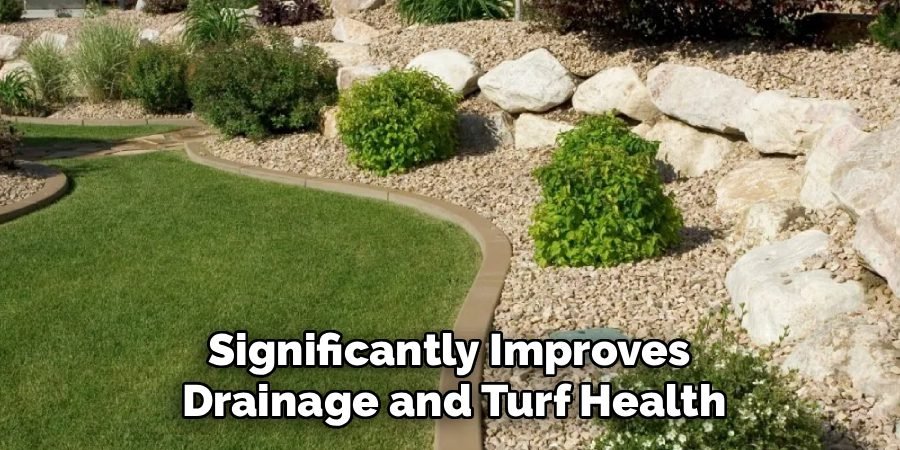
You can remedy this by aerating your lawn. A core aerator machine, which can be rented from a home improvement store, pulls small plugs of soil out of the ground, loosening it and creating channels for water and nutrients to penetrate. Regular aeration is a vital lawn maintenance task that significantly improves drainage and turf health.
Step 7: Build a Dry Creek Bed
A dry creek bed is a landscaping feature that mimics the look of a natural, rocky stream but remains dry most of the time. It serves as both a beautiful hardscape element and a highly effective surface drainage channel.
You create a winding, shallow swale through your yard, line it with landscape fabric, and fill it with a mixture of river rocks and boulders of various sizes. During a heavy downpour, the creek bed collects the excess runoff and functions as a channel, directing the flow of water away from your house and toward a designated drainage area.
It is a more aesthetically pleasing alternative to a simple ditch and can add significant character to your landscape design.
Frequently Asked Questions (FAQ)
Can Planting Trees Help with Backyard Flooding?
Yes, planting trees and shrubs can be very effective over the long term.
- Absorption: A single mature tree can absorb hundreds of gallons of water from the soil, reducing overall ground saturation.
- Interception: The canopy of a tree intercepts a significant amount of rainfall, allowing some of it to evaporate before it even hits the ground.
- Best Choices: Choose native species with high water absorption rates, like willows, river birches, or red maples, for the best results.
Will a French Drain Get Clogged?
A properly installed French drain should not clog for many years. The key is using landscape fabric correctly. The fabric acts as a filter, lining the entire trench to prevent silt, dirt, and roots from getting into the gravel and perforated pipe.
Without this protective layer, the drain would eventually fill with mud and stop working. Using clean, washed gravel also helps ensure the system remains clear and functional.
How Much Slope Does a Yard Need for Proper Drainage?
For effective drainage, a general rule of thumb is a slope of at least 2 percent away from your home’s foundation. This equates to a drop of about one-quarter inch for every foot of distance.
So, over a span of 10 feet, you should see the ground level drop by at least 2.5 inches, though a 6-inch drop is often recommended for maximum safety and effectiveness, especially in areas with heavy clay soil.
What Is the Difference Between a French Drain and a Swale?
The main difference is that one is underground and one is on the surface.
- French Drain: An underground system consisting of a perforated pipe in a gravel-filled trench that collects and moves groundwater.
- Swale: A shallow, wide, vegetated channel on the surface of the ground designed to slow and direct surface runoff.
Both are effective, but a French drain is hidden, while a swale is a visible landscape feature.
When Should I Call a Professional Landscaper?
While many drainage issues can be solved with DIY methods, it is time to call a professional if you experience any of the following:
- You have severe, widespread flooding that threatens your home’s foundation.
- Your property is completely flat or slopes toward the house, requiring extensive regrading.
- You suspect a broken underground pipe or a high water table is the cause.
- The water is coming from a public utility or neighboring property, which may require legal or municipal intervention.
Conclusion
A waterlogged backyard does not have to be a permanent reality. By taking a systematic approach to identifying the problem and implementing a layered solution, you can effectively manage rainwater and reclaim your outdoor living space.
Whether it is a simple fix like extending your downspouts or a more involved project like installing a French drain or rain garden, each step you take moves you closer to a drier, healthier yard.
The key is to start small, observe the results, and build upon your successes. Now that you are equipped with the knowledge of how to stop my backyard from flooding when it rains, you can approach the next storm with a plan of action instead of a sense of dread.

About
Jovie Mathews is a backyard and outdoor expert writer with over 12 years of hands-on experience transforming neglected outdoor spaces into thriving gardens and functional retreats. Raised in a family where weekends meant digging in the soil and building raised beds from scratch, Jovie developed a genuine love for the outdoors long before it became a career.
She writes with a practical, no-fluff approach — always testing ideas in her own backyard before sharing them with readers. From composting systems and native plant selection to patio design and pest control, Jovie covers the full spectrum of backyard life with equal parts expertise and enthusiasm.
Education
B.Sc. in Horticulture Science
University of Florida (UF) · Gainesville, FL · 2014
IFAS College of Agricultural and Life Sciences
Minor in Environmental Studies
University of Florida (UF) · Gainesville, FL · 2014
College of Liberal Arts and Sciences
Areas of expertise
- Lawn & Garden Care
- Soil prep, planting, seasonal care
- Outdoor DIY Projects
- Raised beds, fencing, pathways
- Composting & Soil Health
- Organic methods, amendments
- Native Plants & Wildlife
- Pollinators, habitat gardening
When she is not writing, Jovie can be found testing new composting techniques, growing tomatoes in questionable quantities, or convincing her neighbors that clover lawns are actually a great idea. She currently gardens in the Pacific Northwest.