

A patio should be a relaxing extension of your home, a place for morning coffee, evening cocktails, and weekend barbecues. But when the summer sun beats down, concrete and stone can absorb heat, turning your beautiful outdoor space into an unusable heat island.
The intense glare and soaring temperatures can drive even the most dedicated sun-worshippers back indoors. The good news is you do not have to surrender your patio to the heat for half the year.
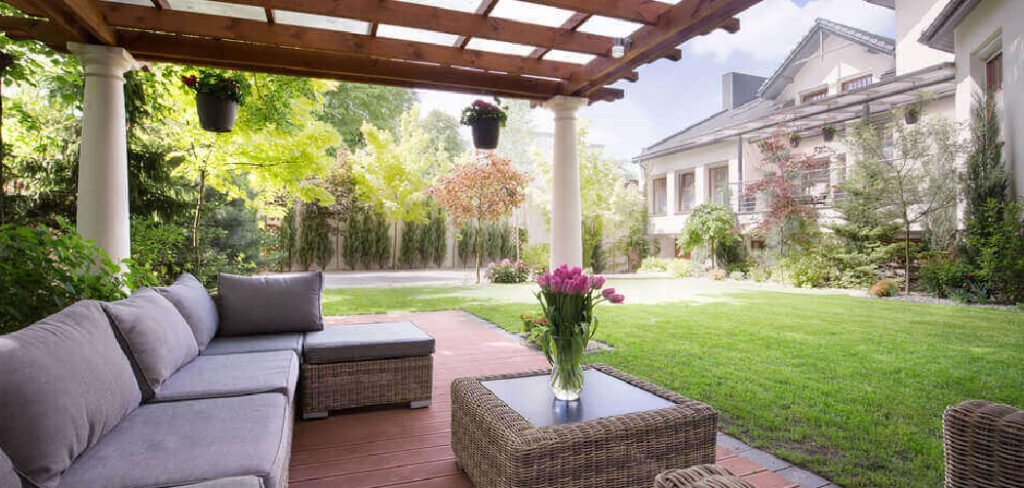
With a combination of smart strategies, you can significantly lower the temperature and create a comfortable, inviting retreat. This guide will provide practical and effective methods for how to keep your patio cool, transforming it back into the oasis you intended it to be.
When the summer sun beats down relentlessly, spending time outdoors can quickly become uncomfortable. However, a hot patio doesn’t have to mean abandoning your outdoor space. By implementing a few easy and practical solutions, you can enjoy a cooler, more comfortable patio environment even on the warmest days.
Step-by-Step Guide on How to Keep Your Patio Cool
Step 1: Create Shade with Structures and Umbrellas
The most effective way to cool down any outdoor space is to block the sun before it even hits the ground. A permanent structure like a pergola or an awning provides consistent, reliable shade throughout the day.
Pergolas are particularly versatile, as you can grow climbing vines over them for natural cover or add a retractable canopy for adjustable shade. For a less permanent and more budget-friendly option, a high-quality patio umbrella is essential.

Look for large cantilever (offset) models that can be easily tilted and rotated to block the sun as its position changes throughout the day. Investing in robust, physical shade is the foundational first step to a more comfortable outdoor experience.
Step 2: A Smart Method for How to Keep Your Patio Cool: Use Outdoor Curtains and Shades
To block the low-angled sun of the late afternoon and add a touch of privacy, outdoor curtains and shades are an excellent solution. These can be hung from a pergola, a covered porch, or even a securely installed cable. Choose fabrics made from light-colored, weather-resistant materials designed for outdoor use.
These textiles not only block direct sunlight but also help to define the space, making your patio feel more like a true outdoor room. Retractable solar shades are another fantastic option. They can be pulled down during the hottest parts of the day and then rolled up when you want to enjoy an unobstructed view.
Step 3: Cooling with a Misting System
One of the most powerful techniques for actively cooling the air is using a misting system. These systems connect to a standard garden hose and release a super-fine mist of water into the air. As the tiny water droplets evaporate, they pull heat from the surrounding atmosphere, a process known as evaporative cooling.
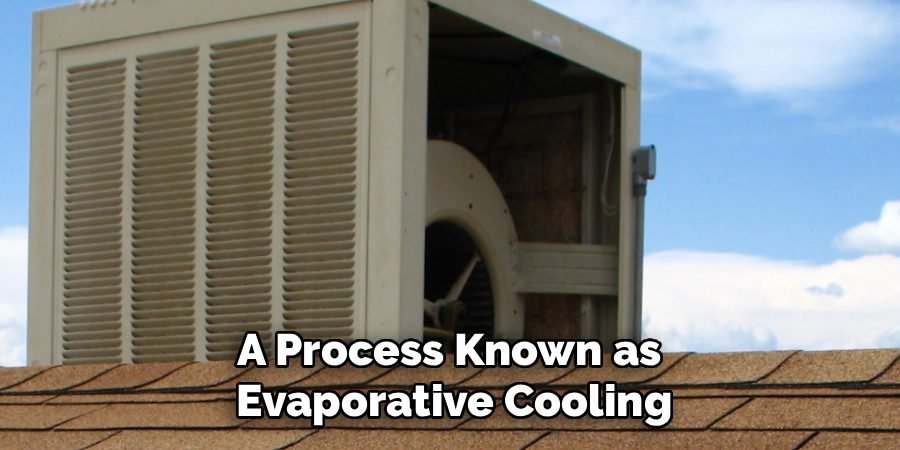
This can lower the ambient temperature on your patio by as much as 20-30 degrees Fahrenheit. You can find simple, inexpensive kits that clip onto umbrellas or awnings, or invest in a more permanent, high-pressure system for the ultimate cooling effect. This is a game-changing solution for anyone living in a hot, dry climate.
Step 4: Add an Outdoor-Rated Fan for Air Circulation
Moving air always feels cooler on the skin than stagnant air because it helps sweat evaporate more quickly. Placing an outdoor-rated fan on your patio is a simple but effective way to create a cooling breeze. It is crucial to use a fan specifically designed for outdoor conditions, as these are built to withstand moisture and humidity.
You can choose from standing pedestal fans, wall-mounted fans that save floor space, or even stylish ceiling fans if you have a covered patio. Positioning the fan to create a cross-breeze can dramatically increase comfort levels, making even a hot day feel more tolerable.
Step 5: Use Plants and Greenery
Plants are nature’s air conditioners. Through a process called transpiration, they release moisture into the air, which has a cooling effect. Strategically placing large potted plants, like palms or ficus trees, around your patio can create pockets of cooler, more humid air.

Planting climbing vines such as jasmine or bougainvillea to grow up a trellis or pergola provides a living, breathing source of shade that also adds beauty and fragrance to your space.
A well-planned container garden not only enhances the aesthetic of your patio but also actively works to lower the surrounding temperature, making it a more pleasant place to be.
Step 6: Cool Down the Surface with an Outdoor Rug
Dark-colored concrete, stone, or composite decking can become incredibly hot to the touch in direct sun. Covering these surfaces with a light-colored outdoor rug can make a significant difference. Outdoor rugs are typically made from synthetic materials like polypropylene, which do not absorb as much heat as dense materials like concrete.
A lighter color will reflect more sunlight and feel much cooler underfoot. This simple addition not only adds a decorative touch and defines your seating area but also creates a more comfortable surface for bare feet, children, and pets.
Step 7: Rinse Down the Patio with Water
For a quick, temporary cool-down before you have guests over, simply spray down the hard surfaces of your patio with a garden hose. The water will absorb a large amount of heat from the concrete or pavers as it evaporates, quickly lowering the surface temperature.

While this is not a long-lasting solution, it provides immediate relief and can make the patio comfortable for an hour or two. It is a simple and effective trick to use right before you plan to entertain, creating a more pleasant environment for your family and friends to enjoy on a hot summer evening.
Frequently Asked Questions (FAQ)
Does the Color of My Patio Furniture Matter?
Yes, it matters a great deal. Dark-colored furniture, especially metal or plastic, can absorb a massive amount of solar energy and become dangerously hot to the touch.
Whenever possible, choose patio furniture in lighter colors like white, beige, or light gray. If you have dark furniture, use light-colored outdoor cushions and pillows to create a cooler surface for sitting.
What Is the Best Type of Shade Structure?
The “best” shade structure depends on your budget and needs.
- Pergola with Canopy: Offers the most versatility, allowing you to have shade when you need it and sun when you want it.
- Solid Roof Awning: Provides the most consistent rain and sun protection but can make the area darker.
- Shade Sail: A stylish and modern option that is great for covering specific areas but may offer less protection from angled sun.
- Cantilever Umbrella: The best non-permanent option for its flexibility and coverage.
Will a Misting System Get My Furniture and Guests Wet?
A high-quality misting system atomizes water into such fine droplets that they evaporate almost instantly in the air, a process called “flash evaporation.” This cools the air without making surfaces or people feel wet.
Lower-quality, low-pressure systems might produce larger droplets that can lead to some dampness, so it is worth investing in a system that produces a true fine mist.
What Are the Best Plants for Patio Shade and Cooling?
Look for plants that grow quickly and have large leaves. For potted plants, consider options like majesty palms, banana trees, or large ferns.
For climbing vines to cover a pergola, fast-growing choices include trumpet vine, wisteria, or climbing roses. These not only provide shade but also cool the air through transpiration.
Are Outdoor Rugs Hard to Keep Clean?
Outdoor rugs are specifically designed to be durable and easy to maintain. They are typically made from mold- and mildew-resistant synthetic fibers like polypropylene that can be easily cleaned. Most dirt can be swept or vacuumed off, and for tougher grime, you can simply scrub the rug with soap and water and rinse it clean with a garden hose.
Conclusion
You do not have to accept a scorching hot patio as an unavoidable part of summer. By taking a layered approach that combines shade, air movement, and the cooling power of water and plants, you can create a comfortable and enjoyable outdoor living space.
From installing a permanent pergola to the simple act of adding a light-colored rug, every step you take contributes to a more pleasant environment. The key is to be proactive and combine multiple strategies for the best results.
Now that you have a comprehensive guide on how to keep your patio cool, you can confidently implement these ideas and reclaim your outdoor oasis from the summer heat.

About
Jovie Mathews is a backyard and outdoor expert writer with over 12 years of hands-on experience transforming neglected outdoor spaces into thriving gardens and functional retreats. Raised in a family where weekends meant digging in the soil and building raised beds from scratch, Jovie developed a genuine love for the outdoors long before it became a career.
She writes with a practical, no-fluff approach — always testing ideas in her own backyard before sharing them with readers. From composting systems and native plant selection to patio design and pest control, Jovie covers the full spectrum of backyard life with equal parts expertise and enthusiasm.
Education
B.Sc. in Horticulture Science
University of Florida (UF) · Gainesville, FL · 2014
IFAS College of Agricultural and Life Sciences
Minor in Environmental Studies
University of Florida (UF) · Gainesville, FL · 2014
College of Liberal Arts and Sciences
Areas of expertise
- Lawn & Garden Care
- Soil prep, planting, seasonal care
- Outdoor DIY Projects
- Raised beds, fencing, pathways
- Composting & Soil Health
- Organic methods, amendments
- Native Plants & Wildlife
- Pollinators, habitat gardening
When she is not writing, Jovie can be found testing new composting techniques, growing tomatoes in questionable quantities, or convincing her neighbors that clover lawns are actually a great idea. She currently gardens in the Pacific Northwest.