
Walking into your backyard expecting a crystal-clear oasis only to find a murky, tea-colored mess is a nightmare for any pool owner. It ruins the aesthetic appeal of your garden and puts a damper on your weekend plans.
The discoloration is usually caused by metals like iron oxidizing in the water or a sudden algae bloom, both of which require specific treatments. Ignoring the problem can lead to permanent staining on your pool liner and damage to your filtration equipment. Fortunately, you don’t need to hire an expensive professional to resolve this issue.
By following a structured approach and using the right chemicals, you can restore your pool’s sparkle. Learning how to fix brown pool water is a straightforward process that any DIY enthusiast can master with a little patience and effort.
Why Addressing Discolored Pool Water Is Crucial
Understanding why you need to tackle brown water immediately goes beyond just vanity. While a brown pool certainly looks unappealing against your carefully landscaped backyard, the underlying causes present real risks to your property and health. If the browning is caused by metals like iron or manganese, leaving the water untreated allows these minerals to deposit onto the pool walls and floor. Over time, these deposits harden into stubborn stains that are notoriously difficult and costly to remove, often requiring acid washing or liner replacement.
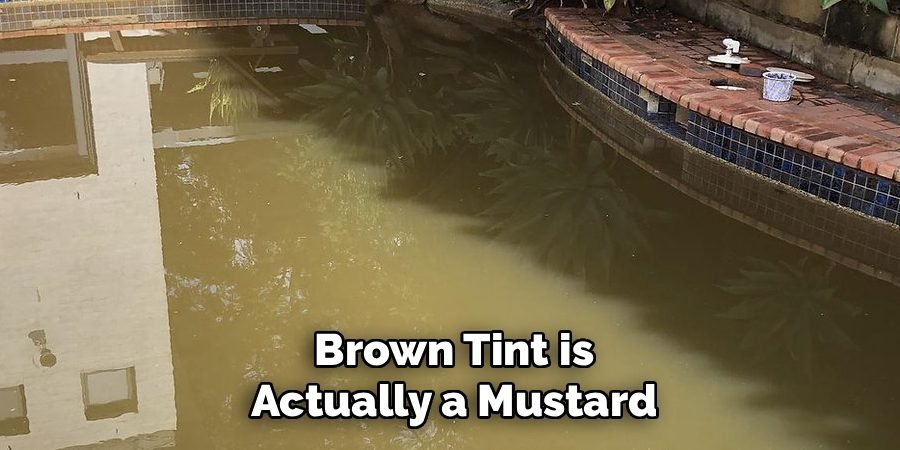
Furthermore, if the brown tint is actually a mustard or brown algae bloom, the water is unsanitary for swimming. Algae harbors bacteria like E. coli, posing health risks to anyone who takes a dip. Even if it is just metals, the high mineral content can clog your expensive filtration systems and heaters, leading to reduced efficiency and premature equipment failure. Taking action now saves you money on repairs and ensures your backyard remains a safe, inviting sanctuary for your family.
8 Step Methods Guide: How to Fix Brown Pool Water
Step 1: Diagnose the Cause of the Discoloration
Before you pour any chemicals into the water, you must determine exactly what you are fighting. Brown water is typically caused by one of two things: oxidized metals (usually iron) or brown algae. To figure this out, take a close look at the water. If the water is clear but brown—like tea—it is likely metals.
If the water is murky, cloudy, and brown, it could be algae. You can also visit your local pool supply store with a water sample. They can run a specialized test for iron and copper content. Knowing the root cause is the most critical part of understanding how to fix brown pool water effectively because treating metals with algae shock can sometimes make the staining worse.
Step 2: Clean Your Filtration System Thoroughly
A compromised filter cannot help you clear up the water, so your second task is to ensure your equipment is running at peak performance. If you have a cartridge filter, remove the element and hose it down thoroughly until the water runs clear.
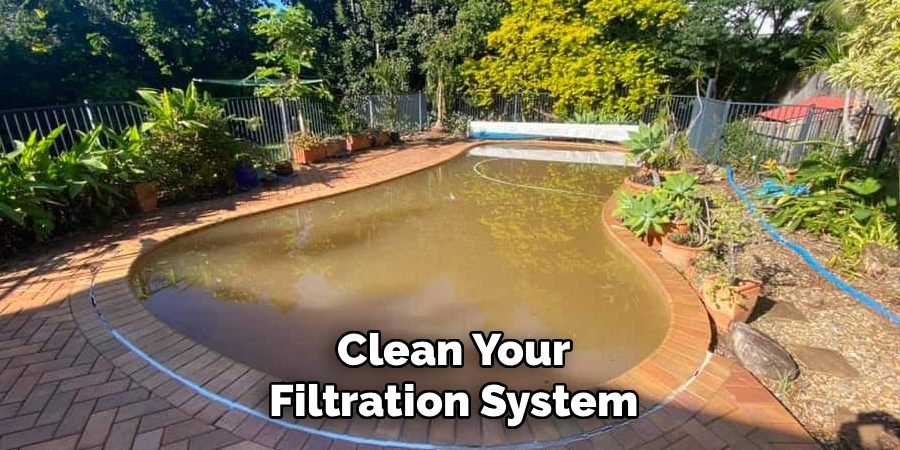
For sand or DE filters, perform a rigorous backwash cycle to eject any trapped debris and old contaminants. This step is vital because you are about to ask your filter to work overtime to remove the particles clouding your water. If the filter is clogged with leaves, bugs, or old dirt from your garden, it will not be able to trap the fine iron particles or dead algae you are about to treat. Starting with a clean slate ensures maximum circulation and filtration efficiency.
Step 3: Test and Balance pH and Alkalinity
Your pool chemicals will not work correctly if the water chemistry is out of balance. Using a reliable liquid test kit or test strips, check your pH and alkalinity levels. You want your pH to sit between 7.2 and 7.6 and your alkalinity between 80 and 120 ppm. If the pH is too high, metals are more likely to fall out of the solution and stain the pool surfaces.
If it is too low, the water becomes acidic and can corrode metal components in your heater or pump, adding more iron to the water. Adjust these levels using pH increaser or decreaser as needed. Getting the chemistry right provides a stable foundation for the heavy-duty treatment steps that follow.
Step 4: Add a Metal Sequestrant or Eliminator
If your diagnosis in Step 1 pointed toward metals, this is your most important action. You need to add a high-quality metal sequestrant or eliminator to the water. This chemical works by binding with the iron particles in the water, preventing them from oxidizing further and settling on your pool surfaces.
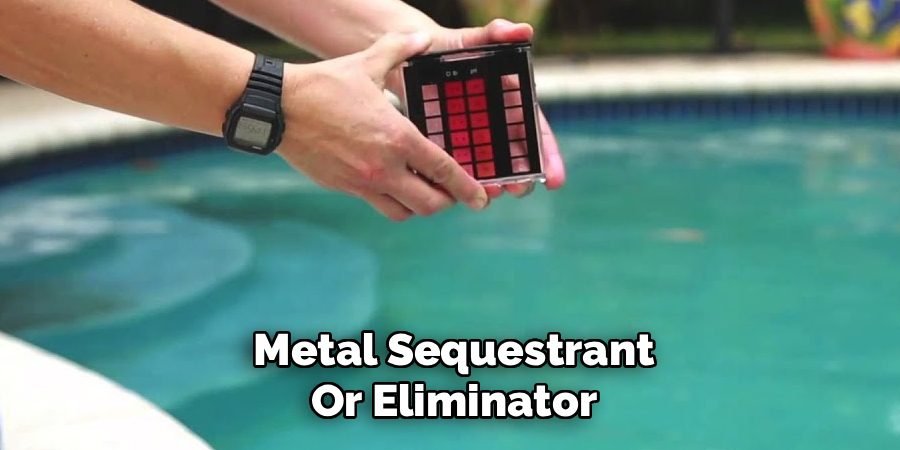
Follow the manufacturer’s instructions on the bottle for the correct dosage based on your pool’s volume. Pour the product around the perimeter of the pool to ensure even distribution. This process essentially holds the metals in suspension so they can be filtered out rather than staining your liner. This is a key secret in how to fix brown pool water caused by well water or corrosion.
Step 5: Shock the Pool to Oxidize Contaminants
If your issue is algae, or if you have treated the metals and waited the recommended time (usually 24 hours after adding sequestrant), it is time to shock the pool. Use a calcium hypochlorite shock or liquid chlorine to super-chlorinate the water. This high dose of chlorine will kill any algae spores and bacteria present.
If you are dealing with metals, be cautious here; shocking can sometimes cause metals to precipitate out faster. This is why the sequestrant in the previous step was so vital. The shock helps break down organic waste and clarifies the water. Pour the shock slowly into the deep end of the pool while the pump is running to circulate it effectively.
Step 6: Brush the Pool Walls and Floor Vigorously
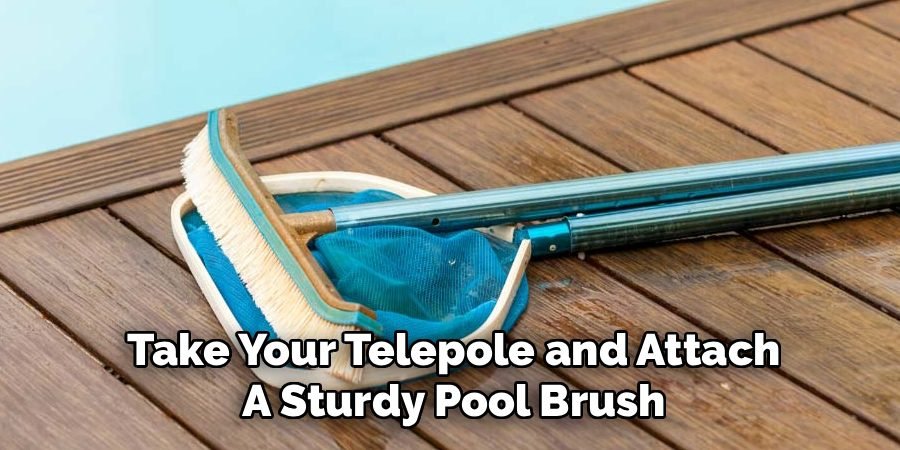
Chemicals can only do so much on their own; sometimes you need a bit of manual labor to get the job done. Take your telepole and attach a sturdy pool brush. Scrub every inch of the pool interior, paying special attention to the corners, steps, and ladders where circulation is often poor. Brushing helps detach any algae that is clinging to the walls and stirs up fine sediment that has settled on the floor.
By getting these particles into suspension, you make it possible for your filtration system and the chemicals to reach them. Think of this as exfoliating your pool; it loosens up the grime so the cleaning agents can do their work more effectively.
Step 7: Run the Pump and Filter Continuously
Once you have balanced, treated, and brushed the pool, you need to keep the water moving. Turn your pool pump on and let it run for at least 24 hours straight. This constant circulation ensures that all the water passes through the filter multiple times, allowing it to trap the dead algae, clumped metals, and other debris you have disturbed.
Do not turn the pump off at night during this recovery phase. The goal is to turn over the entire volume of water as many times as possible. Keep an eye on your pressure gauge during this time; as the filter catches the brown crud, the pressure will rise, indicating it is doing its job.
Step 8: Use a Flocculant for Fine Particles
Sometimes, the particles causing the brown tint are too small for your filter to catch. If the water remains cloudy after 24 hours of filtration, you may need to use a pool flocculant. This chemical acts like a magnet, causing tiny particles to clump together into larger, heavier groups that sink to the bottom of the pool.
Follow the instructions on the product label carefully. Usually, you will add the flocculant, run the pump for a couple of hours to circulate it, and then turn the pump off completely. You must let the water sit still overnight. In the morning, you should see a layer of brown sediment covering the floor of your pool.
Vacuum the Sediment to Waste
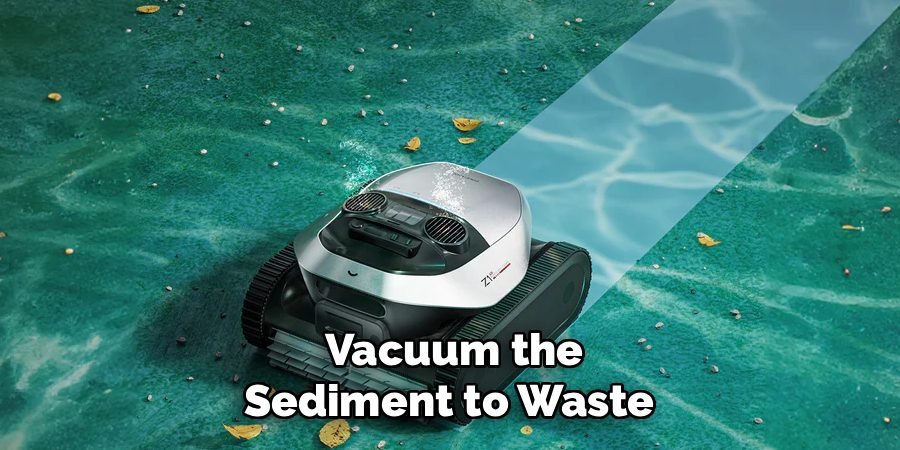
If you used a flocculant, you cannot use your automatic pool cleaner for this step, nor should you vacuum through the filter. The clumps of sediment will clog your filter instantly. Instead, set your filter valve to the “Waste” setting. This bypasses the filter and sends the dirty water directly out of the backwash line. Manually vacuum the pool floor, moving slowly to avoid stirring up the dust you just settled.
As you vacuum, the water level in your pool will drop significantly because you are pumping it out into your yard or drain. Make sure you have a garden hose running into the pool to replenish the water level simultaneously so the pump does not run dry.
Final Maintenance for How to Fix Brown Pool Water Permanently
Once the water is clear, you are in the home stretch, but you are not quite finished. Because you vacuumed to waste and added fresh water, your chemical balance will likely be thrown off again. Retest your pH, alkalinity, and chlorine levels immediately. Rebalance them to the ideal ranges to prevent the problem from returning.
If your issue was metals, you may need to add a maintenance dose of metal sequestrant regularly, especially if you fill your pool with well water. Clean your filter one last time to remove any lingering contaminants. Establishing this routine is the final piece of the puzzle in mastering how to restore and maintain your backyard oasis.
Frequently Asked Questions
Can I swim in brown pool water?
No, it is generally unsafe to swim in brown pool water. If the discoloration is caused by algae, the water likely contains harmful bacteria that can cause skin irritation, eye infections, or gastrointestinal illness if swallowed. Even if the cause is just iron or other metals, the water chemistry is likely unbalanced, which can irritate sensitive skin and eyes. It is best to wait until the water is clear and chemically balanced before swimming.
How long does it take to clear up brown pool water?
The timeline varies depending on the severity of the issue and the cause. If it is a simple metal issue treated with a sequestrant, you might see results in 24 to 48 hours. However, if you are dealing with a severe algae bloom or heavy metal saturation requiring flocculants and vacuuming, the process can take 3 to 5 days. Patience is key; rushing the steps often leads to cloudy water returning.
Will shocking the pool fix brown water?
Shocking the pool is effective if the brown water is caused by organic contaminants like algae. However, if the brown water is caused by metals like iron, shocking can actually make the problem worse. The high chlorine levels cause the iron to oxidize rapidly, turning the water darker brown or rust-colored. Always test your water for metals before adding a shock treatment to ensure you are applying the correct remedy.
Why is my pool water brown after adding chlorine?
If your pool water turned brown immediately after adding chlorine, you almost certainly have high levels of metals, particularly iron, in your water. The chlorine oxidized the iron, causing it to “rust” in the water instantly. To fix this, do not add more chlorine. Instead, add a metal sequestrant to bind the metals and lower the staining potential, then filter the water continuously until it clears up.
Is brown pool water permanent?
Brown pool water is rarely permanent, but it can lead to permanent staining if left untreated. The suspended particles can settle on your liner, stairs, and lights, creating stubborn yellow or brown stains that are very difficult to remove. While the water itself can always be fixed with filtration and chemicals, acting quickly is essential to protect the physical surfaces of your pool from long-term cosmetic damage.
Conclusion
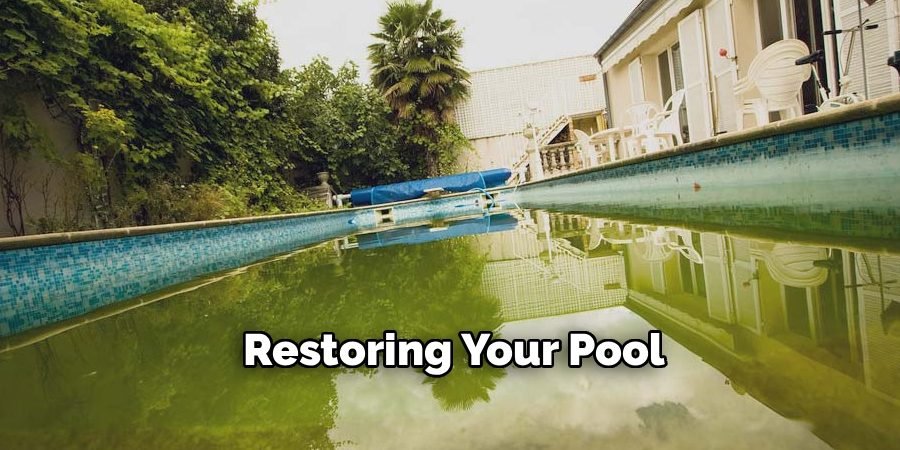
Restoring your pool from a swampy brown mess to a sparkling blue gem is entirely possible with the right approach. While the sight of dark water can be alarming, diagnosing the problem correctly—whether it is metals or algae—is half the battle.
By following the steps outlined above, you can safely eliminate the contaminants and protect your pool equipment from damage. Remember to maintain regular testing and cleaning schedules to prevent the issue from recurring. Now that you understand exactly how to fix brown pool water, you can confidently tackle the problem and get back to enjoying your beautiful backyard retreat.

About
Jovie Mathews is a backyard and outdoor expert writer with over 12 years of hands-on experience transforming neglected outdoor spaces into thriving gardens and functional retreats. Raised in a family where weekends meant digging in the soil and building raised beds from scratch, Jovie developed a genuine love for the outdoors long before it became a career.
She writes with a practical, no-fluff approach — always testing ideas in her own backyard before sharing them with readers. From composting systems and native plant selection to patio design and pest control, Jovie covers the full spectrum of backyard life with equal parts expertise and enthusiasm.
Education
B.Sc. in Horticulture Science
University of Florida (UF) · Gainesville, FL · 2014
IFAS College of Agricultural and Life Sciences
Minor in Environmental Studies
University of Florida (UF) · Gainesville, FL · 2014
College of Liberal Arts and Sciences
Areas of expertise
- Lawn & Garden Care
- Soil prep, planting, seasonal care
- Outdoor DIY Projects
- Raised beds, fencing, pathways
- Composting & Soil Health
- Organic methods, amendments
- Native Plants & Wildlife
- Pollinators, habitat gardening
When she is not writing, Jovie can be found testing new composting techniques, growing tomatoes in questionable quantities, or convincing her neighbors that clover lawns are actually a great idea. She currently gardens in the Pacific Northwest.