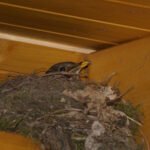

Barn swallows are fascinating birds, known for their acrobatic flight and their appetite for insects. While their presence can be beneficial, their nesting habits often create a significant mess on porches and eaves. The constant droppings and nest debris can stain surfaces and become a sanitation concern. It is important to note that barn swallows are a protected species under the Migratory Bird Treaty Act, making it illegal to harm the birds or disturb their nests once eggs or chicks are present. Therefore, prevention and humane deterrence are the only legal and ethical options. This guide will provide effective, non-harmful methods and explain how to get rid of barn swallows on porch before they establish a permanent home.
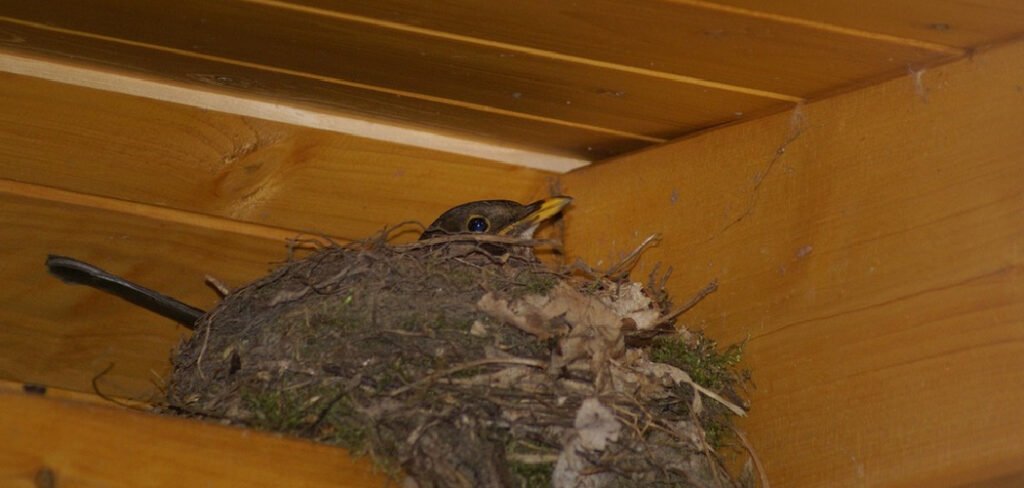
Barn swallows are small, agile birds known for their graceful flight and distinctive forked tails. While they are fascinating to observe, their tendency to build mud nests on porches and other structures can create challenges for homeowners. Addressing this issue requires a balance between respecting wildlife and protecting your property from potential damage or mess. By taking proactive and humane steps, it is possible to deter barn swallows before they settle in undesirable areas.
8 Step-by-Step Guide on How to Get Rid of Barn Swallows on Porch
Step 1: Understand the Timing
Timing is everything when dealing with barn swallows. Under federal law, you cannot remove a nest if it contains eggs or young birds. The nesting season typically runs from spring through late summer. The best and only legal time to take action is either before the nests are built or after the young birds have fledged the nest in the fall.
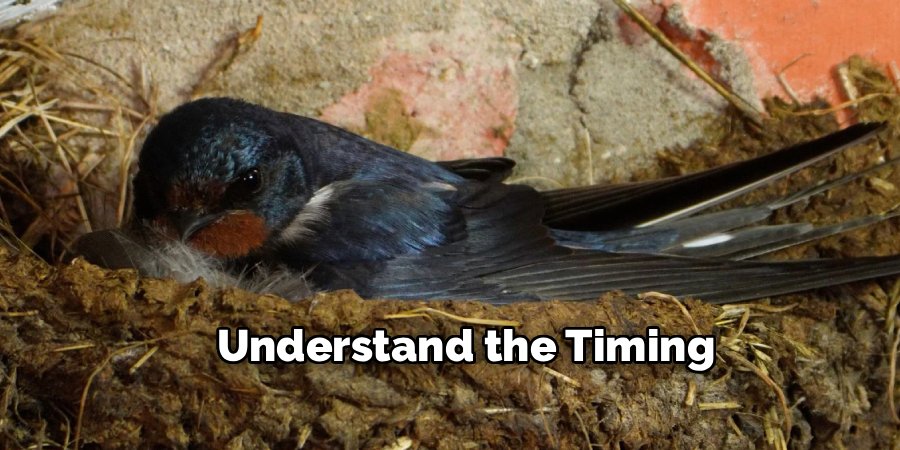
During the nesting season, you must wait until the last chick has departed. Once the nest is empty, you can legally remove it. This respect for their life cycle is the most important part of any humane deterrence strategy.
Step 2: Remove Old, Inactive Nests
Once you have confirmed that the nesting season is over and the swallows have migrated, the first physical step is to remove any old, empty nests. Barn swallows are creatures of habit and will often return to the same location year after year, so removing the old foundation is critical. Use a scraper or a putty knife to detach the mud nest from the wall or ceiling. Wear gloves and a mask, as old nests can contain mites and dried droppings. After scraping the nest away, scrub the area thoroughly with a mixture of soap and water or a mild bleach solution to clean the surface and remove any remaining parasites or bacteria.
Step 3: Install Physical Barriers
The most effective way to prevent barn swallows from rebuilding is to make their preferred nesting spots physically inaccessible. Bird netting is an excellent tool for this. You can install netting under the eaves of your porch, creating a barrier that prevents them from reaching the 90-degree angles they love for nest building. Ensure the netting is installed tightly and without any gaps, as swallows can squeeze through very small openings. Another option is to install bird spikes on ledges or beams. While the name sounds harsh, these spikes do not harm the birds; they simply create an uneven surface that makes it impossible for them to land and build a nest.
Step 4: Make Surfaces Unappealing
Barn swallows build their nests using mud, which requires a textured surface to adhere properly. You can make your porch less attractive by modifying these surfaces. If you have rough, unfinished wood, consider painting or sealing it with a high-gloss finish.
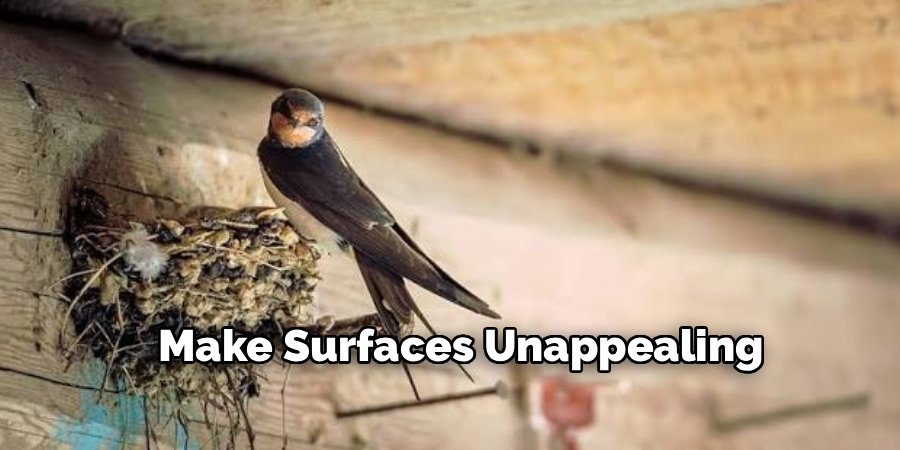
This creates a slick surface that makes it difficult for their mud nests to stick. Applying a clear, bird-repellent gel to ledges and corners can also work. These gels are sticky and uncomfortable for birds to land on, encouraging them to find a more suitable location without trapping or harming them.
Step 5: Use Visual Deterrents
Barn swallows are prey animals and are naturally wary of predators and sudden movements. You can leverage this instinct by using visual deterrents. Hang reflective “scare tape,” old CDs, or small mirrors from the ceiling of your porch. The constant movement and flashes of light created by these items can be unsettling to the birds and may persuade them to build elsewhere. Similarly, placing realistic plastic owls or hawks near the nesting area can be effective. To maintain the illusion, you must move these fake predators every few days so the swallows do not realize they are not a real threat.
Step 6: Employ Auditory Deterrents
In addition to visual scares, sound can also be an effective deterrent. There are ultrasonic devices available that emit high-frequency sounds that are annoying to birds but are generally inaudible to humans and most pets. These can be placed on your porch to create an unwelcoming auditory environment. Alternatively, simply increasing human activity on your porch during the early spring when the swallows are scouting for locations can be enough to deter them. Playing a radio or hanging wind chimes that create frequent, unpredictable noises can also make the area seem too busy and unsafe for nesting.
Step 7: Modify the Porch Architecture
For a long-term, permanent solution, consider making small architectural modifications. Barn swallows almost always build their nests on a vertical surface that is protected by an overhang, creating a 90-degree angle.
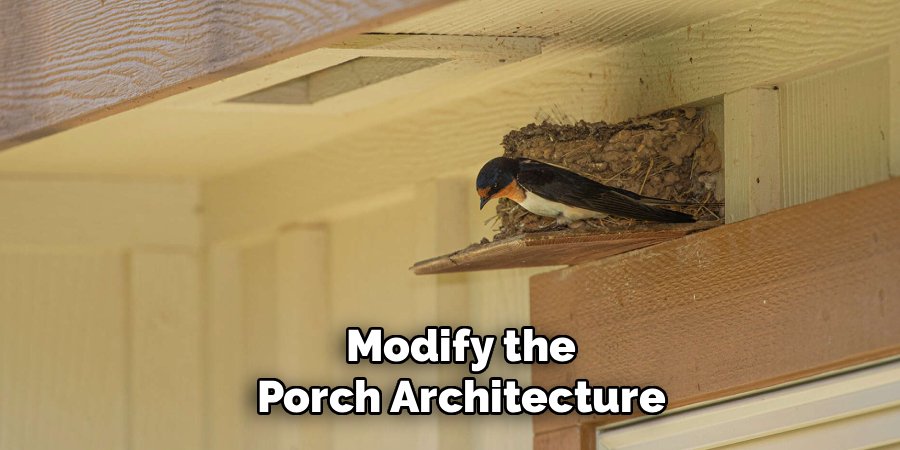
You can eliminate these attractive spots by installing a sloped piece of wood or PVC board at a 45-degree angle in the corners where they like to build. This change in the angle of the wall-to-ceiling junction removes the flat, supportive ledge they need for their nests, effectively designing them out of your porch space.
Step 8: Offer an Alternative Nesting Site
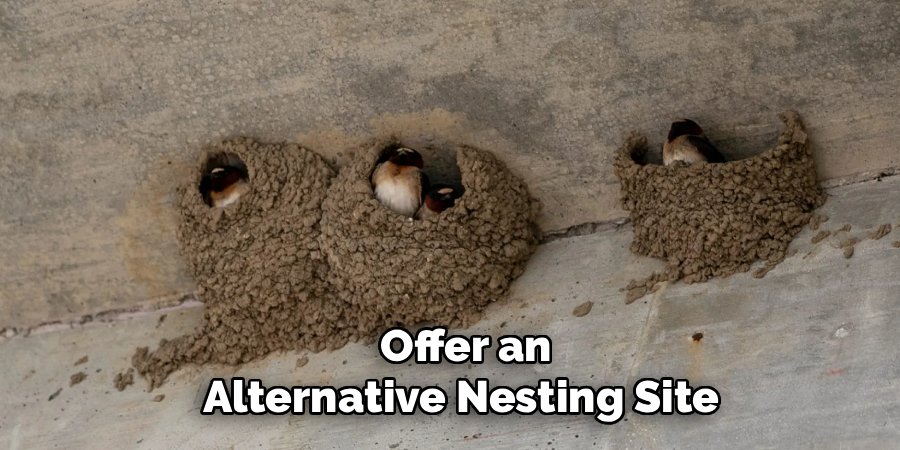
If you appreciate having the birds around for insect control but simply want them off your porch, you can try providing a more attractive alternative. Install a small wooden nesting shelf or a specific swallow nesting structure on a pole or the side of an outbuilding located a good distance away from your house. By making this alternative site more appealing—perhaps by placing it near a mud source—you can sometimes redirect their nesting instincts away from your main living areas. This approach is a key part of learning how to get rid of barn swallows on porch while coexisting peacefully.
Frequently Asked Questions (FAQ)
Is It Illegal to Remove a Barn Swallow Nest?
Yes, it is illegal to remove, destroy, or otherwise disturb a barn swallow nest if it contains eggs or young birds. Barn swallows are protected under the Migratory Bird Treaty Act of 1918. You must wait until after the young birds have left the nest for the season (usually in late fall) before you can legally remove the empty nest.
Why Do Barn Swallows Keep Coming Back to My Porch?
Barn swallows have strong site fidelity, meaning they will return to the same nesting location year after year if they have had past success there. They prefer structures that offer shelter from the elements and predators, and porches with eaves provide the perfect 90-degree angle for constructing their mud nests. Removing old nests and blocking these preferred spots is crucial to breaking the cycle.
Do Fake Owls Really Work to Scare Away Swallows?
Fake owls can be effective, but only temporarily. Barn swallows are intelligent and will quickly realize the “predator” is not a threat if it never moves. To make a fake owl work, you must reposition it every few days to maintain the illusion of a live threat. Combining it with other deterrents, like reflective tape, increases its effectiveness.
Will Barn Swallows Damage My House?
The primary damage from barn swallows is cosmetic and sanitary. Their mud nests can stain siding and paint, and their droppings can accumulate on floors, railings, and furniture, creating an unsightly and unsanitary mess. While they do not cause structural damage, the constant cleanup and potential for staining are the main reasons homeowners seek to deter them.
What Is the Easiest Way to Prevent Nests?
The simplest and most effective preventative measure is installing bird netting under the eaves of your porch. By creating a physical barrier, you make it impossible for them to access their preferred nesting spots. This should be done in late winter or very early spring before the swallows return from their migration and begin scouting for nest locations.
Conclusion
Successfully managing barn swallows on your porch is a matter of humane deterrence and strategic prevention, not elimination. The key is to act at the right time—before nesting begins or after it ends—and to respect their protected status. By removing old nests, installing physical barriers like netting, and making your porch surfaces less appealing, you can effectively encourage these birds to find a more suitable home. Remember that a multi-faceted approach combining visual, auditory, and physical deterrents will always yield the best results. Now that you have a comprehensive understanding of how to get rid of barn swallows on porch, you can reclaim your outdoor space while allowing these beneficial birds to thrive elsewhere.

About
Jovie Mathews is a backyard and outdoor expert writer with over 12 years of hands-on experience transforming neglected outdoor spaces into thriving gardens and functional retreats. Raised in a family where weekends meant digging in the soil and building raised beds from scratch, Jovie developed a genuine love for the outdoors long before it became a career.
She writes with a practical, no-fluff approach — always testing ideas in her own backyard before sharing them with readers. From composting systems and native plant selection to patio design and pest control, Jovie covers the full spectrum of backyard life with equal parts expertise and enthusiasm.
Education
B.Sc. in Horticulture Science
University of Florida (UF) · Gainesville, FL · 2014
IFAS College of Agricultural and Life Sciences
Minor in Environmental Studies
University of Florida (UF) · Gainesville, FL · 2014
College of Liberal Arts and Sciences
Areas of expertise
- Lawn & Garden Care
- Soil prep, planting, seasonal care
- Outdoor DIY Projects
- Raised beds, fencing, pathways
- Composting & Soil Health
- Organic methods, amendments
- Native Plants & Wildlife
- Pollinators, habitat gardening
When she is not writing, Jovie can be found testing new composting techniques, growing tomatoes in questionable quantities, or convincing her neighbors that clover lawns are actually a great idea. She currently gardens in the Pacific Northwest.