
There are few things more relaxing than unwinding on your porch with a cool drink after a long day. The gentle breeze and fresh air create the perfect atmosphere for reading, chatting with family, or simply watching the sunset. However, this idyllic scene can be quickly ruined by the arrival of uninvited guests. Buzzing mosquitoes, persistent flies, and crawling critters can turn your peaceful retreat into a battleground, forcing you back indoors. It is a frustrating reality for many homeowners who just want to enjoy their outdoor living space without getting bitten or swarmed.

Fortunately, you do not have to surrender your patio to the insect kingdom. By understanding what attracts pests and implementing a few strategic changes, you can create a robust defense system for your home exterior. From changing your lighting to using natural scents, there are numerous effective methods to deter these tiny intruders. In this comprehensive guide, we will explore practical, expert-approved strategies on how to keep bugs off porch areas effectively. Read on to discover how you can reclaim your space and enjoy bug-free evenings all season long.
8 Steps on How to Keep Bugs Off Porch
Step 1: Switch to Yellow or Amber LED Bulbs
One of the most effective and simplest changes you can make is adjusting your lighting. Insects are naturally drawn to standard incandescent and bright white LED bulbs because they emit high levels of blue light and heat, which act as a beacon for moths, mosquitoes, and beetles. To reduce this attraction, replace your existing porch bulbs with yellow or amber-colored “bug lights.”
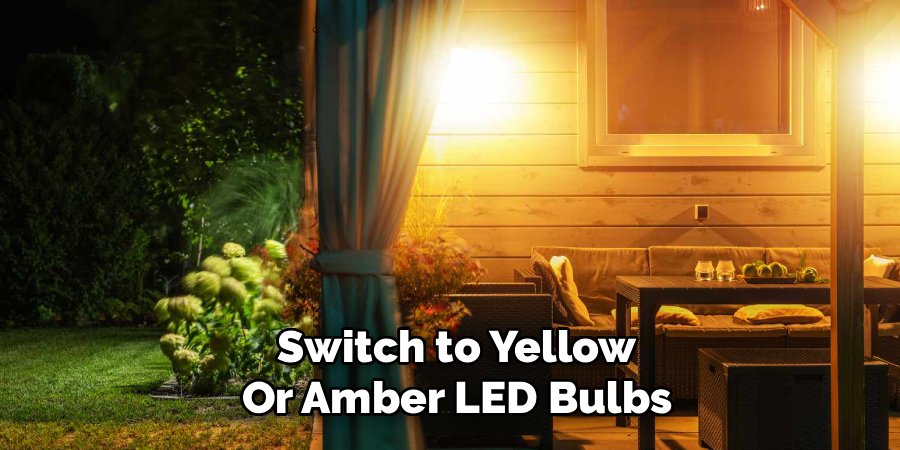
These bulbs emit a different wavelength of light that is far less visible to most flying insects. While it won’t repel them entirely, it renders your porch significantly less interesting to them compared to a neighbor’s bright white yard light. This simple swap can drastically reduce the amount of aerial traffic swarming around your seating area immediately.
Step 2: Install Ceiling or Oscillating Fans
Creating air movement is a surprisingly powerful deterrent against flying pests. Mosquitoes and gnats are notoriously weak flyers, and even a gentle breeze can make it difficult for them to navigate and land on you. Installing a ceiling fan on your porch provides a consistent downdraft that physically pushes insects away. If hardwiring a ceiling fan is not an option, strategic placement of sturdy oscillating floor fans can achieve a similar effect. Beyond just the physical barrier of the wind, fans also help disperse the carbon dioxide and body heat humans emit, which are the primary attractants for mosquitoes. This mechanical solution keeps you cool while making your porch a “no-fly zone.”
Step 3: Eliminate Standing Water Sources
Mosquitoes require stagnant water to breed, and they can lay eggs in incredibly small amounts of moisture. To stop a population explosion right on your doorstep, you must be vigilant about removing standing water. Inspect your porch and the immediate surrounding area for plant saucers, clogged gutters, old tires, or even overturned frisbees that might be collecting rainwater. Refresh birdbaths daily and consider adding a bubbler to keep the water moving. By removing these breeding grounds, you attack the problem at the source. This is a crucial aspect of how to keep bugs off porch environments, as it prevents the next generation of pests from ever hatching near your relaxation zone.
Step 4: Plant Insect-Repelling Herbs and Flowers
Nature provides its own pest control if you know what to plant. Surrounding your porch with specific aromatic plants can create a natural barrier that insects find repulsive. Marigolds, for instance, contain pyrethrum, a compound used in many commercial insect repellents.
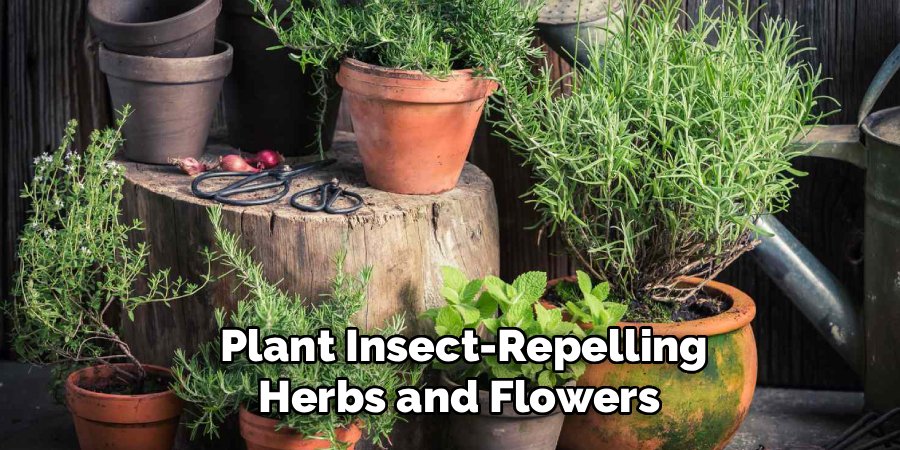
Lavender, mint, rosemary, and lemongrass are also excellent choices that smell wonderful to humans but are detested by mosquitoes and flies. You can plant these in decorative pots directly on the porch or in garden beds bordering the structure. When you brush against these plants, they release their essential oils, enhancing the protective scent barrier. This method adds beauty to your home while serving a functional purpose in your pest management strategy.
Step 5: Incorporate Essential Oil Sprays
For a more targeted approach, you can harness the power of essential oils to treat surfaces where bugs like to congregate. Create a natural spray by mixing water with a few drops of high-potency essential oils like peppermint, eucalyptus, or tea tree oil. Peppermint is particularly effective against spiders and ants, while eucalyptus is known to confuse mosquitoes. Spray this mixture around the perimeter of your porch, along railings, and around door frames. You can also spray it on outdoor furniture cushions (test a small spot first) to keep pests from landing. This provides an immediate, pleasant-smelling deterrent that reinforces your other efforts in learning how to keep bugs off porch furniture and fixtures.
Step 6: Maintain a Clean and Decluttered Space
Insects and spiders love clutter because it provides shelter, shade, and hiding spots for their nests. A messy porch with stacks of old newspapers, unused flower pots, or piles of firewood is an open invitation for pests to move in. Make it a habit to sweep your porch regularly to remove crumbs, dirt, and fallen leaves that might attract ants or roaches. Wipe down tables immediately after eating to remove sticky spills. frequently knock down cobwebs from corners and light fixtures using a broom. Keeping the area pristine removes the food sources and physical harborage that bugs need to survive, making your porch a much less hospitable environment for them.
Step 7: Use Screen Curtains or Enclosures
If the bug population in your area is overwhelming, sometimes the best offense is a good physical defense. Installing screens is the ultimate way to ensure a bug-free experience. If a permanent screened-in porch isn’t in the budget, consider hanging weighted outdoor curtains or installing retractable screen panels.

These can be drawn closed during the peak “bug hours” of dusk and dawn. Magnetic mesh door screens are another affordable option for entryways. These barriers allow the fresh air to flow through while physically blocking mosquitoes, flies, and even larger pests like wasps. It effectively seals off your sanctuary without sacrificing the feeling of being outdoors.
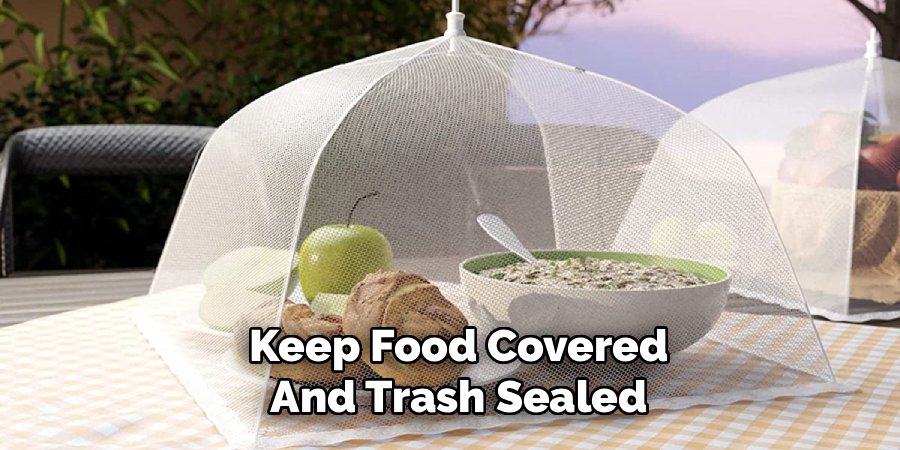
Step 8: Keep Food Covered and Trash Sealed
Nothing attracts a swarm of flies or a line of ants faster than accessible food and garbage. If you enjoy dining al fresco, invest in mesh food covers or domes to place over serving platters when people aren’t actively filling their plates. Avoid leaving open soda cans or wine glasses sitting out, as the sugar is a major attractant for bees and wasps. Furthermore, ensure that any trash cans located near the porch have tight-fitting lids and are cleaned regularly to remove odorous residue. By removing the olfactory temptations, you stop signaling to the insect world that your porch is an all-you-can-eat buffet.
Frequently Asked Questions (FAQ)
Do Bug Zappers Actually Work for Porches?
Bug zappers can kill insects, but they are often counterproductive for a porch setting.
- They attract bugs to the area with UV light, potentially bringing more pests onto your porch than were there originally.
- They mostly kill harmless insects like moths and beetles rather than biting pests like mosquitoes.
- The sound of zapping can be disruptive to a relaxing evening.
- It is generally better to use repellents that push bugs away rather than attractants that pull them in.
What Are the Best Scents to Keep Bugs Away?
Insects have sensitive olfactory receptors and generally dislike strong, pungent aromas.
- Citronella: A classic mosquito repellent often found in candles and torches.
- Peppermint: Excellent for repelling spiders, ants, and mice.
- Lavender: Repels moths, fleas, flies, and mosquitoes.
- Eucalyptus and Lemon: A powerful combination for confusing mosquitoes’ scent tracking.
- Garlic: While strong, spraying a garlic solution can keep aphids and mosquitoes at bay.
Why Do People Paint Porch Ceilings Blue?
Painting porch ceilings “Haint Blue” is a Southern tradition rooted in folklore, believed to ward off evil spirits. However, there is a practical pest control theory behind it as well.
- It is believed that insects perceive the blue ceiling as the sky, tricking them into thinking they are not under shelter, causing them to fly elsewhere.
- Historically, these blue paints were mixed with lye, which acted as a natural insect repellent.
- While modern paint lacks lye, many homeowners still swear by its ability to discourage nesting wasps and spiders.
How Can I specifically Keep Spiders off My Porch?
Spiders are usually there because there are other bugs to eat, so reducing the general insect population is the first step.
- Sweep down webs consistently to discourage rebuilding.
- Spray a mixture of peppermint oil and water around corners and crevices.
- Turn off exterior lights when not in use to stop attracting the moths and flies that spiders hunt.
- Rub citrus peels along railings, as spiders “taste” with their feet and dislike the acidity.
Is It Safe to Spray Pesticides Around My Porch?
Using chemical pesticides should be a last resort due to health concerns for pets, children, and beneficial pollinators like bees.
- If you must use them, opt for perimeter sprays designed for home foundations rather than broadcasting it over the whole patio.
- Always apply when the area is dry and keep pets away until it dries completely.
- Consider using diatomaceous earth (food grade) as a safer, non-toxic alternative for crawling insects like ants and roaches.
Conclusion
Reclaiming your outdoor space from pests is not about waging war with harsh chemicals, but rather about creating an environment that is naturally unwelcoming to them. By layering different defense strategies—such as changing your lighting, creating air circulation with fans, and using aromatic botanicals—you can build a formidable barrier around your relaxation zone. Consistency is key; small daily habits like sweeping up crumbs and removing standing water will pay huge dividends in the long run.
Ultimately, a bug-free porch allows you to fully embrace the joys of outdoor living, from morning coffees to late-night conversations. Now that you have mastered how to keep bugs off porch spaces using these expert tips, you are ready to enjoy the fresh air in peace. Implement these steps today, and get back to relaxing in your personal outdoor sanctuary.

About
Jovie Mathews is a backyard and outdoor expert writer with over 12 years of hands-on experience transforming neglected outdoor spaces into thriving gardens and functional retreats. Raised in a family where weekends meant digging in the soil and building raised beds from scratch, Jovie developed a genuine love for the outdoors long before it became a career.
She writes with a practical, no-fluff approach — always testing ideas in her own backyard before sharing them with readers. From composting systems and native plant selection to patio design and pest control, Jovie covers the full spectrum of backyard life with equal parts expertise and enthusiasm.
Education
B.Sc. in Horticulture Science
University of Florida (UF) · Gainesville, FL · 2014
IFAS College of Agricultural and Life Sciences
Minor in Environmental Studies
University of Florida (UF) · Gainesville, FL · 2014
College of Liberal Arts and Sciences
Areas of expertise
- Lawn & Garden Care
- Soil prep, planting, seasonal care
- Outdoor DIY Projects
- Raised beds, fencing, pathways
- Composting & Soil Health
- Organic methods, amendments
- Native Plants & Wildlife
- Pollinators, habitat gardening
When she is not writing, Jovie can be found testing new composting techniques, growing tomatoes in questionable quantities, or convincing her neighbors that clover lawns are actually a great idea. She currently gardens in the Pacific Northwest.