
Staring out at a backyard that is nothing more than a patch of barren, dusty earth can be incredibly discouraging. It is hard to envision summer barbecues or relaxing evenings when all you see is brown, cracked soil and maybe a few stubborn weeds. However, a dirt yard is not a dead end; it is a blank canvas waiting for your creative touch.
Many homeowners believe that transforming a dirt lot requires a massive budget or a professional landscaping crew, but that is simply not the case. With a little sweat equity and some smart design choices, you can turn even the most desolate plot into a vibrant, functional outdoor living space.
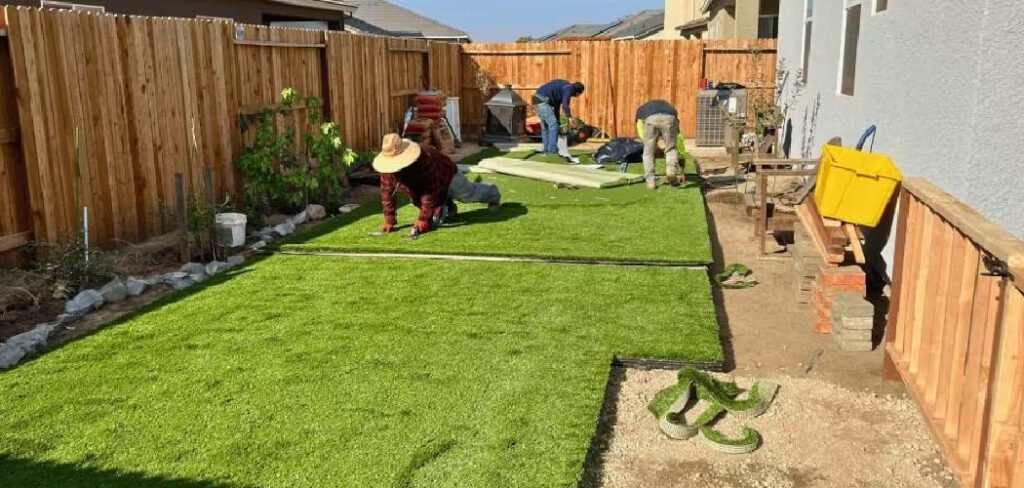
Whether you dream of a lush garden, a cozy fire pit area, or simply a clean, organized space for the kids to play, the journey starts with a plan.
This guide is designed to walk you through the process of how to make dirt backyard look nice, providing you with practical, budget-friendly steps to elevate your outdoor space from a dusty eyesore into a personal sanctuary you will be proud to show off.
7 Step-by-Step Guide on How to Make Dirt Backyard Look Nice
Step 1: Clear the Canvas and Level the Ground
Before you can add any beauty to your yard, you must first address the existing mess. This initial phase involves removing everything that does not belong in your future oasis. You need to pull out weeds, remove large rocks, clear away dead branches, and pick up any trash that has accumulated over time.

Once the surface is clean, look at the grading of the dirt. If the ground is uneven with dips and mounds, you will want to level it out using a rake or a shovel. Filling in low spots prevents water from pooling and creating mud puddles, while flattening high spots ensures a stable foundation for any future patios or walkways.
This preparation work is the unglamorous but essential foundation of any successful landscape project.
Step 2: Define Functional Zones with Hardscaping
One of the biggest reasons a dirt yard looks unappealing is the lack of structure. To fix this, you need to mentally divide your space into functional zones. Decide where you want a seating area, a play space, or a garden bed. You can use hardscaping materials like bricks, pavers, or even large river stones to create physical borders between these zones.
For example, outlining a rectangular area with stones instantly suggests a purpose, even before you put furniture in it.
This technique brings order to the chaos and is a core component of how to make dirt backyard look nice without necessarily planting grass everywhere. Creating these defined shapes tricks the eye into seeing a designed landscape rather than a neglected lot.
Step 3: Add Pathways to Create Flow and Interest
A large expanse of dirt can feel overwhelming, but breaking it up with pathways adds instant charm and utility. Pathways guide visitors through the space and protect your shoes from getting dusty. You do not need to pour expensive concrete sidewalks; affordable materials like gravel, crushed granite, or stepping stones work beautifully.
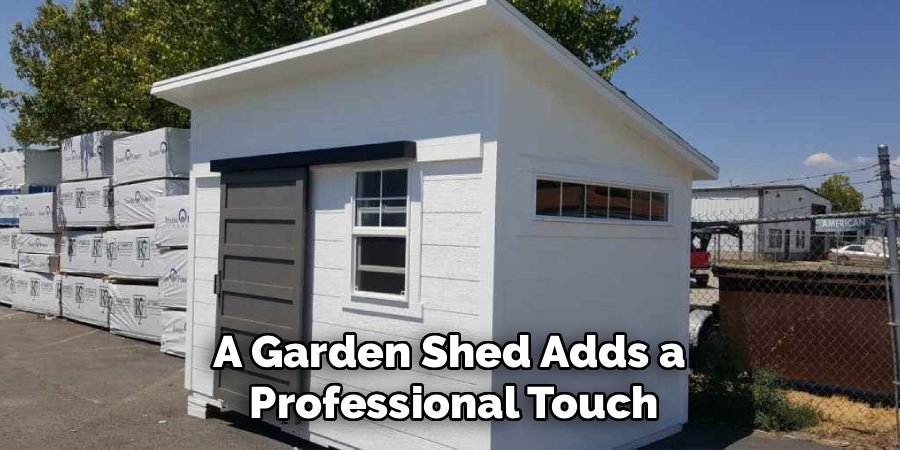
Lay down a weed barrier fabric first to prevent growth from coming up through your path, then spread your chosen material on top. A winding gravel path leading to a seating area or a straight stone walkway to a garden shed adds a professional touch.
This simple addition creates visual movement and makes the yard feel accessible and inviting rather than like a forbidden construction zone.
Step 4: Incorporate Raised Garden Beds for Greenery
Trying to grow plants directly in poor-quality, compacted backyard dirt can be a frustrating exercise in futility. Instead of fighting the soil, build on top of it. Raised garden beds are a fantastic solution for introducing lush greenery and vibrant flowers without needing to amend the entire yard’s soil.
You can construct simple boxes out of untreated cedar or buy pre-made galvanized steel planters. Fill them with high-quality potting mix and plant drought-tolerant shrubs, colorful perennials, or even a vegetable garden.
These beds add vertical interest and pops of color that draw the eye away from the ground. They act as beautiful, contained islands of life that drastically improve the overall aesthetic of the space.
Step 5: Strategies for How to Make Dirt Backyard Look Nice: Use Ground Cover
If you are not planning to install a full lawn, you still need to cover the remaining exposed dirt to suppress dust and prevent mud. Organic mulch, such as wood chips or bark, is an inexpensive and attractive option that also helps retain soil moisture. Spread a thick layer of mulch around your raised beds and in any areas not covered by pathways or patios.
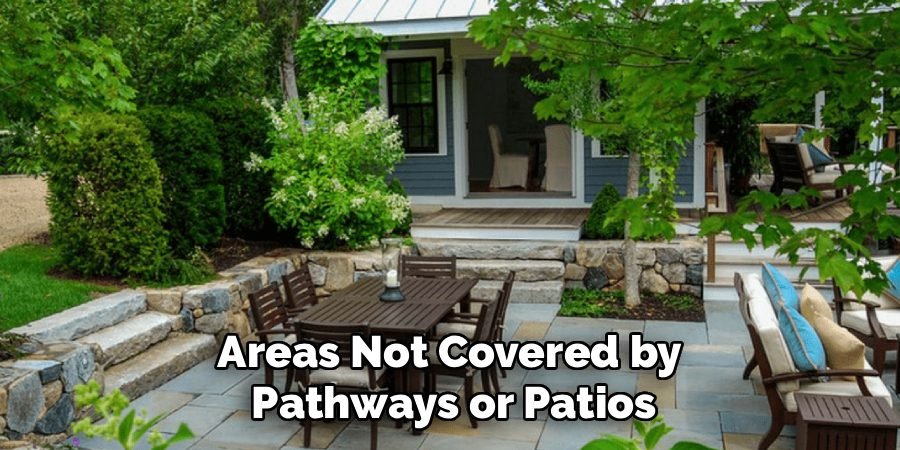
Alternatively, you can use inorganic ground covers like pea gravel or decorative pebbles for a more modern, low-maintenance look. Covering the bare earth immediately gives the yard a finished, polished appearance. It unifies the design and solves the practical problems associated with raw dirt, making the space much more usable.
Step 6: Create a Focal Point to Anchor the Space
Every good design needs a centerpiece to capture attention. In a backyard renovation, a focal point serves as the heart of the outdoor room. This could be a DIY fire pit surrounded by Adirondack chairs, a bubbling water feature, a trellis covered in climbing vines, or even a brightly painted bench.
Placing a focal point gives the eye a specific place to rest, distracting from the edges of the yard or any imperfections that might remain. It transforms the backyard from a pass-through area into a destination.
When you anchor your design with a strong central feature, the surrounding elements feel more cohesive and purposeful, elevating the entire atmosphere of the garden.
Step 7: Install Outdoor Lighting for Ambiance
The transformation of your backyard should not disappear when the sun goes down. Lighting is the final touch that adds warmth, safety, and a touch of magic to your outdoor space. You do not need complex electrical wiring to achieve this. Solar-powered stake lights can be placed along your new pathways to define the walkway.
String lights draped across the seating area or hung from fence posts create a cozy, bistro-style vibe overhead. You can also use solar spotlights to uplight a tree or a specific garden feature.
Good lighting extends the usability of your yard into the evening and makes the space look curated and expensive, completing the makeover from dusty lot to dreamy retreat.
Frequently Asked Questions (FAQ)
What Is the Cheapest Way to Cover Backyard Dirt?
The most budget-friendly way to cover a large area of dirt is usually wood chip mulch.
- Tree Services: You can often get free or very cheap wood chips from local tree trimming companies that need to offload their chippings.
- Coverage: It spreads easily and effectively suppresses weeds while keeping dust down.
- Alternatives: Gravel is another affordable option, though it is more expensive than mulch. Straw or pine needles can also work for temporary coverage in rustic settings.
Can I Put Furniture Directly on Dirt?
While you technically can, it is generally not recommended for the long term.
- Stability: Furniture legs can sink into the dirt, making chairs and tables wobbly and unstable.
- Damage: Moisture from the soil can rot wood furniture or rust metal legs.
- Cleanliness: It gets messy when it rains.
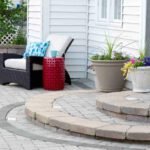
- Solution: Create a simple patio area using inexpensive pavers or even a thick layer of compacted gravel to provide a stable, clean base for your furniture.
How Do I Stop Weeds from Growing in My Dirt Yard?
Weed prevention is all about blocking sunlight.
- Landscape Fabric: Lay down a high-quality, heavy-duty weed barrier fabric over the dirt before adding any ground cover like gravel or mulch.
- Thick Mulch: If you don’t use fabric, you need a layer of mulch at least 3-4 inches thick to prevent weed seeds from germinating.
- Maintenance: Pull any weeds that do manage to break through immediately before they go to seed.
What Plants Grow Best in Poor Soil?
If you want to plant directly in the ground rather than in raised beds, look for hardy, drought-tolerant native plants.
- Succulents and Cacti: These thrive in poor, rocky soil and need very little water.
- Lavender and Rosemary: These herbs actually prefer soil that isn’t too rich and drain well.
- Ornamental Grasses: Many varieties are incredibly tough and can flourish in less-than-ideal conditions.
- Native Wildflowers: Check with a local nursery for wildflower mixes native to your specific region.
Is Artificial Grass a Good Option for Covering Dirt?
Artificial grass can be a great low-maintenance solution, but it comes with pros and cons.
- Pros: It provides an instant green, manicured look without the need for watering, mowing, or fertilizing. It stays clean and is durable for pets.
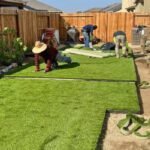
- Cons: It can be expensive to install properly (requiring a leveled base and drainage). It can also get very hot in direct sunlight during the summer.
- Verdict: It is an excellent investment for small areas or if you want a green look without the work of real sod.
Conclusion
Turning a barren patch of earth into a beautiful backyard is a rewarding project that pays dividends in both home value and personal enjoyment. It does not require you to be a master gardener or to have unlimited funds.
By focusing on cleaning the space, defining zones with simple hardscaping, and adding layers of texture through pathways, mulch, and raised beds, you can completely change the character of your outdoor environment. The key is to stop looking at the dirt as a problem and start seeing it as a foundation for your creativity.
Whether you choose to cover it with gravel, plant a native garden, or build a cozy fire pit lounge, the possibilities are endless. Now that you understand how to make dirt backyard look nice, you have the roadmap to roll up your sleeves and craft an outdoor sanctuary that you and your family will cherish for years to come.

About
Jovie Mathews is a backyard and outdoor expert writer with over 12 years of hands-on experience transforming neglected outdoor spaces into thriving gardens and functional retreats. Raised in a family where weekends meant digging in the soil and building raised beds from scratch, Jovie developed a genuine love for the outdoors long before it became a career.
She writes with a practical, no-fluff approach — always testing ideas in her own backyard before sharing them with readers. From composting systems and native plant selection to patio design and pest control, Jovie covers the full spectrum of backyard life with equal parts expertise and enthusiasm.
Education
B.Sc. in Horticulture Science
University of Florida (UF) · Gainesville, FL · 2014
IFAS College of Agricultural and Life Sciences
Minor in Environmental Studies
University of Florida (UF) · Gainesville, FL · 2014
College of Liberal Arts and Sciences
Areas of expertise
- Lawn & Garden Care
- Soil prep, planting, seasonal care
- Outdoor DIY Projects
- Raised beds, fencing, pathways
- Composting & Soil Health
- Organic methods, amendments
- Native Plants & Wildlife
- Pollinators, habitat gardening
When she is not writing, Jovie can be found testing new composting techniques, growing tomatoes in questionable quantities, or convincing her neighbors that clover lawns are actually a great idea. She currently gardens in the Pacific Northwest.