

A lush, blooming garden is a source of pride for any homeowner, offering a peaceful retreat and a splash of color to the neighborhood. However, nothing disrupts the visual harmony of a perfectly manicured lawn quite like a stark, industrial utility access point.
Whether it is a concrete lid, a plastic cap, or a rusty metal plate, these necessary eyesores can stick out like a sore thumb against your green grass and vibrant flower beds. While you cannot remove them because they provide essential access for maintenance workers, you certainly don’t have to live with them ruining your view.
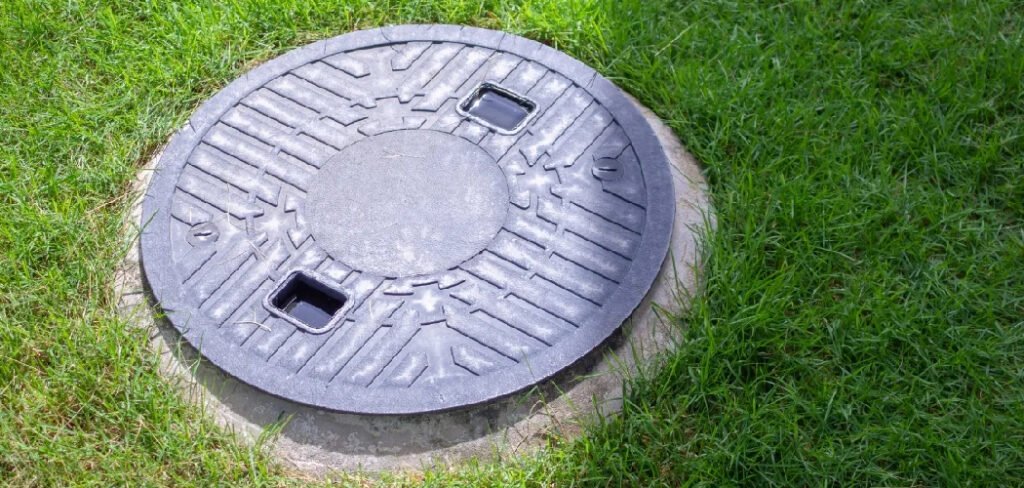
Learning how to hide sewer cover in yard landscapes is a common challenge that blends creativity with practicality. The goal is to disguise the object effectively without permanently blocking access to it. Municipal workers may need to reach these points at a moment’s notice, so whatever solution you choose must be movable or lightweight.
This guide will explore several ingenious, garden-friendly strategies to mask these unsightly spots, turning a landscaping blemish into a beautiful focal point that enhances your outdoor sanctuary.
Why Disguising Utility Covers Matters for Curb Appeal
The aesthetic flow of a garden is all about leading the eye to beautiful features—a blooming rose bush, a winding path, or a charming bench. A utility cover does the opposite; it arrests the gaze and breaks the illusion of a natural setting.
These covers often sit in awkward spots, right in the middle of a lawn or near a front walkway, making them impossible to ignore. By camouflaging them, you restore the visual continuity of your landscape design.
Furthermore, exposed covers can sometimes be tripping hazards or attract unwanted heat that scorches the surrounding grass. Covering them not only improves the look of your yard but can also make the space safer and more functional for children and pets. It allows you to reclaim that square footage visually, making your yard feel larger and more cohesive.
With the right approach, you can transform a utilitarian necessity into a deliberate design element, such as a rock garden feature or a potted plant display, adding value and charm to your property.
Step-by-Step Guide on How to Hide Sewer Cover in Yard
Step 1: Assess the Access Requirements and Safety
Before you purchase any materials or start digging, you must determine the specific regulations regarding your utility cover. Not all covers are the same; some belong to the city sewer system, while others might be for your home’s septic tank or water meter.
Contact your local utility provider or check your property deed to understand access rights. Workers need to be able to find and open these covers quickly in an emergency. Therefore, you should never bury a manhole cover under permanent concrete, heavy pavers, or deep soil.

Your camouflage solution must be reversible. If you block access, you could face fines or have your landscaping destroyed by workers needing to get to the pipe. Understanding these constraints is the foundation of a successful project.
Step 2: Utilize a Lightweight Artificial Landscape Rock
One of the most popular and easiest methods for concealing these lids is using a faux rock. These are hollow, lightweight fiberglass or plastic shells designed to look like natural granite, sandstone, or river rock.
They are specifically engineered for this purpose, being durable enough to withstand the elements while being light enough to lift easily. Measure the diameter and height of your cover carefully, including any protruding bolts or handles.
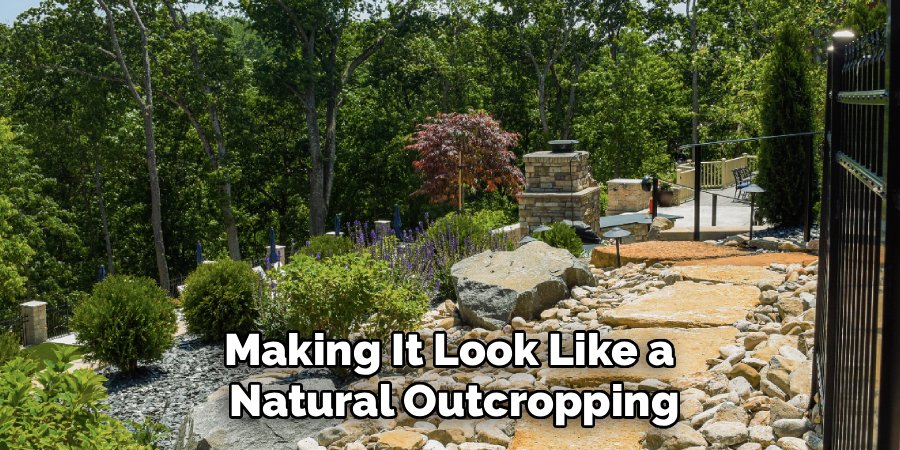
When shopping, choose a rock that is slightly larger than these dimensions to ensure it sits flush with the ground. Place the rock over the cover and perhaps bury the edges slightly with mulch to blend it seamlessly into the surrounding terrain, making it look like a natural outcropping.
Step 3: Create a Potted Plant Display
If you want to add color and height to the area, arranging a cluster of potted plants is an excellent strategy. This method is particularly effective because pots are mobile. You can place a large, wide planter directly on top of the cover, provided the cover is stable and flat.
Alternatively, group several pots of varying sizes around and over the lid to create a tiered effect. This distracts the eye and completely obscures the industrial plate beneath.

Choose lightweight resin or plastic pots that look like ceramic or stone, as they will be easier to move if access is needed. Fill them with trailing plants like creeping jenny or petunias that spill over the edges, softening the look and further hiding the base.
Step 4: Install a Movable Wooden Wish Well or Windmill
For a more whimsical or cottage-style garden, consider placing a decorative wooden structure over the offensive spot. Wishing wells and ornamental windmills have hollow bases that are perfect for this task. These structures add a charming architectural element to your yard while serving a functional purpose.
When selecting a structure, ensure the internal dimensions of the base are wide enough to clear the sewer cover completely. Because these items can be top-heavy, you may need to anchor them with small stakes that can be easily pulled up.
This approach effectively solves the problem of how to hide sewer cover in yard areas by turning the eyesore into a deliberate, charming garden feature that looks like it has always belonged there.
Step 5: Incorporate Ornamental Grasses and Shallow-Rooted Plants
Planting directly around the perimeter of the cover is another effective way to screen it from view. However, you must be careful with your plant selection. Avoid trees or shrubs with aggressive, deep root systems that could damage the underground pipes or make the cover difficult to lift.

Instead, opt for ornamental grasses like fescue or fountain grass. These plants grow tall and lush, creating a soft, swaying screen that obscures the cover from sight. When maintenance is required, grasses are resilient;
they can be tied back or even cut down and will grow back quickly. Plant them in a loose circle or semi-circle around the lid, leaving a small gap for access that is hidden from the main viewing angle of the house or street.
Step 6: Use a Birdbath or Sundial on a Pedestal
A classic garden ornament like a birdbath or a sundial can serve as a perfect distraction. The key here is to choose a pedestal with a wide, hollow base or to place the pedestal on a separate, movable paving stone that sits atop the sewer cover. If the cover is recessed, you might fill the depression with gravel to create a level surface first.

A birdbath draws the eye upward to the water and the birds, shifting focus away from the ground. Ensure the item is not too heavy for one person to move, or use a two-piece design where the bowl can be removed separately from the base. This method adds elegance and wildlife interest to your garden while keeping the utility access completely discreet.
Step 7: Lay Down Mulch or Decorative Gravel
Sometimes the simplest solution is the best. If the sewer cover is flush with the ground, you can camouflage it using a layer of organic mulch, wood chips, or decorative gravel. This works best if the cover is located within a larger garden bed. By continuing the mulch layer over the cover, you blend it with the rest of the soil surface.
However, you should place a sheet of landscape fabric or a piece of plastic over the cover first. This prevents dirt and debris from getting into the lifting mechanism or keyholes. It also keeps the mulch clean and makes it easy to brush away when access is needed. This technique makes the cover virtually invisible to the casual observer.
Step 8: Build a Custom Removable Wood Deck Box
If you are handy with tools, constructing a simple, bottomless wooden box or a low-profile deck section can provide a sleek, modern solution. You can build a small square platform using pressure-treated lumber or cedar that sits directly over the cover.
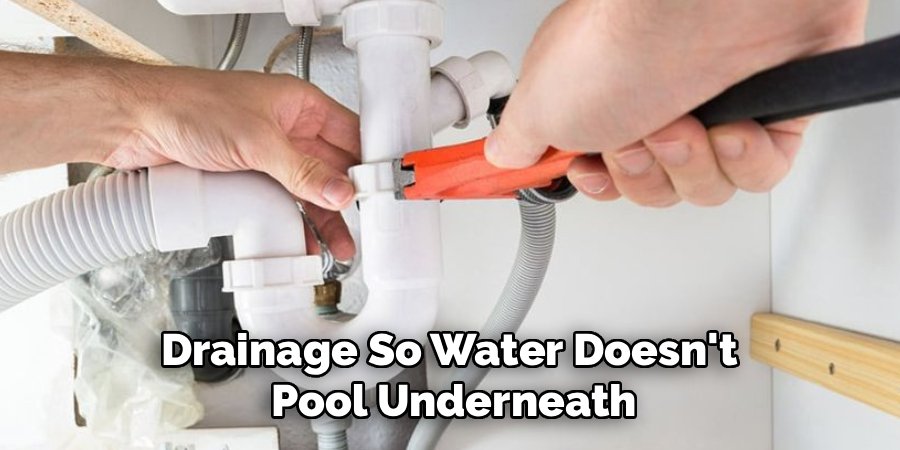
This can function as a stand for potted plants or even a small bench. The structure effectively hides the industrial lid while adding a warm, wooden texture to your landscape. Ensure you leave small gaps between the slats for drainage so water doesn’t pool underneath.
Because you built it yourself, you can size it perfectly to fit the specific dimensions of your utility cover, ensuring a snug and custom fit that looks professional and intentional.
Frequently Asked Questions (Faq)
Can I Pour Concrete Over a Sewer Cover?
No, you absolutely should not pour concrete over a sewer cover. Doing so creates a permanent blockage that prevents utility workers from accessing the line for maintenance or emergencies.
If a blockage occurs in the sewer line and the access point is sealed with concrete, workers may have to jackhammer your driveway or yard to reach it, causing significant damage and expense. Always ensure the cover remains accessible and removable.
What Plants Are Safe to Grow Near Sewer Lines?
When planting near sewer lines, you must choose plants with non-invasive root systems. Shallow-rooted plants are the safest option. Good choices include herbaceous perennials like daylilies, cone-flowers, and hostas, as well as ornamental grasses like blue fescue.
Avoid fast-growing trees such as willows, poplars, or maples, as their aggressive roots can infiltrate tiny cracks in sewer pipes, causing clogs and expensive plumbing failures.
Is It Legal to Paint a Utility Cover?
The legality of painting a utility cover varies by municipality. In some areas, the city or utility company owns the cover, and painting it is considered defacing public property. In other cases, if the cover is on your private property and services only your home (like a septic tank lid), you may be free to paint it.
It is best to use a specialized metal paint in a neutral green or brown color to help it blend in with the grass. Always check with your local public works department before applying paint.
How Do I Hide a Cover in the Middle of a Driveway?
Hiding a cover in a driveway is trickier because it must withstand vehicle traffic. You cannot place rocks or pots over it. A common solution is to replace a standard metal lid with a recessed tray cover (also called a pavable cover).
These lids have a recessed area that can be filled with the same material as your driveway, such as pavers, asphalt, or concrete. This allows the cover to blend in seamlessly with the surrounding surface while remaining removable.
Are Artificial Rocks Weather-Resistant?
Yes, high-quality artificial landscape rocks are designed to be extremely weather-resistant. They are typically made from durable materials like polyethylene or fiberglass composite that can withstand freezing temperatures, intense UV sunlight, and heavy rain without cracking or fading.
They are engineered to be left outside year-round. However, very cheap plastic models may become brittle over time, so it is worth investing in a higher-rated product for longevity.
Conclusion
Transforming an unsightly utility cover into a seamless part of your landscape is a rewarding project that instantly boosts your home’s curb appeal. Whether you choose to disguise it with a realistic faux rock, distract the eye with a vibrant potted plant display, or screen it with graceful ornamental grasses, the key is to prioritize accessibility.
You never want to permanently block a maintenance point, but you also don’t have to let it dictate the look of your garden.
By assessing your specific needs and selecting a movable, lightweight solution, you can maintain the functionality of the utility access while enjoying a beautiful, uninterrupted view of your yard.
With these creative strategies, you now know how to hide sewer cover in yard spaces effectively, turning a landscaping challenge into a charming feature that enhances your outdoor living experience. Experiment with different textures and heights to find the perfect camouflage that suits your garden’s unique style.

About
Jovie Mathews is a backyard and outdoor expert writer with over 12 years of hands-on experience transforming neglected outdoor spaces into thriving gardens and functional retreats. Raised in a family where weekends meant digging in the soil and building raised beds from scratch, Jovie developed a genuine love for the outdoors long before it became a career.
She writes with a practical, no-fluff approach — always testing ideas in her own backyard before sharing them with readers. From composting systems and native plant selection to patio design and pest control, Jovie covers the full spectrum of backyard life with equal parts expertise and enthusiasm.
Education
B.Sc. in Horticulture Science
University of Florida (UF) · Gainesville, FL · 2014
IFAS College of Agricultural and Life Sciences
Minor in Environmental Studies
University of Florida (UF) · Gainesville, FL · 2014
College of Liberal Arts and Sciences
Areas of expertise
- Lawn & Garden Care
- Soil prep, planting, seasonal care
- Outdoor DIY Projects
- Raised beds, fencing, pathways
- Composting & Soil Health
- Organic methods, amendments
- Native Plants & Wildlife
- Pollinators, habitat gardening
When she is not writing, Jovie can be found testing new composting techniques, growing tomatoes in questionable quantities, or convincing her neighbors that clover lawns are actually a great idea. She currently gardens in the Pacific Northwest.