
There is nothing more frustrating for a pool owner than walking out to the backyard, expecting a crystal-clear oasis, only to find the vacuum has stopped working because the hose popped off again. This common nuisance disrupts your cleaning routine, allows algae to take hold, and can even damage your pump if it starts sucking in air instead of water.
Whether it is due to worn-out parts, incorrect sizing, or just the sheer force of the water pressure, a disconnected hose is a headache that needs a permanent solution. Ignoring the problem often leads to a cycle of constant reattachment and growing irritation. Fortunately, securing your equipment does not require a degree in plumbing or expensive professional help.
With a few simple adjustments and the right techniques, you can ensure your vacuum or skimmer line stays put. This guide provides a comprehensive approach on how to keep pool hose from coming off, allowing you to spend less time troubleshooting your equipment and more time enjoying a clean, refreshing swim.
Why Does the Pool Hose Keep Coming Off?
Understanding why your pool hose keeps detaching is the first step toward resolving the issue. Several factors can contribute to this problem. Over time, pool hoses and fittings can wear out or become damaged due to prolonged exposure to sunlight, chemicals, and regular use.
Loose or improperly sized hose clamps may also fail to secure the connection adequately. Additionally, fluctuating water pressure or incorrect installation techniques can affect the stability of the hose. Recognizing these common causes can help you address the root of the issue and prevent it from recurring.
7 Step-by-Step Guide on How to Keep Pool Hose from Coming Off
Step 1: Inspect the Cuff and Adapter for Wear
The first place to look when your pool equipment fails is the connection point itself. Over time, the plastic cuffs on the end of your vacuum hose can crack, stretch, or become brittle due to constant exposure to sun and chlorine. Carefully examine the inside of the hose cuff and the outside of the adapter plate or skimmer fitting.
If the plastic looks warped or if the ridges are worn down, the friction needed to hold the connection is gone. Replacing a damaged cuff is an inexpensive and simple fix that often solves the issue immediately without further intervention.
Step 2: Use Stainless Steel Hose Clamps
If the friction fit is no longer tight enough, mechanical reinforcement is your next best option. A stainless steel hose clamp is a durable solution that can withstand the harsh chemical environment of pool water without rusting. Slide the clamp over the end of the hose cuff before you attach it to the fitting.
Once the hose is seated firmly, use a screwdriver to tighten the clamp until it is snug. Do not overtighten, as this could crack the plastic fitting, but ensure it is tight enough to resist the pull of the water pump. This adds a layer of security that simple friction cannot match.
Step 3: Apply Plumber’s Tape
Sometimes the issue is not a broken part but a slight size discrepancy between the hose cuff and the wall fitting. To bridge this gap and create a snugger seal, use Teflon tape, also known as plumber’s tape. Wrap the tape several times around the male end of the vacuum plate or the skimmer fitting where the hose attaches.
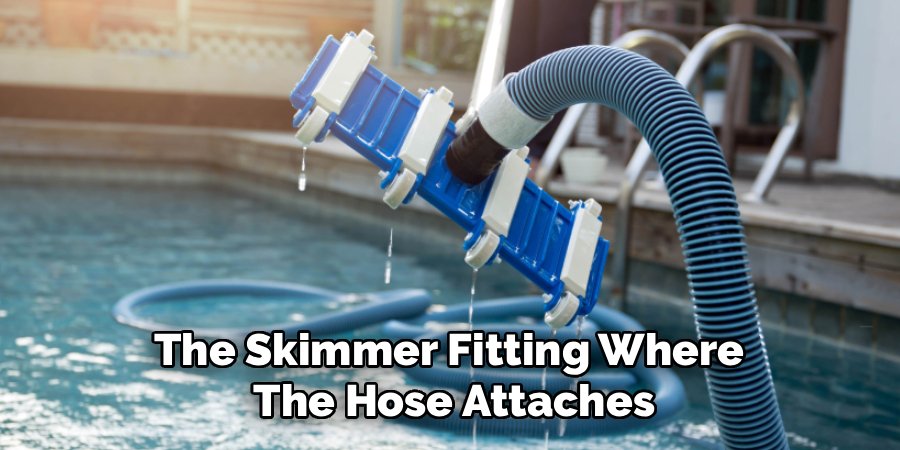
The tape adds just enough thickness to the fitting to create a tighter interference fit when you slide the hose on. The texture of the tape also adds grip, preventing the smooth plastic surfaces from slipping against each other when the pump kicks on and pressure builds.
Step 4: Install a Safety Snap Lock or Latch
For those dealing with high-pressure systems or automatic cleaners that move vigorously, a standard friction fit might never be enough. In this case, installing a specialized locking mechanism is a smart move. There are various aftermarket products designed specifically to lock pool hoses in place.
Some look like clips that snap over the connection, while others are twist-lock adapters that replace the standard smooth fitting. These devices mechanically secure the hose to the wall outlet, making it physically impossible for the hose to pull free during operation. This is a proactive step that eliminates the variable of water pressure entirely.
Step 5: Check Water Flow and Backpressure
Excessive backpressure is a silent culprit that often forces hoses off their fittings. If your filter is dirty or your return jets are blocked, the pressure inside the system can spike, causing the water to push back against the intake lines. This violent push-back can easily blow a vacuum hose right off the skimmer plate.
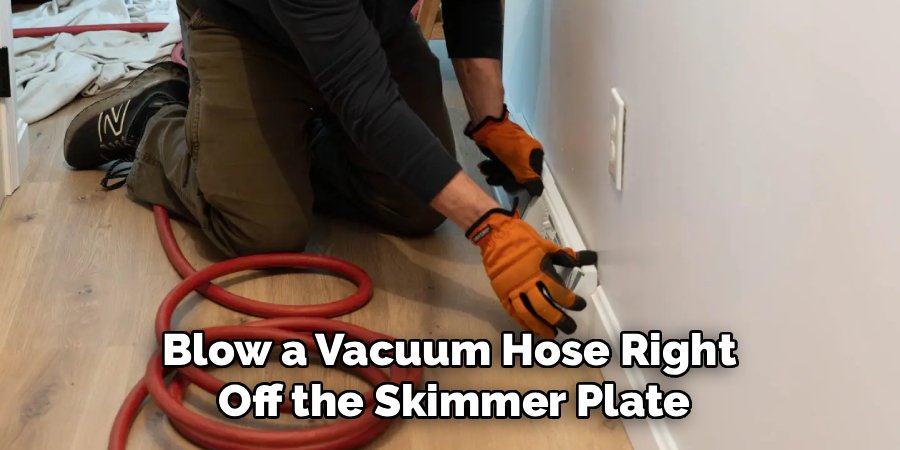
Check your pressure gauge regularly and backwash your filter if the reading is high. Ensure that all return eyeballs are open and pointing in a direction that facilitates flow. Regulating the system’s hydraulic pressure ensures that the force holding the hose on is greater than the force trying to push it off.
Step 6: Prime the Hose
Air trapped in the line is another major cause of disconnection. If you plug a dry hose into the skimmer, the pump will suck a massive air bubble into the system, causing a violent surge that can shake the fittings loose. To prevent this, always submerge the entire length of the hose in the pool first to fill it completely with water.
Push the hose down vertically until all the air bubbles stop rising. Only once the hose is fully primed and heavy with water should you connect it to the skimmer or vacuum port. This ensures a smooth, continuous suction that pulls the connection tighter rather than blowing it apart.
Step 7: Replacing the Hose Adapter
If you have tried clamps, tape, and priming, and the hose still pops off, the fault likely lies with the adapter itself. The vacuum adapter plate that sits over the skimmer basket can become warped or cracked over time. Even a microscopic hairline crack can break the vacuum seal, causing the hose to lose suction and float away.
Remove the adapter and inspect it closely. If it feels flimsy or looks misshapen, purchase a heavy-duty replacement. A fresh, rigid adapter provides a solid, unyielding surface for the hose to grip onto, restoring the integrity of the connection and ensuring your cleaning routine runs without interruption.
Frequently Asked Questions (FAQ)
Why Does My Pool Hose Pop Off When the Pump Turns Off?
This is usually caused by a sudden release of vacuum pressure or air entering the system.
- Backflow: When the pump stops, water can rush backward through the lines if the filter valve is not sealing perfectly, pushing the hose off.
- Air Leaks: If there is a small air leak in the system, the loss of suction when the pump shuts down breaks the seal holding the hose in place.
- Solution: Check your filter’s spider gasket and ensure all O-rings are lubricated.
Can I Use Duct Tape to Secure the Hose?
While duct tape might seem like a quick fix, it is generally a bad idea for pool equipment.
- Adhesive Breakdown: The chlorine and water will quickly dissolve the adhesive, leaving a sticky, gummy mess on your equipment that is hard to clean.
- Temporary: It will likely fail within a few hours or days.
- Better Alternative: Use Teflon (plumber’s) tape on the fitting or a stainless steel hose clamp for a cleaner, longer-lasting solution.
Is My Pool Pump Too Powerful for My Vacuum Hose?
It is possible, especially if you have a variable speed pump set to high or a pump that is oversized for your pool’s plumbing.
- symptoms: If the hose shakes violently or collapses in on itself before popping off, the suction is too strong.
- Adjustment: Try opening the main drain slightly to divert some suction away from the skimmer, or lower the RPMs on a variable speed pump to reduce the flow rate.
How Tight Should a Hose Clamp Be?
You need to find a “Goldilocks” zone for tightness.
- Too Loose: The hose will slip off immediately.
- Too Tight: You risk cracking the plastic cuff of the hose or the skimmer adapter, which ruins the part permanently.
- Guideline: Tighten it until it feels firm and you cannot pull the hose off by hand with moderate force, but stop before you see the plastic beginning to distort or whiten from stress.
Do Twist-Lock Hoses Work Better?
Yes, twist-lock hoses are generally superior for stability.
- Mechanism: They use a bayonet-style mount where you push and twist to lock the hose into place, rather than relying solely on friction.
- Compatibility: You must have a compatible vacuum port or skimmer adapter that accepts twist-lock fittings.
- Upgrade: If you struggle with standard hoses, upgrading to a twist-lock system is often the most effective permanent solution.
Conclusion
maintaining a clean swimming pool requires equipment that functions reliably, and a wandering vacuum hose is a hurdle no owner wants to clear. By addressing the root causes—whether it is worn-out plastic, lack of friction, or system pressure issues—you can transform a frustrating chore back into a simple maintenance task.
Implementing these mechanical fixes, such as using clamps or locking adapters, provides peace of mind that your cleaning cycle will complete without supervision. Additionally, mastering the proper priming technique ensures your pump operates efficiently and safely.
With these strategies in hand, you now know exactly how to keep pool hose from coming off, ensuring your pool remains sparkling clean and ready for swimming whenever you are.

About
Jovie Mathews is a backyard and outdoor expert writer with over 12 years of hands-on experience transforming neglected outdoor spaces into thriving gardens and functional retreats. Raised in a family where weekends meant digging in the soil and building raised beds from scratch, Jovie developed a genuine love for the outdoors long before it became a career.
She writes with a practical, no-fluff approach — always testing ideas in her own backyard before sharing them with readers. From composting systems and native plant selection to patio design and pest control, Jovie covers the full spectrum of backyard life with equal parts expertise and enthusiasm.
Education
B.Sc. in Horticulture Science
University of Florida (UF) · Gainesville, FL · 2014
IFAS College of Agricultural and Life Sciences
Minor in Environmental Studies
University of Florida (UF) · Gainesville, FL · 2014
College of Liberal Arts and Sciences
Areas of expertise
- Lawn & Garden Care
- Soil prep, planting, seasonal care
- Outdoor DIY Projects
- Raised beds, fencing, pathways
- Composting & Soil Health
- Organic methods, amendments
- Native Plants & Wildlife
- Pollinators, habitat gardening
When she is not writing, Jovie can be found testing new composting techniques, growing tomatoes in questionable quantities, or convincing her neighbors that clover lawns are actually a great idea. She currently gardens in the Pacific Northwest.