
Creating a sense of privacy or a clear boundary between properties doesn’t always require a traditional fence. Many homeowners seek creative, natural, and aesthetically pleasing ways to define their space. Whether due to budget constraints, homeowner association rules, or a preference for a more open feel, there are numerous effective alternatives.
This guide explores practical and beautiful solutions for how to separate yards without a fence. From living walls of shrubs and trees to strategically placed garden beds and hardscaping, you can establish clear property lines while enhancing your landscape’s charm and functionality, creating a yard that feels both distinct and welcoming.
Creating a distinct and inviting yard doesn’t always require the installation of a traditional fence. With a bit of creativity and planning, there are countless methods to define your outdoor space while maintaining a harmonious and open aesthetic.
By utilizing natural elements, strategic landscaping, or decorative structures, you can establish boundaries that suit your style and needs, all while enhancing the beauty of your property.
Why It Matters
Choosing to define your yard’s edge without a fence offers several significant benefits. Firstly, it often promotes a friendlier, more open community feel, avoiding the “fortress” effect that tall, solid fences can create.
Alternatives like hedges, layered garden beds, or low stone walls can add immense curb appeal and natural beauty to your property, increasing its value. These “living fences” also support local ecosystems by providing habitats for birds and pollinators.
Furthermore, forgoing a fence can be a more budget-friendly solution, both in terms of initial installation and long-term maintenance. It allows for more creative expression in your landscaping, letting you design a boundary that is both functional and uniquely yours.
Step-by-Step Guide how to separate yards without a fence
This guide provides a structured approach to creating beautiful and effective yard boundaries without resorting to traditional fencing. The process involves careful planning, plant selection, and thoughtful placement to achieve your desired level of privacy and definition.
Following these steps will help you design a landscape feature that seamlessly blends with your surroundings while clearly marking your space. This detailed approach simplifies the task of learning how to separate yards without a fence, making it an achievable project for any homeowner.
Step 1: Define Your Goal and Assess the Site
Before planting a single shrub, clarify your primary objective. Are you looking for complete visual privacy, a simple suggestion of a property line, or a barrier to deter foot traffic? Your goal will dictate your design choices. Next, assess your site conditions.
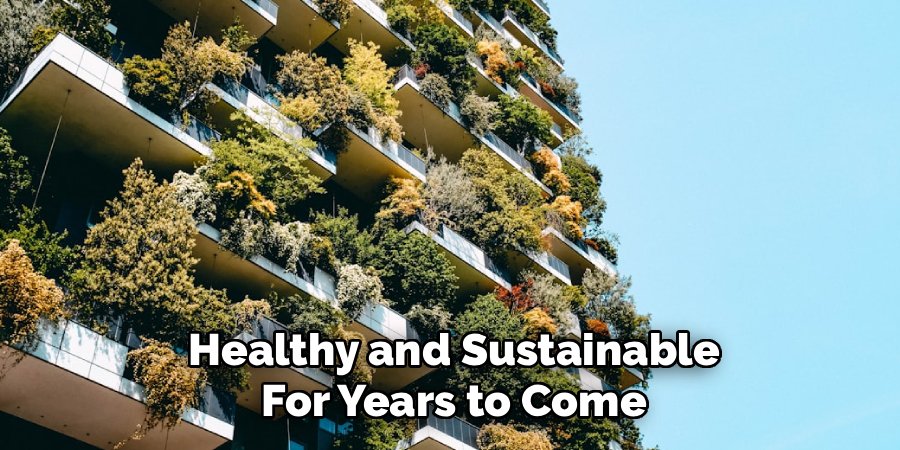
Take note of the amount of sunlight the area receives throughout the day, the soil type (e.g., clay, sand, loam), and any existing slopes or drainage issues. Understanding these factors is crucial for selecting plants and materials that will thrive in your specific environment, ensuring your new border is healthy and sustainable for years to come.
Step 2: Choose Your Method and Materials
Based on your goals, select the best method for your boundary. Options range from natural solutions like hedges and layered flower beds to hardscape elements like low stone walls or decorative trellises. A living fence of shrubs like arborvitae or boxwood offers dense privacy, while a perennial garden bed creates a softer, more colorful line.
You could also combine methods, such as a low rock wall fronted by ornamental grasses. Consider the long-term maintenance commitment for each option. A hedge will require regular trimming, while a stone wall is virtually maintenance-free once installed.
Step 3: Create a Detailed Plan or Design
With a method in mind, sketch out a design. This doesn’t need to be a professional blueprint; a simple drawing on paper will suffice. Measure the length of the boundary you intend to create. Your plan should map out the placement of key elements, such as the location of larger trees, the curve of a garden bed, or the spacing of shrubs.
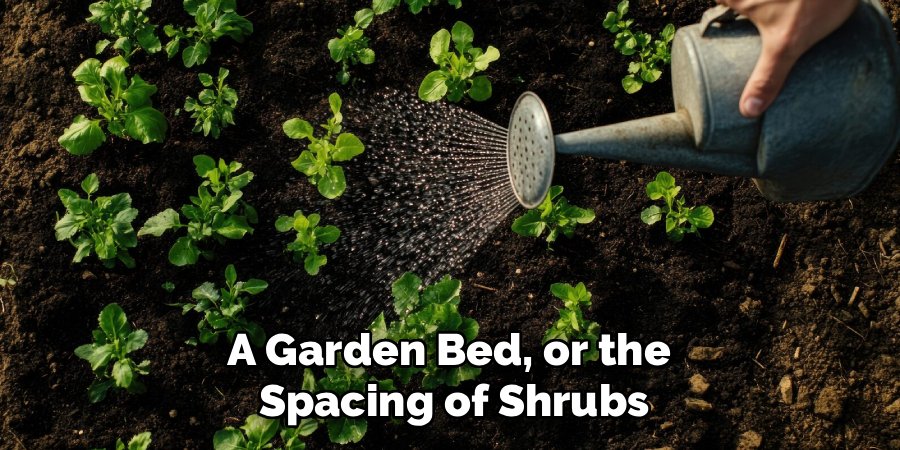
Proper spacing is critical for plant health and achieving the desired effect. For example, shrubs planted too far apart won’t form a dense screen, while those planted too close will compete for resources and become stressed.
Step 4: Prepare the Ground for Installation
Proper ground preparation is the foundation of a successful landscape project. Start by clearing the designated area of all grass, weeds, and debris. For garden beds or hedges, this is the time to amend the soil. You can improve its structure and fertility by mixing in compost, peat moss, or other organic matter.
If you are building a hardscape feature like a paver edge or a low wall, you will need to create a level, stable base. This typically involves digging a shallow trench and filling it with a layer of compacted gravel or sand.
Step 5: Install Your Plants or Hardscape Elements
Now it’s time to bring your plan to life. If you are planting, dig holes that are twice as wide as the root balls of your plants but no deeper. Gently place each plant in its hole, ensuring the top of the root ball is level with the surrounding ground. Backfill with soil, lightly tamping it down to remove air pockets.
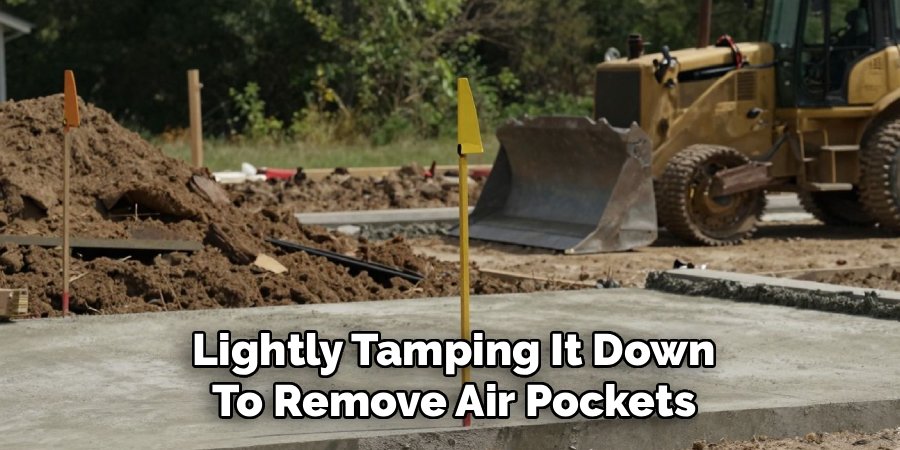
For hardscape elements, carefully lay your stones, pavers, or other materials according to your design, making sure everything is level and secure. Work methodically and check your alignment frequently as you go.
Step 6: Water and Mulch Your New Border
Once your plants are in the ground, give them a deep and thorough watering to help their roots settle in and reduce transplant shock. Applying a two- to three-inch layer of mulch (such as wood chips or shredded bark) around the base of your plants is a crucial next step.
Mulch helps the soil retain moisture, suppresses weed growth, and regulates soil temperature. It also gives your new border a clean, finished appearance. Avoid piling mulch directly against the stems or trunks of plants, as this can trap moisture and lead to rot.
Step 7: Establish a Maintenance Routine
Your new yard divider will require ongoing care to look its best. For living borders, this means establishing a regular watering schedule, especially during the first year as plants establish their root systems. Depending on the plants you’ve chosen, you will also need to plan for periodic pruning to maintain the desired shape and size.
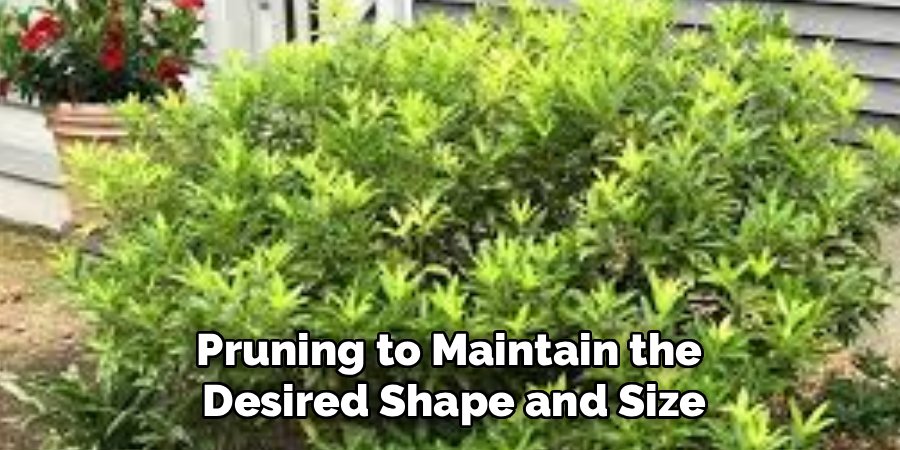
Regularly check for weeds and pests. For hardscape elements, maintenance is minimal but may include occasionally resetting a shifted stone or weeding between pavers to keep the boundary looking sharp and well-defined.
Common Mistakes to Avoid
A frequent error is choosing plants that are not suited to the local climate or site conditions. A sun-loving plant will not thrive in a shady border, leading to a sparse, unhealthy-looking boundary. Another mistake is improper spacing. Homeowners often plant shrubs too close together for an instant privacy screen, which ultimately leads to overcrowding, poor air circulation, and disease.
Ignoring long-term maintenance is also a common pitfall. Planting a fast-growing hedge without considering the future pruning commitment can create a significant chore. Finally, many people fail to properly prepare the soil before planting. Simply digging a hole in compacted clay or poor soil without amending it first sets plants up for failure, wasting both time and money.
Frequently Asked Questions (FAQ)
H3: What Are The Best Plants For A Privacy Hedge?
The best plants depend on your climate and desired look. For tall, dense privacy, evergreens like Arborvitae, Leyland Cypress, and Holly are excellent choices. For a more informal or flowering hedge, consider shrubs like Forsythia, Lilac, or Viburnum.
Boxwoods are perfect for creating low, formal borders. Always choose plants that are appropriate for your specific hardiness zone.
H3: How Can I Mark A Property Line Cheaply?
A simple and inexpensive way to mark a property line is by creating a mown edge or a narrow garden bed filled with low-cost perennials or groundcover.
Planting a line of ornamental grasses is another affordable option that adds texture and movement. You can also define the space with a simple border of landscape timbers or stones collected from your own property.
H3: Can I Use A Trellis As A Yard Separator?
Absolutely. A series of trellises or lattice panels can create an attractive and effective “semi-private” screen. You can grow climbing plants like clematis, roses, or ivy on them to add greenery and create a living wall.
This method is great for adding vertical interest to your landscape while creating a clear, decorative boundary between you and your neighbor.
H3: How Do I Stop My Neighbor From Walking Through My Yard?
To deter foot traffic, a “psychological barrier” is often enough. A low hedge, a row of shrubs, or a decorative border of rocks and plants subtly communicates that the area is not a thoroughfare.
Thorny plants like barberry or roses can be particularly effective as a polite but firm deterrent along a property line without appearing aggressive.
H3: Do I Need To Talk To My Neighbor Before Creating A Border?
It is always a good idea to have a friendly conversation with your neighbor before installing any kind of boundary, even a natural one. Discussing your plans can prevent misunderstandings and ensure your project doesn’t unintentionally encroach on their property.
This simple courtesy helps maintain a positive relationship and is an important step when you decide how to separate yards without a fence.
Conclusion
Creating a beautiful and functional yard boundary without a fence is an accessible project that offers endless creative possibilities. By leveraging plants, hardscaping, and thoughtful design, you can achieve the perfect level of privacy and separation while adding significant value and beauty to your home.
The key is to plan carefully, choose materials wisely, and commit to proper maintenance. Following the steps outlined in this guide will empower you to transform your property line into a stunning landscape feature.
With these ideas, you now have a solid foundation for how to separate yards without a fence effectively and stylishly.

About
Jovie Mathews is a backyard and outdoor expert writer with over 12 years of hands-on experience transforming neglected outdoor spaces into thriving gardens and functional retreats. Raised in a family where weekends meant digging in the soil and building raised beds from scratch, Jovie developed a genuine love for the outdoors long before it became a career.
She writes with a practical, no-fluff approach — always testing ideas in her own backyard before sharing them with readers. From composting systems and native plant selection to patio design and pest control, Jovie covers the full spectrum of backyard life with equal parts expertise and enthusiasm.
Education
B.Sc. in Horticulture Science
University of Florida (UF) · Gainesville, FL · 2014
IFAS College of Agricultural and Life Sciences
Minor in Environmental Studies
University of Florida (UF) · Gainesville, FL · 2014
College of Liberal Arts and Sciences
Areas of expertise
- Lawn & Garden Care
- Soil prep, planting, seasonal care
- Outdoor DIY Projects
- Raised beds, fencing, pathways
- Composting & Soil Health
- Organic methods, amendments
- Native Plants & Wildlife
- Pollinators, habitat gardening
When she is not writing, Jovie can be found testing new composting techniques, growing tomatoes in questionable quantities, or convincing her neighbors that clover lawns are actually a great idea. She currently gardens in the Pacific Northwest.