

The mighty oak tree is a beautiful addition to any landscape, providing shade in the summer and stunning colors in the fall. However, this beauty comes at a price: acorns. Lots of them. When autumn arrives, a healthy oak can blanket your entire lawn with these small, hard nuts, turning your green oasis into a bumpy, brown minefield.
Beyond being unsightly, this layer of acorns can smother your grass, provide a feast for pests like squirrels and rodents, and create a serious tripping hazard for you and your family.
Clearing them can feel like a never-ending chore, but with the right approach, it is a manageable task. This guide will provide several effective methods for how to remove acorns from yard, helping you restore your lawn’s health and appearance.
Acorns may seem harmless at first glance, but when they scatter across your yard in large quantities, they can quickly become a nuisance. Whether you’re dealing with a few scattered nuts or a full-on acorn invasion, removing them promptly is essential to maintaining a healthy lawn.
Left unchecked, acorns can sprout into unwanted seedlings, attract wildlife, and even damage lawn equipment. With the right tools and techniques, you can make quick work of clearing your yard and preventing future acorn problems.
How to Remove Acorns from Yard: A Step-by-Step Guide
Step 1: Start with a Thorough Raking
The most traditional and accessible method for dealing with acorns is a good old-fashioned rake. For this task, a sturdy leaf rake or a specialized nut rake with steel tines will be most effective. Work your way systematically across the lawn, using short, firm strokes to pull the acorns into manageable piles. This method works best on shorter grass where the nuts have not yet become embedded in the soil.

While it is labor-intensive, raking gives you a great deal of control and allows you to be thorough, especially around garden beds and along fence lines. It is a foundational first step that can either be your primary method or a way to prepare the lawn for more advanced tools.
Step 2: Use a Leaf Blower for Quick Clearing
If you have a large yard or are short on time, a powerful leaf blower can be your best friend. A gas-powered or high-voltage electric blower has enough force to move the heavy acorns along with the leaves. Start at the edge of your property and work your way inward, blowing all the debris onto a large tarp or into a single, massive pile in a corner of your yard.
This technique is especially useful for clearing acorns from hard-to-reach places like under bushes or on patios and driveways. Keep the nozzle of the blower low to the ground to maximize its force and prevent sending acorns flying into your neighbor’s yard.
Step 3: Employ a Nut Gatherer
For a solution that is less strenuous on your back than raking, consider investing in a rolling nut gatherer. This clever tool, often called a “nut wizard,” features a rolling cage made of flexible wires. As you push the device across your lawn, the wires spread apart to pick up the acorns and then snap back into place, trapping them inside the cage.
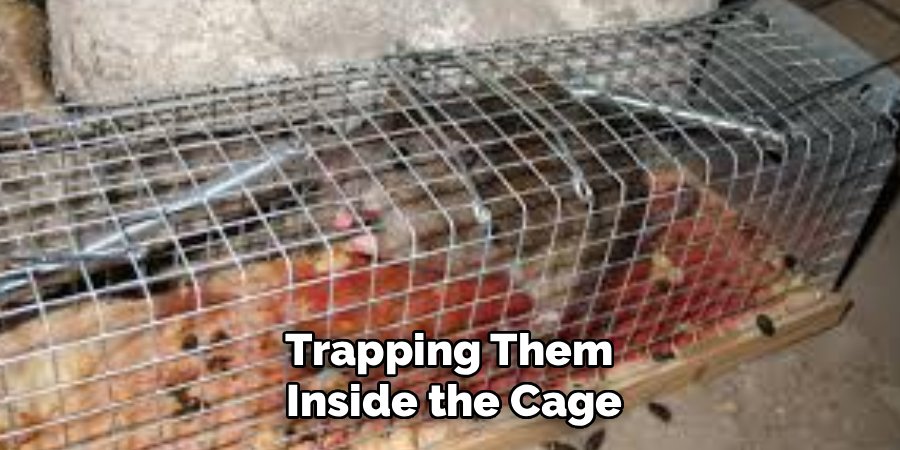
Once the basket is full, you simply spread the wires over a bucket to empty it. This tool is exceptionally efficient, picking up acorns while leaving most of the grass and leaves behind. It makes the cleanup process significantly faster and more enjoyable, turning a tedious chore into a strangely satisfying activity.
Step 4: Utilize a Lawn Sweeper for Large Areas
If you have a very large property and a riding lawn mower, a tow-behind lawn sweeper is a game-changer. These attachments use a spinning brush, powered by the rotation of the wheels, to flick acorns, leaves, and other debris up into a large hopper bag.
You simply drive back and forth across your lawn as if you were mowing, and the sweeper does all the collection work for you. This method is one of the most efficient ways to handle a heavy acorn drop over a large expanse of land. Once the hopper is full, you can easily dump the contents onto a compost pile or into yard waste bags, saving you hours of manual labor.
Step 5: Mow and Bag
For a light scattering of acorns, your regular lawn mower can do double duty. Attach the bagger to your mower and set the blade to a medium height. As you mow, the vacuum action of the blades will suck up the acorns along with the grass clippings and deposit them neatly into the collection bag.

This method works best if the acorns are not too dense, as an overwhelming number of them can jam the mower deck or be too heavy for the vacuum to lift. It is a great way to handle the last few stragglers after you have already cleared the majority of them with another method.
Step 6: Consider Using a Yard Vacuum
A dedicated yard vacuum is another powerful tool in the fight against acorns. These machines function like an oversized vacuum cleaner for your lawn, sucking up leaves, twigs, and acorns with incredible force. Many models also have a built-in mulching feature, which shreds the debris as it is collected, significantly reducing its volume.
This makes disposal much easier, as you will need fewer yard waste bags. A walk-behind yard vacuum is perfect for medium to large-sized yards and offers a powerful solution for homeowners who deal with heavy debris every fall.
Step 7: Final Cleanup and Disposal
Once you have collected all the acorns into piles or bags, you need a plan for disposal. Check with your local municipality about their yard waste regulations. Some cities allow you to leave them at the curb in paper yard waste bags for collection. Alternatively, you can add the acorns to your compost pile, though they will take a very long time to break down.
If you have a wooded area on your property, you can also consider dumping them there for the local wildlife to enjoy far away from your manicured lawn. Proper disposal is the final step to completing the job and officially reclaiming your yard from the autumn onslaught.
Frequently Asked Questions (FAQ)
Will Leaving Acorns on My Lawn Damage It?
Yes, a thick layer of acorns can be very damaging to your lawn.
- Smothering: They block sunlight and air from reaching the grass, causing it to yellow and die.
- Acidification: As acorns decompose, they can slightly increase the acidity of the soil, which can inhibit grass growth.
- Pest Attraction: Acorns are a primary food source for squirrels, chipmunks, and mice, and leaving them on the ground will attract these pests to your yard.
Can I Put Acorns in My Compost Bin?
You can, but you should do so with caution. Acorns are very dense and have a high carbon content, which means they take a very long time—often years—to decompose fully.
If you add a large quantity to your compost pile at once, it can slow down the entire composting process. It is best to shred or crush them first with a lawn mower or chipper to speed up their decomposition.
What Is the Best Tool for Picking Up Acorns?
The “best” tool really depends on the size of your yard and your physical ability.
- For Small Yards: A good rake or a rolling nut gatherer is highly effective and affordable.
- For Large Yards: A lawn sweeper attachment for a riding mower or a walk-behind yard vacuum will save you a tremendous amount of time and physical effort. The rolling nut gatherer is still a great option for its efficiency and ease of use on any size lawn.
Do Acorns Attract Any Dangerous Pests?
While the squirrels and chipmunks that acorns attract are mostly a nuisance, the presence of these rodents can also attract their predators, such as snakes or hawks.
More directly, the deer that come to eat acorns can bring ticks into your yard, which can carry diseases like Lyme disease. Therefore, keeping your yard clear of acorns is also a step toward managing the overall pest and wildlife population near your home.
How Can I Stop Acorns from Falling in My Yard?
Unfortunately, short of removing the oak tree, there is no way to stop acorns from falling. It is a natural part of the tree’s life cycle. You cannot spray the tree with anything to prevent it.
The best approach is not prevention but efficient management. By establishing a regular cleanup routine during the fall, you can stay ahead of the problem and keep it from becoming an overwhelming task.
Conclusion
A yard covered in acorns can be a source of major frustration for any homeowner, but it is a challenge that can be overcome with the right strategy. Whether you choose the manual approach of a rake, the clever efficiency of a nut gatherer, or the raw power of a yard vacuum, the key is to be consistent. Removing these nuts protects your grass, deters pests, and makes your yard a safer place to walk.
Do not let the mighty oak win the battle for your lawn. By using the methods outlined in this guide, you now have a complete arsenal of techniques for how to remove acorns from yard, allowing you to enjoy the beauty of your trees without sacrificing the health and tidiness of your lawn.

About
Jovie Mathews is a backyard and outdoor expert writer with over 12 years of hands-on experience transforming neglected outdoor spaces into thriving gardens and functional retreats. Raised in a family where weekends meant digging in the soil and building raised beds from scratch, Jovie developed a genuine love for the outdoors long before it became a career.
She writes with a practical, no-fluff approach — always testing ideas in her own backyard before sharing them with readers. From composting systems and native plant selection to patio design and pest control, Jovie covers the full spectrum of backyard life with equal parts expertise and enthusiasm.
Education
B.Sc. in Horticulture Science
University of Florida (UF) · Gainesville, FL · 2014
IFAS College of Agricultural and Life Sciences
Minor in Environmental Studies
University of Florida (UF) · Gainesville, FL · 2014
College of Liberal Arts and Sciences
Areas of expertise
- Lawn & Garden Care
- Soil prep, planting, seasonal care
- Outdoor DIY Projects
- Raised beds, fencing, pathways
- Composting & Soil Health
- Organic methods, amendments
- Native Plants & Wildlife
- Pollinators, habitat gardening
When she is not writing, Jovie can be found testing new composting techniques, growing tomatoes in questionable quantities, or convincing her neighbors that clover lawns are actually a great idea. She currently gardens in the Pacific Northwest.