
A yard drainage system is one of those unsung heroes of homeownership. When it works, you barely notice it. When it fails, you are faced with a waterlogged lawn, a flooded patio, or worse, a damaged foundation. The primary culprit behind a failed system is almost always a clog.
Over time, drains inevitably collect leaves, dirt, mulch, grass clippings, and other debris that can form a solid blockage, preventing water from escaping. Reacting to a clog after a heavy downpour is a stressful and often expensive ordeal. A much better approach is proactive maintenance.
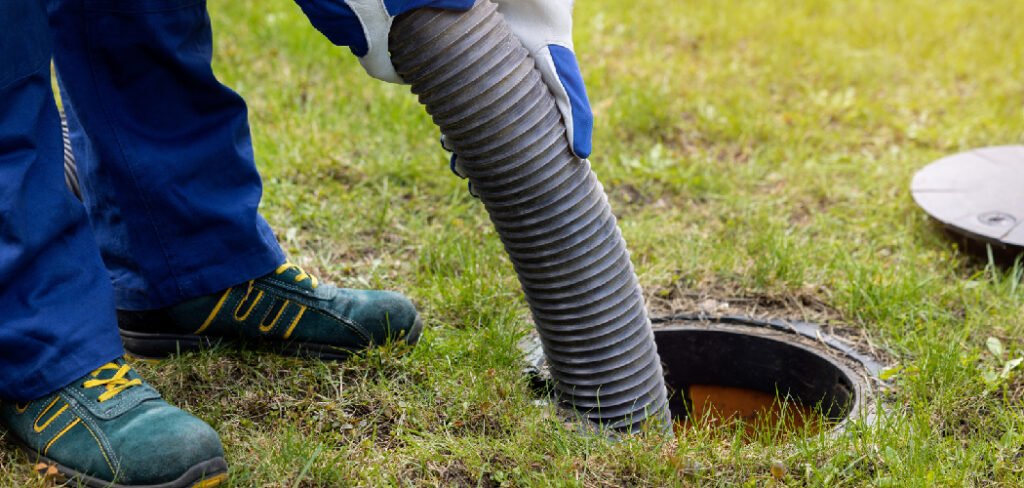
By taking a few simple, regular steps, you can ensure your drains remain clear and ready to handle whatever the weather throws at them. This guide will show you how to keep yard drains from clogging, saving you from future headaches and costly repairs.
Yard drains are an essential part of keeping your outdoor spaces free from flooding and water damage. When functioning properly, they efficiently direct water away from your property, protecting your lawn, garden, and even the foundation of your home.
However, neglecting drain maintenance can lead to clogs, causing water to back up and create problems that are both time-consuming and expensive to fix. By understanding the common causes of blockage and adopting preventive measures, you can keep your drains working smoothly and safeguard your yard from unnecessary damage.
How to Keep Yard Drains from Clogging: A Step-by-Step Guide
Step 1: Conduct Regular Visual Inspections
The first rule of drain maintenance is to pay attention. Make it a habit to walk your property at least once a month, and always after heavy rain or windstorms, to check on your drain grates. Look for visible accumulations of leaves, twigs, grass clippings, or mulch piled on top of the grates.
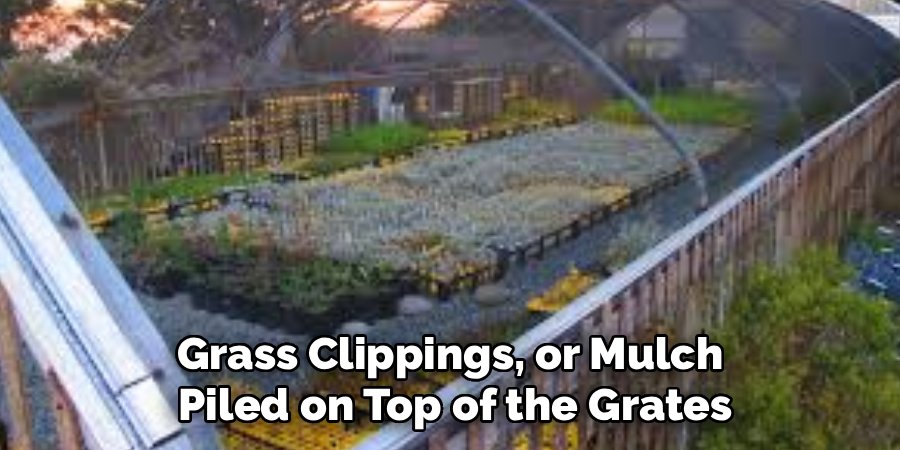
These surface-level blockages are the easiest to solve but are often the first stage of a deeper clog. A quick sweep or rake can clear the way for water to enter the system. This simple visual check takes only a few minutes but is your first line of defense, preventing the bulk of yard debris from ever entering your underground pipes in the first place.
Step 2: Clear Debris From Drain Grates and Catch Basins
After your inspection, it is time for a hands-on cleaning. Put on a pair of work gloves and remove the grate from your drain catch basin. Use your hands or a small trowel to scoop out all the mud, leaves, and gunk that has collected inside the basin. This soggy mess, known as silt, is what eventually gets washed into the pipes to form hard-to-reach clogs.
By cleaning out the catch basin, you are stopping the problem at the source. Once the basin is clear, use a wire brush to scrub the grate itself, removing any caked-on dirt. This simple seasonal task, performed in the spring and fall, is fundamental to your success.
Step 3: Flush the System
Even with clean catch basins, fine sediment can still build up inside the underground pipes over time. To combat this, you should flush your drainage system at least once a year. After cleaning the catch basin, insert a garden hose into the outlet pipe leading away from the basin. Turn the water on at full blast for several minutes. A high-pressure nozzle attachment can make this even more effective.

This powerful flow of water will help to dislodge and wash away any fine silt or small debris that has started to accumulate on the pipe walls, pushing it out to the system’s exit point. A yearly flush keeps the pipes clear and the water flowing freely.
Step 4: Be Mindful of Your Landscaping
Your landscaping choices can have a huge impact on the health of your drainage system. Avoid planting trees or large shrubs with aggressive root systems, like willows or silver maples, anywhere near your drain lines. Roots are naturally drawn to the moisture inside pipes and can infiltrate them through tiny cracks, causing massive blockages that are expensive to fix.
Also, be careful with mulch. While great for garden beds, loose mulch easily washes away during heavy rain and is a primary ingredient in drain clogs. Using heavier rock mulches or installing decorative edging around garden beds can help keep your landscaping materials where they belong.
Step 5: Consider Installing Drain Guards or Filters
For drains located in areas with exceptionally high debris, like under large deciduous trees, you may want to add an extra layer of protection. You can purchase specialized drain guards or filters that fit over or inside your existing grates. Some are fine mesh screens that sit on top, while others are dome-shaped to prevent leaves from settling flat.

These products act as a pre-filter, catching finer debris before it can even reach the catch basin. While you will need to clean these guards more frequently, they are highly effective at reducing the amount of sediment that gets into your pipes, which is a major part of learning how to keep yard drains from clogging.
Step 6: Avoid Washing Debris Towards Drains
This step is about changing your habits during routine yard work. When you use a leaf blower or sweep your patio, it can be tempting to blow all the debris into a convenient pile right next to a yard drain. This is a recipe for a future clog. Instead, always blow or sweep debris away from drains and collect it for proper disposal in yard waste bags or your compost pile.
Similarly, when mowing the lawn, adjust your mower’s discharge chute so that it throws clippings away from any drain openings. This conscious effort during cleanup prevents you from unintentionally creating the very blockages you are trying to avoid.
Step 7: Know When to Use a Plumbing Snake or Auger
If you notice water is still backing up after you have flushed the system, you may have a more stubborn blockage forming deep within the pipes. For these situations, you can use a manual or electric plumbing snake, also known as an auger. Feed the end of the snake into the pipe from the catch basin and continue to push it forward until you feel resistance.

Then, turn the crank to work the auger’s head into the clog, breaking it apart. You can then pull the debris back out or flush it through with your hose. This is a more intensive step, but it is an effective way to handle tougher clogs before they require a professional.
Frequently Asked Questions (FAQ)
How Often Should I Clean My Yard Drains?
You should perform a quick visual inspection monthly and clear debris from the top of the grates as needed.
A thorough cleaning of the catch basin should be done at least twice a year, typically in the late spring after trees have dropped their seeds and in the late fall after they have dropped their leaves. Flushing the system with a hose is recommended annually.
What Are the Signs of a Clogged Yard Drain?
The most obvious signs include:
- Water pooling or creating puddles on your lawn, patio, or walkways after rain.
- The drain catch basin overflowing during a storm.
- A foul, swampy odor coming from the drain, which indicates trapped, decaying organic matter.
- Water flowing back out of downspouts that are connected to the underground system.
Can I Use Chemical Drain Cleaners on My Yard Drains?
It is strongly recommended that you do not use chemical drain cleaners in your outdoor drainage system. These harsh chemicals can damage plastic PVC pipes, harm your lawn and garden plants, and contaminate groundwater.
Your yard drainage system is designed to handle organic matter, and mechanical cleaning methods like flushing with water or using a plumbing snake are much safer and more effective.
What Is a Catch Basin and Why Is It Important?
A catch basin is the box-like container that sits directly below your drain grate. Its job is to “catch” heavy debris like mud, leaves, and sediment before it can enter the underground pipes.
The outlet pipe is positioned several inches above the bottom of the basin, allowing water to flow out while the heavy gunk settles. Regularly cleaning this basin is the single most effective thing you can do to prevent deeper clogs.
When Should I Call a Professional?
You should call a professional plumber or drainage specialist if:
- You are unable to clear a clog with a hose or a standard plumbing snake.
- You suspect the blockage is caused by tree roots, which often require specialized cutting tools.
- Water is backing up near your home’s foundation, posing an immediate risk.
- You see sinkholes or depressions forming along the drain line, which could indicate a collapsed pipe.
Conclusion
A functional yard drainage system is a crucial component of a healthy and protected property. It silently defends your home against water damage, but it requires your help to do its job effectively. Proactive maintenance is far easier and more affordable than dealing with an emergency clog.
By incorporating these simple steps—regular inspections, seasonal catch basin cleanouts, and smart landscaping—into your home maintenance routine, you can ensure water flows away from your home freely. Do not wait for a flood to remind you about your drains.
By learning how to keep yard drains from clogging, you empower yourself to protect your investment and maintain a safe, dry, and beautiful outdoor space for years to come.

About
Jovie Mathews is a backyard and outdoor expert writer with over 12 years of hands-on experience transforming neglected outdoor spaces into thriving gardens and functional retreats. Raised in a family where weekends meant digging in the soil and building raised beds from scratch, Jovie developed a genuine love for the outdoors long before it became a career.
She writes with a practical, no-fluff approach — always testing ideas in her own backyard before sharing them with readers. From composting systems and native plant selection to patio design and pest control, Jovie covers the full spectrum of backyard life with equal parts expertise and enthusiasm.
Education
B.Sc. in Horticulture Science
University of Florida (UF) · Gainesville, FL · 2014
IFAS College of Agricultural and Life Sciences
Minor in Environmental Studies
University of Florida (UF) · Gainesville, FL · 2014
College of Liberal Arts and Sciences
Areas of expertise
- Lawn & Garden Care
- Soil prep, planting, seasonal care
- Outdoor DIY Projects
- Raised beds, fencing, pathways
- Composting & Soil Health
- Organic methods, amendments
- Native Plants & Wildlife
- Pollinators, habitat gardening
When she is not writing, Jovie can be found testing new composting techniques, growing tomatoes in questionable quantities, or convincing her neighbors that clover lawns are actually a great idea. She currently gardens in the Pacific Northwest.