

Bringing home a new batch of fluffy chicks is an exciting moment for any poultry keeper. But as they chirp away in the brooder, a common question arises: which are the future egg-layers and which are the crowing roosters? Accurately sexing young chickens can feel like a mystery, but several methods can help you make an educated guess.
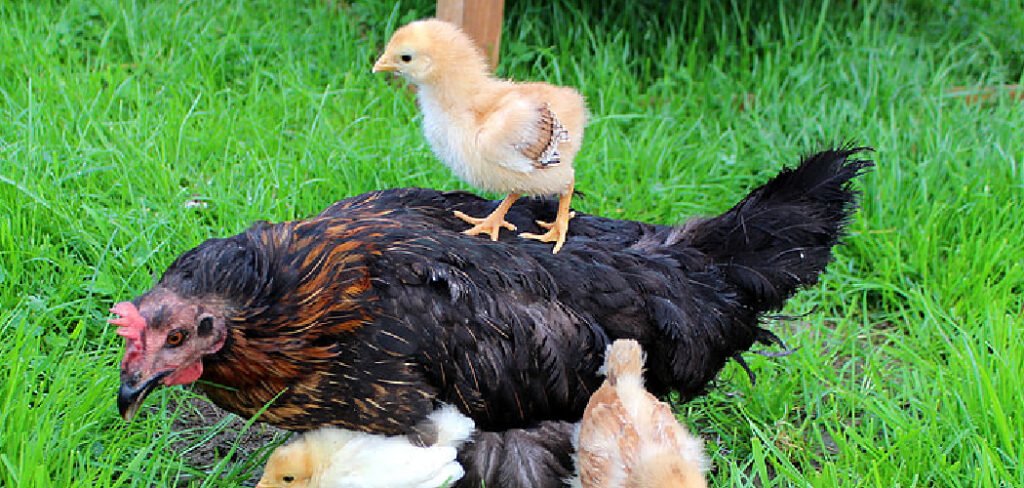
Learning how to tell a hen from a rooster chick early on is a valuable skill. It allows you to plan your flock’s future, manage ratios, and prepare for the unique needs of both hens and roosters. This guide will walk you through the most common techniques, from simple observation to more technical methods, helping you gain confidence in identifying your young birds.
Why Knowing the Difference Matters
For anyone raising chickens, distinguishing between males and females early on is more than just a matter of curiosity. The primary reason is flock management. Most backyard chicken keepers focus on egg production, which means a flock composed mostly of hens is ideal. A single rooster can service 10-12 hens, so having too many males can lead to over-mating, stress, and injuries among the hens. Additionally, many urban or suburban areas have ordinances that prohibit keeping roosters due to their loud crowing. Identifying roosters early allows you to rehome them in compliance with local regulations. Finally, roosters and hens have different temperaments and dietary needs as they mature, so knowing their sex helps you provide better, more specific care.
8 Step Methods Guide on How to Tell a Hen From a Rooster Chick
Step 1: Check for Comb and Wattle Development
One of the earliest visual cues is the development of the comb and wattles. Around 3 to 4 weeks of age, cockerels often begin to show more prominent signs of these features. Look for a comb that is larger and redder than those of other chicks in the same clutch. A young rooster’s comb will typically start to pinken up and grow noticeably faster.
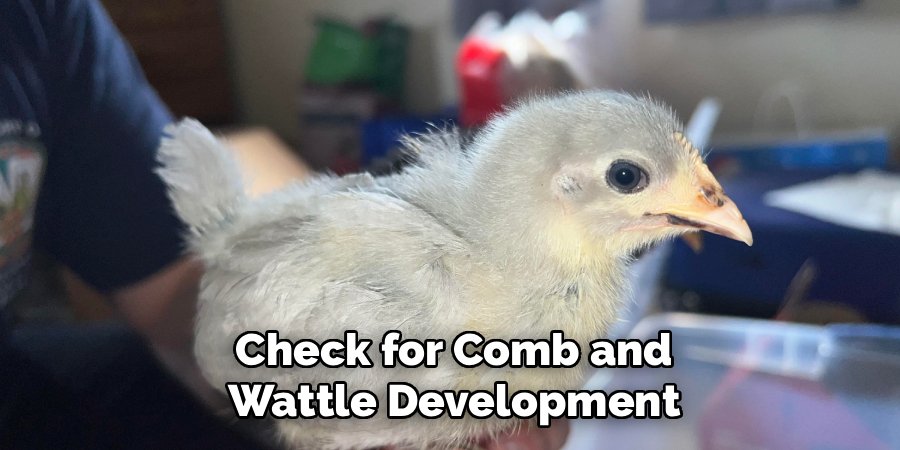
In contrast, a pullet’s comb will remain smaller, flatter, and more yellow or pale in color for a longer period. While not a foolproof method for all breeds, comparing the chicks side-by-side often makes the difference clear.
Step 2: Observe Their Posture and Stance
As chicks grow, their body language can offer clues to their sex. Cockerels tend to develop a more upright and confident posture earlier than pullets. They may stand taller, stretch their necks more frequently, and appear more assertive within the group. You might notice them puffing out their chests and standing in a way that makes them look bigger and more dominant. Pullets, on the other hand, typically maintain a more horizontal, lower-to-the-ground stance. This difference becomes more pronounced as they approach 5 to 6 weeks of age. Watch how they carry themselves when they are relaxed and interacting with their flock mates.
Step 3: Look for Saddle Feathers
Around 8 to 10 weeks of age, a more definitive sign appears in the form of specialized feathers. Roosters develop long, pointy, and often shiny feathers on their back, just in front of the tail. These are called saddle feathers. Hens, in contrast, will have rounded, softer feathers in the same area. To check, gently part the feathers on a chick’s lower back. If you see narrow, pointed feathers beginning to grow in, you likely have a cockerel. If the feathers are all uniformly round and blunt at the tips, it’s a good indication you have a pullet. This is one of the most reliable visual methods for adolescent birds.
Step 4: Examine the Hackle Feathers
Similar to saddle feathers, hackle feathers provide another reliable clue. These are the feathers around the neck area. On a developing rooster, the hackle feathers will grow to be long, pointed, and often more iridescent or colorful than the rest of their plumage. They create a distinct “mane” that drapes over their shoulders. A hen’s hackle feathers are much different; they are shorter, softer, and have rounded ends. This distinction usually becomes clear between 8 and 12 weeks. Gently stroking the neck feathers will help you feel the difference in texture and shape between a cockerel and a pullet.
Step 5: Compare Leg and Shank Size
In many breeds, young roosters tend to have thicker, sturdier legs and shanks compared to young hens of the same age. This difference supports their larger, heavier bodies as they mature. Line up a few of your chicks and compare the thickness of their legs just above the foot.
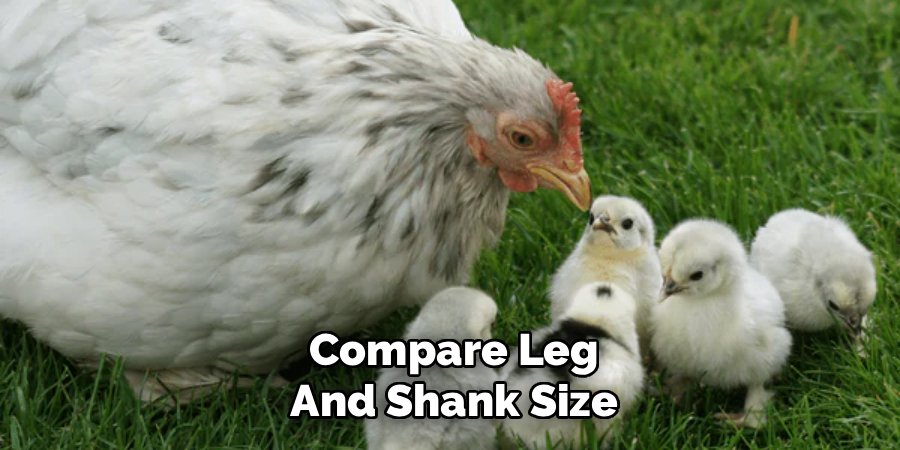
A cockerel’s legs might appear chunkier and more robust. Some cockerels may also begin to show small bumps on the back of their shanks, which are the beginnings of their future spurs. While not all roosters develop spur nubs this early, their presence is a strong indicator of a male.
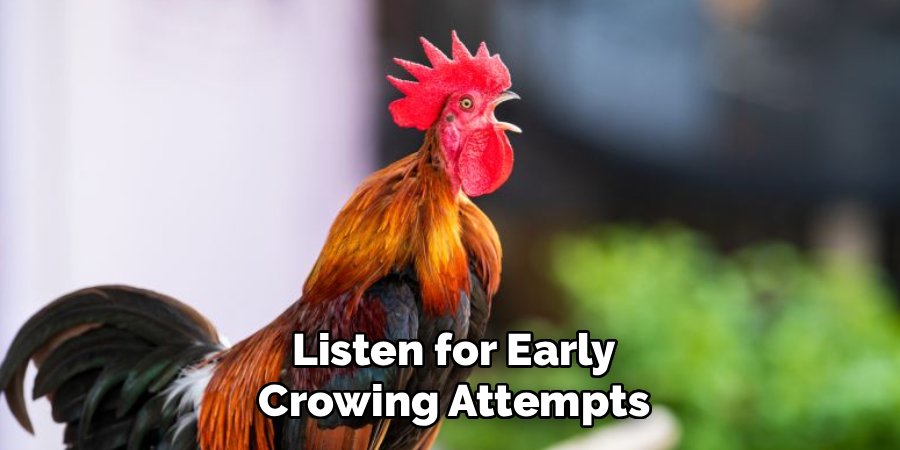
Step 6: Listen for Early Crowing Attempts
While the iconic “cock-a-doodle-doo” is a hallmark of a mature rooster, young cockerels often start practicing much earlier. As early as 3 to 5 weeks, you might hear strange, gurgling squawks that sound nothing like a typical chick peep. This is a young rooster finding his voice. He may stretch his neck, stand tall, and let out a cracked, awkward crow. Pullets do not exhibit this behavior. If you hear one of your chicks attempting these unusual vocalizations, especially while displaying assertive body language, you can be almost certain it’s a cockerel warming up for his future duties.
Step 7: Analyze Behavior Within the Flock
Behavioral differences can be subtle but telling. Young cockerels often display more dominant and protective behaviors. They might be the first to investigate a new object or sound, and they sometimes practice “tidbitting” – picking up a tasty morsel of food and making a special call to attract the pullets to it.
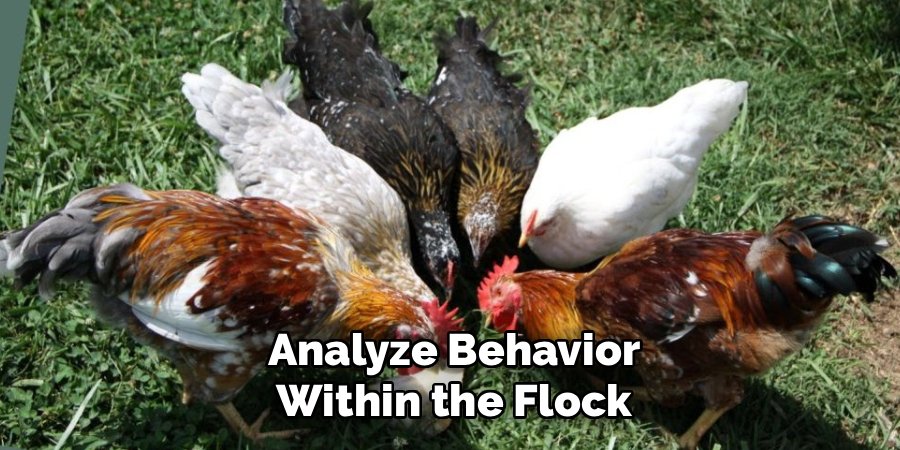
They may also engage in more sparring or chest-bumping with other chicks. Pullets are generally more reserved and less confrontational. Observing the social dynamics within your brooder can provide valuable insights into how to tell a hen from a rooster chick before physical traits become obvious.
Step 8: Try the Vent Sexing Method (With Caution)
Vent sexing is a highly accurate method used by professionals in commercial hatcheries, but it is not recommended for beginners. It involves carefully examining the internal reproductive organs of a day-old chick through its vent (cloaca). Incorrectly performing this technique can severely injure or even kill a chick. Pullets have a small bump or cone-like structure inside the vent, while cockerels do not. Due to the high risk and the need for extensive training, home gardeners and beginners should rely on the other, safer methods described in this guide. If 100% accuracy from day one is essential, consider purchasing sex-linked chicks or professionally sexed pullets.
Frequently Asked Questions
At What Age Can You Reliably Tell a Hen From a Rooster?
Reliability increases with age. While some signs appear as early as 3-4 weeks (like comb development), the most dependable physical traits, such as pointed hackle and saddle feathers, don’t become clear until the chicks are 8-12 weeks old. Behavioral cues, like crowing, can also confirm a rooster’s sex around this time.
Are There Any Breeds That Are Easier to Sex?
Yes, sex-link chickens are specifically bred so that male and female chicks hatch with different colors or patterns. For example, Black Star pullet chicks are all black, while the cockerels have a white dot on their heads. Autosexing breeds, like the Cream Legbar, also have distinct visual differences at hatch. These are excellent choices for beginners who want guaranteed females.
Can Hens Crow or Roosters Lay Eggs?
It is extremely rare, but hens can sometimes crow. This usually happens in a flock with no rooster, where a dominant hen may take on male-like behaviors and vocalizations. However, a rooster can never lay an egg. Egg-laying is an exclusively female biological function. If a bird lays an egg, it is a hen, without a doubt.
What Is the Feather Sexing Method?
Feather sexing is another technique used at hatcheries for certain breeds. It involves examining the length of the primary and covert feathers on a day-old chick’s wingtips. In females, the covert feathers are noticeably shorter than the primary feathers, creating a two-layer look. In males, the feathers are all nearly the same length. This method only works for specific genetic lines and requires a trained eye.
Do All Roosters Get Aggressive?
Not at all! A rooster’s temperament is influenced by his breed, handling, and individual personality. Many roosters are calm, watchful protectors of their flock and can be friendly toward humans. Aggression often stems from hormonal surges or a perceived threat to their hens. Raising a rooster from a chick and handling him gently and regularly can help foster a respectful and non-aggressive disposition.
Conclusion
Identifying the sex of your chicks is a rewarding part of raising a backyard flock. While no single method is perfect for every breed at every age, combining several techniques will give you a high degree of confidence. By observing comb growth, feather shapes, posture, and behavior, you can make an accurate assessment. Remember that patience is key, as many of these differences take weeks to become apparent. Mastering how to tell a hen from a rooster chick empowers you to manage your flock effectively, ensure a peaceful coop, and plan for a future full of fresh eggs. Don’t be discouraged if you make a mistake; it’s all part of the learning journey of a poultry keeper.

About
Jovie Mathews is a backyard and outdoor expert writer with over 12 years of hands-on experience transforming neglected outdoor spaces into thriving gardens and functional retreats. Raised in a family where weekends meant digging in the soil and building raised beds from scratch, Jovie developed a genuine love for the outdoors long before it became a career.
She writes with a practical, no-fluff approach — always testing ideas in her own backyard before sharing them with readers. From composting systems and native plant selection to patio design and pest control, Jovie covers the full spectrum of backyard life with equal parts expertise and enthusiasm.
Education
B.Sc. in Horticulture Science
University of Florida (UF) · Gainesville, FL · 2014
IFAS College of Agricultural and Life Sciences
Minor in Environmental Studies
University of Florida (UF) · Gainesville, FL · 2014
College of Liberal Arts and Sciences
Areas of expertise
- Lawn & Garden Care
- Soil prep, planting, seasonal care
- Outdoor DIY Projects
- Raised beds, fencing, pathways
- Composting & Soil Health
- Organic methods, amendments
- Native Plants & Wildlife
- Pollinators, habitat gardening
When she is not writing, Jovie can be found testing new composting techniques, growing tomatoes in questionable quantities, or convincing her neighbors that clover lawns are actually a great idea. She currently gardens in the Pacific Northwest.