
Using well water to fill your pool can be a cost-effective and convenient option, especially if you live in an area without access to municipal water. However, it’s not as simple as just turning on a hose. Well water often contains minerals, metals, and other contaminants that can affect your pool’s chemistry, surface, and equipment. Understanding the right process is key to avoiding issues like staining, scaling, and cloudy water. This guide provides a straightforward approach on how to fill pool with well water, ensuring you start your swim season with crystal-clear, balanced water.
The first step in filling your pool with well water is testing the water’s quality. It’s crucial to determine the levels of minerals like iron, manganese, and calcium, as well as the pH and total alkalinity. Using a reliable water testing kit or consulting a local water testing service can help identify any imbalances or contaminants. Once you have the results, you can take the necessary steps to treat the water before it enters your pool. This might involve using a pre-filter to remove debris and sediments or applying specific chemicals to neutralize excessive metals and balance the pH. Proper preparation at this stage minimizes potential issues down the line, saving time and ensuring safe water for swimming.
Why Using Well Water Requires Special Attention
Filling your pool from a well is different from using city water. Well water is untreated and its composition can vary greatly depending on your location. It often has high concentrations of minerals like iron, copper, and manganese, which can stain your pool’s surfaces. Additionally, well water may have a naturally high or low pH, alkalinity, and calcium hardness. Addressing these factors from the start prevents long-term damage and makes balancing your pool chemistry much easier down the road, saving you time and money.
7 Step Methods Guide on How to Fill Pool with Well Water
Step 1: Test Your Well Water Source
Before you add a single drop of water to your pool, you must understand what is in it. Take a water sample from your well to a local pool supply store for a comprehensive analysis. This test will reveal the levels of minerals, metals, pH, alkalinity, and calcium hardness. Knowing these initial values is the most critical step, as it dictates the specific treatments you will need to apply to make the water suitable for your swimming pool.
Step 2: Check Your Well’s Flow Rate and Recovery
It’s important to determine if your well can handle the demand of filling a large pool without running dry. To do this, check your well pump’s flow rate, measured in gallons per minute (GPM). You should also understand its recovery rate—how quickly it replenishes. Filling a pool can take a significant amount of time and water, potentially straining your system. If your flow rate is low, you may need to fill the pool in stages over several days to avoid overworking your pump.
Step 3: Attach a Pre-Filter to Your Hose
To stop minerals and metals from ever entering your pool, attach a pre-filter directly to the end of your garden hose. These filters are specifically designed to capture contaminants like iron, copper, and sediment as the water flows through them. This proactive step is one of the easiest and most effective ways to prevent staining on your pool liner or plaster. It significantly reduces the amount of chemical treatment you will need to do later to remove these metals from the water.
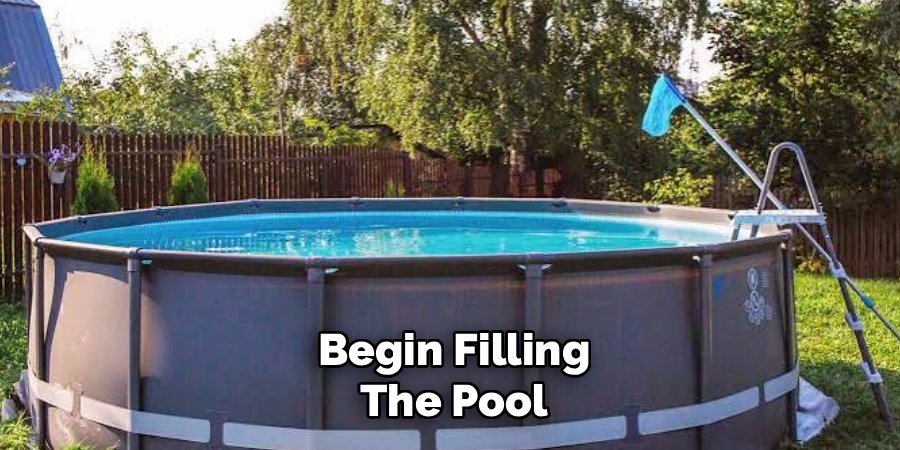
Step 4: Begin Filling the Pool
With your pre-filter securely attached, you can start filling the pool. Place the hose in the deepest part of the pool to prevent it from moving around and spraying the sides. Keep an eye on the process. As mentioned in Step 2, you may need to fill the pool incrementally to avoid running your well dry. Fill it for a few hours, then turn it off for a few hours to allow your well to recover. This patient approach protects your well pump from burnout.
Step 5: How to Fill Pool with Well Water While Circulating
Once the water level is high enough to reach the skimmer opening (about halfway up the skimmer), turn on your pool pump. Running the circulation and filtration system while the pool continues to fill helps to mix the water and any chemicals you add more effectively. This ensures an even distribution of treatments and starts the process of filtering out any initial impurities that may have made it past your pre-filter. Continuous circulation is key to achieving balanced and clear water.
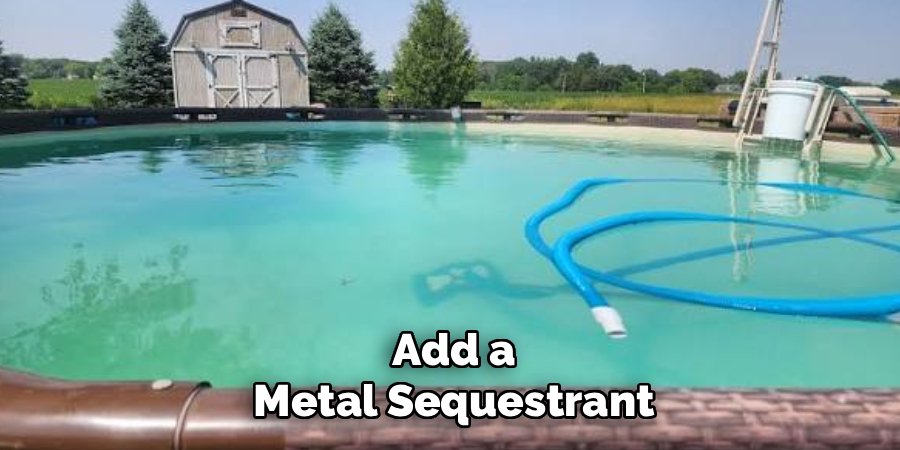
Step 6: Add a Metal Sequestrant
Even with a pre-filter, some metals may get into your pool water. As the pool is filling, add a metal sequestrant or chelating agent. This chemical binds to dissolved metals like iron and copper, keeping them suspended in the water so they cannot settle and stain your pool’s surfaces. This is a crucial preventative measure when using well water. Follow the manufacturer’s instructions for the correct dosage based on your pool’s volume and the initial metal levels from your water test.
Step 7: Shock the Pool Immediately
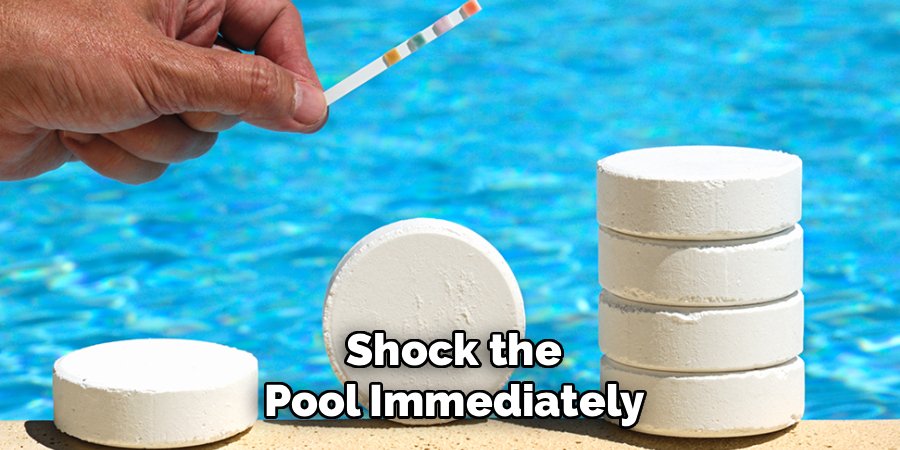
As soon as your pool is completely full, it is time to shock the water. Well water can contain various bacteria and other organic contaminants that need to be eliminated. Shocking the pool involves adding a high dose of chlorine to sanitize the water thoroughly. This initial, aggressive chlorination establishes a baseline of sanitation and helps break down any remaining contaminants. Be sure to follow the product’s directions and run the pump continuously to circulate the shock treatment.
Test and Balance the Pool Chemistry
After the initial shock has circulated for at least 24 hours, it’s time to perform a full chemical test. You will need to check and adjust the pH, total alkalinity, and calcium hardness levels. Well water is often out of balance in these areas.
- Total Alkalinity: Adjust this first, aiming for a range of 80-120 ppm.
- pH: Next, adjust the pH to be between 7.4 and 7.6.
- Calcium Hardness: Finally, adjust calcium hardness to 200-400 ppm.
Achieving this balance is vital for swimmer comfort and protecting your equipment.
Continue Filtering and Re-Testing
For the next several days, run your pool filter 24/7. This extended filtration cycle will help clear up any cloudiness and remove suspended particles, including the sequestered metals. You should also clean or backwash your filter as needed, since it will be working hard to clean the new water. Continue testing your water daily and make small adjustments to the chemical levels until they are stable and within the ideal ranges. This final step ensures your pool is perfectly prepared for swimming.
Frequently Asked Questions
How Long Does It Take to Fill a Pool With Well Water?
The time it takes depends on your pool’s size and your well’s flow rate. An average 15,000-gallon pool can take 20-40 hours or more with a standard garden hose. If your well has a low recovery rate, it is best to fill the pool in intervals over several days. This prevents you from running the well dry or damaging the pump.
Can Well Water Stain My Pool?
Yes, it certainly can. Well water often contains high levels of metals like iron, manganese, and copper. When exposed to chlorine and oxygen, these metals oxidize and can leave unsightly brown, green, or black stains on your pool’s surfaces. Using a hose pre-filter and adding a metal sequestrant during the filling process are the best ways to prevent this from happening.
Should I Get Water Delivered Instead of Using My Well?
If your well has a very low flow rate, high levels of metals, or if you are concerned about running it dry, having water delivered by a truck is a good alternative. While it is more expensive upfront, it provides clean, pre-treated water that will be much easier to balance. This can save you time and money on chemicals in the long run.
What Are the First Chemicals to Add When Using Well Water?
The first chemical you should add is a metal sequestrant. This should be added while the pool is filling to prevent metal staining. Once the pool is full, the next step is to shock the water with a high dose of chlorine to sanitize it. After the shock has circulated, you can proceed with testing and balancing the pH, alkalinity, and calcium hardness.
How Often Should I Test My Well Water?
You should test your well water source at least once a year to see if its composition has changed. However, when you are filling a pool, you should test the water both before you start and after the pool is full. After the initial balancing, continue to test the pool water 2-3 times per week to ensure all chemical levels remain stable and within their ideal ranges.
Conclusion
Successfully filling your pool with well water is entirely achievable with the right preparation and a methodical approach. By testing your source water, using a pre-filter, and adding the correct chemicals at the right time, you can prevent common issues like staining and cloudy water. The key is to be proactive rather than reactive. Following these steps on how to fill pool with well water will help you create a beautiful, clear, and safe swimming environment that you can enjoy all season long, all while leveraging the convenience of your own water source.

About
Jovie Mathews is a backyard and outdoor expert writer with over 12 years of hands-on experience transforming neglected outdoor spaces into thriving gardens and functional retreats. Raised in a family where weekends meant digging in the soil and building raised beds from scratch, Jovie developed a genuine love for the outdoors long before it became a career.
She writes with a practical, no-fluff approach — always testing ideas in her own backyard before sharing them with readers. From composting systems and native plant selection to patio design and pest control, Jovie covers the full spectrum of backyard life with equal parts expertise and enthusiasm.
Education
B.Sc. in Horticulture Science
University of Florida (UF) · Gainesville, FL · 2014
IFAS College of Agricultural and Life Sciences
Minor in Environmental Studies
University of Florida (UF) · Gainesville, FL · 2014
College of Liberal Arts and Sciences
Areas of expertise
- Lawn & Garden Care
- Soil prep, planting, seasonal care
- Outdoor DIY Projects
- Raised beds, fencing, pathways
- Composting & Soil Health
- Organic methods, amendments
- Native Plants & Wildlife
- Pollinators, habitat gardening
When she is not writing, Jovie can be found testing new composting techniques, growing tomatoes in questionable quantities, or convincing her neighbors that clover lawns are actually a great idea. She currently gardens in the Pacific Northwest.