
Anyone who owns outdoor furniture knows the sinking feeling of walking out after a rainstorm only to find a massive, heavy puddle sitting squarely in the middle of their table cover. This stagnant water is more than just an eyesore; it is a relentless enemy of your expensive outdoor gear.
Over time, the weight of the water stretches the fabric, weakens the seams, and allows moisture to seep through onto the very furniture you are trying to protect. Furthermore, these stagnant pools become breeding grounds for mosquitoes, mold, and mildew, turning your relaxing backyard oasis into a maintenance nightmare.
Fortunately, solving this problem does not require expensive equipment or a degree in engineering. With a few simple adjustments and the right strategy, you can create a cover that sheds rain effortlessly.
This guide provides a comprehensive, beginner-friendly walkthrough on how to keep water from pooling on patio table cover, ensuring your furniture stays dry, clean, and ready for use whenever the sun comes back out.
Why Preventing Water Pooling is Important
Water pooling on your patio table cover not only causes inconvenience but can also lead to significant damage over time. Standing water creates the perfect environment for mold and mildew growth, which can spread quickly and emit unpleasant odors. Additionally, the weight of accumulated water strains the fabric, causing it to stretch, warp, or even tear.
This can jeopardize the longevity of your table cover and may result in costly replacements. By preventing water pooling, you not only keep your outdoor furniture in pristine condition but also maintain a more hygienic and aesthetically pleasing space.
7 Step-by-Step Guide on How to Keep Water from Pooling on Patio Table Cover
Step 1: Create a High Point in the Center
The fundamental principle of shedding water is gravity, and to use gravity effectively, you must create a slope. If your cover lays flat across the table, water has nowhere to go and will inevitably gather in the lowest point, which is usually the center. To fix this, you need to create a peak, much like a tent.

You can achieve this by placing a tall, sturdy object in the middle of the table underneath the cover. A bucket, an overturned flower pot, or even a specialized patio cover airbag works perfectly for this purpose. This simple elevation changes the geometry of the cover, forcing rain to run off the sides rather than collecting in a destructive pool.
Step 2: Use a Commercial Support Pole System
For a more permanent and professional solution, consider investing in a support pole system designed specifically for patio furniture. These devices typically consist of a central pole with a domed top and a series of straps that radiate out to the corners of the table.
The pole elevates the center of the cover, while the straps ensure the fabric remains taut and sloped. Using a dedicated system is often more reliable than a makeshift bucket because it is adjustable and designed to stay in place during windy conditions.
This is a highly effective method for how to keep water from pooling on patio table cover because it provides consistent, structural support that mimics the pitch of a roof.
Step 3: Tighten the Hem Cords and Buckles
Even with a central support, a loose cover will still sag and collect water in pockets near the edges. To prevent this, you must ensure the cover fits as snugly as possible. Most high-quality covers come equipped with adjustable hem cords, drawstrings, or buckle straps at the bottom.
Once your central support is in place, go around the entire perimeter of the table and pull these cords tight. The goal is to create tension in the fabric, pulling it taut against the support pole.
A tight cover acts like a drum skin; water bounces off it rather than settling into folds and creases. Securing the bottom also prevents wind from getting underneath and ballooning the cover, which can displace your support system.
Step 4: Utilize Bungee Cords for Extra Tension
Sometimes, the built-in drawstrings are not enough to create the steep slope needed for heavy rainfall. In these cases, standard bungee cords are an invaluable tool. You can hook bungee cords to the grommets or loops on the cover and secure them to the legs of the table or chairs.
This adds vertical tension, pulling the fabric down and further enhancing the slope created by your central support. By strategically placing these cords, you can eliminate any remaining slack areas where water might try to accumulate.
This technique is particularly useful for large, rectangular tables where the center support might not reach all the way to the far corners, ensuring consistent drainage across the entire surface.
Step 5: Position Chairs to Create a Slope
If you are covering a dining set where the chairs are tucked under the table, you can use the chair backs to your advantage. Arrange the chairs so that their backs are higher than the table surface, or pull them out slightly so the cover drapes over them. This creates a natural high ridge around the perimeter of the table.

However, be careful not to create a “bowl” effect in the center. Ideally, this method should be combined with a central support object. By having the center high and the chair backs acting as secondary supports, you create a multi-tiered slope that encourages water to cascade off the sides efficiently.
This utilizes your existing furniture to aid in the water-shedding process without needing extra equipment.
Step 6: Use Airbags
For larger or irregularly shaped furniture sets, a single pole might not be sufficient. In these scenarios, inflatable airbags are a fantastic alternative. These durable vinyl pillows come in various sizes and can be placed under the cover to fill voids and create a large, domed surface.
Unlike a rigid pole, an airbag distributes tension evenly across a wider area, reducing stress on specific points of the fabric. You can place one large airbag in the center or several smaller ones strategically to ensure there are absolutely no flat spots.
Because they are lightweight and easy to store when deflated, airbags are a versatile and user-friendly option for keeping your cover elevated and dry.
Step 7: Perform Regular Adjustments After Storms
Even the best prevention systems require occasional maintenance. After a heavy storm or a period of high wind, take a moment to inspect your patio furniture. Shifts in the wind can knock over buckets, loosen straps, or push airbags out of position, creating new low spots where water can gather.
Quickly resetting your support object and re-tightening the drawstrings takes only a minute but saves you from discovering a massive puddle weeks later.
Making this quick check a habit ensures that your system for how to keep water from pooling on patio table cover remains effective throughout the entire season, extending the lifespan of both your cover and your furniture.
Frequently Asked Questions (FAQ)
What Is the Best Object to Put Under a Patio Cover?
While you can buy specialized equipment, many household items work well in a pinch.
- Buckets: A standard 5-gallon bucket placed upside down is sturdy and usually the right height.
- Flower Pots: An empty, overturned plastic planter is a great lightweight option.
- Beach Balls: For a gentler option that won’t poke the fabric, a large inflated beach ball works well.
- Airbags: Specifically designed patio airbags provide the best coverage and durability.
Can I Use a Tarp Instead of a Fitted Cover?
You can use a tarp, but it is generally less effective at preventing pooling. Tarps lack the fitted shape and securing mechanisms (like drawstrings and buckles) that help create tension.
Without tension, a tarp will almost always sag and collect water, regardless of what you put underneath it. If you must use a tarp, you will need to use significantly more bungee cords to create a tight, tent-like structure that sheds water efficiently.
Does Water Pooling Actually Damage the Cover?
Yes, standing water is very damaging.
- Fabric Stress: Water is heavy (8 lbs per gallon). A large puddle puts immense strain on the fabric fibers, causing them to stretch, thin, and eventually tear.
- Seam Failure: The weight pulls at the seams, creating tiny holes where water can leak through.
- Mold Growth: The constant moisture creates a perfect environment for mold and mildew, which can degrade the material and stain your furniture.
How Tight Should the Cover Be?
The cover should be taut, but not stretched to the breaking point. Think of it like a tent rainfly; it needs to be smooth and free of wrinkles to encourage runoff, but if it is too tight, the fabric might rip under the stress of heavy wind or snow loads.
You want enough tension so that if you tap the fabric, it bounces back rather than sagging, but not so much that the seams look like they are pulling apart.
Will These Methods Work for Snow as Well?
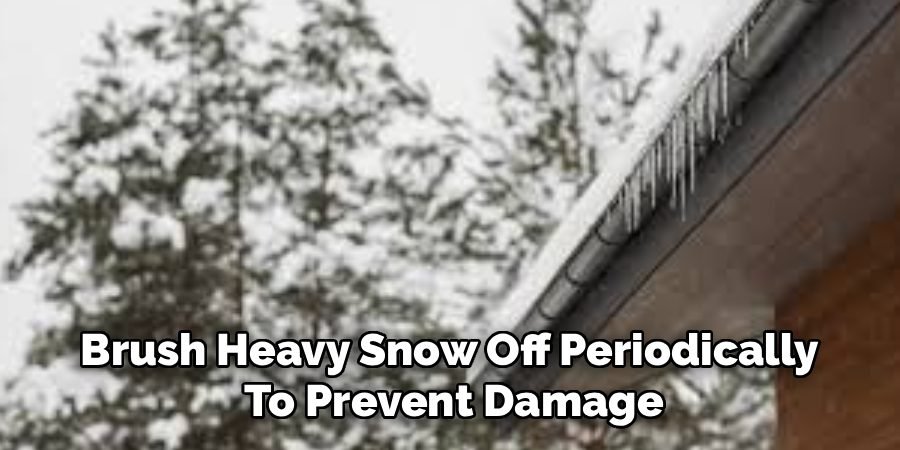
Yes, elevating the center of the cover is crucial for snow as well, but snow presents a greater challenge due to its weight. While a slope will help snow slide off, wet, heavy snow may still accumulate.
You will likely need a sturdier support system (like a strong pole or rigid frame) rather than just a beach ball to withstand the weight of snow. It is also recommended to brush heavy snow off periodically to prevent damage.
Conclusion
Protecting your outdoor investment requires more than just throwing a cover over your table and hoping for the best. It requires a proactive approach to water management. By understanding the simple physics of creating a slope and maintaining tension, you can banish sagging fabric and standing water forever.
Whether you choose a simple DIY solution like an overturned bucket or invest in a professional airbag system, the goal remains the same: ensure gravity works for you, not against you.
Consistently applying these techniques will drastically extend the life of your covers and keep your furniture in pristine condition. Now that you understand how to keep water from pooling on patio table cover, you can look forward to the next rainstorm with confidence, knowing your backyard oasis is safe, dry, and ready for your next gathering.

About
Jovie Mathews is a backyard and outdoor expert writer with over 12 years of hands-on experience transforming neglected outdoor spaces into thriving gardens and functional retreats. Raised in a family where weekends meant digging in the soil and building raised beds from scratch, Jovie developed a genuine love for the outdoors long before it became a career.
She writes with a practical, no-fluff approach — always testing ideas in her own backyard before sharing them with readers. From composting systems and native plant selection to patio design and pest control, Jovie covers the full spectrum of backyard life with equal parts expertise and enthusiasm.
Education
B.Sc. in Horticulture Science
University of Florida (UF) · Gainesville, FL · 2014
IFAS College of Agricultural and Life Sciences
Minor in Environmental Studies
University of Florida (UF) · Gainesville, FL · 2014
College of Liberal Arts and Sciences
Areas of expertise
- Lawn & Garden Care
- Soil prep, planting, seasonal care
- Outdoor DIY Projects
- Raised beds, fencing, pathways
- Composting & Soil Health
- Organic methods, amendments
- Native Plants & Wildlife
- Pollinators, habitat gardening
When she is not writing, Jovie can be found testing new composting techniques, growing tomatoes in questionable quantities, or convincing her neighbors that clover lawns are actually a great idea. She currently gardens in the Pacific Northwest.