
You have worked hard to achieve crystal-clear pool water, only to find mysterious green, brown, or reddish stains appearing on your pool surfaces, or your water taking on a strange tint after shocking it.
The culprits are often invisible dissolved metals, primarily copper and iron. These metals can enter your pool through fill water from a well, corrosion of copper pipes and heater components, or even from certain algaecides.
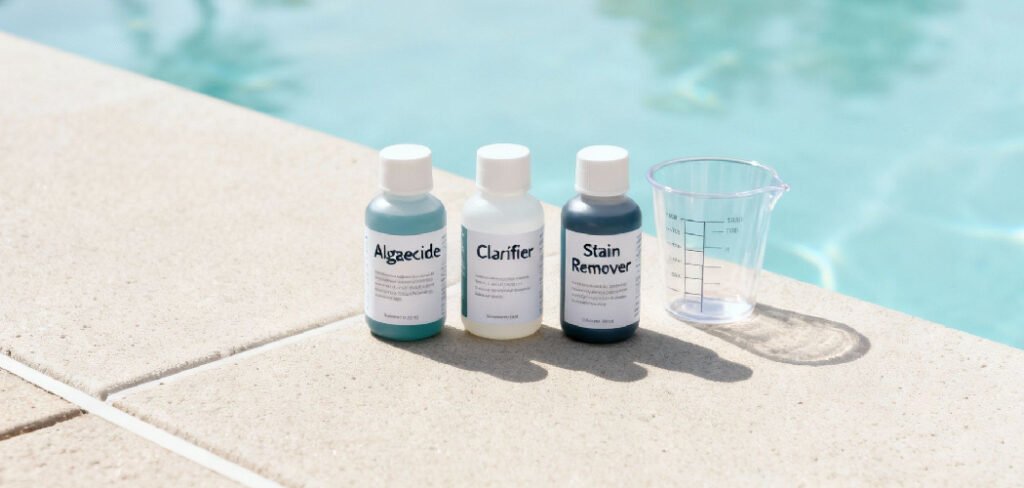
When you add chlorine or shock, it oxidizes these metals, causing them to become visible and stain your liner or plaster. This guide will provide a clear, beginner-friendly process for how to remove copper and iron from pool water, restoring your pool’s beauty and preventing future staining.
Maintaining a clean and clear pool is essential for an enjoyable swimming experience. However, when issues like metal stains arise, it can quickly detract from the pool’s appearance and lead to frustration.
Understanding the root cause of these stains and knowing the proper steps to address them is key to keeping your pool looking its best. By following the right techniques, you can effectively remove metals such as copper and iron from your pool water and prevent them from becoming a recurring problem.
7 Step-by-Step Guide on How to Remove Copper and Iron from Pool Water
Step 1: Test Your Pool Water for Metals
Before you begin any treatment, you must confirm that metals are indeed the problem and identify which ones you are dealing with. You cannot see dissolved metals until they are oxidized, so a visual check is not enough. Purchase a specialized water testing kit designed to detect metals like copper and iron.

You can find these as test strips or reagent kits at most pool supply stores. Alternatively, you can take a sample of your water to a local pool professional for a more detailed analysis.
Knowing the specific metal and its concentration in parts per million (PPM) is crucial for choosing the right chemical treatment and dosage, ensuring you tackle the problem effectively from the start.
Step 2: Add a Sequestering Agent
Once you have confirmed the presence of metals, the first line of defense is a high-quality sequestering agent, also known as a chelator.
This chemical works by binding to the dissolved metal ions in the water, effectively “handcuffing” them. This process keeps the metals suspended in the water in a chemically inactive state, preventing them from oxidizing and causing stains when you add chlorine or other chemicals.
Follow the manufacturer’s instructions carefully to add the correct dosage for your pool’s volume and metal concentration. Pour the liquid slowly around the perimeter of the pool with the pump running to ensure it circulates evenly throughout the water.
Step 3: Lower Chlorine Levels and Adjust pH
Sequestering agents work best when the free chlorine level in your pool is low, ideally below 1.0 PPM. High chlorine levels can interfere with the chelating process and break down the sequesterant. If your chlorine is high, you can let it drop naturally by refraining from adding more for a day or two.

You should also check and adjust your pool’s pH level to between 7.2 and 7.6. Proper pH balance is essential for almost all pool chemical reactions, and it will ensure the sequestering agent can perform its job optimally. Maintaining this chemical balance is a fundamental part of learning how to remove copper and iron from pool water.
Step 4: Run the Pool Filter Continuously
After adding the sequestering agent, you need to allow your filtration system to do its work. The sequesterant holds the metal ions, but it does not remove them from the water. Your filter is what will physically trap some of these bonded particles. Run your pool pump and filter continuously for at least 24 to 48 hours.
This constant circulation ensures all the water passes through the filter multiple times, giving it the best chance to capture the chelated metal particles. If you have a multiport valve, make sure it is set to the “FILTER” position. This extended filtration cycle is a non-negotiable step for clearing the water.
Step 5: Treat Existing Stains on Surfaces
While the sequestering agent prevents new stains, it may not remove old ones that have already set on your pool liner, plaster, or steps. To treat existing stains, you can use a stain-removing product that often contains ascorbic acid (Vitamin C). For small spots, you can place a Vitamin C tablet directly on the stain and watch it disappear.
For larger areas, you can use a granular ascorbic acid treatment, sprinkling it over the stained surface. This process works best with low chlorine levels. Once the stains are gone, you will need to re-balance your water chemistry, as ascorbic acid can lower both pH and alkalinity.
Step 6: Use a Flocculant to Clump Particles
If your water remains cloudy after the initial filtration period, it means many of the sequestered metal particles are too small for your filter to catch. In this case, using a pool flocculant can be very effective. A flocculant works by causing these tiny suspended particles to clump together into larger, heavier masses.
These clumps will then sink to the bottom of the pool, forming a layer of sediment. Turn your pump off completely to allow the water to become still, which is necessary for the flocculant to work. Let the pool sit for 8 to 12 hours, or overnight, until the sediment has fully settled on the pool floor.
Step 7: Vacuum the Sediment to Waste
The final step is to physically remove the metal-laden sediment from your pool. You cannot simply vacuum it through your filter, as this will just recirculate the fine particles back into the water. You must vacuum to “WASTE” or “DRAIN.” This setting on your multiport valve bypasses the filter and sends the dirty water directly out of the pool.
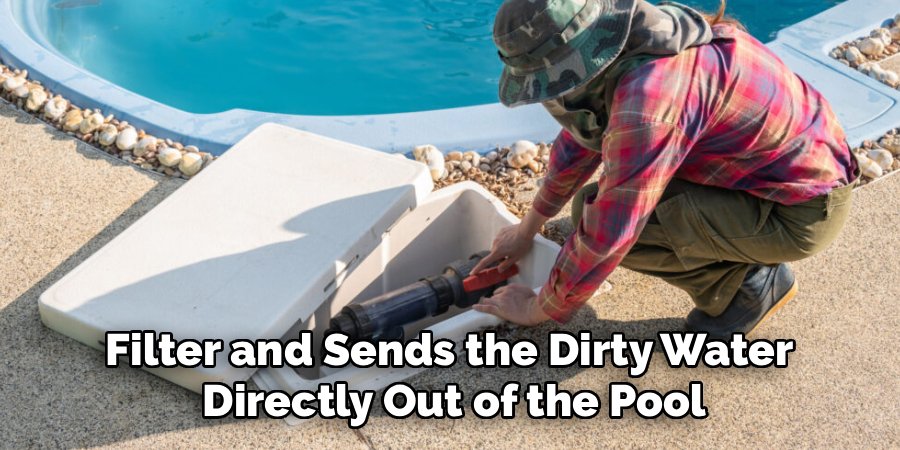
Work slowly and methodically to vacuum up the sediment without stirring it back into the water. You will lose some pool water during this process, so be prepared to top it off with fresh, preferably metal-free water afterward. This is the ultimate step that physically removes the metals from your pool system.
Frequently Asked Questions (FAQ)
What Causes High Levels of Copper and Iron in Pool Water?
Metals can enter your pool from several sources.
- Source Water: Well water is a common culprit, as it often contains naturally occurring minerals, including iron and copper.
- Corrosion: Older copper plumbing or a pool heater with a copper heat exchanger can corrode over time, leaching copper into the water.
- Chemicals: Some copper-based algaecides can add significant amounts of copper to your pool. Using low-quality salt in a saltwater pool can also introduce metals.
How Can I Tell if My Pool Has Metal Stains?
Metal stains have distinct colors that can help you identify the culprit.
- Greenish-Blue or Teal: These stains typically indicate the presence of copper.
- Reddish-Brown, Yellow, or Black: These shades usually point to iron in the water.
- Test: The best way to be sure is to use a metal-specific testing kit from a pool supply store.
What Is the Difference Between a Sequestering Agent and a Flocculant?
They serve two different, complementary functions.
- Sequestering Agent (Chelator): This chemical binds to dissolved metal ions and keeps them suspended in the water so they cannot oxidize and cause stains. It manages the metals.
- Flocculant: This chemical clumps tiny suspended particles (including chelated metals) into larger masses that sink to the bottom of the pool for easy vacuuming. It helps remove the particles.
Can I Shock My Pool After Adding a Sequestering Agent?
You should wait. Most sequestering agents are broken down by high levels of chlorine. After adding a sequesterant, you should keep your chlorine level low for at least 24-48 hours to allow the chemical to do its job. Shocking the pool too soon will render the sequesterant ineffective and can cause the very metal staining you are trying to prevent.
How Can I Prevent Metals from Returning?
Prevention is key to long-term success.
- Pre-Filter Fill Water: If you have a well, use a hose-end filter when adding fresh water to your pool to capture metals before they enter.
- Maintenance Dose: Add a small weekly or monthly “maintenance dose” of a sequestering agent to your pool to manage any new metals that are introduced.
- Proper Chemistry: Maintain a balanced pH and alkalinity to reduce the corrosion of metal pool components.
Conclusion
Dealing with metal stains can be one of the most frustrating aspects of pool ownership, but it is a problem with a clear solution. By understanding the process of testing, sequestering, filtering, and physically removing the problematic particles, you can restore your pool’s pristine appearance.
The key is a patient, multi-step approach that addresses both the dissolved metals in the water and the stains they leave behind.
Now that you have a complete guide on how to remove copper and iron from pool water, you are equipped with the knowledge to fight back against staining and ensure your pool remains a sparkling, inviting oasis all season long.

About
Jovie Mathews is a backyard and outdoor expert writer with over 12 years of hands-on experience transforming neglected outdoor spaces into thriving gardens and functional retreats. Raised in a family where weekends meant digging in the soil and building raised beds from scratch, Jovie developed a genuine love for the outdoors long before it became a career.
She writes with a practical, no-fluff approach — always testing ideas in her own backyard before sharing them with readers. From composting systems and native plant selection to patio design and pest control, Jovie covers the full spectrum of backyard life with equal parts expertise and enthusiasm.
Education
B.Sc. in Horticulture Science
University of Florida (UF) · Gainesville, FL · 2014
IFAS College of Agricultural and Life Sciences
Minor in Environmental Studies
University of Florida (UF) · Gainesville, FL · 2014
College of Liberal Arts and Sciences
Areas of expertise
- Lawn & Garden Care
- Soil prep, planting, seasonal care
- Outdoor DIY Projects
- Raised beds, fencing, pathways
- Composting & Soil Health
- Organic methods, amendments
- Native Plants & Wildlife
- Pollinators, habitat gardening
When she is not writing, Jovie can be found testing new composting techniques, growing tomatoes in questionable quantities, or convincing her neighbors that clover lawns are actually a great idea. She currently gardens in the Pacific Northwest.