
Your hot tub pump is the heart of your spa, responsible for circulating water through the filter and heater, and powering those relaxing jets. When it stops working correctly, your peaceful oasis can quickly become a source of frustration. Understanding how to test hot tub pump performance is a crucial skill for any spa owner.
This guide will walk you through the essential steps to diagnose common pump issues, from strange noises and flow problems to electrical faults. Learning to troubleshoot your pump can save you time, money, and help you get back to enjoying your hot tub sooner.
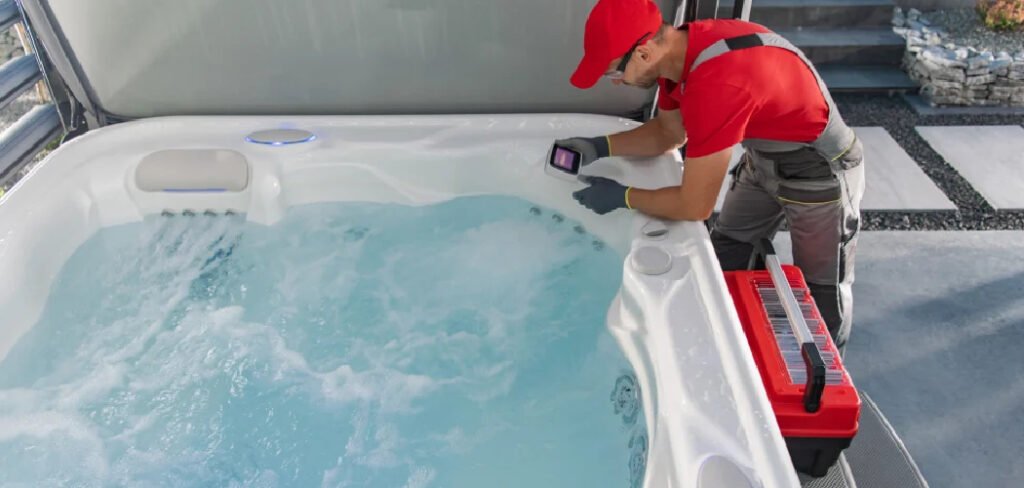
Hot tub maintenance can seem daunting at first, but it’s a vital part of keeping your spa in optimal condition. One of the most important components to monitor is the pump, as it ensures water circulation and helps maintain the cleanliness and temperature of your hot tub.
By familiarizing yourself with basic troubleshooting techniques, you can address issues early and prevent costly repairs. With the right approach, maintaining your hot tub can be straightforward and rewarding, ensuring many relaxing soaks to come.
Why It Matters
Knowing how to test your hot tub pump is essential for maintaining a safe, clean, and functional spa. A failing pump can lead to several problems. Without proper circulation, your spa’s water will not be filtered effectively, leading to cloudy, unsanitary conditions. The heater also relies on water flow to operate safely; a non-functioning pump can cause the heater to overheat or shut down completely.
By proactively testing your pump at the first sign of trouble—be it a humming sound, weak jets, or a complete failure to start—you can pinpoint the exact cause. This allows for a targeted repair, preventing more extensive and costly damage down the line and ensuring your hot tub remains a reliable source of relaxation.
Step-by-Step Guide: How to Test Hot Tub Pump
This guide provides a structured approach to diagnosing your hot tub pump. Following these steps will help you systematically check for common issues, from simple blockages to more complex electrical problems. This detailed process for learning how to test hot tub pump functions is designed to be beginner-friendly, empowering you to identify the root cause of the problem safely and efficiently. Always remember to turn off the power at the breaker before physically handling any electrical components.
Step 1: Perform a Visual and Auditory Inspection
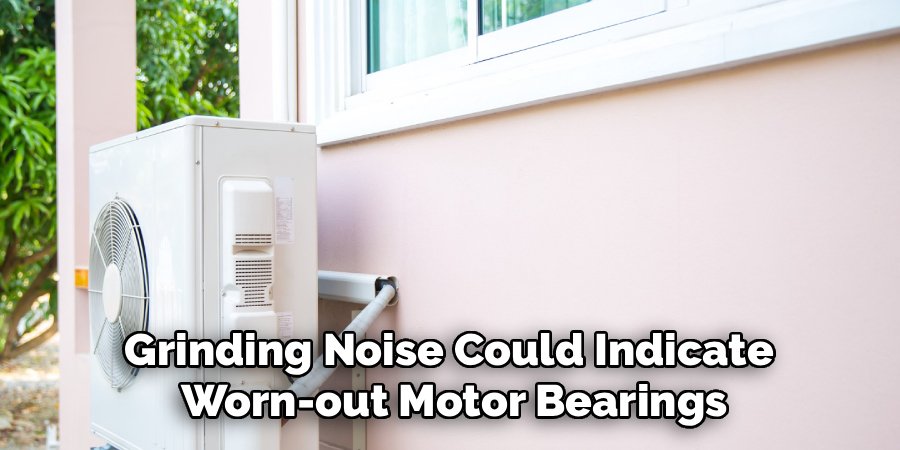
Before you grab any tools, start with your senses. Turn on the pump and listen carefully. Do you hear a loud humming or buzzing sound without any water movement? This often points to a seized motor or a faulty start capacitor. A high-pitched screeching or grinding noise could indicate worn-out motor bearings.
Next, visually inspect the pump for any obvious signs of trouble, like water leaks around the seals or housing, which suggest a problem with the wet end. Also, check if the pump is hot to the touch, as overheating is a clear sign of a motor under strain.
Step 2: Check for Power at the Pump
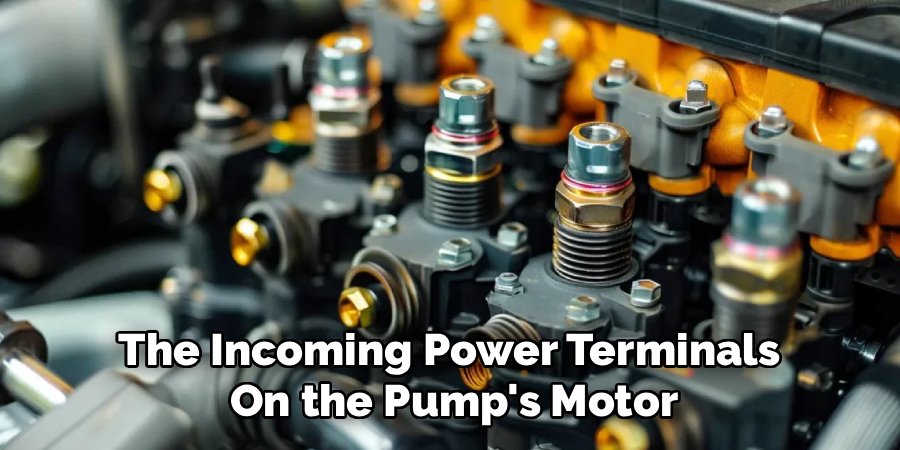
If the pump is completely silent and unresponsive, the first thing to verify is whether it’s receiving power. After shutting off the power at the main breaker, open the hot tub’s equipment panel. Using a multimeter set to AC voltage, carefully touch the two probes to the incoming power terminals on the pump’s motor.
Have a helper turn the breaker back on. A reading of 220-240V (or 110-120V for some models) indicates the pump is getting power, and the issue lies within the motor itself. A reading of zero means the problem is upstream—likely a tripped GFCI, a bad breaker, or faulty spa pack wiring.
Step 3: Test the Motor’s Start Capacitor
A common reason a pump hums but won’t start is a failed start capacitor. This small, cylindrical component gives the motor the initial electrical jolt it needs to begin spinning. To test it, you must first completely disconnect the power. Next, use a screwdriver with an insulated handle to safely discharge the capacitor by touching the screwdriver tip across both metal terminals.
Then, set your multimeter to the capacitance setting (often marked with a µF symbol). A healthy capacitor will show a reading close to the microfarad (µF) rating printed on its side. A reading that is very low or zero confirms the capacitor needs to be replaced.
Step 4: Inspect for Flow Issues and Air Lock
If the pump runs but the jets are weak or there’s no water flow, you may be dealing with a flow issue rather than a pump failure. First, check if the water level is high enough; a low level can allow air to be sucked into the system. Next, ensure all slice valves (gate valves) on the plumbing lines are fully open.
A dirty or clogged filter is another common culprit, so remove it and see if flow improves. If the pump was recently drained and refilled, it might have an “air lock.” Loosening the union nut on the pump’s discharge side slightly until you hear hissing air and see water trickling out can release this trapped air.
Step 5: Check for a Clogged or Damaged Impeller
The impeller is a spinning disk inside the pump’s wet end that pushes water. If it becomes clogged with debris or breaks, water flow will stop or be severely restricted. To inspect it, turn off all power and close the slice valves on either side of the pump to stop water flow.
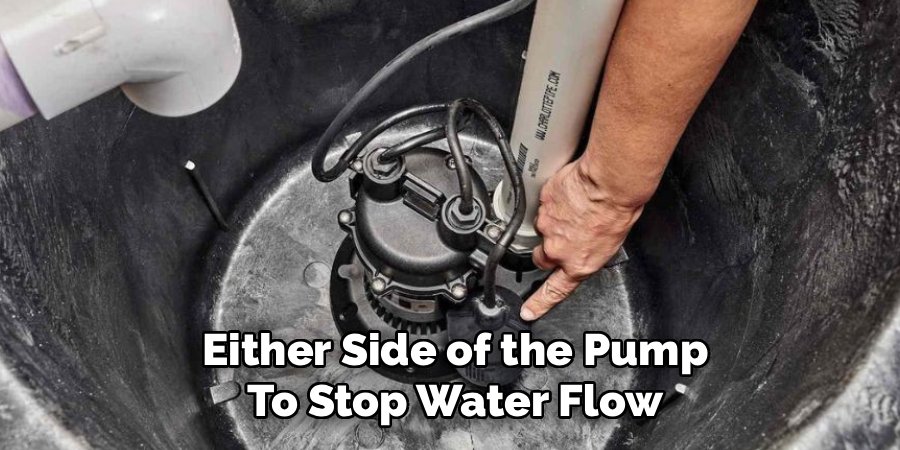
Then, disconnect the unions and remove the pump’s wet end housing (the plastic part). You will see the impeller inside. Check for any hair, leaves, or other debris wrapped around it and clean it out. Also, inspect the impeller vanes for any cracks or damage that would require its replacement.
Step 6: Test for Motor Winding Continuity
If you suspect the motor itself has failed, you can perform a continuity test on its windings. With the power disconnected, use your multimeter set to the ohms or resistance (Ω) setting. Disconnect the power wires from the motor terminals. Touch the multimeter probes to each pair of winding terminals on the motor.
You should get a low and consistent resistance reading between each pair. If you get a reading of “OL” (open loop) or infinite resistance on any winding, it indicates a break in that winding, and the motor has burned out and needs to be replaced.
Step 7: Check the Motor Shaft for Free Movement
A seized motor is one that is physically stuck and cannot turn. To check for this, ensure the power is completely off at the breaker. On the back end of the motor, you should see the motor shaft, which may have a screwdriver slot. Try to turn this shaft manually with a screwdriver.
It should turn with slight resistance but move smoothly. If the shaft is completely frozen and will not budge, the motor’s bearings have likely seized. In some cases, a foreign object could be jamming the impeller, so be sure you have already completed Step 5 before concluding the motor is seized.
Common Mistakes to Avoid
A critical mistake when troubleshooting a hot tub pump is failing to turn off the power at the circuit breaker before touching any wiring or components. This poses a serious risk of electric shock. Another common error is replacing the pump without first diagnosing the root cause. For instance, buying a new pump when the actual problem was just a clogged filter or a simple air lock is a costly and unnecessary mistake.
When testing electrical components, many beginners forget to discharge the capacitor before handling it, which can result in a painful shock. Finally, over-tightening the plastic union fittings when reinstalling the pump can crack the PVC, leading to leaks. These fittings should only be hand-tightened to create a proper seal.
Frequently Asked Questions (FAQ)
How Do I Know If My Hot Tub Pump Is Bad?
Common signs of a bad hot tub pump include a loud humming or grinding noise without water circulation, weak or no jet pressure despite the pump running, the pump tripping the breaker repeatedly, or the motor being completely unresponsive. A visual inspection may also reveal water leaks around the pump seals, indicating a failure of the wet end.
Why Is My Hot Tub Pump Humming But Not Pumping?
A humming sound usually means the motor is receiving power but is unable to turn. The most common cause is a failed start capacitor, which no longer provides the necessary torque to start the motor. It can also be caused by a seized motor due to bad bearings or an impeller that is jammed with debris.
Can A Clogged Filter Cause A Pump To Stop Working?
Yes, a severely clogged filter can restrict water flow so much that it puts a major strain on the pump motor, causing it to overheat and shut down. This lack of flow can also trigger the spa’s pressure or flow switch to turn the pump off as a safety measure. Always check and clean your filter first when experiencing flow issues.
How Much Does It Cost To Replace A Hot Tub Pump?
The cost can vary widely. A new hot tub pump can cost anywhere from $200 to over $600, depending on the brand, horsepower, and whether it’s a single-speed or dual-speed model. If you hire a professional for the installation, you can expect to add another $150 to $300 for labor, bringing the total cost higher.
How Long Should A Hot Tub Pump Last?
With proper maintenance and balanced water chemistry, a quality hot tub pump should last between 5 to 10 years. Factors that can shorten its lifespan include poor water chemistry that corrodes seals, running the pump dry, or frequent clogging from debris. Regular inspection and cleaning can help you maximize the life of your pump and is an important part of knowing how to test hot tub pump health over time.
Conclusion
Successfully diagnosing a problem with your hot tub pump is a manageable task when you approach it systematically. By starting with simple visual and auditory checks and progressing to more specific electrical and flow tests, you can accurately identify the cause of the issue.
This guide equips you with the knowledge of how to test hot tub pump components safely and effectively. Addressing the problem, whether it’s a simple air lock or a failed capacitor, restores your spa’s function and prevents minor issues from becoming major expenses. If you ever feel uncomfortable with electrical testing, always call a qualified spa technician for assistance.

About
Jovie Mathews is a backyard and outdoor expert writer with over 12 years of hands-on experience transforming neglected outdoor spaces into thriving gardens and functional retreats. Raised in a family where weekends meant digging in the soil and building raised beds from scratch, Jovie developed a genuine love for the outdoors long before it became a career.
She writes with a practical, no-fluff approach — always testing ideas in her own backyard before sharing them with readers. From composting systems and native plant selection to patio design and pest control, Jovie covers the full spectrum of backyard life with equal parts expertise and enthusiasm.
Education
B.Sc. in Horticulture Science
University of Florida (UF) · Gainesville, FL · 2014
IFAS College of Agricultural and Life Sciences
Minor in Environmental Studies
University of Florida (UF) · Gainesville, FL · 2014
College of Liberal Arts and Sciences
Areas of expertise
- Lawn & Garden Care
- Soil prep, planting, seasonal care
- Outdoor DIY Projects
- Raised beds, fencing, pathways
- Composting & Soil Health
- Organic methods, amendments
- Native Plants & Wildlife
- Pollinators, habitat gardening
When she is not writing, Jovie can be found testing new composting techniques, growing tomatoes in questionable quantities, or convincing her neighbors that clover lawns are actually a great idea. She currently gardens in the Pacific Northwest.