
A backyard fire pit should be a source of warmth, light, and cozy conversation. Too often, however, the dream of a perfect evening is ruined by a thick, acrid cloud of smoke that stings your eyes and sends everyone scrambling for a new seat. This constant game of “musical chairs with smoke” is not just annoying; it’s a sign that your fire is not burning efficiently. An excessively smoky fire is an incomplete combustion process, wasting fuel and releasing unnecessary particulates into the air.
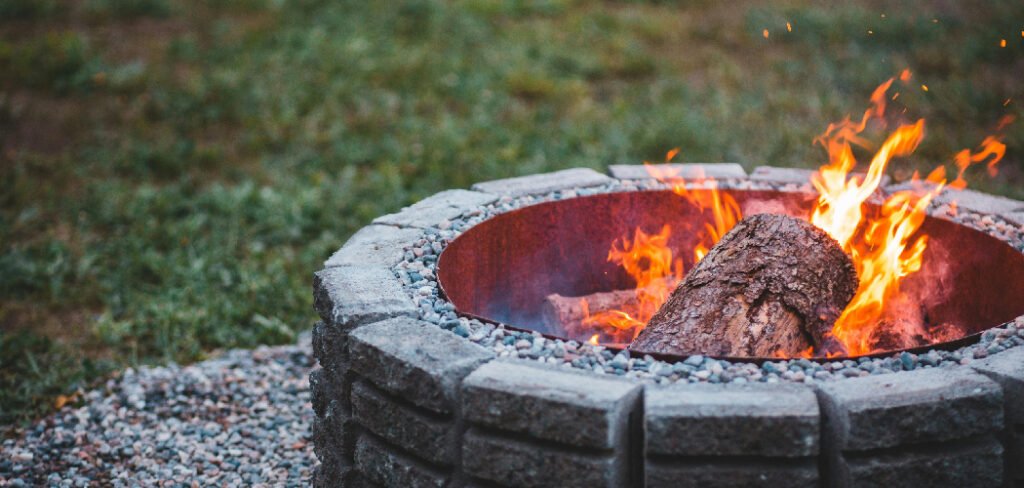
Fortunately, you don’t have to put up with it. The solution isn’t complicated and doesn’t require expensive equipment. By making a few simple adjustments to your fuel and fire-building technique, you can dramatically reduce the amount of smoke your pit produces. This guide will show you exactly how to stop fire pit smoking, turning your frustrating pyre into the perfect, clear-burning centerpiece for your outdoor gatherings.
Why Does a Fire Pit Smoke?
Understanding why a fire pit produces excessive smoke is the first step to solving the problem. Smoke forms when the combustion process is incomplete, meaning the fuel you’re burning isn’t being fully burned. This often happens because of high moisture content in the wood, poor airflow, or using the wrong type of material as fuel.
Wet or green wood, for example, contains water that must evaporate before the wood can burn efficiently, leading to more smoke. Additionally, a lack of oxygen stifles the fire and prevents it from burning cleanly. By identifying these common causes, you can take steps to create an efficient, low-smoke fire pit experience.
7 Step-by-Step Guide on How to Stop Fire Pit Smoking
Step 1: Use Only Dry, Seasoned Hardwood
The single most important factor in creating a clean-burning fire is the quality of your fuel. Wet or “green” wood contains a high percentage of water, sometimes over 50%. When this wood burns, the fire must first expend a massive amount of energy just to boil off the internal moisture. This process creates a tremendous amount of steam and smoke, lowers the fire’s temperature, and results in incomplete combustion.
To prevent this, you must use properly seasoned firewood that has been dried for at least six to twelve months. Hardwoods like oak, maple, and birch burn hotter and longer than softwoods, producing less smoke. The wood should be dark in color, cracked at the ends, and make a hollow “clunk” sound when two pieces are knocked together.
Step 2: Ensure Proper Airflow from Below
A fire needs three things to burn cleanly: fuel, heat, and oxygen. A common mistake is to build a fire directly on the flat, solid bottom of a metal fire pit. This chokes the fire from below, starving it of the oxygen needed for efficient combustion. To fix this, you must create a space for air to circulate underneath the logs.
You can do this by installing a metal fire pit grate, which elevates the wood off the base. If you don’t have a grate, you can achieve a similar effect by placing a layer of small rocks or two parallel “sacrificial” logs at the bottom of your pit. This simple elevation ensures a steady supply of oxygen, leading to a hotter, cleaner flame.
Step 3: Build Your Fire Upside Down
It might sound counterintuitive, but the best way to build a smokeless fire is to light it from the top. This is known as the “upside-down” or “top-down” fire lay. Start by placing your largest logs tightly together at the bottom of the fire pit. Then, stack a layer of medium-sized logs perpendicular to the first layer.
Continue this process, building a stable log-cabin or crisscross structure that gets smaller as it goes up. At the very top, place a generous pile of fine kindling, such as small twigs or fatwood. When you light the kindling at the top, the fire burns downward slowly and consistently. This method allows the wood below to preheat, burning off volatile gases before they can turn into smoke.
Step 4: Avoid Overloading the Fire Pit
A roaring bonfire might look impressive, but it’s often an inefficient and smoky mess. When you pile too much wood into the pit at once, you smother the flames and restrict the airflow needed for a hot burn. A crowded fire pit leads to smoldering logs rather than burning ones, which is the primary source of thick smoke.
A good rule of thumb is to keep the wood pile below the rim of the fire pit. Build your fire with enough space between the logs for air to move freely. Add new logs one or two at a time only after the existing ones have burned down to a solid bed of hot coals. This maintains a high temperature and ensures each new piece of wood ignites quickly and burns cleanly.
Step 5: Keep the Pit Clean
A fire pit full of old, half-burnt logs and a thick layer of ash will never burn well. Ash buildup blocks airflow from vents and from underneath the fire grate, effectively suffocating your fire from the bottom up. Before each use, take a few moments to clean out your fire pit.
Shovel out the cold ashes from your previous fire, leaving only a very thin layer (about half an inch) at the bottom, which can help insulate the pit. Remove any charred, unburned pieces of wood, as they are difficult to relight and will only smolder. Starting with a clean, well-ventilated pit is a foundational step in creating an efficient, low-smoke fire.
Step 6: Avoid Burning Yard Debris and Trash
It can be tempting to use your fire pit as an incinerator for yard waste like leaves, grass clippings, or pine needles, but this is a guaranteed recipe for a smoke-filled disaster. These materials are often damp and incredibly dense, preventing airflow and causing them to smolder endlessly.
The same goes for any kind of trash, such as paper plates, cardboard, or plastic. Burning garbage not only produces a thick, acrid smoke but also releases harmful and toxic chemicals into the air that are dangerous to inhale. Stick to clean, dry, seasoned hardwood to keep your fire burning cleanly and your air safe to breathe.
Step 7: Consider a Smokeless Fire Pit Insert
If you consistently struggle with smoke despite following best practices, you might want to upgrade your equipment. Modern “smokeless” fire pits and inserts are engineered with a double-walled design to maximize combustion. They draw in cool air through holes at the bottom, which then gets superheated as it rises through the inner wall.
This hot oxygen is then injected back into the fire through holes at the top rim. This secondary combustion process burns off the small particles of wood and gas that would otherwise have escaped as smoke. While they are a financial investment, these units are incredibly effective at creating a virtually smoke-free experience, giving you all the warmth and ambiance with none of the hassle.
Frequently Asked Questions (FAQ)
Why Does Smoke Seem to Follow Me Around the Fire?
This frustrating phenomenon is caused by a simple principle of physics. When you stand near a fire, your body creates a “wind shadow,” a low-pressure zone behind you. The rising hot air from the fire draws cooler air into its base to replace it, and the easiest path for that air to take is through the low-pressure area you’ve created. This vacuum effect pulls the smoke directly toward you. The only way to stop it is to get far enough away that your body no longer disrupts the fire’s airflow.
Does Adding Salt to a Fire Reduce Smoke?
Adding salt to a fire is an old trick that can produce colorful flames, but it does little to nothing to reduce the amount of smoke. The primary factors that control smoke are fuel moisture, airflow, and heat. No amount of salt or other chemical additives can make up for using wet wood or having a poorly constructed fire. It’s better to focus on the fundamentals: using dry hardwood and ensuring plenty of oxygen.
Is a Smokeless Fire Pit Truly Smokeless?
The term “smokeless” is more of a marketing goal than an absolute reality. While these specially designed fire pits drastically reduce the amount of smoke produced, they are not completely smoke-free. You will almost always see a small amount of smoke during the initial startup phase while the metal walls are heating up. However, once the fire is established and the secondary combustion process kicks in, the visible smoke should diminish to almost nothing.
What Is the Best Type of Wood for a Smokeless Fire?
The best woods are dense hardwoods that have been properly seasoned (dried) for 6-12 months.
- Best Choices: Oak, hickory, maple, and birch burn very hot and produce minimal smoke and sparks.
- Good Choices: Ash and fruitwoods like apple or cherry also burn well and can add a pleasant aroma.
- Avoid: Softwoods like pine, spruce, or fir contain a lot of resin, which causes them to pop, spark, and produce more smoke.
Can I Burn Manufactured Fire Logs in My Fire Pit?
Yes, you can use manufactured logs made from compressed sawdust, but be sure to read the packaging. Some are designed specifically for fireplaces and may not be suitable for outdoor pits. These logs are very dense and dry, so they typically produce less smoke than natural wood. They are a convenient option if you don’t have access to a supply of seasoned firewood, but they may not produce the same crackle or radiant heat as a traditional wood fire.
Conclusion
A smoke-filled yard doesn’t have to be an inevitable part of enjoying your backyard fire. The solution lies in understanding the science of fire: a hot fire with plenty of oxygen and dry fuel will always burn cleaner than a cool, starved, and damp one. By focusing on using well-seasoned hardwood, ensuring good airflow, and building your fire correctly, you can transform your experience.
Say goodbye to stinging eyes and smoky clothes, and hello to clear, comfortable evenings spent enjoying the radiant heat and mesmerizing flames. Now that you have a clear understanding of how to stop fire pit smoking, you can confidently build a better fire and create the perfect, cozy ambiance for your next outdoor get-together.

About
Jovie Mathews is a backyard and outdoor expert writer with over 12 years of hands-on experience transforming neglected outdoor spaces into thriving gardens and functional retreats. Raised in a family where weekends meant digging in the soil and building raised beds from scratch, Jovie developed a genuine love for the outdoors long before it became a career.
She writes with a practical, no-fluff approach — always testing ideas in her own backyard before sharing them with readers. From composting systems and native plant selection to patio design and pest control, Jovie covers the full spectrum of backyard life with equal parts expertise and enthusiasm.
Education
B.Sc. in Horticulture Science
University of Florida (UF) · Gainesville, FL · 2014
IFAS College of Agricultural and Life Sciences
Minor in Environmental Studies
University of Florida (UF) · Gainesville, FL · 2014
College of Liberal Arts and Sciences
Areas of expertise
- Lawn & Garden Care
- Soil prep, planting, seasonal care
- Outdoor DIY Projects
- Raised beds, fencing, pathways
- Composting & Soil Health
- Organic methods, amendments
- Native Plants & Wildlife
- Pollinators, habitat gardening
When she is not writing, Jovie can be found testing new composting techniques, growing tomatoes in questionable quantities, or convincing her neighbors that clover lawns are actually a great idea. She currently gardens in the Pacific Northwest.