
A Trex deck is a fantastic, low-maintenance addition to any home, offering a beautiful space to relax and entertain. Unlike traditional wood, composite decking resists rot, warping, and insect damage.
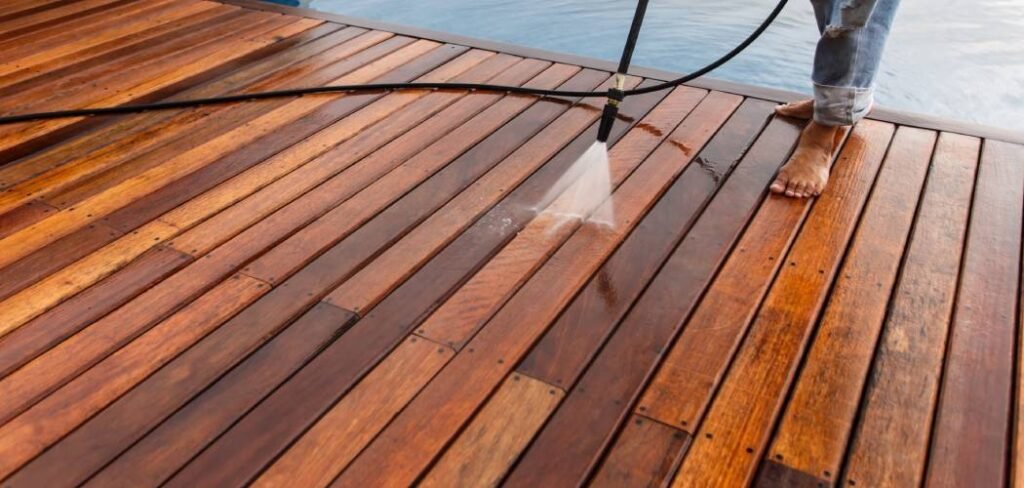
However, “low-maintenance” doesn’t mean “no-maintenance.” To keep your deck looking its best and protect your investment, a regular cleaning routine is essential. This guide will walk you through the simple process of how to clean a Trex deck, removing dirt, grime, and mold to restore its original beauty. With just a few basic tools and a little bit of effort, you can ensure your outdoor living area remains a pristine and inviting retreat for years to come.
Why a Clean Deck Matters
Keeping your composite deck clean goes beyond simple aesthetics. While Trex decking is designed for durability, surface contaminants like pollen, dirt, and leaf debris can accumulate. If left unattended, this organic matter can create a feeding ground for mold and mildew, leading to unsightly black or green spots on your deck’s surface. Regular cleaning not only prevents this buildup but also helps maintain the deck’s slip resistance and preserves its vibrant color. A clean deck is a safe deck, ensuring you and your family can enjoy your outdoor space without worry.
7 Step-by-Step Guide on How to Clean a Trex Deck
Step 1: Gather Your Cleaning Supplies
Before you begin, assemble all the necessary tools and materials. You will need a soft-bristle brush, a bucket, warm water, and a gentle soap, such as dish soap. Avoid using abrasive tools like metal shovels or stiff wire brushes, as these can scratch and permanently damage the composite surface.
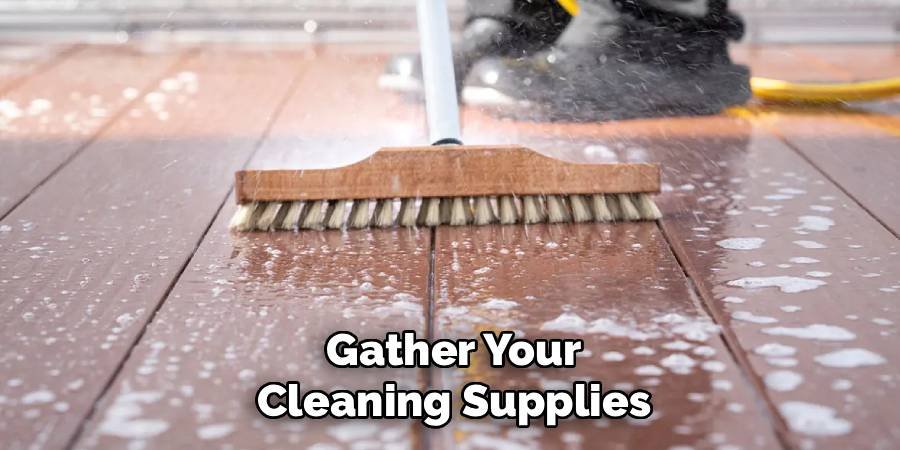
You will also want a garden hose with a standard spray nozzle. For tougher stains like grease or oil, have a commercial deck cleaner specifically formulated for composite materials on hand. Having everything ready will make the entire process smoother and more efficient.
Step 2: Clear and Sweep the Deck Surface
The first active step is to completely clear your deck of all furniture, planters, grills, and decorative items. This gives you unobstructed access to the entire surface area. Once the deck is empty, use a broom to sweep away all loose debris. Pay close attention to corners, the spaces between boards, and areas around railings where leaves, dirt, and pine needles tend to collect. A thorough sweep is crucial because it removes larger particles that could otherwise turn into abrasive sludge when you add water, potentially scratching the deck during scrubbing.
Step 3: Rinse the Deck with a Hose
With the loose debris gone, it’s time to give the entire deck a preliminary rinse. Using a garden hose with a fan-tip nozzle, spray down the surface to wash away any remaining dust and dirt. This initial rinse also helps to dampen the deck, which prepares it for the soap application and prevents the cleaning solution from drying out too quickly, especially on a warm day. Work from the side of your house outward to guide the water and debris away from your home’s foundation. This step ensures you are starting your deep clean with a well-prepped surface.
Step 4: Prepare and Apply the Soapy Solution
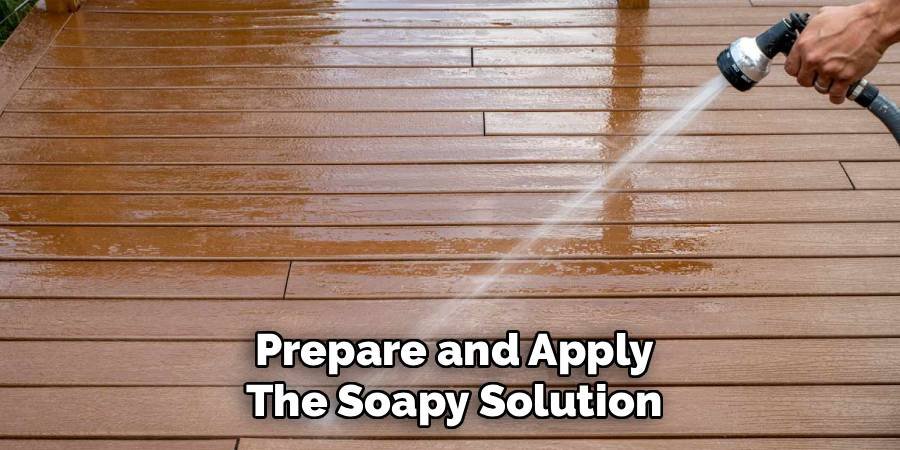
Now, prepare your cleaning solution. Fill a bucket with warm water and add a small amount of mild dish soap, following a ratio of about one-quarter cup of soap per gallon of water. Mix until the solution is sudsy. Using a deck sprayer or simply pouring from the bucket, apply the soapy water generously to a manageable section of the deck. It is best to work in smaller, controllable areas (e.g., a 5×5 foot section) to prevent the soap from drying on the surface before you have a chance to scrub it in properly.
Step 5: Scrub the Deck with a Soft-Bristle Brush
Immediately after applying the soapy solution, begin scrubbing the wet section with your soft-bristle brush. Apply gentle but firm pressure, moving the brush in the direction of the grain of the composite boards. This motion helps to dislodge dirt and grime from the texture of the deck without causing scratches. Pay extra attention to any high-traffic areas or spots with visible stains. The combination of warm, soapy water and the gentle agitation from the brush will effectively lift most common types of dirt and mildew buildup from the surface.
Step 6: How to Clean a Trex Deck’s Stubborn Stains
For stains that remain after the initial scrub, you may need a more targeted approach. Grease and oil stains from food spills can often be removed by applying a commercial degreaser designed for composite decking. For mold and mildew, a cleaner specifically formulated to combat them will be most effective. Always follow the manufacturer’s instructions for any specialized cleaning product. Apply the cleaner directly to the stain, let it sit for the recommended time, and then scrub gently with your soft-bristle brush before rinsing thoroughly. Never use a pressure washer on these spots, as it can damage the material.
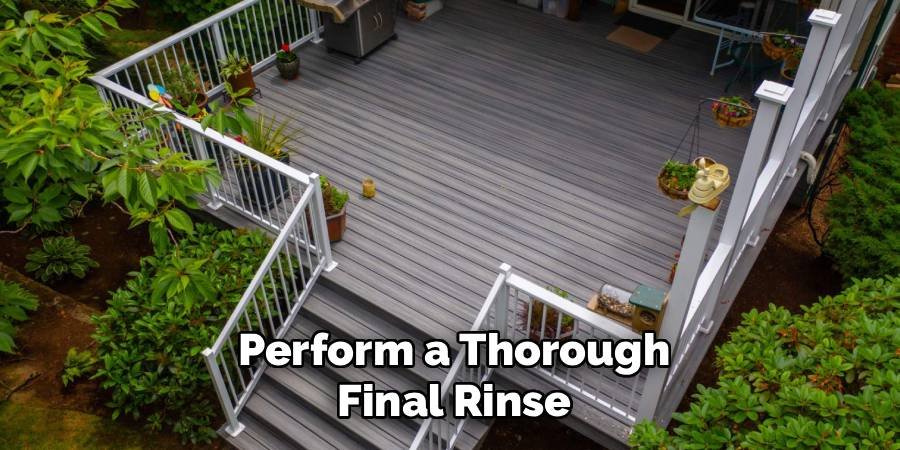
Step 7: Perform a Thorough Final Rinse
Once you have scrubbed the entire deck in sections, it is time for the final rinse. This is a critical step in learning how to clean a Trex deck properly. Using your garden hose, thoroughly rinse away all soap residue and loosened grime. Any soap left behind can create a slippery film or attract more dirt, so be meticulous. Start at the end of the deck closest to your house and work your way outward, ensuring all the suds and debris are washed completely off the edge of the deck and away from your foundation.
Allow the Deck to Air Dry Completely
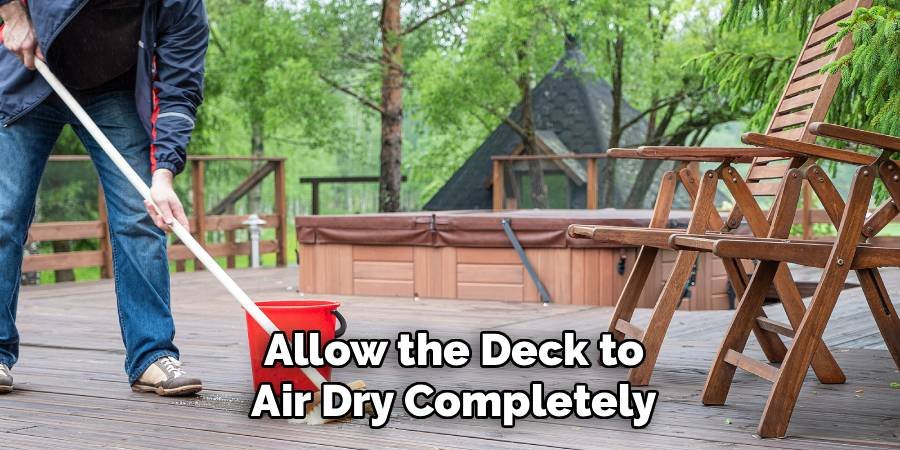
After the final rinse, the only thing left to do is wait. Allow the deck to air dry completely before moving any furniture or accessories back into place. Walking on a wet deck can track new dirt onto the clean surface, undoing all your hard work. Depending on the weather, this could take a few hours to a full day. A completely dry deck will showcase the true results of your cleaning efforts, revealing a bright, refreshed, and beautiful outdoor living space ready for you to enjoy.
Frequently Asked Questions
Can I Use a Pressure Washer on My Trex Deck?
While it may seem like a quick solution, using a pressure washer on a Trex deck is generally not recommended. The high-pressure stream can damage the protective shell of the composite boards, leading to scratches, gouges, and discoloration. If you must use one, ensure it is set to a low pressure—under 3100 psi—and use a fan-tip nozzle held at least 8-10 inches from the surface. However, the safest and most effective method remains a soft-bristle brush and soapy water.
What Is the Best Cleaner for a Trex Deck?
For routine cleaning, the best and safest cleaner is a simple mixture of mild dish soap and warm water. This solution is gentle on the composite material but effective at removing common dirt and grime. For more difficult issues like mold, mildew, or grease, it is best to use a commercial cleaner specifically formulated for composite decks. Always check the product label to ensure it is safe for your type of decking and avoid harsh chemicals like bleach, which can discolor the surface.
How Do I Remove Mold and Mildew from My Composite Deck?
To remove mold and mildew, start by cleaning the area with soap and water. If the stains persist, use a commercial composite deck cleaner that contains a mold inhibitor. Follow these steps:
- Apply the cleaner according to the product instructions.
- Gently scrub the affected area with a soft-bristle brush.
- Rinse thoroughly with a garden hose.
Proper ventilation and regular cleaning to remove organic debris (like leaves and pollen) are the best ways to prevent mold from returning.
How Often Should I Clean My Trex Deck?
It is recommended to clean your Trex deck at least twice a year, typically in the spring and fall. A spring cleaning helps remove the grime accumulated over the winter, preparing the deck for summer use. A fall cleaning clears away leaves, pollen, and other debris before winter sets in, which helps prevent mold and mildew growth. You may need to perform spot-cleanings more often, especially after spills or in areas with heavy foot traffic, to keep the deck looking its best.
Can I Use Bleach on My Trex Deck?
No, you should not use chlorine bleach or any cleaners containing bleach on your Trex deck. Bleach is a harsh chemical that can strip the color from the composite material, leaving permanent light spots and blotches. It can also damage the protective outer shell of the deck boards. Stick to gentle, pH-neutral cleaners like dish soap or products that are specifically approved for use on composite decking to avoid causing irreversible damage to your investment.
Conclusion
Maintaining the beauty of your outdoor living space is straightforward and rewarding. By following this guide, you now have the knowledge and confidence to tackle the job effectively. A simple routine involving a soft brush, mild soap, and a bit of effort is all it takes to remove dirt and prevent mildew, ensuring your deck remains a stunning centerpiece of your home. Taking the time to properly care for your investment pays off in longevity and enjoyment. Now that you know how to clean a Trex deck, you can look forward to many seasons of relaxation on a spotless, inviting surface.

About
Jovie Mathews is a backyard and outdoor expert writer with over 12 years of hands-on experience transforming neglected outdoor spaces into thriving gardens and functional retreats. Raised in a family where weekends meant digging in the soil and building raised beds from scratch, Jovie developed a genuine love for the outdoors long before it became a career.
She writes with a practical, no-fluff approach — always testing ideas in her own backyard before sharing them with readers. From composting systems and native plant selection to patio design and pest control, Jovie covers the full spectrum of backyard life with equal parts expertise and enthusiasm.
Education
B.Sc. in Horticulture Science
University of Florida (UF) · Gainesville, FL · 2014
IFAS College of Agricultural and Life Sciences
Minor in Environmental Studies
University of Florida (UF) · Gainesville, FL · 2014
College of Liberal Arts and Sciences
Areas of expertise
- Lawn & Garden Care
- Soil prep, planting, seasonal care
- Outdoor DIY Projects
- Raised beds, fencing, pathways
- Composting & Soil Health
- Organic methods, amendments
- Native Plants & Wildlife
- Pollinators, habitat gardening
When she is not writing, Jovie can be found testing new composting techniques, growing tomatoes in questionable quantities, or convincing her neighbors that clover lawns are actually a great idea. She currently gardens in the Pacific Northwest.