
As urban areas expand into natural habitats, encounters with wildlife like coyotes are becoming more common. While these animals are a vital part of the ecosystem, their presence in residential neighborhoods can pose risks to pets and create unease for homeowners.
Fortunately, there are effective strategies you can implement to discourage them from seeing your property as a welcoming space. This guide will provide clear, actionable steps on how to coyote proof your yard, ensuring the safety of your pets and family while promoting a peaceful coexistence with local wildlife.
Understanding how to make your yard less attractive to coyotes is crucial for several reasons. The most significant concern for many homeowners is the safety of their pets. Small dogs and cats can be seen as prey by coyotes, and even larger dogs can be at risk during a confrontation.

Securing your yard helps prevent these tragic encounters. Beyond pet safety, coyote-proofing your property discourages these animals from becoming habituated to humans.
When coyotes lose their natural fear of people, they are more likely to approach homes, which can lead to conflicts. By removing attractants and creating barriers, you are practicing responsible wildlife stewardship, protecting both your household and the animals themselves.
Step-by-Step Guide use the main keyword
This section offers a detailed, practical approach to securing your property from coyotes. By implementing a combination of physical barriers, deterrents, and habit modifications, you can significantly reduce the likelihood of a coyote visit.
Each step is designed to be straightforward and effective, empowering you to take control of your outdoor space. Following this guide is the most effective way to learn how to coyote proof your yard and create a safer environment for everyone.
Step 1: Remove All Food Attractants
The primary reason coyotes enter a yard is the search for an easy meal. Your first and most important step is to conduct a thorough audit of your property and remove all potential food sources. This means securing trash and compost bins with tight-fitting or locking lids, as coyotes are skilled scavengers.
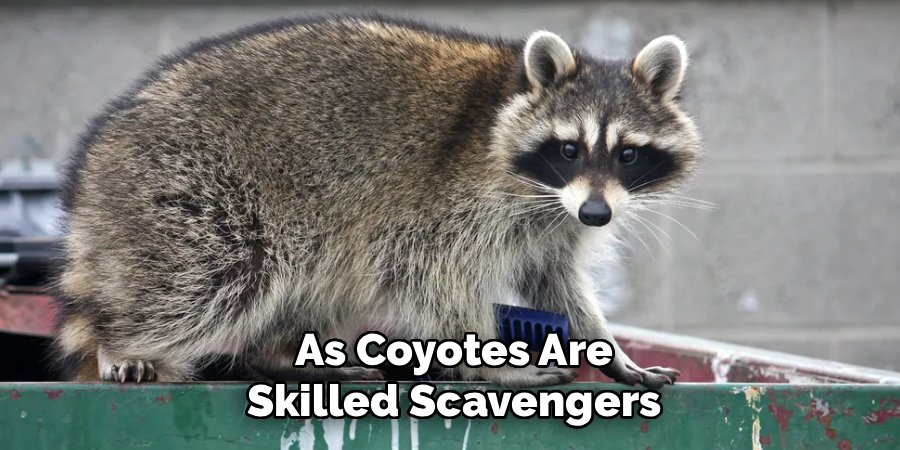
Bring pet food and water bowls inside, especially overnight. Clean up fallen fruit from trees and any birdseed spilled from feeders, as these items also attract rodents, which are a primary food source for coyotes. Diligence in eliminating these temptations is fundamental to making your yard uninteresting.
Step 2: Install Effective Fencing
A physical barrier is one of the most effective deterrents. A standard fence alone is often not enough, as coyotes are excellent jumpers and diggers. For maximum effectiveness, your fence should be at least six feet tall.
To prevent coyotes from climbing over, you can install a “coyote roller,” which is a rolling bar that sits on top of the fence and prevents them from getting a foothold.
To stop them from digging underneath, bury the fence line at least 12 inches deep or install an L-shaped mesh apron extending outward from the base of the fence along the ground.
Step 3: Clear Away Brush and Hiding Spots
Coyotes are naturally cautious and prefer to move through areas that offer cover. An overgrown yard with dense shrubbery, tall weeds, and woodpiles provides perfect hiding spots and travel corridors for them. Take the time to clear out dense vegetation, especially around the perimeter of your yard and under decks or porches.

Keep your lawn mowed and trim the lower branches of trees and large shrubs. By creating an open, visible landscape, you make your yard feel exposed and unsafe for a coyote, encouraging it to stay away.
Step 4: Utilize Lights and Motion-Activated Devices
Coyotes are typically most active from dusk until dawn and prefer to operate under the cover of darkness. Introducing light can be a powerful deterrent.
Installing motion-activated floodlights around your property, particularly in areas where you’ve seen activity or near potential entry points, can startle and scare off an approaching coyote.
These sudden bursts of light create an unpredictable and uncomfortable environment, signaling to the animal that your yard is not a safe place to explore. This simple, automated solution works around the clock to help protect your space.
Step 5: Incorporate Sound and Smell Deterrents
In addition to visual deterrents, you can use sound and smell to make your yard less appealing. Motion-activated sprinklers can surprise a coyote with a sudden spray of water, which is startling but harmless. You can also create a “hazing” effect by making loud noises with pots and pans, an air horn, or a whistle whenever you see a coyote.
This reinforces their natural fear of humans. Some people have success with smell-based deterrents, such as rags soaked in ammonia or vinegar placed around the yard, as the strong scents can be unpleasant to a coyote’s sensitive nose.
Step 6: Supervise Pets at All Times
Even with a secured yard, it is never completely safe to leave small pets unattended, especially during the early morning and evening hours when coyotes are most active. Always accompany your pets outside for bathroom breaks. Keep your dog on a short leash and be aware of your surroundings.
For cats, the safest option is to keep them indoors at all times. This constant supervision is the most reliable way to prevent a direct and potentially tragic encounter between a pet and a predator. It’s a critical habit to adopt in areas with a known coyote population.
Step 7: Practice Community-Wide Awareness
Your efforts to secure your yard are most effective when your neighbors are doing the same. Coyotes do not recognize property lines, and an attractant in a neighbor’s yard can bring them into the general area. Talk to your neighbors about the importance of securing trash, removing food sources, and supervising pets.

A community-wide effort creates a larger, less hospitable territory for coyotes, encouraging them to stay in their natural habitats. By working together, the entire neighborhood becomes a safer place for both people and pets.
Common Mistakes to Avoid
One of the most common mistakes is unintentionally feeding coyotes. Leaving pet food outside or having unsecured garbage cans provides a reliable food source, teaching them to return. Another error is assuming a standard four-foot chain-link fence is sufficient. Coyotes can easily jump or climb such fences.
A significant mistake is allowing a coyote to feel comfortable in your yard. If you see one, you should actively “haze” it by making loud noises and appearing large and aggressive.
Passivity teaches the coyote that humans are not a threat. Finally, many people neglect to secure the space under decks and porches, which provides ideal denning sites. Always block off these areas with sturdy wire mesh to prevent coyotes from moving in.
Frequently Asked Questions (FAQ)
Will A Dog In The Yard Keep Coyotes Away?
While a large, barking dog can be a deterrent, it is not a foolproof solution. Coyotes are intelligent and may test the dog’s boundaries or, in some cases, view a smaller dog as prey. Multiple coyotes may work together to lure a dog away. Never rely solely on your dog to protect your property and always supervise them when outside.
What Time Of Day Are Coyotes Most Active?
Coyotes are most active during twilight hours—from dusk until dawn. This is when they typically hunt and travel.
However, in urban environments where they have become more accustomed to human activity, it is not uncommon to see them during the daytime, especially if there is a readily available food source or a den nearby that they are protecting.
Are There Any Plants That Deter Coyotes?
There is no scientific evidence to suggest that any specific plants will reliably deter coyotes. While some aromatic plants are thought to repel certain animals, coyotes are highly adaptable predators.
The best approach is to focus on landscape management by clearing dense brush and thorny bushes that provide them with cover, rather than trying to find a “repellent” plant.
Do Coyote Rollers Actually Work On Fences?
Yes, coyote rollers can be very effective. These devices are designed to spin when an animal tries to get a grip on top of a fence, making it impossible for them to pull themselves over. For a coyote that relies on climbing to breach a barrier, a properly installed roller system on a fence of adequate height is an excellent deterrent.
Should I Report A Coyote Sighting In My Neighborhood?
Generally, a single sighting of a coyote passing through is not cause for alarm and does not need to be reported.
However, if you see a coyote that appears sick, injured, or is behaving aggressively and showing no fear of humans, you should contact your local animal control or wildlife services. This is a crucial part of learning how to coyote proof your yard.
Conclusion
Securing your yard against coyotes is an ongoing commitment that involves multiple layers of protection. From removing simple attractants like pet food to installing proper fencing and practicing active hazing, each step plays a role in making your property an uninviting target.
By being proactive and consistent, you can protect your pets, ensure your family’s peace of mind, and foster a healthy boundary between your home and local wildlife. Armed with this knowledge, you are well-equipped with a strategy on how to coyote proof your yard for a safer, more secure environment.

About
Jovie Mathews is a backyard and outdoor expert writer with over 12 years of hands-on experience transforming neglected outdoor spaces into thriving gardens and functional retreats. Raised in a family where weekends meant digging in the soil and building raised beds from scratch, Jovie developed a genuine love for the outdoors long before it became a career.
She writes with a practical, no-fluff approach — always testing ideas in her own backyard before sharing them with readers. From composting systems and native plant selection to patio design and pest control, Jovie covers the full spectrum of backyard life with equal parts expertise and enthusiasm.
Education
B.Sc. in Horticulture Science
University of Florida (UF) · Gainesville, FL · 2014
IFAS College of Agricultural and Life Sciences
Minor in Environmental Studies
University of Florida (UF) · Gainesville, FL · 2014
College of Liberal Arts and Sciences
Areas of expertise
- Lawn & Garden Care
- Soil prep, planting, seasonal care
- Outdoor DIY Projects
- Raised beds, fencing, pathways
- Composting & Soil Health
- Organic methods, amendments
- Native Plants & Wildlife
- Pollinators, habitat gardening
When she is not writing, Jovie can be found testing new composting techniques, growing tomatoes in questionable quantities, or convincing her neighbors that clover lawns are actually a great idea. She currently gardens in the Pacific Northwest.