
Finding unwanted surprises from a neighbor’s dog on your lawn is a frustrating experience for any homeowner. You take pride in your yard, and repeatedly cleaning up after someone else’s pet is unpleasant and unsanitary. Not only is dog waste a nuisance, but it can also damage your grass and pose health risks to your family and pets.
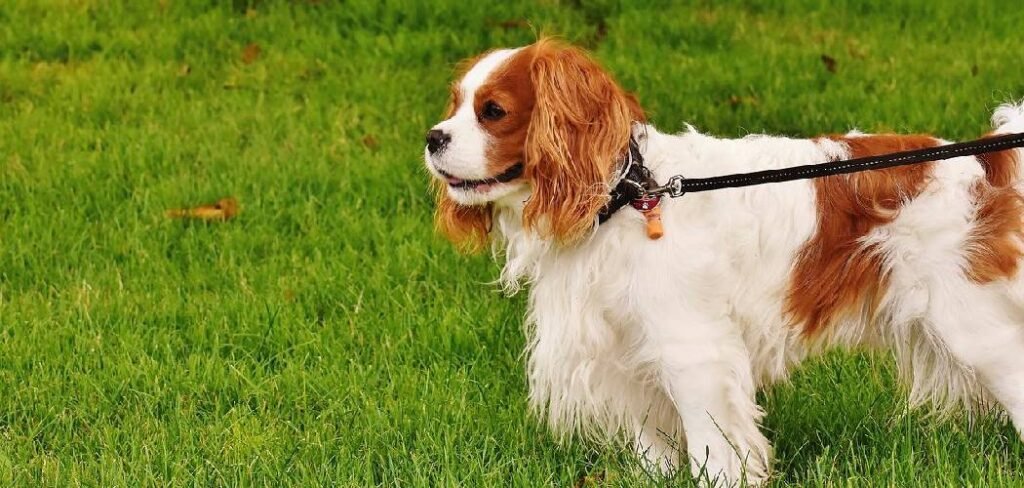
This guide is designed to provide you with effective, humane, and neighborly solutions. We will walk you through a series of practical steps that address the issue at its source. Learning how to stop neighbors dog from pooping in my yard is about reclaiming your outdoor space and restoring peace in your neighborhood.
Why This is a Common Homeowner Concern
Dealing with a neighbor’s dog leaving messes in your yard is more than just a minor annoyance; it’s a matter of property respect, hygiene, and neighborhood harmony. For home gardeners, dog waste can introduce harmful bacteria and parasites into the soil, contaminating vegetables and ornamental plants.
Families with young children worry about the health risks associated with kids playing in a yard where animal feces are present. The nitrogen in dog urine can also cause “lawn burn,” creating yellow, dead patches in your carefully maintained grass. Addressing this problem promptly and effectively helps maintain the beauty and safety of your property while preventing potential conflicts with your neighbors.
8 Step-by-Step Guide on How To Stop Neighbors Dog From Pooping in My Yard
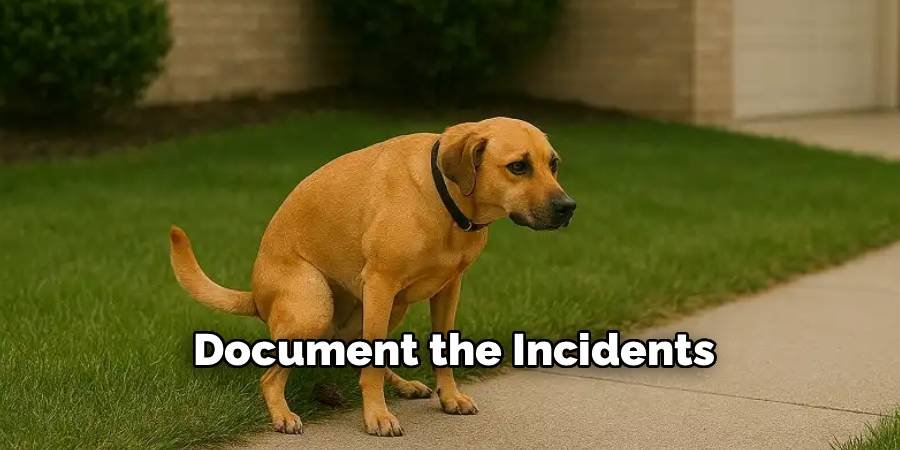
Step 1: Document the Incidents
Before taking any action, it’s wise to gather clear evidence of the problem. Use your phone to take time-stamped photos or videos of the dog on your property. Make a simple log of the dates and times you find waste or see the dog in your yard. This documentation isn’t for confrontation but for your own records. It helps you understand the frequency of the issue and provides objective proof if the situation escalates. Having a clear pattern of occurrences will be invaluable if you need to have a more serious conversation or involve a homeowners association later on.
Step 2: Have a Friendly Conversation with Your Neighbor
The most effective and simplest solution often starts with a polite conversation. Your neighbor may be completely unaware of their dog’s behavior. Choose a calm, neutral time to approach them. Avoid being accusatory. You could start by saying something like, “Hi, I’m not sure if you’re aware, but I’ve noticed your dog has been visiting my yard and leaving some messes behind.” A friendly, non-confrontational tone makes it easier for your neighbor to be receptive. This simple act of communication can often resolve the problem immediately, fostering goodwill instead of creating a dispute.
Step 3: Use Commercial Dog Repellents
If a friendly chat doesn’t solve the issue, your next step is to make your yard less appealing to the dog. Commercial dog repellents are available in both granular and liquid spray forms. These products use scents that are unpleasant to dogs but generally unnoticeable to humans. Common ingredients include citronella, pepper, or bitter apple. Apply the repellent along the perimeter of your yard and in specific areas where the dog frequently defecates. Be sure to follow the manufacturer’s instructions for application and reapplication, as rain and time can diminish their effectiveness.
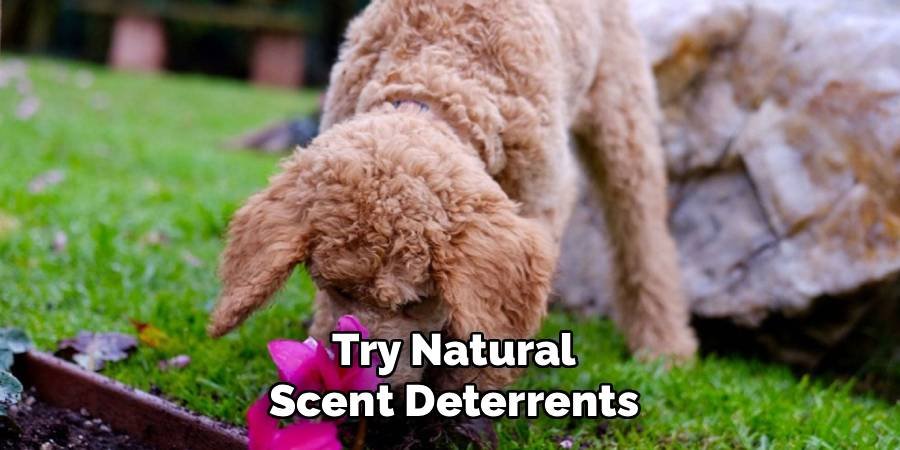
Step 4: Try Natural Scent Deterrents
For a more natural approach, you can create your own deterrents using scents that dogs dislike. Many common household items can be effective. A mixture of vinegar and water sprayed along the edges of your property can be a powerful deterrent, though it needs to be reapplied regularly. Citrus peels, such as orange, lemon, or grapefruit, scattered around the yard are another great option, as most dogs find the smell of citrus unpleasant. Planting certain herbs and flowers like lavender, citronella grass, or marigolds around your garden beds can also create a natural scent barrier that discourages canine visitors.
Step 5: Install Motion-Activated Sprinklers
A motion-activated sprinkler is a highly effective and harmless way to deter dogs. These devices connect to your garden hose and use an infrared sensor to detect movement. When an animal walks into its range, the sprinkler shoots a short, surprising burst of water. The sudden spray is startling but completely safe, quickly teaching the dog that your yard is not a comfortable place to linger. This method works 24/7 and doesn’t rely on scents or chemicals, making it a reliable tool in your strategy for how to stop neighbors dog from pooping in my yard.
Step 6: Use Ultrasonic Repellent Devices
Similar to sprinklers, ultrasonic repellent devices use motion sensors to detect animals. Instead of water, these gadgets emit a high-frequency sound that is inaudible and harmless to humans but annoying to dogs, cats, and other wildlife. When the dog approaches, the sound activates, encouraging it to leave the area. Most devices are solar-powered and weather-resistant, making them a low-maintenance solution. Place them strategically, pointing toward the common entry points or problem areas in your yard. This provides a silent, constant deterrent that conditions the dog to stay away.
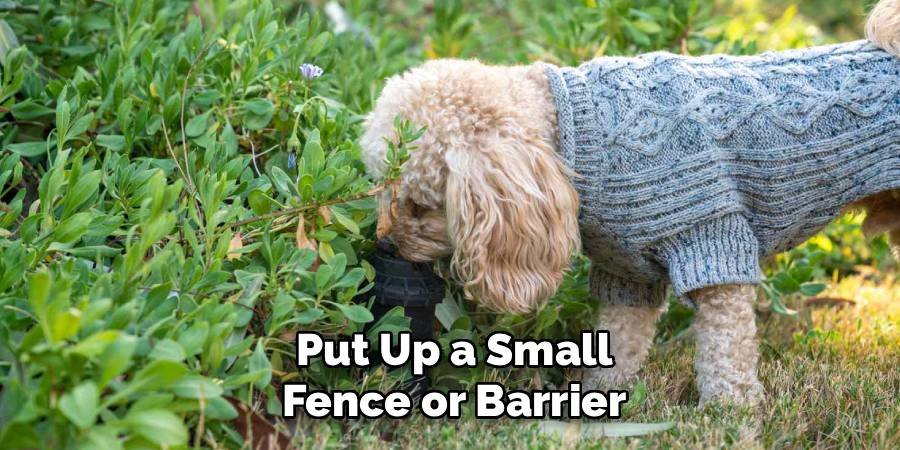
Step 7: Put Up a Small Fence or Barrier
If the dog continues to enter your property, a physical barrier may be necessary. This doesn’t have to be a large, expensive fence. A small, decorative garden fence or some strategically placed shrubs can be enough to block the dog’s path. Focus on the most common routes the dog takes to enter your yard. Even a low border can be a powerful psychological and physical deterrent. This method offers a more permanent solution and clearly defines your property line, which can be a key part of how to stop neighbors dog from pooping in my yard.
Step 8: Escalate to a Formal Letter or HOA
If you have tried everything and the problem persists, it may be time for a more formal approach. Write a polite but firm letter to your neighbor outlining the issue, the dates it has occurred, and the steps you have already taken. This creates a formal record of your efforts. If you live in a community with a Homeowners Association (HOA), review your community’s bylaws regarding pets. Most HOAs have rules about keeping pets on a leash and cleaning up after them. Reporting the issue to the HOA can lead to official warnings or fines for the pet owner.
Frequently Asked Questions
What Is the Most Effective Dog Poop Deterrent?
The most effective deterrent often depends on the specific dog and situation. However, motion-activated sprinklers are widely considered one of the best options. They provide an immediate, harmless consequence that quickly teaches a dog to avoid the area. For a less hands-on approach, commercial repellents with strong scents or ultrasonic devices also work very well by creating an unpleasant environment that dogs naturally want to stay away from.
Is It Legal to Put Up Barriers to Stop a Neighbor’s Dog?
Yes, it is generally legal for you to install fences, small barriers, or other deterrents on your own property. You have the right to protect your yard from unwanted entry. However, before installing a large fence, it is important to check local ordinances and any HOA regulations regarding fence height, materials, and placement. Simple solutions like small garden fences or decorative borders are typically not an issue.
Will Dog Repellent Spray Harm My Lawn or Plants?
Most commercial dog repellents are specifically formulated to be safe for lawns, plants, and gardens when used as directed. Many are made from natural ingredients like essential oils. Always read the product label carefully before application to ensure it is safe for the types of plants you have. Similarly, homemade solutions like a diluted vinegar spray are generally safe for grass but should be used with caution around delicate flowers.
How Do I Talk to My Neighbor Without Causing a Conflict?
The key is to approach the conversation with a friendly, non-confrontational attitude. Assume they are unaware of the problem.
- Choose a calm and private moment to talk.
- Use “I” statements, such as “I’ve been finding dog waste in my yard,” instead of “Your dog is making a mess.”
- Keep the tone light and focus on finding a solution together. A collaborative approach is less likely to put your neighbor on the defensive.
What If My Neighbor Becomes Hostile?
If your neighbor reacts poorly or denies responsibility despite your polite attempts to resolve the issue, do not engage in an argument. Disengage from the conversation and focus on non-confrontational methods like repellents and barriers. Keep documenting the incidents. If the behavior continues, your next step is to send a formal written notice or contact your HOA or local animal control services, providing them with the evidence you have collected.
Conclusion
Reclaiming your yard from a neighbor’s dog requires a mix of patience, communication, and practical action. By starting with a friendly conversation and progressively moving toward deterrents like repellents, sprinklers, or physical barriers, you can resolve the issue effectively. The goal is to create a clean, safe space for you and your family to enjoy without creating lasting tension in your neighborhood. Following these steps will help you successfully figure out how to stop neighbors dog from pooping in my yard and restore peace and cleanliness to your property.
Read More :
- How to Keep Outside Dogs Cool
- How to Clean Patio Door Tracks
- How to Clean Brick Pavers
- How to Fix Patio Door Blinds

About
Jovie Mathews is a backyard and outdoor expert writer with over 12 years of hands-on experience transforming neglected outdoor spaces into thriving gardens and functional retreats. Raised in a family where weekends meant digging in the soil and building raised beds from scratch, Jovie developed a genuine love for the outdoors long before it became a career.
She writes with a practical, no-fluff approach — always testing ideas in her own backyard before sharing them with readers. From composting systems and native plant selection to patio design and pest control, Jovie covers the full spectrum of backyard life with equal parts expertise and enthusiasm.
Education
B.Sc. in Horticulture Science
University of Florida (UF) · Gainesville, FL · 2014
IFAS College of Agricultural and Life Sciences
Minor in Environmental Studies
University of Florida (UF) · Gainesville, FL · 2014
College of Liberal Arts and Sciences
Areas of expertise
- Lawn & Garden Care
- Soil prep, planting, seasonal care
- Outdoor DIY Projects
- Raised beds, fencing, pathways
- Composting & Soil Health
- Organic methods, amendments
- Native Plants & Wildlife
- Pollinators, habitat gardening
When she is not writing, Jovie can be found testing new composting techniques, growing tomatoes in questionable quantities, or convincing her neighbors that clover lawns are actually a great idea. She currently gardens in the Pacific Northwest.