
Every homeowner dreams of a lush, green lawn where children play and pets roam freely. However, heavy rains or poor drainage can quickly turn that dream into a squishy, brown nightmare. A soggy lawn isn’t just an eyesore; it’s a functional hazard that leads to ruined shoes, dirty floors, and even potential foundation issues for your home. If you find yourself dreading the rain because you know your backyard will transform into a wetland, you are not alone.
The good news is that you don’t have to live with a swamp forever. There are practical, accessible solutions ranging from quick fixes to long-term landscaping projects that can restore your property’s health. Whether you are battling clay soil, bad grading, or simple overuse, this guide will walk you through exactly how to deal with a muddy yard, providing the tools and knowledge you need to dry out your landscape and enjoy your outdoor space once again.
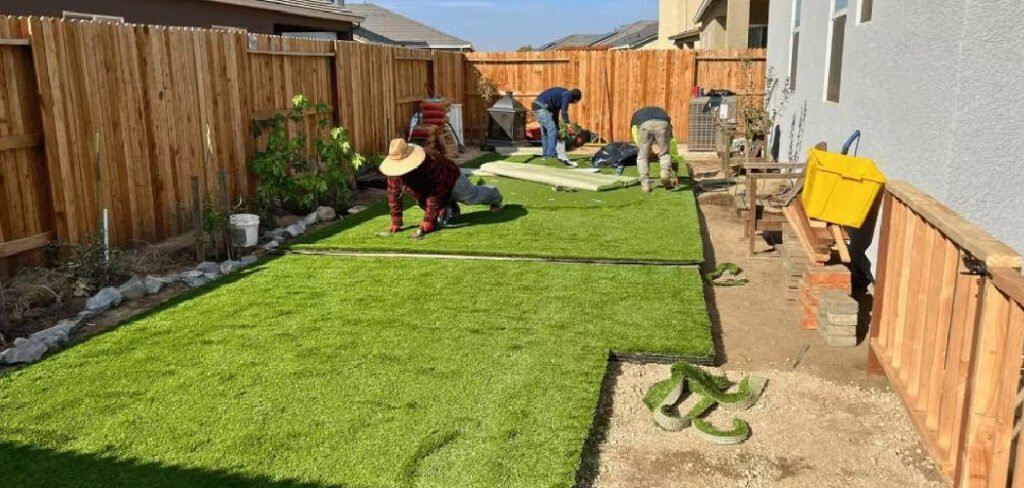
If you are facing a muddy yard, there are several quick fixes that can help alleviate the problem. The first step is to identify the source of the water. Is it coming from a leaky pipe or faucet? Is it due to poor drainage in your yard or neighborhood? Once you have identified the source, you can take action to address it.
7 Step-by-Step Guide on How to Deal with a Muddy Yard
Step 1: Diagnose the Root Cause of the Moisture
Before you can effectively fix the swamp in your backyard, you need to understand exactly where the water is coming from and why it is staying there. Grab an umbrella during the next heavy rainstorm and head outside to observe the flow of water. Is it pooling in low spots because the ground is uneven? Is water cascading off your roof gutters and flooding a specific area? Perhaps you have dense clay soil that simply refuses to absorb moisture. Identifying whether the issue is poor drainage, soil composition, or runoff volume is the critical first step. By pinpointing the specific source, you avoid wasting money on solutions that won’t work for your unique situation.
Step 2: Improve Downspout Drainage and Runoff
A surprising number of muddy yard issues are caused not by the ground itself, but by how roof water is managed. If your downspouts are dumping hundreds of gallons of water directly next to your foundation or into a single patch of grass, that area will inevitably turn to sludge. The solution involves extending your downspouts to direct water further away from high-traffic zones.
You can install rigid or flexible plastic extenders that carry the water at least four to six feet away from the house. For a more permanent solution, consider burying a PVC pipe to channel this runoff to a storm drain or a rain garden. Managing this flow is often the most cost-effective method when learning how to deal with a muddy yard permanently.
Step 3: Aerate the Soil to Reduce Compaction
Over time, the soil in your yard can become densely packed, especially in areas where kids play or dogs run. This compaction squeezes out the tiny air pockets between soil particles, making it impossible for water to filter down into the ground. Instead, the water sits on top, creating a slick, muddy mess.
Core aeration is the process of mechanically removing small plugs of soil from the lawn, which instantly relieves this pressure. You can rent a core aerator machine for a day or hire a professional service. By opening up the earth, you allow air and water to penetrate deeper into the root zone, significantly improving drainage and grass health.
Step 4: Amend the Soil with Organic Matter
If your soil is heavy in clay, simply aerating might not be enough because clay naturally holds onto water tightly. To fix this structural problem, you need to change the composition of the dirt itself. After aerating, topdress your lawn with a layer of organic compost, peat moss, or coarse sand. Use a rake to spread this material evenly, working it into the aeration holes you just created.
Over time, this organic matter breaks down and mixes with the clay, creating a loamy texture that drains much better. This is a biological approach to fixing the issue, focusing on long-term soil health rather than just surface-level symptoms.
Step 5: Install a French Drain
For persistent low spots where water naturally collects and refuses to leave, a French drain is often the gold standard solution. This involves digging a trench through the problem area that slopes away toward a suitable exit point, like a ditch or street drain. You then line the trench with landscape fabric, place a perforated pipe at the bottom, and cover it with gravel.
The gravel allows surface water to percolate down easily into the pipe, which then whisks it away underground. While this step requires more labor than others, it is incredibly effective for moving large volumes of standing water and drying out chronically wet zones.
Step 6: Plant Water-Loving Vegetation
Sometimes fighting nature is harder than working with it. If you have a section of the yard that is constantly wet despite your best efforts, consider converting it into a rain garden. Certain plants thrive in “wet feet” conditions and can act as natural sponges, soaking up excess moisture more efficiently than standard turf grass. Look for native species like dogwood, willow shrubs, ferns, or marsh marigolds. By planting these in the wettest parts of your landscape, you turn a problem area into a beautiful, low-maintenance feature. This biological solution not only helps manage the water but also creates habitat for local pollinators and birds.
Step 7: Create Hardscape Paths or Coverings
High-traffic pathways are often the first places to turn muddy because the grass gets trampled and dies, leaving bare dirt exposed to the rain. If you have a path that always gets messy, stop trying to grow grass there. Instead, cover the mud with a permeable hardscape solution. Laying down a thick layer of wood chips, river rock, or gravel creates a clean, dry walking surface that keeps your shoes mud-free. For a more finished look, you can install stepping stones or a paver walkway. This doesn’t just cover the mud; it prevents the soil compaction that causes it, offering a practical and aesthetic upgrade to your landscape design.
Frequently Asked Questions (FAQ)
Will Adding Sand to Clay Soil Fix the Mud?
Adding sand directly to clay soil can actually make the problem worse if done incorrectly. When you mix fine sand with heavy clay, you risk creating a substance similar to concrete, which is even harder for water to penetrate. Instead of just sand, focus on adding organic matter like compost, shredded leaves, or gypsum. If you do use sand, it must be very coarse (horticultural sand) and mixed with a significant amount of compost to effectively improve drainage.
What Is the Fastest Way to Dry Up a Muddy Yard?
If you need an immediate temporary fix, spreading a thick layer of straw, wood chips, or kitty litter over the mud can make it walkable.
- Straw: Good for large areas but can be messy to clean up.
- Wood Chips: Excellent for paths and looks natural.
- Kitty Litter: Absorbs moisture quickly but can turn into a sludge if used in excess.
For a slightly more permanent quick fix, cover the area with specialized rubber mats or mud control grids that float on top of the soil.
Can Overseeding Help with a Muddy Lawn?
Yes, a thick, healthy root system is one of the best defenses against mud. Grass roots act like thousands of tiny channels that guide water into the soil. If your lawn is thin or patchy, overseeding with a grass variety suited to your climate and drainage conditions (like tall fescue) can help stabilize the soil. The grass blades also act as a buffer, preventing rain from hitting the dirt directly and turning it to mud.
How Much Does It Cost to Install a French Drain?
The cost varies wildly depending on whether you do it yourself or hire a pro.
- DIY: You might spend between $200 and $500 on materials (pipe, gravel, fabric) and tool rental, plus a weekend of hard labor.
- Professional Installation: Expect to pay between $20 and $30 per linear foot. For a typical backyard project, this often totals between $1,000 and $3,500 depending on the length and complexity of the drain.
Why Does My Dog’s Path Always Get Muddy?
Dogs tend to run the exact same routes (“fence running” or patrolling), which compacts the soil severely and kills the grass. Once the grass is gone, nothing stops the rain from turning that dirt path into a mud slick. To fix this, you often need to reinforce that specific path. Installing a “dog run” using pea gravel, artificial turf, or reinforced grass pavers allows your pet to patrol without destroying the landscape or tracking mud back into the house.
Conclusion
Living with a swampy backyard is frustrating, but it is rarely a permanent sentence. Whether your solution lies in redirecting a few downspouts, amending your soil with rich compost, or committing to the installation of a drainage system, you have the power to reclaim your turf.
The key is to be patient and systematic; start with the easiest drainage fixes first before moving on to major excavations. Remember that a dry yard is a healthy yard, promoting better plant growth and fewer pests like mosquitoes. By taking action today using the steps we have outlined, you now know how to deal with a muddy yard and can look forward to a cleaner, greener, and more usable outdoor space for years to come.

About
Jovie Mathews is a backyard and outdoor expert writer with over 12 years of hands-on experience transforming neglected outdoor spaces into thriving gardens and functional retreats. Raised in a family where weekends meant digging in the soil and building raised beds from scratch, Jovie developed a genuine love for the outdoors long before it became a career.
She writes with a practical, no-fluff approach — always testing ideas in her own backyard before sharing them with readers. From composting systems and native plant selection to patio design and pest control, Jovie covers the full spectrum of backyard life with equal parts expertise and enthusiasm.
Education
B.Sc. in Horticulture Science
University of Florida (UF) · Gainesville, FL · 2014
IFAS College of Agricultural and Life Sciences
Minor in Environmental Studies
University of Florida (UF) · Gainesville, FL · 2014
College of Liberal Arts and Sciences
Areas of expertise
- Lawn & Garden Care
- Soil prep, planting, seasonal care
- Outdoor DIY Projects
- Raised beds, fencing, pathways
- Composting & Soil Health
- Organic methods, amendments
- Native Plants & Wildlife
- Pollinators, habitat gardening
When she is not writing, Jovie can be found testing new composting techniques, growing tomatoes in questionable quantities, or convincing her neighbors that clover lawns are actually a great idea. She currently gardens in the Pacific Northwest.