
Finding muddy paw prints, overturned planters, or scattering critters on your deck late at night is a frustrating experience for many homeowners. Raccoons are intelligent, persistent, and adaptable, making them formidable opponents when they decide your outdoor space is their new hangout spot.
Learning how to keep raccoons off my deck is essential for maintaining a clean, safe, and enjoyable backyard environment. These nocturnal visitors aren’t just a nuisance; they can cause significant damage and carry health risks.
This guide provides a comprehensive, beginner-friendly approach to reclaiming your territory. We will explore practical, humane, and effective strategies to deter these masked bandits, ensuring your deck remains a place for relaxation rather than a raccoon playground.
Why It Matters
Understanding why raccoon prevention is crucial goes beyond simply avoiding a mess. Raccoons are remarkably strong and dexterous, capable of tearing up deck boards, destroying outdoor furniture, and ripping through screens to access enclosed porches.
Their presence often leads to significant property damage that can be expensive to repair.
More importantly, raccoons are vectors for various diseases and parasites. Their droppings can contain roundworm eggs, which are dangerous to humans and pets, and they are known carriers of rabies and distemper.
Allowing them to frequent your deck increases the likelihood of dangerous encounters for your family and your pets. Furthermore, a deck often serves as a gateway to the rest of your home.
Once raccoons are comfortable on your deck, they may try to breach your attic, chimney, or crawlspaces in search of a nesting site. proactive prevention protects your home’s structural integrity and your family’s health.
Step-by-Step Guide: How to Keep Raccoons Off My Deck
This section outlines a proven strategy to deter raccoons effectively. By following these steps, you create an environment that is unwelcoming to them without causing harm.
Consistency is key, as raccoons are creatures of habit and will test your defenses. Each step addresses a different aspect of what attracts them to your property.
Step 1: Remove All Food Sources
The primary reason raccoons visit your deck is the promise of an easy meal. To stop them, you must ruthlessly eliminate every potential food source. This means never leaving pet food bowls outside overnight, as the smell is a powerful attractant. If you enjoy dining al fresco, ensure you clean up immediately after your meal.

Wipe down tables to remove crumbs and sauce spills, and sweep the deck floor thoroughly. Even the grease trap on your barbecue grill is a gourmet treat for a raccoon; clean it regularly or store the grill in a secured garage.
Bird feeders are another major draw; consider taking them in at night or installing trays to catch falling seeds so they don’t accumulate on the deck surface.
Step 2: Secure Your Garbage Cans
If you store trash cans on or near your deck, you are essentially inviting raccoons to a buffet. Raccoons are famously skilled at opening simple lids, so you need to upgrade your security. If possible, move the cans into a locked shed or garage until pickup day.
If they must stay outside, invest in high-quality, animal-proof bins with locking mechanisms. Alternatively, you can use bungee cords or heavy weights to secure the lids, though determined raccoons can often bypass these simple measures.
Regularly washing the bins with ammonia or a strong disinfectant will also help mask the scent of food scraps, making the cans less appealing to their sensitive noses.
Step 3: Install Motion-Activated Lights
Raccoons are nocturnal and prefer to operate in the cover of darkness. Sudden, bright light is startling and makes them feel exposed and vulnerable. Installing motion-activated floodlights around the perimeter of your deck is a highly effective deterrent. Position the sensors to cover the stairs and any likely approach paths.
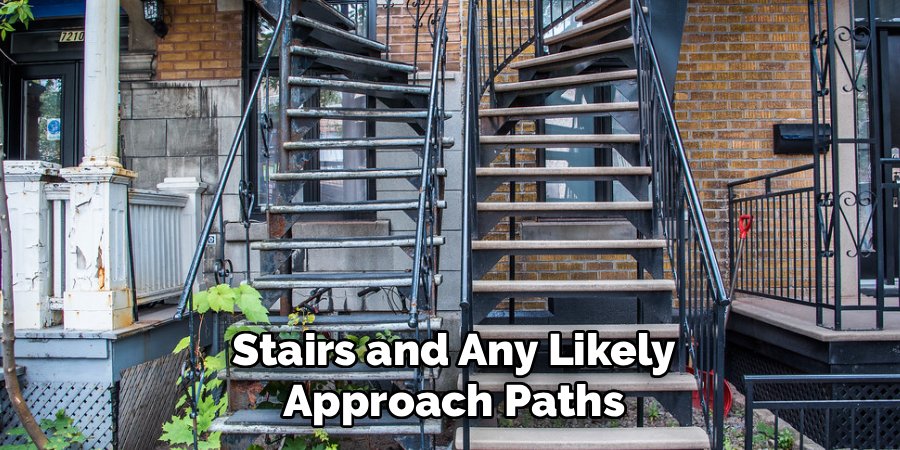
When a raccoon climbs onto the deck, the sudden burst of light will often scare them off before they can settle in or cause damage. For the best results, use solar-powered LED lights if you don’t have easy access to electrical outlets.
While some raccoons may eventually get used to lights, combining this with other methods keeps them on edge and unsure of their safety.
Step 4: Use Scent Deterrents
Raccoons rely heavily on their sense of smell, which you can use against them. They dislike strong, spicy, or chemical odors. You can create a homemade repellent by mixing cayenne pepper and water in a spray bottle and applying it to the perimeter of your deck, railing posts, and stairs.

Ammonia-soaked rags placed in strategic areas can also be effective, as the smell mimics the urine of predators. Commercial repellents that simulate the scent of coyote or fox urine are available at garden centers and can trigger a primal fear response.
However, remember that scent deterrents need to be reapplied frequently, especially after rainfall, to remain potent and effective.
Step 5: Seal Off Access Points
Take a close look at your deck from a raccoon’s perspective. If you have a raised deck, the space underneath offers a perfect, sheltered den for sleeping or nesting. To prevent this, you need to install a physical barrier.

Use heavy-duty hardware cloth or galvanized wire mesh, burying the bottom edge at least six inches deep into the ground to prevent digging. Secure the top edge firmly to the underside of the deck frame.
If there are trellises or nearby tree branches that provide easy climbing access to the upper rails, trim the branches back and consider installing plastic collars or baffles on the trellis to make them too slippery to climb.
Step 6: Introduce Noise Deterrents
Just as they dislike light, raccoons are wary of sudden, loud noises. Motion-activated sound devices can be a great addition to your defense system. These devices emit ultrasonic sounds that are irritating to pests but inaudible to humans, or they can play recordings of predator calls or barking dogs.
You can also place a portable radio on your deck set to a talk station at a low volume during the night. The sound of human voices is often enough to make a wary raccoon decide that the area is not deserted and safe.
Like light, noise works best when it is unpredictable, so motion-activation is superior to constant noise that they might eventually ignore.
Step 7: Utilize Water Sprinklers
For a more physical deterrent, motion-activated water sprinklers are incredibly effective. These devices, often called “scarecrow sprinklers,” detect movement and instantly shoot a jet of water in the direction of the intruder.
The combination of the sudden noise of the valve opening, the movement of the sprinkler head, and the unpleasant sensation of getting wet is usually enough to send raccoons running. Position these sprinklers near the steps or the most common entry points to your deck.

This method is humane, environmentally friendly, and works 24/7 without requiring you to monitor the situation. It teaches the raccoons that your deck is a hostile zone they should avoid.
Common Mistakes to Avoid
A frequent error homeowners make is relying on a single method. Raccoons are smart; if you only use lights, they may learn to ignore them. Layering multiple deterrents—like lights, scents, and physical barriers—is far more successful. Another mistake is using poison.
This is inhumane, dangerous to pets and local wildlife, and can result in a sick animal dying in an inaccessible part of your deck or walls, creating a terrible odor and sanitation issue.
Many people also forget to maintain their deterrents. Rain washes away pepper sprays, and batteries in motion sensors die. Regular maintenance is required to keep your defenses up. Finally, trapping and relocating raccoons yourself is often illegal and ineffective.
Frequently Asked Questions (FAQ)
Does Vinegar Keep Raccoons Away?
Vinegar can act as a mild deterrent because raccoons have a strong sense of smell and dislike the pungent acidity. However, it is not the most effective long-term solution on its own. It evaporates quickly and needs constant reapplication. It works best when used in conjunction with stronger scents like cayenne pepper or ammonia.
Will Leaving A Light On Keep Raccoons Away?
Leaving a static porch light on all night is generally ineffective. Raccoons quickly realize the light is constant and harmless, and they will simply ignore it. Motion-activated lights are far superior because the sudden change from dark to bright is startling and suggests a predator or human presence, triggering their flight response.
What Smell Do Raccoons Hate The Most?
Raccoons strongly dislike the scent of hot peppers (capsaicin), ammonia, and predator urine (like coyote or fox). They also tend to avoid strong peppermint oil and garlic. Soaking rags in ammonia or spraying a mixture of water and cayenne pepper around your deck are among the most effective DIY scent deterrents.
Are Raccoons Dangerous To Humans?
While raccoons generally avoid direct conflict, they can be dangerous if cornered, threatened, or sick.
They can inflict serious bites and scratches. Furthermore, they are primary carriers of the rabies virus, and their feces can contain hazardous parasites like roundworm. It is always safest to keep a distance and never attempt to handle them.
Can I Trap Raccoons Myself?
In many areas, trapping and relocating wildlife without a license is illegal due to the risk of spreading disease and separating mothers from their young. Additionally, relocation is often a death sentence for the animal due to territorial disputes. It is far better to focus on deterrents or hire a professional wildlife control service.
Conclusion
Reclaiming your outdoor space from nocturnal visitors requires patience, consistency, and a multi-faceted approach. By removing food attractants, securing waste, and employing a combination of light, sound, and scent deterrents, you can effectively convince these intelligent creatures to move along.
Remember that the goal is to make your deck an uncomfortable and unproductive place for them to visit. While it may take a few nights for them to get the message, sticking to the plan will ensure long-term success.
Now that you understand how to keep raccoons off my deck, you can implement these strategies and get back to enjoying peaceful, clean evenings under the stars.

About
Jovie Mathews is a backyard and outdoor expert writer with over 12 years of hands-on experience transforming neglected outdoor spaces into thriving gardens and functional retreats. Raised in a family where weekends meant digging in the soil and building raised beds from scratch, Jovie developed a genuine love for the outdoors long before it became a career.
She writes with a practical, no-fluff approach — always testing ideas in her own backyard before sharing them with readers. From composting systems and native plant selection to patio design and pest control, Jovie covers the full spectrum of backyard life with equal parts expertise and enthusiasm.
Education
B.Sc. in Horticulture Science
University of Florida (UF) · Gainesville, FL · 2014
IFAS College of Agricultural and Life Sciences
Minor in Environmental Studies
University of Florida (UF) · Gainesville, FL · 2014
College of Liberal Arts and Sciences
Areas of expertise
- Lawn & Garden Care
- Soil prep, planting, seasonal care
- Outdoor DIY Projects
- Raised beds, fencing, pathways
- Composting & Soil Health
- Organic methods, amendments
- Native Plants & Wildlife
- Pollinators, habitat gardening
When she is not writing, Jovie can be found testing new composting techniques, growing tomatoes in questionable quantities, or convincing her neighbors that clover lawns are actually a great idea. She currently gardens in the Pacific Northwest.