
There is nothing quite as frustrating as walking out to your driveway or garden path and spotting a dark, ugly oil stain on your beautiful pavers. Whether it came from a leaky car engine, a spill while filling the lawnmower, or a mishap during a barbecue, oil stains can ruin the aesthetic of your outdoor space instantly. Pavers are porous, meaning they soak up liquids quickly, making these stains particularly stubborn if left untreated.
However, you do not need to replace your stones or hire expensive professionals to fix the mess. With the right supplies and a little elbow grease, you can restore your hardscape to its former glory. This guide is designed to help you tackle the problem head-on. We will walk you through exactly how to remove oil from pavers using methods that are safe for your stones and the surrounding environment. By following these steps, you can lift deep-set grease and keep your outdoor areas looking pristine and welcoming for years to come.
Why Paver Maintenance Matters
Keeping your pavers clean goes beyond simple vanity; it is actually a crucial part of home maintenance that protects your investment. Pavers are often made of concrete, brick, or natural stone, materials that are durable but susceptible to surface degradation if contaminants are allowed to sit for too long. Oil acts differently than water-based spills because it penetrates deep into the microscopic pores of the material, where it can bond and become incredibly difficult to dislodge later.
7 Step-by-Step Guide on How to Remove Oil From Pavers
Step 1: Absorb Any Fresh Excess Oil Immediately
If the spill is fresh, your immediate priority is to stop the oil from penetrating deeper into the stone. Do not wipe the spill, as this will only spread the grease over a larger surface area and push it further into the pores of the paver. Instead, you need to draw the liquid out. Grab an absorbent material like clay-based kitty litter, sawdust, or baking soda and pour a generous mound directly over the wet oil.
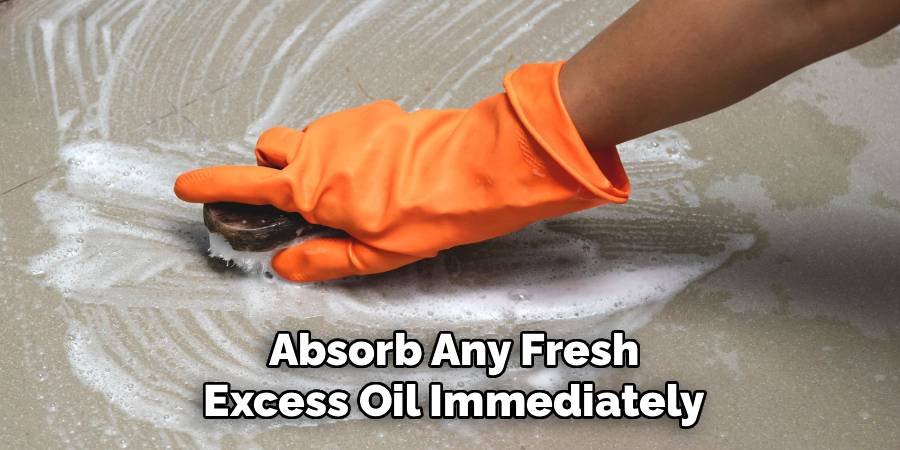
You want to create a thick layer that completely covers the stain. Let this material sit undisturbed for at least thirty minutes to an hour. This waiting period allows the absorbent particles to wick up the surface oil effectively. Once the time has passed, carefully sweep up the saturated material and dispose of it properly.
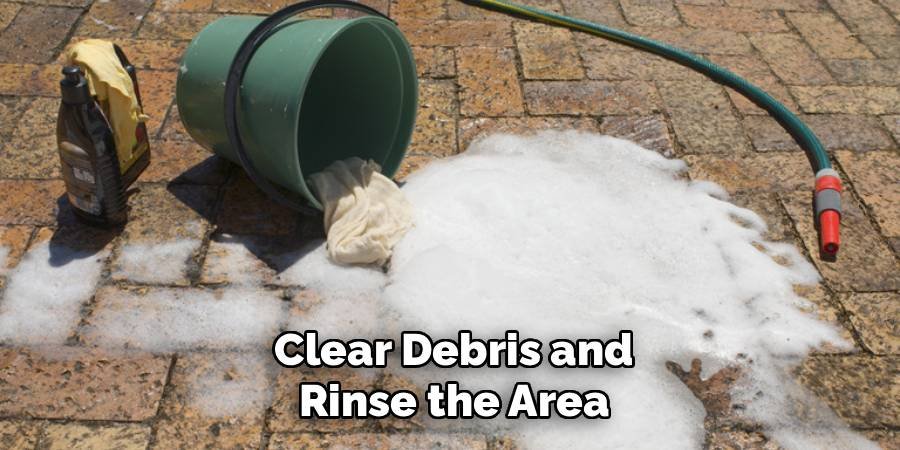
Step 2: Clear Debris and Rinse the Area
Before you begin applying any cleaning solutions or scrubbing, you must ensure you are working with a clean canvas. Trying to scrub a dirty surface will only create a muddy mess and could potentially scratch your pavers with loose grit. Take a stiff broom and vigorously sweep the entire area surrounding the stain to remove dirt, leaves, loose sand, and any remaining particles from your absorbent material.
Once the area is swept clear, use a garden hose to gently rinse the stained spot with water. This helps to dampen the pores of the pavers, preparing them to accept the cleaning solution you are about to apply. It also helps you see the true extent of the stain clearly. Ensuring the area is free of debris is a critical preparatory step in learning how to remove oil from pavers without causing accidental damage.
Step 3: Apply a Dish Soap and Water Solution
For many minor or relatively fresh stains, simple household dish soap is surprisingly effective because it is formulated specifically to cut through grease. In a bucket, mix a strong solution of hot water and a high-quality grease-fighting dish soap. You want the water to be as hot as possible without burning your hands, as heat helps to break down the oil’s molecular bond with the stone.
Pour this soapy mixture directly onto the stain, ensuring it is fully saturated. Let the soap sit on the paver for about ten to fifteen minutes. Do not let it dry out; if it starts to dry, add a little more hot water. This dwell time allows the surfactants in the soap to penetrate the stone and begin lifting the oil to the surface, making the scrubbing process much more efficient.
Step 4: Scrub the Stain with a Stiff Brush
Mechanical agitation is usually required to pull oil out of the tiny textures of a paver. Once your soap solution has had time to work, take a stiff-bristled scrub brush—nylon or plastic bristles are best to avoid scratching the stone or leaving behind metal rust spots—and begin scrubbing the area vigorously. You should use a circular motion, changing directions frequently to attack the stain from all angles.
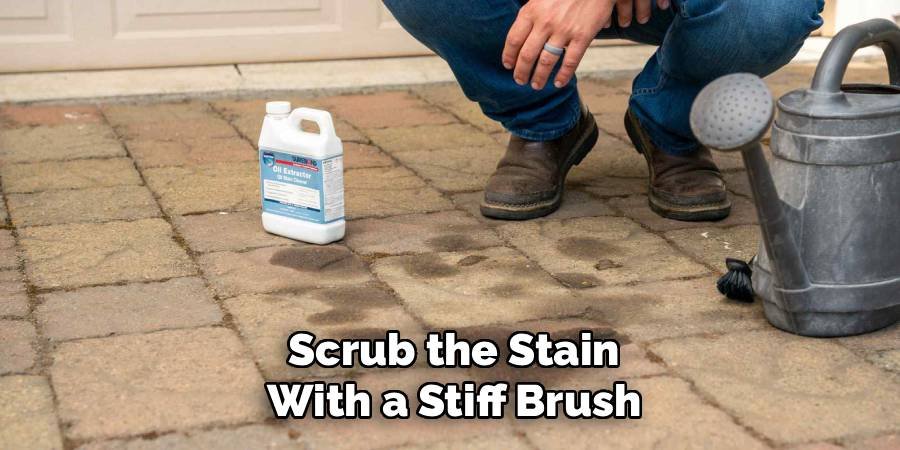
You need to apply firm pressure to reach into the crevices of the paver surface. As you scrub, you should see the soap lather turning a darker color as it lifts the oil and dirt. If the lather disappears, add more hot water and soap. Keep scrubbing until you feel you have thoroughly agitated the entire stained area. This physical effort is often the difference between a faded stain and a completely removed one.
Step 5: Rinse and Assess the Progress
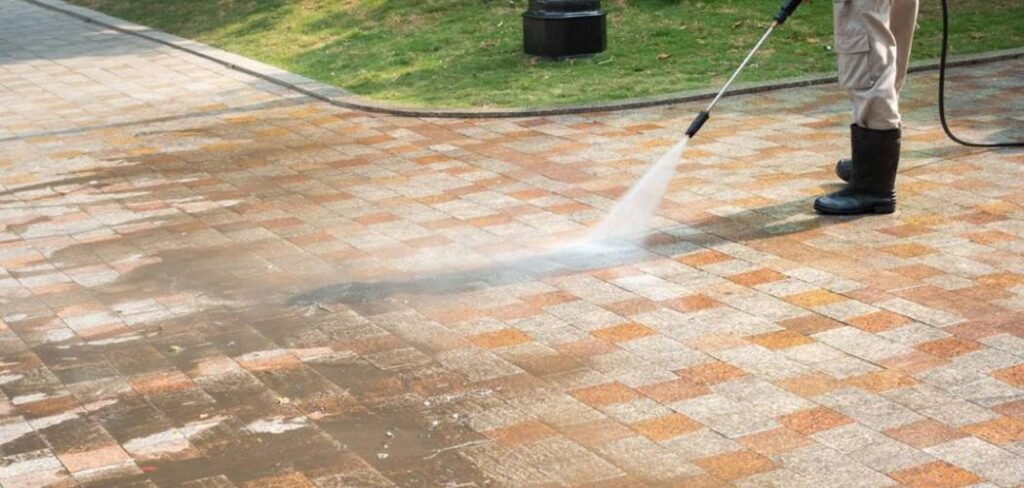
After you have scrubbed the area thoroughly, it is time to rinse away the soap and lifted oil. Use your garden hose with a nozzle attachment to spray down the area with clean water. Direct the flow of water so that the dirty runoff goes away from your other clean pavers and toward a drainage area or lawn. Rinse until there are no more suds bubbles appearing. Once the water runs clear, let the paver dry completely.
This drying phase is crucial because wet pavers often hide oil stains that reappear once the stone is dry. If the stain is gone, congratulations! If a shadow or dark spot remains, do not be discouraged. Deep stains often require multiple attempts or stronger methods. Seeing the results of your first pass helps you decide if you need to repeat the soap method or move on to stronger chemical cleaners.
Step 6: Utilize a Baking Soda and Vinegar Paste
If dish soap didn’t completely do the trick, you can try a slightly more aggressive natural method using baking soda and vinegar. These two household staples create a chemical reaction that can help dislodge stubborn grime. First, sprinkle a thick layer of baking soda over the remaining stain. Then, slowly pour white vinegar over the powder. You will see and hear a fizzy reaction; this effervescence helps agitate the surface at a microscopic level.
Once the fizzing stops, mix the resulting substance into a paste using your scrub brush. Scrub this paste deep into the stain and let it sit for about an hour. The baking soda acts as a mild abrasive and absorbent, while the vinegar cuts through residue. This is a favorite method for those researching how to remove oil from pavers without using harsh industrial chemicals in their garden.
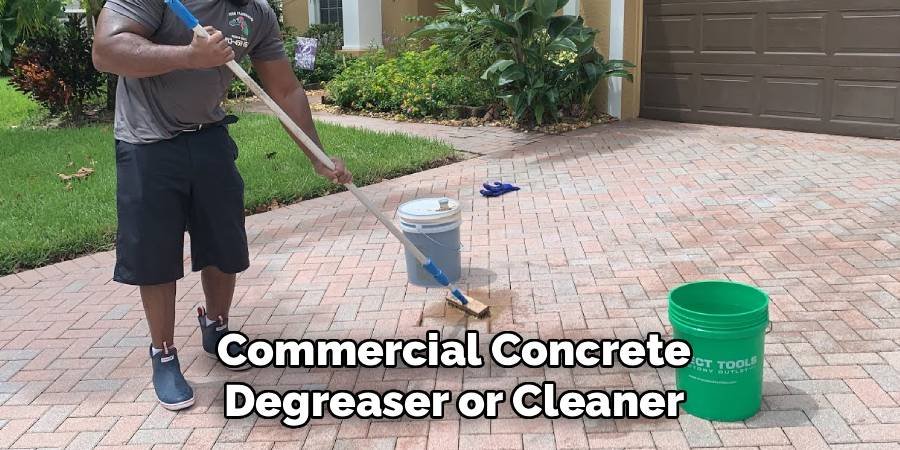
Step 7: Apply a Commercial Concrete Degreaser or Cleaner
For older or particularly stubborn oil stains that have resisted natural remedies, it is time to use a product specifically designed for hardscapes. Purchase a commercial-grade concrete degreaser or paver cleaner from your local hardware store. Always read the manufacturer’s instructions carefully before starting, as safety is paramount. Wear protective gloves and eyewear, as these chemicals can be potent. Apply the degreaser to the stain, usually allowing it to sit for a specified dwell time, often between 15 and 30 minutes.
These products contain powerful enzymes or solvents that break down the oil chains deep within the concrete pores. Scrub the area with your stiff brush during the dwell time to help the product penetrate. Be careful not to let the chemical runoff damage nearby plants or grass; you may want to pre-soak surrounding vegetation with water to dilute any accidental exposure.
Frequently Asked Questions
Can I Use Bleach To Clean Oil From My Pavers?
While bleach is a powerful disinfectant and can remove mold or organic stains, it is not the best choice for oil. Oil is a hydrocarbon, and bleach does not effectively break down grease structures. In fact, using bleach on colored pavers can be risky as it may fade the pigment, leaving you with a light, bleached-out spot that looks worse than the original stain. It is safer and more effective to stick with degreasers, dish soap, or vinegar, which are specifically chemically suited to break down fatty oil compounds without damaging the stone’s color.
Will WD-40 Remove Oil Stains From Driveway Pavers?
Surprisingly, WD-40 can be used as a solvent to help lift oil stains. It works on the principle of “like dissolves like.” By spraying WD-40 on an old, dried oil stain, you can reactivate the grease, making it easier to scrub away. However, you must treat this as a preliminary step. After applying WD-40 and scrubbing, you must immediately follow up with dish soap and hot water to wash away both the WD-40 and the original oil. If you skip the soap step, the WD-40 itself will leave an oily residue on your pavers.
How Long Does It Take For An Oil Stain To Become Permanent?
There is no exact timeline, but the longer oil sits, the harder it is to remove. Pavers are porous, acting like a hard sponge. On a hot sunny day, oil can penetrate deep into the stone within a matter of hours. While it is rarely “permanent” in the sense that it can never be removed, a stain left for months may require professional industrial cleaning or multiple rounds of harsh chemicals to fix. Ideally, you should treat the stain within 24 hours of the spill occurring for the best and easiest results.
Is It Necessary To Seal Pavers After Cleaning?
While it is not strictly mandatory, sealing your pavers is highly recommended by experts. Unsealed pavers are naturally porous and vulnerable to everything from motor oil and wine spills to UV fading and rain damage. By sealing your pavers after a deep clean, you create a sacrificial layer that takes the abuse instead of the stone. This means future oil leaks will not penetrate the surface, allowing you to simply hose them off. It saves you time, effort, and money on future cleaning supplies.
Can I Use Oven Cleaner On My Pavers?
Oven cleaner is an incredibly harsh chemical designed to dissolve baked-on grease, so theoretically, it can work on paver oil stains. However, it is not recommended for the average homeowner. Oven cleaners contain lye and other caustic agents that can etch natural stone and discolor concrete pavers permanently. They are also toxic to surrounding grass and plants. If you choose to use this method as a last resort, test it on a small, hidden area first and rinse extremely thoroughly to prevent environmental damage.
Conclusion
Maintaining a beautiful outdoor space takes a little bit of effort, but the results are well worth it. By acting quickly when spills occur and using the right techniques, you can banish unsightly spots from your driveway or patio. Whether you choose to use simple household items like baking soda and dish soap or opt for a heavy-duty commercial degreaser, the key is patience and persistence. Remember that prevention is always easier than the cure, so consider sealing your surface once it is clean. Now that you understand how to remove oil from pavers effectively, you can tackle any future spills with confidence and keep your home’s exterior looking its absolute best.

About
Jovie Mathews is a backyard and outdoor expert writer with over 12 years of hands-on experience transforming neglected outdoor spaces into thriving gardens and functional retreats. Raised in a family where weekends meant digging in the soil and building raised beds from scratch, Jovie developed a genuine love for the outdoors long before it became a career.
She writes with a practical, no-fluff approach — always testing ideas in her own backyard before sharing them with readers. From composting systems and native plant selection to patio design and pest control, Jovie covers the full spectrum of backyard life with equal parts expertise and enthusiasm.
Education
B.Sc. in Horticulture Science
University of Florida (UF) · Gainesville, FL · 2014
IFAS College of Agricultural and Life Sciences
Minor in Environmental Studies
University of Florida (UF) · Gainesville, FL · 2014
College of Liberal Arts and Sciences
Areas of expertise
- Lawn & Garden Care
- Soil prep, planting, seasonal care
- Outdoor DIY Projects
- Raised beds, fencing, pathways
- Composting & Soil Health
- Organic methods, amendments
- Native Plants & Wildlife
- Pollinators, habitat gardening
When she is not writing, Jovie can be found testing new composting techniques, growing tomatoes in questionable quantities, or convincing her neighbors that clover lawns are actually a great idea. She currently gardens in the Pacific Northwest.