
An old, non-functional hot tub can take up valuable space in your yard. While its size might seem intimidating, removing it is a manageable DIY project. The most common method for disposal is to break it down into smaller, more manageable pieces.
This guide provides a detailed overview of how to cut up a hot tub units safely and efficiently, turning a large, bulky item into something you can haul away yourself. With the right tools and a focus on safety, you can tackle this task and reclaim your outdoor space without needing to hire an expensive removal service.
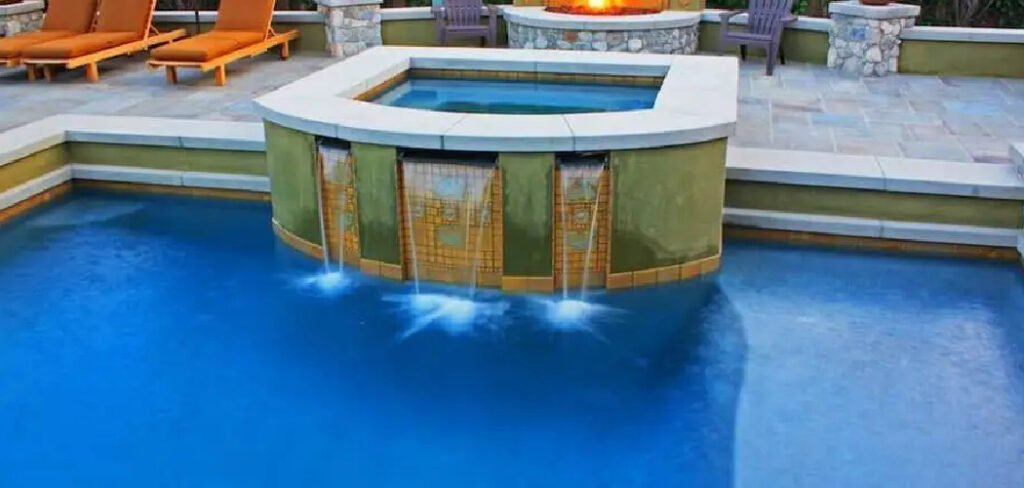
Before beginning the process, it’s important to prepare properly to ensure smooth progress and avoid potential hazards. Having the right tools on hand, understanding the structure of the hot tub, and following safety guidelines are all essential components of a successful removal project. This preparation not only helps to streamline the task but also minimizes the risk of injury or damage to your property.
Why It Matters
Disposing of a hot tub isn’t as simple as leaving it on the curb. Most municipal waste services won’t accept such a large item in one piece. By cutting it up, you break it down into sections that can fit into a truck bed or trailer for transport to a landfill or recycling center. This DIY approach can save you hundreds of dollars compared to hiring a professional junk removal company.
Furthermore, deconstruction allows you to separate materials. You can often recycle the acrylic or fiberglass shell, the internal plumbing, and metal components like the heater and pumps, making it a more environmentally responsible method of disposal.
7 Step-by-Step Guide: How to Cut Up a Hot Tub
This guide breaks down the process into clear, manageable actions. Following these instructions carefully will ensure you can deconstruct your hot tub safely and effectively. The key is to work methodically, preparing properly before you start cutting and taking your time with each step. This approach minimizes risks and makes the entire project go smoothly, from disconnecting the power to loading up the last piece for disposal.
Step 1: Disconnect All Power and Water
Safety is the absolute first priority. Before you do anything else, you must completely disconnect the hot tub from its power source. Locate the dedicated circuit breaker for the hot tub in your home’s main electrical panel and switch it to the “OFF” position.
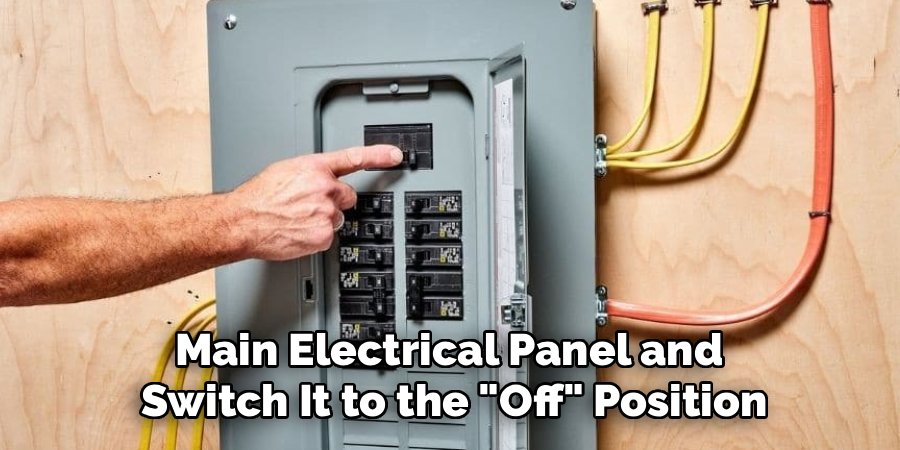
For added safety, use a voltage tester on the hot tub’s electrical connections to confirm there is no live current. Next, drain the hot tub completely. Use a submersible pump or connect a hose to the drain spout. Ensure all water is removed from the shell and the internal plumbing to make it lighter and prevent messes.
Step 2: Gather Your Safety Gear and Tools
This job requires proper personal protective equipment (PPE). You will need heavy-duty work gloves, safety glasses or goggles to protect your eyes from flying debris, and a dust mask or respirator to avoid inhaling fiberglass or acrylic dust. Long sleeves, pants, and steel-toed boots are also highly recommended.
The primary tool for cutting the shell is a reciprocating saw (like a Sawzall) with a long demolition or wood-cutting blade. You’ll also need a screwdriver and wrench set to remove the cabinet panels and internal components. A crowbar can be useful for prying apart sections.
Step 3: Remove the Outer Cabinet and Skirting
With the power and water disconnected, you can begin the physical deconstruction. Start by removing the outer cabinet or skirting that surrounds the hot tub shell. These panels are typically made of wood, composite, or plastic and are usually held in place with screws. Work your way around the perimeter, removing all the screws and carefully prying the panels off.
This will expose the foam insulation, plumbing, pumps, and heater underneath. Set the panels aside; they can often be disposed of or repurposed more easily than the main shell.
Step 4: Strip the Internal Components
Before you start cutting the main shell, you need to remove the internal components. Disconnect the pumps, heater, control box, and any other electrical equipment. Use your wrench set to detach the plumbing lines connected to these parts. Cut away foam insulation as needed to get better access.
This step is important for two reasons: it prevents you from damaging your saw blade on hidden metal parts, and it allows you to separate these items for proper recycling or disposal. Many of these components contain valuable metals and should not go to a landfill.
Step 5: Cut the Shell into Sections
Now it’s time to cut the main shell. Using your reciprocating saw, begin cutting the tub into smaller, manageable pieces. A good strategy is to cut it into quarters. Start by making a cut from the top lip down to the bottom on one side, then do the same on the opposite side.

Finally, make two more cuts to divide the halves. Let the saw do the work; don’t force it. Be mindful of any remaining plumbing or support structures as you cut. The fiberglass or acrylic will create a lot of dust, so ensure your mask and eye protection are secure.
Step 6: Break Down the Frame and Base
Once the shell is cut into pieces, you can address the frame and base. The frame is often made of wood or metal. If it’s wood, you can use your reciprocating saw to cut it into smaller lengths. If it’s a metal frame, you may need a blade specifically designed for cutting metal. A crowbar can help you pry apart joined sections.
Breaking down the frame makes the pieces lighter and easier to handle for transport. This is a key part of the process for learning how to cut up hot tub units completely for disposal.
Step 7: Clean Up and Haul Away the Debris
The final step is to clean up your work area and dispose of the pieces. Carefully gather all the sections of the shell, frame, and any other debris. Use a broom and dustpan or a shop vacuum to clean up the dust and smaller fragments. Load the pieces into a utility trailer or the bed of a pickup truck.

You can then transport the materials to your local landfill or a recycling facility that accepts them. Be sure to check with your local waste management authority beforehand about their policies for disposing of this type of material.
Common Mistakes to Avoid
The most dangerous mistake is failing to disconnect the power completely. Always turn off the breaker and verify with a voltage tester before starting. Another common error is inadequate safety gear. Cutting fiberglass or acrylic creates hazardous dust and sharp debris, making eye protection, gloves, and a respirator non-negotiable.
Using the wrong tool is another pitfall. A reciprocating saw with a long blade is ideal; a circular saw can be difficult to control on the curved surfaces of a hot tub and may kick back. Finally, people often forget to strip the internal components before cutting. Hitting a metal pump or pipe with your saw can damage the blade and be a safety hazard.
Frequently Asked Questions (FAQ)
What Is The Best Tool To Cut Up A Hot Tub?
The most effective and commonly used tool is a reciprocating saw, often known by the brand name Sawzall. When paired with a long demolition or coarse-wood blade (9 to 12 inches), it can easily cut through the acrylic or fiberglass shell and the underlying wood frame. This tool offers the best combination of power and control for the job.
Do I Need To Drain The Hot Tub Before Cutting It?
Yes, absolutely. A hot tub full of water is incredibly heavy and impossible to work on safely. Draining it completely makes it lighter, prevents a huge mess, and eliminates the risk of water mixing with your power tools. Ensure you drain the main tub as well as the internal plumbing lines for the best results before you begin any deconstruction.
Is It Safe To Cut Through Fiberglass or Acrylic?
It is safe to cut through these materials as long as you wear the proper personal protective equipment (PPE). Cutting fiberglass or acrylic creates fine dust that is harmful to inhale and can irritate your skin and eyes. You must wear safety glasses or goggles, a dust mask or respirator, gloves, and long sleeves to protect yourself from these hazards.
H3: How Do I Dispose Of The Pieces After Cutting?
Once the hot tub is in pieces, you can load them into a pickup truck or trailer. Contact your local landfill or transfer station beforehand to ask about their policies and fees for construction and demolition debris. Some recycling centers may accept the acrylic shell and metal components, so it’s worth checking to see if you can recycle parts of it.
Can I Leave A Hot Tub On The Curb For Pickup?
In most cases, no. Municipal trash services typically do not pick up items as large as a hot tub, even if it’s cut into smaller pieces. You are generally responsible for hauling the debris to an appropriate disposal facility yourself. Leaving it on the curb will likely result in a fine from your local authorities for illegal dumping.
Conclusion
Breaking down a hot tub for disposal is a significant project, but it is well within the reach of a determined DIYer. By prioritizing safety, using the right tools, and following a clear step-by-step process, you can successfully dismantle and remove that old spa. This not only clears up space but also saves you considerable money on professional removal fees.
Now that you have a comprehensive understanding of how to cut up hot tub units, you can approach the task with confidence. If at any point you feel the job is beyond your capabilities, do not hesitate to call a professional.

About
Jovie Mathews is a backyard and outdoor expert writer with over 12 years of hands-on experience transforming neglected outdoor spaces into thriving gardens and functional retreats. Raised in a family where weekends meant digging in the soil and building raised beds from scratch, Jovie developed a genuine love for the outdoors long before it became a career.
She writes with a practical, no-fluff approach — always testing ideas in her own backyard before sharing them with readers. From composting systems and native plant selection to patio design and pest control, Jovie covers the full spectrum of backyard life with equal parts expertise and enthusiasm.
Education
B.Sc. in Horticulture Science
University of Florida (UF) · Gainesville, FL · 2014
IFAS College of Agricultural and Life Sciences
Minor in Environmental Studies
University of Florida (UF) · Gainesville, FL · 2014
College of Liberal Arts and Sciences
Areas of expertise
- Lawn & Garden Care
- Soil prep, planting, seasonal care
- Outdoor DIY Projects
- Raised beds, fencing, pathways
- Composting & Soil Health
- Organic methods, amendments
- Native Plants & Wildlife
- Pollinators, habitat gardening
When she is not writing, Jovie can be found testing new composting techniques, growing tomatoes in questionable quantities, or convincing her neighbors that clover lawns are actually a great idea. She currently gardens in the Pacific Northwest.