
Keeping a backyard flock of chickens is a rewarding experience, offering fresh eggs and a connection to your food source. However, this joy can quickly turn to distress when predators like raccoons discover your coop. These intelligent and persistent creatures are notorious for their ability to bypass weak defenses, making flock protection a top priority for any chicken keeper.
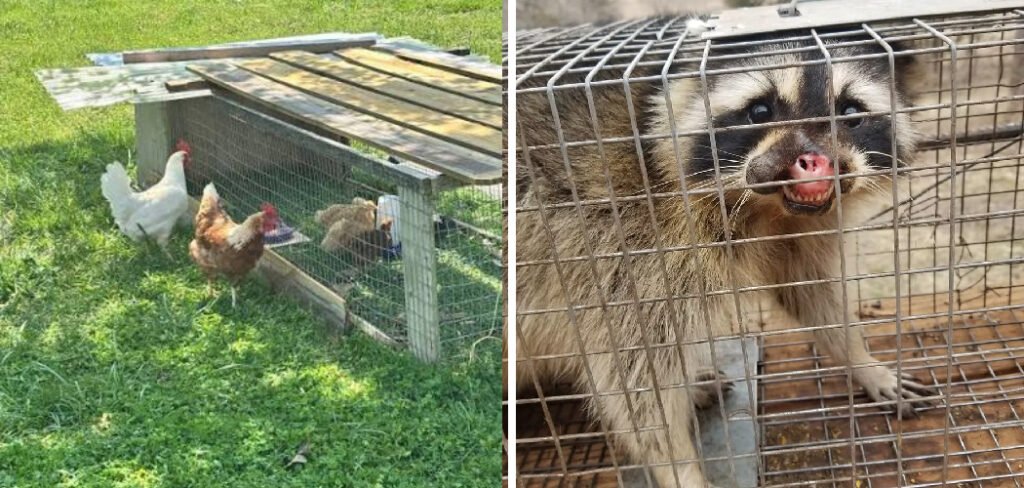
Learning how to keep raccoons away from chickens is an essential skill that involves securing their environment, removing attractants, and using effective deterrents. This guide will provide you with the practical steps needed to safeguard your flock and ensure their well-being.
Why Predator-Proofing Your Coop Is Essential
For anyone raising chickens, the threat of predators is a constant concern. Raccoons, with their sharp claws, surprising strength, and problem-solving minds, are among the most formidable threats to a backyard flock. An unprotected coop is an open invitation for a raccoon to raid, often resulting in devastating losses overnight. These nocturnal animals are not just looking for eggs; they will attack and kill adult chickens. Protecting your flock is not just about preventing loss; it’s a fundamental part of responsible animal husbandry. A secure coop provides your chickens with a safe place to roost, reduces their stress, and gives you peace of mind.
8 Step-by-Step Guide on How to Keep Raccoons Away from Chickens
Step 1: Fortify Your Coop with Strong Materials
The first line of defense is the coop itself. Raccoons can easily tear through flimsy materials like chicken wire. Instead, use ½-inch hardware cloth, a sturdy welded wire mesh, to cover all windows, vents, and any other openings. Ensure the hardware cloth is securely fastened to the coop frame using heavy-duty staples or screws with washers. Pay close attention to corners and edges, as these are common weak points. The goal is to create a solid barrier with no gaps larger than half an inch, effectively preventing a raccoon from reaching through or creating a larger opening.

Step 2: Install Complex, Two-Step Latches
Raccoons have incredibly dexterous paws that can manipulate simple locks, hooks, and slide bolts. A single, simple latch is not enough to deter a determined raccoon. To outsmart them, you must install predator-proof, two-step latches on all doors and nesting box lids. These locks require multiple actions to open, such as lifting and turning or using a carabiner clip that requires opposable thumbs to operate. A deadbolt or a lock that requires a key are also excellent options. Always remember to secure every potential entry point each evening without fail.
Step 3: Secure the Coop’s Foundation
Raccoons are not just climbers; they are also skilled diggers. They will exploit any weakness at the base of your coop or run to tunnel their way inside. To prevent this, you should bury a “skirt” or apron of hardware cloth around the entire perimeter of your coop and run. Dig a trench about 12 inches deep and 12-24 inches wide.
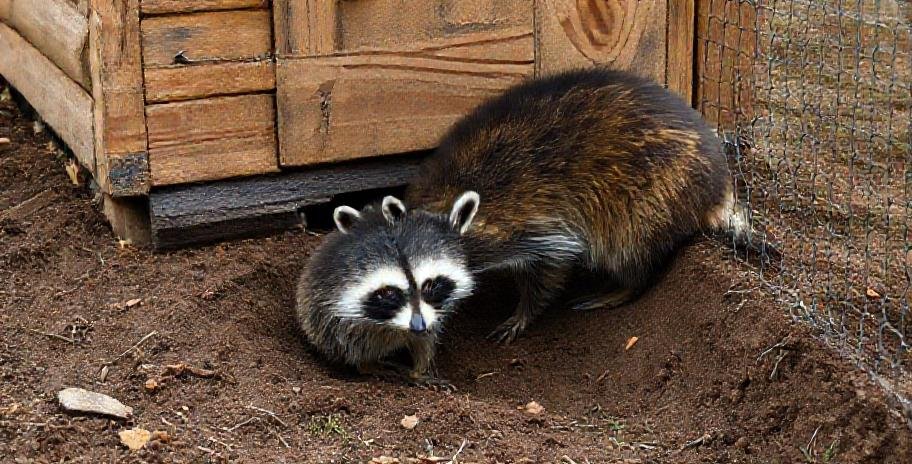
Lay the hardware cloth in an L-shape, with one edge running up the side of the coop and the other extending outward, away from the base. Backfill the trench to hold the mesh firmly in place, creating an underground barrier that stops digging attempts.
Step 4: Eliminate All Food and Water Sources at Night
Raccoons are drawn to properties that offer an easy meal. One of the most effective strategies for deterring them is to remove all potential food sources before nightfall. This means bringing chicken feeders and waterers inside the secure coop each evening or using treadle feeders that only chickens can operate. Make sure to store chicken feed in airtight, chew-proof metal containers. Also, secure your household garbage and compost bins, as these are major attractants for raccoons and other wildlife. A clean, food-free environment makes your property far less interesting to a foraging raccoon.
Step 5: Implement Motion-Activated Lights and Sprinklers
Sudden light and sound can startle a raccoon and scare it away. Installing motion-activated security lights around the chicken coop can be an effective deterrent. When a raccoon approaches, the bright light will suddenly switch on, making it feel exposed and encouraging it to retreat.
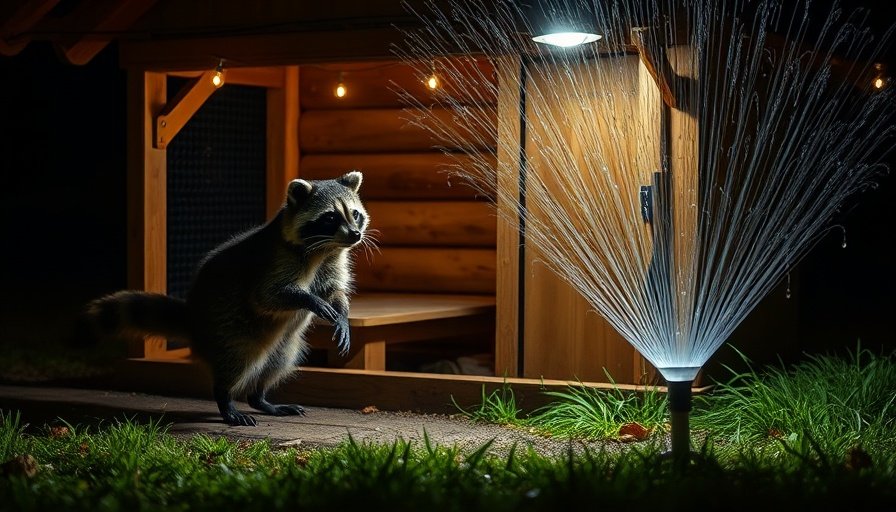
For an added layer of defense, you can pair the lights with motion-activated sprinklers. The unexpected blast of water is highly effective at frightening away most nocturnal predators, including raccoons. Position these devices to cover the main pathways leading to your coop for the best results.
Step 6: Use Scent and Taste Deterrents
Raccoons have a sensitive sense of smell and taste, which you can use to your advantage. While commercial raccoon repellents are available, many people find success with common household items. Soaking rags in ammonia or apple cider vinegar and placing them in open containers around the coop’s perimeter can create an unpleasant scent barrier. Sprinkling cayenne pepper or other spicy powders around the base of the coop can also deter raccoons, as they dislike the irritation it causes to their paws and nose. Remember to reapply these deterrents regularly, especially after rain.
Step 7: Clear Overhanging Branches and Climbing Aids
Raccoons are excellent climbers and will use any available structure to gain access to your coop’s roof or upper vents. Take a survey of the area surrounding your coop. Trim back any tree branches that hang over or near the coop and run. Move woodpiles, ladders, trellises, or any other items that a raccoon could use as a staircase to gain a higher vantage point.
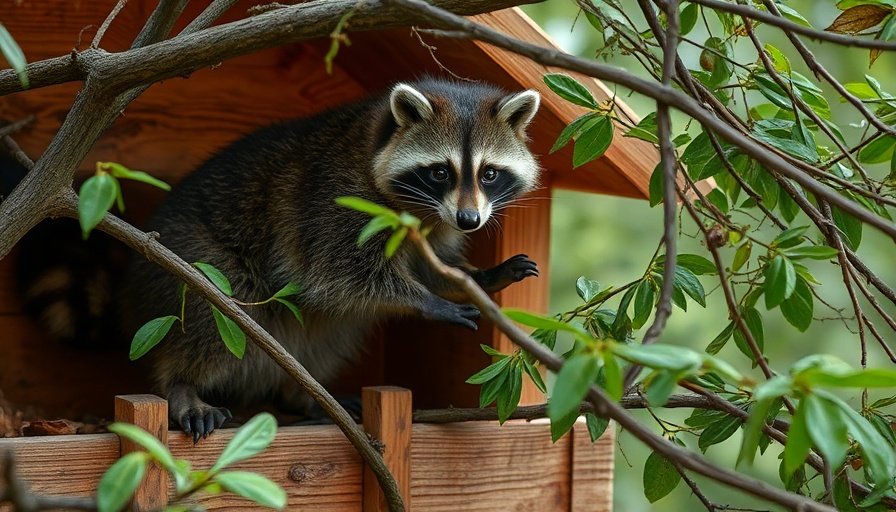
The goal is to create a clear, open space around the coop, forcing a potential predator to approach on the ground where your other defenses are strongest.
Step 8: Regularly Inspect for Weaknesses
Your work isn’t done after the initial setup. Diligence is a key part of learning how to keep raccoons away from chickens. Make it a habit to perform regular inspections of your coop and run, at least once a week. Look for any signs of attempted entry, such as scratches, bent wire, or digging marks. Check for new gaps, loose hardware, or rot in the wood that could create a weakness. A determined raccoon will test your defenses repeatedly, and addressing small issues before they become major vulnerabilities is crucial for the long-term safety of your flock.
Frequently Asked Questions
What Time of Day Are Raccoons Most Active?
Raccoons are primarily nocturnal, meaning they are most active from dusk until dawn. This is when they do most of their foraging for food. It is absolutely critical to ensure your chickens are securely locked inside their fortified coop every single night before the sun goes down. Daytime raccoon sightings are rare and can sometimes indicate that the animal is sick or unusually desperate for food.
Will a Rooster Protect Hens from a Raccoon?
While a rooster is a valuable flock guardian and will bravely defend his hens against many threats, he is generally not a match for a full-grown raccoon. A rooster’s crowing may alert you to a predator’s presence, and he might be able to fend off smaller threats like hawks or snakes. However, a determined raccoon is too large, strong, and aggressive for most roosters to handle alone.
Can Raccoons Open Latches?
Yes, raccoons are famous for their intelligence and dexterity. Their front paws function much like human hands, allowing them to grasp, twist, and pull on objects. They can easily figure out simple slide bolts, hook-and-eye latches, and basic gate hooks. This is why using complex, two-step locking mechanisms, such as carabiners or locks requiring a key, is essential for securing any doors or access points on your coop.
Is Chicken Wire Strong Enough to Stop a Raccoon?
No, chicken wire is not strong enough to stop a raccoon. It is designed to keep chickens in, not to keep predators out. A raccoon can easily rip through chicken wire with its teeth and claws or pull it apart at the seams. For all windows, vents, and other openings, you must use ½-inch hardware cloth, which is a much stronger and more durable welded wire mesh.
Does Leaving a Radio on Deter Raccoons?
Leaving a radio on overnight near the coop can be a temporary deterrent. The sound of human voices may make raccoons and other predators hesitant to approach. However, intelligent animals like raccoons can quickly become accustomed to the noise and realize it poses no real threat. This method is best used in combination with other, more reliable deterrents like motion-activated lights and secure physical barriers.
Conclusion
Protecting your flock from predators is one of the most important responsibilities of a chicken keeper. Raccoons pose a significant threat, but with the right knowledge and a proactive approach, you can create a safe and secure home for your birds. By fortifying your coop with hardware cloth, installing complex locks, eliminating food attractants, and using a multi-layered deterrent strategy, you can effectively prevent raccoon attacks. Consistently applying these methods provides the best defense. Following these steps on how to keep raccoons away from chickens will give you the confidence that your flock is protected, allowing you to enjoy all the benefits of backyard chicken keeping.

About
Jovie Mathews is a backyard and outdoor expert writer with over 12 years of hands-on experience transforming neglected outdoor spaces into thriving gardens and functional retreats. Raised in a family where weekends meant digging in the soil and building raised beds from scratch, Jovie developed a genuine love for the outdoors long before it became a career.
She writes with a practical, no-fluff approach — always testing ideas in her own backyard before sharing them with readers. From composting systems and native plant selection to patio design and pest control, Jovie covers the full spectrum of backyard life with equal parts expertise and enthusiasm.
Education
B.Sc. in Horticulture Science
University of Florida (UF) · Gainesville, FL · 2014
IFAS College of Agricultural and Life Sciences
Minor in Environmental Studies
University of Florida (UF) · Gainesville, FL · 2014
College of Liberal Arts and Sciences
Areas of expertise
- Lawn & Garden Care
- Soil prep, planting, seasonal care
- Outdoor DIY Projects
- Raised beds, fencing, pathways
- Composting & Soil Health
- Organic methods, amendments
- Native Plants & Wildlife
- Pollinators, habitat gardening
When she is not writing, Jovie can be found testing new composting techniques, growing tomatoes in questionable quantities, or convincing her neighbors that clover lawns are actually a great idea. She currently gardens in the Pacific Northwest.