

As temperatures rise, ensuring your flock stays comfortable and healthy becomes a top priority. Chickens are susceptible to heat stress, which can lead to reduced egg production, lethargy, and even death in severe cases. Understanding their needs during hot weather is crucial for any backyard chicken keeper.
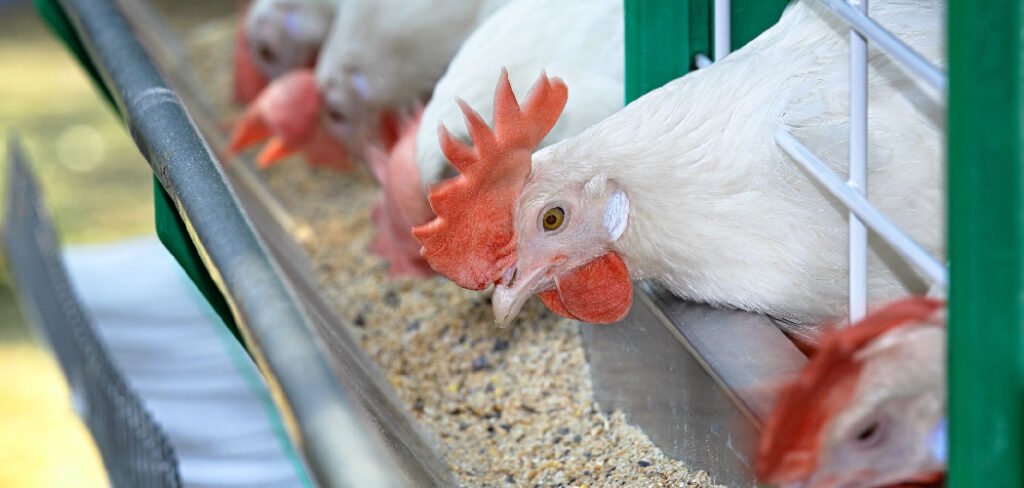
This guide will provide you with practical and effective strategies on how to keep chickens cool, ensuring they thrive even during the hottest days of the year. From simple water tricks to coop modifications, you’ll learn everything you need to protect your feathered friends from the summer heat.
Why It’s Crucial to Keep Your Chickens Cool
Chickens are much better equipped to handle cold than heat. Their ideal temperature range is between 65 and 75°F (18-24°C). When the thermometer climbs above 85°F (29°C), they begin to struggle. Unlike humans, chickens cannot sweat to cool themselves down. Instead, they pant, hold their wings away from their bodies, and seek shade. Prolonged exposure to high temperatures can quickly lead to heat stress and heatstroke, which is a life-threatening condition. Protecting them isn’t just about comfort; it’s a fundamental aspect of responsible animal care that safeguards their health and productivity.
8 Step-by-Step Guide on How to Keep Chickens Cool
Step 1: Provide Ample Shade
The most straightforward way to offer relief from the sun is by ensuring constant access to shade. Chickens will naturally seek out cool, dark spots to rest during the hottest parts of the day.
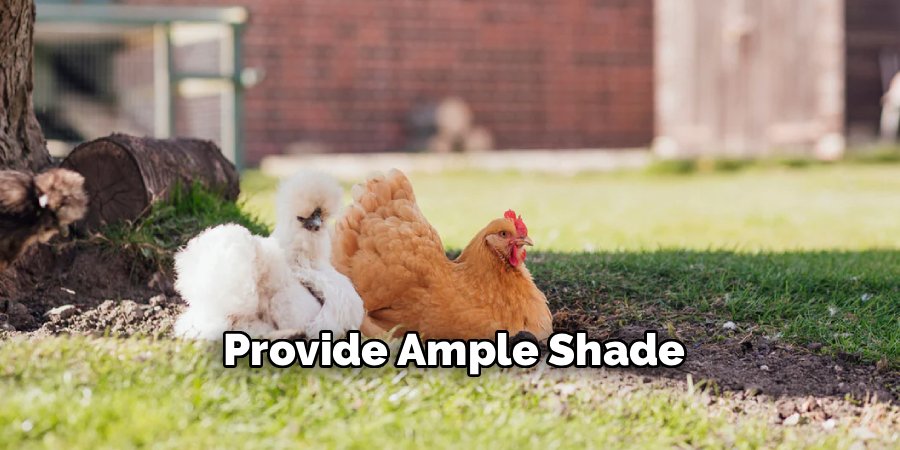
If your chicken run lacks natural shade from trees or large shrubs, you must create it. You can do this by stretching a large tarp or shade cloth over a portion of the run. These materials block direct sunlight while still allowing for airflow. A well-placed, simple lean-to structure also works effectively. The goal is to give your flock plenty of options to get out of the sun’s direct rays.
Step 2: Ensure a Constant Supply of Cool, Fresh Water
Hydration is absolutely critical for helping chickens regulate their body temperature. During hot weather, they will drink significantly more water than usual. You must provide multiple water stations throughout their coop and run to prevent competition and ensure every bird can drink freely. To make the water more appealing and effective, add ice cubes or frozen water bottles to their waterers throughout the day. This simple action keeps the water refreshingly cool for hours. Remember to check and refill the waterers frequently, as warm, stagnant water can harbor bacteria.
Step 3: Maximize Coop Ventilation
A stuffy coop can quickly turn into an oven on a hot day. Proper ventilation is essential for drawing hot air out and pulling cooler, fresh air in. Check that your coop’s vents are open and clear of any obstructions like cobwebs or debris. For coops with limited airflow, consider installing a hardware cloth screen on the door or windows to allow for a cross-breeze while keeping predators out. You can also run a fan in the coop, but ensure it is safely secured and that the electrical cord is completely out of the chickens’ reach. A well-ventilated coop provides a safe refuge from the midday heat.
Step 4: Offer Frozen and Cooling Treats
Treats can be a fun and effective way to help your chickens cool down. Offering chilled or frozen snacks provides both hydration and a welcome distraction. Try freezing a mix of berries, chopped greens, and corn in an ice cube tray or a larger block of ice.
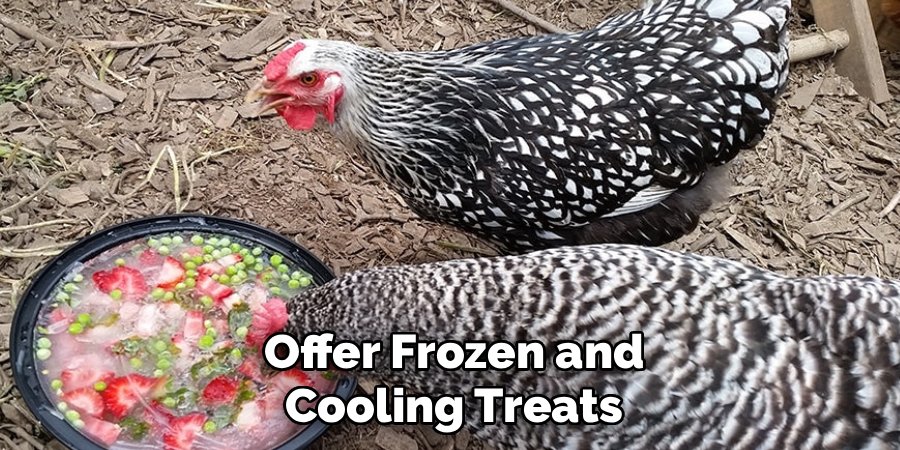
Your flock will enjoy pecking at the ice to get to the treats inside. Watermelon and cucumber are other excellent choices, as they have high water content. Simply chill them in the refrigerator before offering them to your birds. These cool treats are a great supplement to their regular diet on particularly hot afternoons.
Step 5: Create a Dust Bathing Area
Dust bathing is a natural chicken behavior that helps them clean their feathers and deter parasites, but it also helps them cool down. Chickens will dig down into the cool earth to find relief. You can enhance this experience by creating a dedicated dust bathing area in a shady part of their run. Fill a shallow container or a dug-out patch with a mix of loose, dry dirt and sand. To make it even more refreshing, you can lightly mist the area with a hose in the morning, allowing the soil to become cool and damp but not muddy.
Step 6: Avoid Stressful Activities
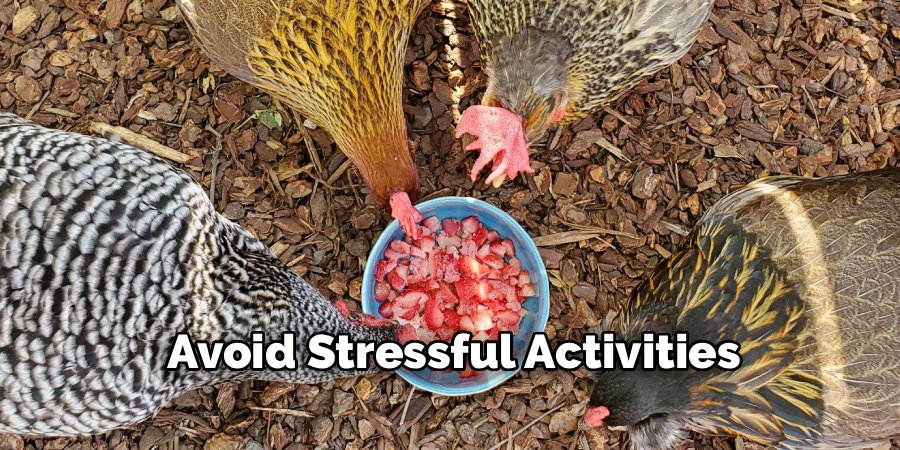
On extremely hot days, it’s best to minimize stress on your flock. Avoid handling your chickens, introducing new birds, or performing major coop cleanouts during the peak heat of the day. These activities can elevate their body temperature and add unnecessary stress. If you need to perform any of these tasks, aim to do them in the early morning or late evening when temperatures are much cooler. Keeping their routine calm and predictable will help them conserve energy and stay as cool as possible. A low-stress environment is a key part of heat management.
Step 7: How to Keep Chickens Cool with Misters or Sprinklers
Using water to create an evaporative cooling effect is a highly effective method. Setting up a gentle misting system along the top of the run can lower the ambient temperature in that area by several degrees. The fine mist cools the air as it evaporates, providing a refreshing zone for your chickens. Alternatively, a light spray from a garden hose on the roof of the coop can help cool the interior. Some chickens also enjoy walking through a gentle sprinkler. Just be sure to provide a light mist rather than a heavy spray, and ensure the area can drain well to avoid creating a muddy mess.
Step 8: Know the Signs of Heat Stress
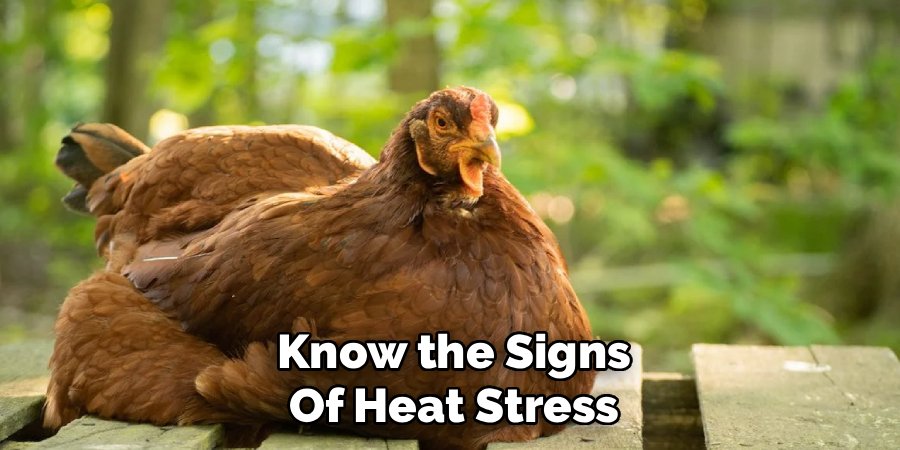
Prevention is the best approach, but it is also vital to recognize the signs of heat stress so you can act quickly. A chicken suffering from the heat will exhibit specific symptoms. These include heavy panting with an open beak, holding their wings out away from their body, pale comb and wattles, lethargy, and diarrhea. In more severe cases of heatstroke, a chicken may become wobbly, uncoordinated, or even collapse. If you notice any of these signs, it’s critical to move the affected bird to a cool, shaded area immediately and offer cool water.
Ensure Long-Term Prevention
Preventing heat stress in the future is just as important as addressing it in the moment. Provide plenty of shaded areas in your coop and run, and ensure there is consistent airflow by using fans or ventilated structures. Consider adding frozen water bottles or ice packs in their environment on hot days to help lower temperatures. Additionally, offer fresh, cool water throughout the day and include electrolytes in their water during heat waves. Maintaining a clean and well-ventilated living space for your flock will also reduce the risk of heat-related health issues over time.
Frequently Asked Questions
What Temperature Is Too Hot for Chickens?
Chickens start to experience heat stress when temperatures climb above 85°F (29°C), especially if the humidity is high. They are most comfortable in a range of 65-75°F (18-24°C). Anything over 90°F (32°C) is considered dangerous and requires you to take immediate cooling measures to prevent heatstroke, which can be fatal for your flock.
Can I Give My Chickens Ice Water?
Yes, giving your chickens ice water is a great way to help them stay cool. You can add ice cubes directly to their waterers or freeze a large block of ice in a bowl for them to peck at. This not only provides a source of cold water but also serves as a form of enrichment. Ensure they always have access to a non-frozen water source as well.
Should I Put a Fan in My Chicken Coop?
A fan can be an excellent tool for improving ventilation and cooling a stuffy coop. Ensure the fan is securely mounted and positioned so that it creates a gentle breeze rather than a direct draft on the birds. Most importantly, the electrical cord must be completely protected and out of the chickens’ reach to prevent pecking and potential injury.
What Are the Best Cooling Treats for Chickens?
The best cooling treats are those with high water content. Some great options include:
- Watermelon
- Cucumber slices
- Chilled berries (like blueberries or strawberries)
- Frozen peas and corn
- Lettuce or other leafy greens
These not only help with hydration but also provide a fun activity for your flock on a hot day.
How Do I Know if a Chicken Has Heatstroke?
A chicken with heatstroke will show severe signs of distress. Look for extreme lethargy, stumbling or staggering, seizures, and collapsing. The bird’s comb and wattles may appear pale or bluish. This is a medical emergency. Immediately move the chicken to a cool, dark place and try to cool it down by dipping its feet in cool (not icy) water. Contact a veterinarian for further guidance.
Conclusion
Keeping your flock safe and comfortable during hot weather is a manageable task that pays off in healthy, happy birds. By providing ample shade, cool water, a well-ventilated coop, and refreshing treats, you can create an environment where your chickens can easily beat the heat. Being observant and knowing the signs of heat stress allows you to act quickly if a problem arises. With these simple yet effective strategies, you now have a comprehensive understanding of how to keep chickens cool, ensuring your backyard flock continues to thrive all summer long.

About
Jovie Mathews is a backyard and outdoor expert writer with over 12 years of hands-on experience transforming neglected outdoor spaces into thriving gardens and functional retreats. Raised in a family where weekends meant digging in the soil and building raised beds from scratch, Jovie developed a genuine love for the outdoors long before it became a career.
She writes with a practical, no-fluff approach — always testing ideas in her own backyard before sharing them with readers. From composting systems and native plant selection to patio design and pest control, Jovie covers the full spectrum of backyard life with equal parts expertise and enthusiasm.
Education
B.Sc. in Horticulture Science
University of Florida (UF) · Gainesville, FL · 2014
IFAS College of Agricultural and Life Sciences
Minor in Environmental Studies
University of Florida (UF) · Gainesville, FL · 2014
College of Liberal Arts and Sciences
Areas of expertise
- Lawn & Garden Care
- Soil prep, planting, seasonal care
- Outdoor DIY Projects
- Raised beds, fencing, pathways
- Composting & Soil Health
- Organic methods, amendments
- Native Plants & Wildlife
- Pollinators, habitat gardening
When she is not writing, Jovie can be found testing new composting techniques, growing tomatoes in questionable quantities, or convincing her neighbors that clover lawns are actually a great idea. She currently gardens in the Pacific Northwest.