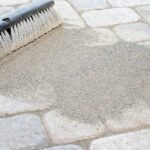

A natural stone patio is a beautiful and durable investment, adding timeless elegance to any outdoor space. However, its porous nature makes it susceptible to staining, and one of the most frustrating stains to deal with is rust.
These unsightly orange and brown marks can appear from metal patio furniture, leaky planters, tools left out in the rain, or even from iron deposits naturally present within the stone itself. Unlike dirt or grime, rust penetrates the surface, making it difficult to simply wash away.
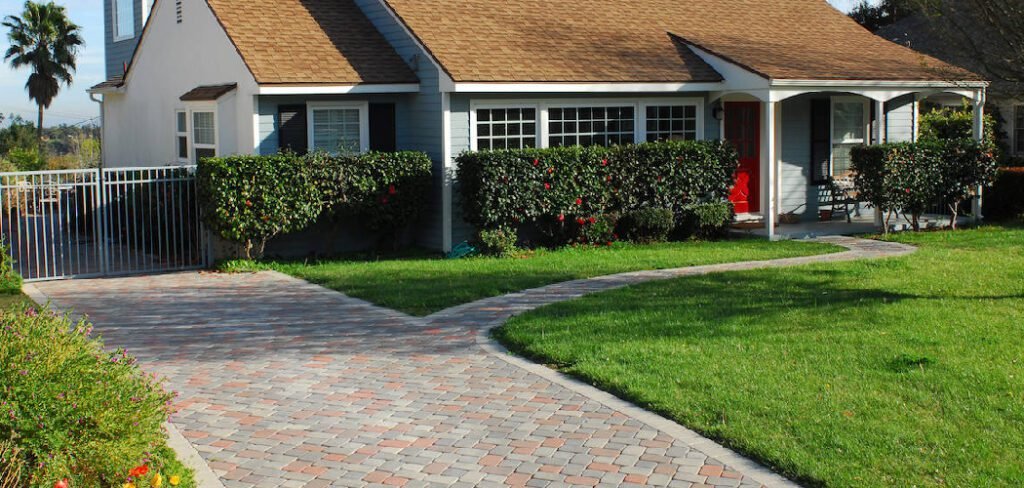
Many homeowners fear that removing these stains requires harsh, acidic chemicals that could permanently damage the delicate stone. Fortunately, with the right approach and a little patience, you can safely lift these blemishes.
This guide will provide a clear, step-by-step process for how to remove rust from natural stone patio, restoring its original charm without causing harm.
Rust stains on natural stone can be unsightly and frustrating to deal with, but tackling them doesn’t have to be an overwhelming task. By understanding the type of stone you’re working with and using the correct products and techniques, you can effectively remove rust stains while preserving the integrity of your patio.
The key is to approach the process with care, ensuring that the cleaning method is both effective and gentle enough to avoid any damage to the stone’s surface.
7 Step-by-Step Guide on How to Remove Rust from Natural Stone Patio
Step 1: Identify the Stain Source and Test a Hidden Area
Before you begin any cleaning process, it is essential to identify the cause of the rust. Is there a metal chair leg or a fire pit sitting on the stain? Is water runoff from a downspout carrying iron deposits? Removing the source is the only way to prevent the stain from returning after you have cleaned it.
Once the source is removed, you must test your chosen cleaning solution on an inconspicuous area of the patio, such as a corner behind a planter. Natural stone can react unpredictably to cleaning agents, and a small test patch will ensure the method will not cause discoloration or etching before you apply it to a large, visible area.
Step 2: Perform an Initial Cleaning with Soap and Water
Start with the gentlest method possible to see if the stain is only on the surface. Mix a few drops of pH-neutral dish soap into a bucket of warm water. Avoid using acidic or alkaline cleaners like vinegar or bleach, as these can permanently damage many types of natural stone, including limestone and marble.
Dip a stiff-bristled nylon brush (never a wire brush, which can shed metal and create new rust stains) into the soapy water. Vigorously scrub the stained area to remove any loose debris and surface-level oxidation. Rinse the area thoroughly with clean water and allow it to dry completely to assess if further treatment is needed.
Step 3: Create a Poultice with Baking Soda and Water
For stains that persist after a simple scrubbing, a poultice is an excellent and safe next step. A poultice is a thick paste that is applied to the stain to draw it out of the stone as it dries. To create a simple one, mix baking soda with a small amount of water until you have a paste with the consistency of peanut butter.

This gentle, alkaline paste is safe for most types of natural stone. This method is a cornerstone of learning how to remove rust from natural stone patio because it relies on a slow, deep-drawing action rather than harsh chemical reactions, protecting the integrity of the stone surface while it works.
Step 4: Apply the Poultice and Let It Dwell
Using a plastic spatula or putty knife, apply a thick layer of your baking soda poultice directly onto the rust stain. The layer should be about a quarter-inch thick, extending slightly beyond the edges of the stain to ensure full coverage. Once applied, cover the poultice with a piece of plastic wrap and tape down the edges.
This traps the moisture, preventing the paste from drying out too quickly and allowing it to work on the stain for a longer period. Let the covered poultice sit undisturbed for at least 24 hours. This extended dwell time is critical for allowing the paste to penetrate the pores of the stone and lift the iron oxide particles.
Step 5: Remove the Poultice
After 24 hours have passed, remove the plastic wrap and allow the poultice to air dry completely. As the paste dries, it will pull the rust particles from the stone’s pores up into itself. You will know it is ready when the paste is hard and brittle.
Using your plastic spatula, gently scrape away the dried poultice. Sweep or vacuum up the remaining residue. Afterwards, rinse the entire area thoroughly with clean water to remove any lingering baking soda.
Let the stone dry completely, as wet stone can hide remaining discoloration. You may need to repeat this process two or three times for particularly deep or old stains.
Step 6: Use a Commercial Rust Remover for Stone
If the poultice method fails to completely remove the stain, you may need to escalate to a commercial cleaning product. It is absolutely critical that you choose a rust remover specifically formulated for use on natural stone.
These products are pH-neutral and non-acidic, designed to dissolve iron oxide without etching the delicate surface of materials like travertine, slate, or limestone. Always read and follow the manufacturer’s instructions carefully.
Typically, you will apply the product, let it sit for a specified amount of time, and then rinse it off. Never use a general-purpose rust remover, as its acidic base will cause irreversible damage.
Step 7: Seal the Stone to Prevent Future Stains
Once your patio is clean and free of rust, the final step is to apply a high-quality penetrating sealer designed for natural stone. An impregnating sealer works by absorbing into the pores of the stone to create an invisible barrier that repels water, oil, and other liquids.
This preventative measure makes it much more difficult for water carrying iron particles to soak into the stone and cause new rust stains.
Sealing your patio not only protects it from future rust but also makes it easier to clean up spills and prevents organic growth like mold and mildew. Reapply the sealer every few years according to the product’s directions to maintain protection.
Frequently Asked Questions (FAQ)
Can I Use Vinegar or Lemon Juice to Remove Rust?
No, you should never use acidic substances like vinegar or lemon juice on most natural stone patios.
- Etching: These acids react with the calcium carbonate in stones like limestone, marble, and travertine, dissolving the surface and causing permanent dull spots known as etching.
- Safe Alternatives: It is always best to start with pH-neutral cleaners or gentle alkaline solutions like a baking soda poultice.
Will a Pressure Washer Remove Rust Stains?
A pressure washer alone is unlikely to remove deep-set rust stains and can even cause damage.
- Surface Cleaning: It may remove loose, surface-level rust, but it cannot pull out stains that have absorbed into the stone’s pores.
- Damage Risk: Using too high of a pressure setting can erode the surface of softer stones or blast out the sand in the joints between pavers, leading to instability. Always use a low-pressure setting if you choose to pressure wash.
Why Did a Rust Stain Appear if There Was No Metal?
Sometimes rust stains are not caused by external objects but by the stone itself. Many types of natural stone contain trace amounts of iron. When this iron is exposed to water and oxygen over time, it can oxidize and create rust stains that appear to bleed from within the stone. This is particularly common in certain types of granite and sandstone.
What Is the Difference Between a Poultice and a Cleaner?
A cleaner works on the surface, while a poultice works from within.
- Cleaner: A liquid cleaner dissolves or scrubs away contaminants from the top layer of the stone.
- Poultice: A poultice is a thick paste that is applied to the stone and left to dry. As it dries, it uses capillary action to pull the stain up out of the pores of the stone and into the poultice material itself, allowing for deeper stain removal.
How Can I Prevent Rust Stains in the Future?
Prevention is the most effective strategy.
- Use Pads: Place coasters or pads under the legs of all metal patio furniture and decorative items.
- Seal Your Patio: Apply a high-quality penetrating sealer designed for natural stone every few years to repel water.
- Avoid Metal Planters: Use planters made of terracotta, plastic, or sealed concrete to avoid rust runoff.
- Control Water: Ensure sprinklers are not spraying water with high iron content directly onto the patio.
Conclusion
Restoring the beauty of your natural stone patio from the grip of rust is a manageable task that rewards patience and gentle techniques over brute force.
By starting with simple cleaning, progressing to a safe poultice method, and only using stone-safe commercial products as a last resort, you can effectively lift these stubborn stains without compromising the integrity of your investment.
Remember that prevention, through sealing the stone and managing metal contact, is the ultimate key to a pristine outdoor space. Now that you have a clear, safe, and effective plan for how to remove rust from natural stone patio, you can confidently tackle the project and get back to enjoying your beautiful, blemish-free outdoor sanctuary.

About
Jovie Mathews is a backyard and outdoor expert writer with over 12 years of hands-on experience transforming neglected outdoor spaces into thriving gardens and functional retreats. Raised in a family where weekends meant digging in the soil and building raised beds from scratch, Jovie developed a genuine love for the outdoors long before it became a career.
She writes with a practical, no-fluff approach — always testing ideas in her own backyard before sharing them with readers. From composting systems and native plant selection to patio design and pest control, Jovie covers the full spectrum of backyard life with equal parts expertise and enthusiasm.
Education
B.Sc. in Horticulture Science
University of Florida (UF) · Gainesville, FL · 2014
IFAS College of Agricultural and Life Sciences
Minor in Environmental Studies
University of Florida (UF) · Gainesville, FL · 2014
College of Liberal Arts and Sciences
Areas of expertise
- Lawn & Garden Care
- Soil prep, planting, seasonal care
- Outdoor DIY Projects
- Raised beds, fencing, pathways
- Composting & Soil Health
- Organic methods, amendments
- Native Plants & Wildlife
- Pollinators, habitat gardening
When she is not writing, Jovie can be found testing new composting techniques, growing tomatoes in questionable quantities, or convincing her neighbors that clover lawns are actually a great idea. She currently gardens in the Pacific Northwest.