
A swimming pool is the crown jewel of any backyard, offering a refreshing escape and a perfect setting for social gatherings. However, the water itself is only half the equation. The way you furnish and organize the surrounding deck can mean the difference between a cluttered obstacle course and a luxurious, resort-style retreat.
Many homeowners struggle with finding the right balance between functionality, safety, and aesthetics, often leaving their beautiful pool decks underutilized. Whether you have a sprawling stone patio or a compact wooden deck, the goal is to create distinct zones for lounging, dining, and conversation that flow seamlessly together.
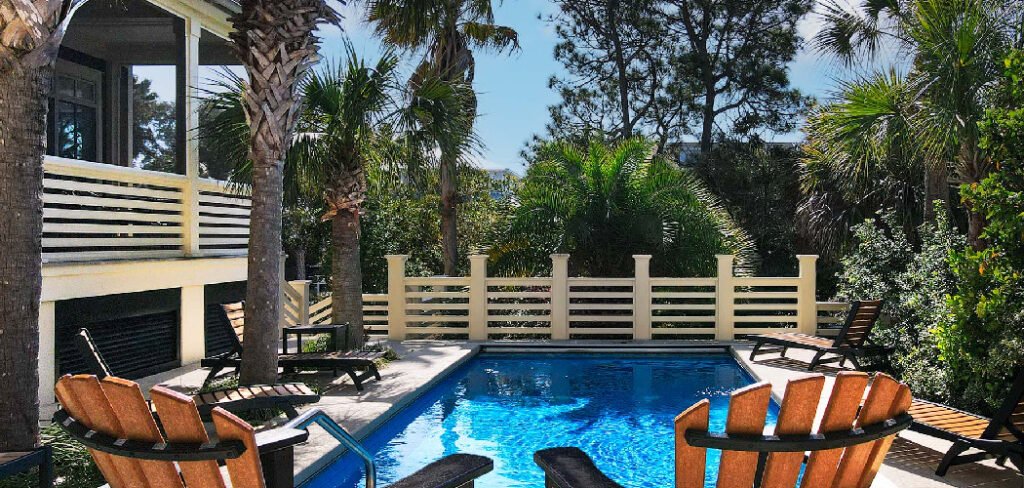
By thoughtfully placing your loungers, tables, and umbrellas, you can maximize your outdoor living space and ensure every guest has a comfortable spot to relax. This comprehensive guide will teach you how to arrange patio furniture around a pool, turning your backyard into the ultimate destination for summer fun and relaxation.
How to Arrange Patio Furniture Around a Pool: A Step-by-Step Guide
Step 1: Assess Your Available Deck Space and Traffic Flow
Before dragging any heavy chairs or tables outside, you must critically evaluate the physical layout of your pool deck. Measure the distance between the water’s edge and your landscaping, fences, or house walls. Safety is paramount here; you need to maintain a clear perimeter around the pool for safe entry and exit.
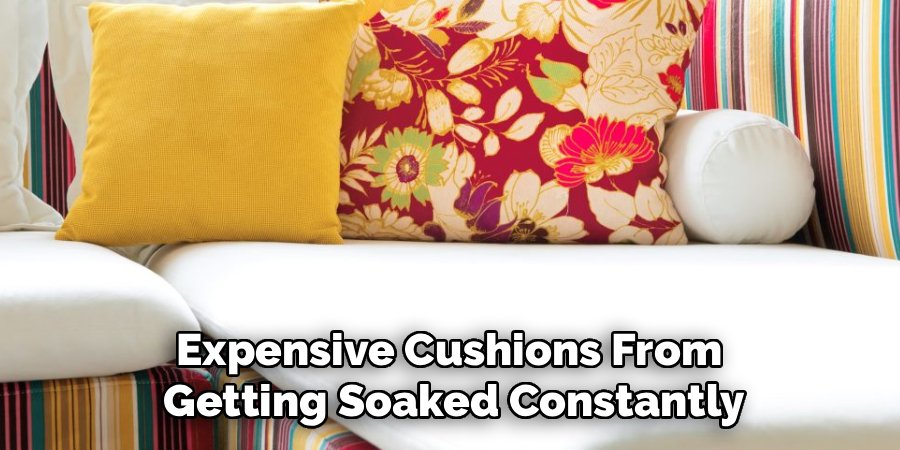
A good rule of thumb is to keep a walkway of at least three feet wide completely clear of any furniture. This “splash zone” prevents tripping hazards and keeps your expensive cushions from getting soaked constantly.
Understanding these spatial limitations is the foundation of learning how to arrange patio furniture around a pool effectively. Visualizing the natural paths people will take from the house to the water will help you place items where they enhance, rather than block, movement.
Step 2: Establish Distinct Activity Zones
A well-designed poolside area functions much like an open-concept living room, with dedicated areas for specific activities. Instead of scattering chairs randomly, group them to create purpose-built zones.
You might designate a sunny corner for sunbathing with chaise lounges, a shaded area under a pergola for dining, and a cozy fire pit section for evening conversations. Separating these functions helps to organize the space visually and keeps traffic flowing smoothly.
For example, place the dining table closer to the house or outdoor kitchen to make serving food easier, while keeping the lounging area closer to the deep end or the pool steps. This zoning strategy ensures that wet swimmers aren’t dripping over people trying to eat lunch.
Step 3: Position Chaise Lounges for the Sun
The classic poolside staple is the chaise lounge, and its placement is critical for comfort. Generally, these should be placed in groups of two or three, facing the water. This orientation allows parents to keep an eye on swimmers while relaxing. If you have enough space, angling them slightly toward each other encourages conversation.

Ensure you account for the sun’s path throughout the day; you generally want these chairs in the sunniest part of the deck. Leave about two feet of space between each lounger to allow for a small side table. This table is essential for holding drinks, sunscreen, and books, adding a layer of convenience that elevates the entire experience.
Step 4: Create a Conversation Nook with Shade
While sunbathing is popular, not everyone wants to be exposed to direct sunlight all day. Creating a shaded conversation nook is essential for long-term comfort. This area typically involves a set of deep-seating armchairs or a loveseat arranged around a central coffee table.
Position this setup under a large cantilever umbrella, a pergola, or the shade of a nearby tree. Orient the seating so that it faces the pool, allowing guests to stay connected to the action in the water without being in the splash zone.

\This layout mimics an indoor living room and provides a cool retreat for reading or chatting, making it a vital component when you consider how to arrange patio furniture around a pool for diverse groups of people.
Step 5: Incorporate Dining Areas Strategically
If you plan to eat meals by the pool, the placement of your dining set requires careful thought. Unlike lounge chairs, dining tables take up a significant amount of footprint and require space for chairs to be pulled out.
Ideally, place your dining table in a location that is convenient to the grill or kitchen entrance but far enough back from the pool edge to avoid accidents. A distance of at least six feet from the water is recommended.
Round tables are often better for flow in tighter spaces, as they lack sharp corners. Ensure that the ground underneath is level and stable so that drinks don’t spill, and consider placing this zone in a spot that receives afternoon shade or can be covered by an umbrella.
Step 6: Use Rugs and Planters to Define Borders
Once your furniture is in place, you can use accessories to visually anchor each zone and soften the hardscape. Outdoor rugs are excellent tools for defining a “room” without walls. Placing a rug under your conversation set or dining table instantly groups those pieces together and adds a touch of color and texture.
Similarly, large planters filled with tropical foliage or tall grasses can act as soft dividers between your lounging and dining areas. These natural barriers provide privacy and sound dampening while enhancing the resort vibe. Be careful not to block sightlines to the pool completely; use these elements to guide the eye and traffic rather than obstruct it.
Step 7: Finalize with Lighting and Storage
The final touch in arranging your poolside furniture involves the practical elements that extend the usability of the space into the evening. Solar path lights or LED lanterns should be placed along the walkways you identified in the first step to ensure safety after dark. String lights hung above the dining or conversation areas create a warm, inviting ambiance.
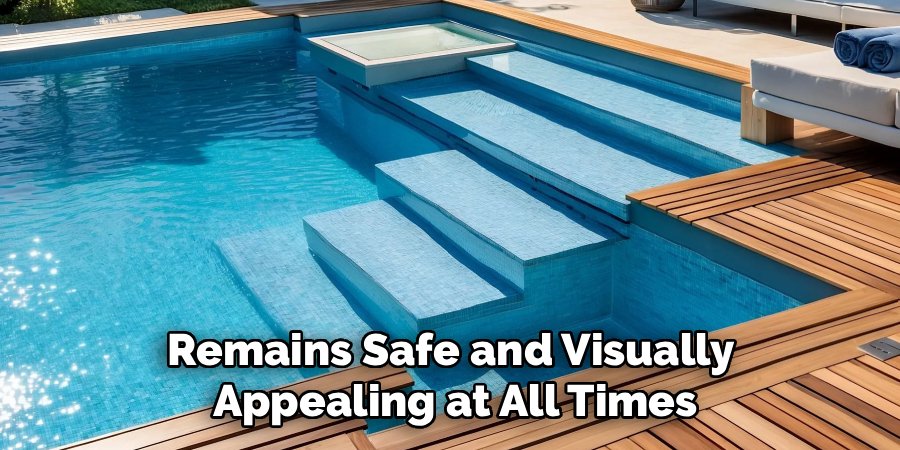
Additionally, incorporate functional storage solutions like deck boxes or benches with hidden compartments. Place these near the changing area or the back door to store towels, pool noodles, and cushion covers. Keeping the deck clutter-free is just as important as the furniture layout itself, ensuring the space remains safe and visually appealing at all times.
Maintenance and Care Advice
Regular maintenance and care are essential to keep your outdoor space looking its best. Start by thoroughly cleaning the deck surface to prevent the buildup of debris and mold, which can make surfaces slippery and unsafe.
Use a wood or composite deck cleaner suitable for your material, and rinse thoroughly with a hose or pressure washer. For furniture, wipe down surfaces with a damp cloth and use mild soap for tougher stains. Protect your cushions and fabric accessories with weather-resistant covers when not in use, and store them indoors during harsh weather.
Periodically inspect your lighting fixtures and replace any burnt-out bulbs to maintain a consistently inviting atmosphere. By developing a routine care schedule, you can prolong the life of your outdoor area and ensure it remains a welcoming retreat for years to come.
Frequently Asked Questions (FAQ)
How Far Should Furniture Be from the Pool Edge?
Safety dictates that you should keep a clear perimeter around the water.
- The 3-Foot Rule: Maintain a minimum of three feet (about one meter) of clear walking space between the pool’s edge and any furniture.
- Safety First: This prevents tripping hazards for swimmers exiting the pool and keeps furniture dry.
- Deep End vs. Shallow End: You might want more clearance near the shallow end where kids enter and exit frequently, compared to the deep end which sees less foot traffic.
What Is the Best Material for Poolside Furniture?
Poolside environments are harsh due to sun, water, and chemicals like chlorine or salt.
- Aluminum: Lightweight, rust-proof, and low maintenance. It creates a modern look but can get hot in direct sun.
- Teak: A beautiful, durable hardwood that resists rot. It requires regular oiling to maintain its color or it will weather to a silver-gray.
- Resin Wicker: Offers a classic look but is completely weather-resistant and easy to clean with a hose.
- Performance Fabrics: Ensure all cushions are made from solution-dyed acrylic (like Sunbrella) to resist fading and mildew.
How Can I Create Shade Without a Pergola?
If you don’t have a permanent structure, portable shade is essential.
- Cantilever Umbrellas: These are ideal because the pole is offset, allowing the canopy to hang over furniture without a base getting in the way.
- Shade Sails: These fabric triangles can be anchored to posts, trees, or the side of the house to create a modern, airy look.
- Market Umbrellas: Classic center-pole umbrellas work well for dining tables with a center hole or between two lounge chairs.
What Furniture Layout Works Best for Small Pool Decks?
In a small space, less is often more.
- Multi-Functional Pieces: Use a storage bench that doubles as seating.
- Bistro Sets: A small round table with two chairs takes up less room than a full dining set.
- L-Shaped Sectionals: Placing a sectional in a corner maximizes seating while leaving the center open for traffic.
- Skip the Chaise: If space is tight, standard armchairs with ottomans are more versatile and compact than long chaise lounges.
How Do I Protect My Furniture from Pool Water?
Chlorine and salt can damage certain materials over time.
- Rinse Regularly: Hose down metal and wicker furniture weekly to remove chemical residue.
- Waterproof Covers: Invest in custom-fit covers for when the furniture is not in use.
- Towel Off: Encourage guests to dry off before sitting on fabric cushions.
- Material Choice: Avoid iron (which rusts) or untreated wood near the splash zone.
Conclusion
Transforming your pool deck into a functional and stylish retreat is all about thoughtful planning and strategic placement. By assessing your space, creating distinct zones for different activities, and prioritizing safety with clear walkways, you can design an environment that caters to both relaxation and entertainment.
Remember that the best layout is one that facilitates conversation and comfort while keeping the sparkling water as the focal point. Don’t be afraid to experiment with different configurations until you find the flow that works best for your lifestyle.
Now that you understand the principles of how to arrange patio furniture around a pool, you can confidently set the stage for endless summer memories, ensuring your backyard is as inviting out of the water as it is in it.

About
Jovie Mathews is a backyard and outdoor expert writer with over 12 years of hands-on experience transforming neglected outdoor spaces into thriving gardens and functional retreats. Raised in a family where weekends meant digging in the soil and building raised beds from scratch, Jovie developed a genuine love for the outdoors long before it became a career.
She writes with a practical, no-fluff approach — always testing ideas in her own backyard before sharing them with readers. From composting systems and native plant selection to patio design and pest control, Jovie covers the full spectrum of backyard life with equal parts expertise and enthusiasm.
Education
B.Sc. in Horticulture Science
University of Florida (UF) · Gainesville, FL · 2014
IFAS College of Agricultural and Life Sciences
Minor in Environmental Studies
University of Florida (UF) · Gainesville, FL · 2014
College of Liberal Arts and Sciences
Areas of expertise
- Lawn & Garden Care
- Soil prep, planting, seasonal care
- Outdoor DIY Projects
- Raised beds, fencing, pathways
- Composting & Soil Health
- Organic methods, amendments
- Native Plants & Wildlife
- Pollinators, habitat gardening
When she is not writing, Jovie can be found testing new composting techniques, growing tomatoes in questionable quantities, or convincing her neighbors that clover lawns are actually a great idea. She currently gardens in the Pacific Northwest.