
Inflatable pools are a fantastic way to beat the summer heat without the massive investment of a permanent installation. They provide endless hours of splashing fun for kids and adults alike, transforming a backyard into a temporary vacation spot. However, these seasonal staples are not designed to last forever.
Whether due to a stubborn puncture, sun damage, or simply because the kids have outgrown it, there comes a time when you need to say goodbye. Tossing a massive chunk of PVC plastic into the regular trash bin feels wrong, and leaving it to rot in the garage takes up valuable space.

Many homeowners find themselves stuck, unsure of the environmentally friendly options available for getting rid of such a bulky item. This guide is here to help you navigate the process smoothly. We will walk you through exactly how to dispose of an inflatable pool, ensuring you minimize environmental impact while reclaiming your yard space.
When it comes to disposing of an inflatable pool, many people feel overwhelmed by the lack of clear options. Fortunately, there are several responsible methods to ensure your pool is dealt with properly.
From recycling to repurposing, each method considers the impact on the environment while helping you clear out your space efficiently. This guide will break down the steps, so you can decide on the best option for your needs.
Step-by-Step Guide: How to Dispose of an Inflatable Pool
Step 1: Drain the Water Responsibly and Completely
The very first task in this disposal process is removing the hundreds or thousands of gallons of water sitting in your backyard. You simply cannot move or cut up a pool that is still full. It is crucial to drain the water into a sewer cleanout or onto your own lawn, provided the ground can absorb it without causing runoff into neighbors’ yards.
If you have treated the water with heavy chemicals like chlorine or shock recently, you must wait for those chemical levels to drop to zero before releasing the water.
Releasing chemically treated water into storm drains is illegal in many areas because it flows directly into local waterways, harming aquatic life. Take your time with this step to ensure the pool is bone-dry before proceeding to the next phase of dismantling.
Step 2: Clean and Dry the Plastic Material
Once the water is gone, you are left with a large, floppy structure that is likely covered in algae, dirt, and perhaps some mildew. Before you can recycle or repurpose the material, it needs to be relatively clean. Use a mild soap and a scrub brush to remove any caked-on grime or slippery residue. After scrubbing, rinse it thoroughly with a hose.
The most critical part of this step is allowing the material to dry completely. Lay it out flat in the sun and flip it over after a few hours. Wet plastic is a breeding ground for mold and bacteria, which makes the material unsafe for recycling centers to handle and unpleasant for you to cut up. Ensure every fold and crevice is moisture-free.
Step 3: Deflate All Air Chambers Thoroughly
Modern inflatable pools often have multiple air chambers to provide stability and structure. You need to locate every single air valve and open them up to let the air escape. To speed up this often tedious process, you can gently roll the pool like a sleeping bag, pushing the air toward the open valves.
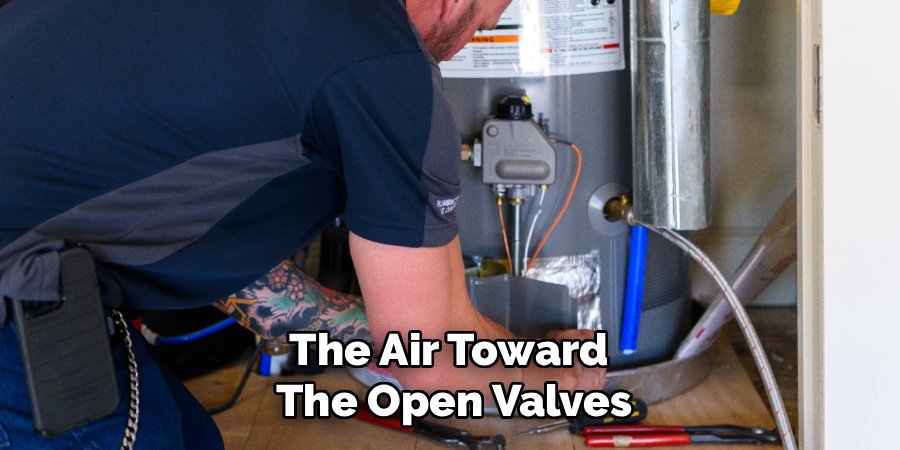
If you have an electric air pump with a deflate setting, this is the perfect time to use it to suck out every last bit of air. Removing the air flattens the material, making it significantly easier to handle and cut.
Attempting to cut into an inflated chamber can be dangerous and difficult, so ensuring the structure is completely flat is a necessary safety precaution before you bring out any cutting tools.
Step 4: Cut the Pool into Manageable Strips
Now that your pool is clean, dry, and flat, the bulk needs to be reduced. You cannot simply stuff a giant pool into a recycling bin or a trash bag. Using a sharp pair of heavy-duty scissors or a box cutter, begin slicing the PVC material into smaller, manageable strips or squares. Aim for pieces that are roughly two feet by two feet.
This makes the material much easier to transport, store, or feed into recycling machinery if a local facility accepts it. Be very careful with the thick vinyl seams, as they can be tough to cut through.
Wearing protective gloves during this stage is highly recommended to prevent blisters or accidental cuts. This step transforms an unwieldy monster into neat, stackable piles of plastic.
Step 5: Check Local Recycling Guidelines for PVC
This is the most pivotal step when learning how to dispose of an inflatable pool in an eco-friendly manner. Most inflatable pools are made of polyvinyl chloride, commonly known as PVC or plastic number 3. Unfortunately, this is one of the most difficult plastics to recycle and is rarely accepted in standard curbside recycling bins.

You must contact your local waste management authority or search for specialized recycling facilities in your area that explicitly accept soft PVC vinyl. Do not simply guess and throw it in the blue bin, as “wish-cycling” can contaminate entire batches of recyclable materials.
If your local center does not accept it, search for specialized private companies or TerraCycle programs that might handle difficult plastics.
Step 6: Explore Creative Repurposing Options
If you discover that recycling is not an option in your area, do not despair. The durable, waterproof nature of PVC makes it an excellent material for DIY projects around the home and garden. You can use large sheets of the plastic as heavy-duty tarps to cover woodpiles, lawnmowers, or outdoor furniture during the winter.
It also works wonderfully as a drop cloth for painting projects or as a weed barrier under mulch in your garden beds. Some crafty individuals even cut the colorful vinyl into shapes to make waterproof tote bags or wet bags for swimwear.
By finding a second life for the material, you are effectively keeping it out of the landfill, which is the ultimate goal of sustainable disposal.
Step 7: Disposal as a Last Resort
If the pool is too damaged for repurposing and no recycling facilities are available, your final option is the general trash. However, because you have already cut the pool into small strips in the previous steps, you can dispose of it responsibly over time rather than filling your entire bin at once.
Bag the cut-up pieces securely in heavy-duty trash bags to prevent them from blowing away during collection. If the volume is still too high for your weekly pickup, you may need to take the bags directly to a local landfill or transfer station.
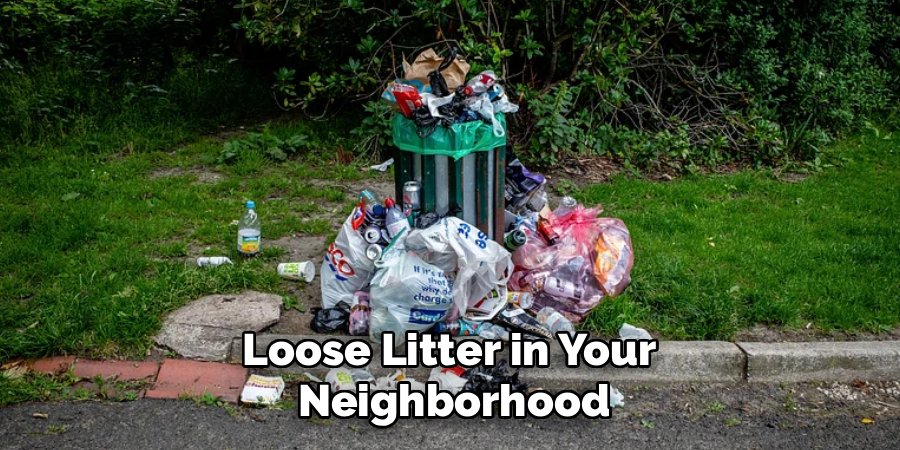
While this is the least eco-friendly outcome, following the proper steps to cut and bag the waste ensures it is handled safely by sanitation workers and does not become loose litter in your neighborhood.
Frequently Asked Questions (FAQ)
Can I Put My Inflatable Pool in the Recycling Bin?
Generally, no, you cannot put an inflatable pool in your standard curbside recycling bin.
- Material Type: Most inflatable pools are made of PVC (plastic #3), which requires specialized processing that most municipal facilities cannot handle.
- Contamination: Putting non-recyclable items in your bin is called “wish-cycling” and can cause machinery to jam or ruin an entire batch of good recyclables.
- Check First: Always call your local recycling center to ask specifically about “soft PVC” before attempting to recycle it.
Is Draining Pool Water into the Street Illegal?
In many municipalities, draining pool water directly into the street or storm drain is illegal.
- Chemicals: Pool water often contains chlorine, bromine, and algaecides that are toxic to aquatic life. Storm drains typically flow directly into rivers and oceans without treatment.
- Dechlorination: You must allow the chemicals to dissipate (usually by letting the water sit for a week without adding chemicals) before draining.
- Sewer Cleanout: The safest place to drain pool water is often into your home’s sewer cleanout, which leads to a water treatment plant.
What Can I Do With a Pool That Is Only Slightly Leaking?
If the pool has a minor puncture but is otherwise in good condition, repair is the most eco-friendly option.
- Patch Kits: Most pools come with a patch kit, or you can buy heavy-duty vinyl repair kits at hardware stores.
- Donation: If you don’t want it anymore, patch it up and offer it for free on local community groups. Many people are happy to take a slightly imperfect pool for their kids or pets.
How Long Does PVC Take to Decompose in a Landfill?
PVC is an incredibly durable plastic that does not biodegrade in the traditional sense.
- Timeline: It can take hundreds of years to break down in a landfill environment.
- Microplastics: Instead of disappearing, it eventually breaks into smaller microplastics that can contaminate soil and groundwater.
- Priority: This is why finding a way to reuse or repurpose the material is far superior to sending it to the dump.
Are There Companies That Take Old Pools?
Yes, there are specialized recycling companies that may accept inflatable pools.
- TerraCycle: This company specializes in “hard-to-recycle” waste and sometimes offers zero-waste boxes or sponsored programs for pool toys and inflatables.
- Retailer Take-Backs: Occasionally, large outdoor retailers or pool manufacturers will host take-back events.
- Got Junk: Junk removal services will pick up old pools, but they will likely charge a fee and may ultimately take it to a landfill if they cannot find a recycling partner.
Conclusion
Saying goodbye to your summer splashing spot doesn’t have to be a headache or an environmental burden. While the durable PVC material presents some challenges, taking the time to process it correctly makes a world of difference.
By draining, cleaning, and cutting down the material, you open up possibilities for repurposing that wouldn’t exist if you just crumpled it into a ball. Whether you manage to find a specialized recycler, turn the vinyl into useful heavy-duty tarps, or simply dispose of it in a way that is safe for sanitation workers, your effort counts.
t is a small but significant way to act as a steward of your own backyard and the planet. Now that you are an expert on how to dispose of an inflatable pool, you can clear out that space with a clear conscience, ready for whatever new adventure your yard will host next.

About
Jovie Mathews is a backyard and outdoor expert writer with over 12 years of hands-on experience transforming neglected outdoor spaces into thriving gardens and functional retreats. Raised in a family where weekends meant digging in the soil and building raised beds from scratch, Jovie developed a genuine love for the outdoors long before it became a career.
She writes with a practical, no-fluff approach — always testing ideas in her own backyard before sharing them with readers. From composting systems and native plant selection to patio design and pest control, Jovie covers the full spectrum of backyard life with equal parts expertise and enthusiasm.
Education
B.Sc. in Horticulture Science
University of Florida (UF) · Gainesville, FL · 2014
IFAS College of Agricultural and Life Sciences
Minor in Environmental Studies
University of Florida (UF) · Gainesville, FL · 2014
College of Liberal Arts and Sciences
Areas of expertise
- Lawn & Garden Care
- Soil prep, planting, seasonal care
- Outdoor DIY Projects
- Raised beds, fencing, pathways
- Composting & Soil Health
- Organic methods, amendments
- Native Plants & Wildlife
- Pollinators, habitat gardening
When she is not writing, Jovie can be found testing new composting techniques, growing tomatoes in questionable quantities, or convincing her neighbors that clover lawns are actually a great idea. She currently gardens in the Pacific Northwest.